REVERSE OSMMOSIS (RO) & RECYCLING UNITS

Advanced Water Recovery for Cost Savings, Sustainability & DOE Compliance

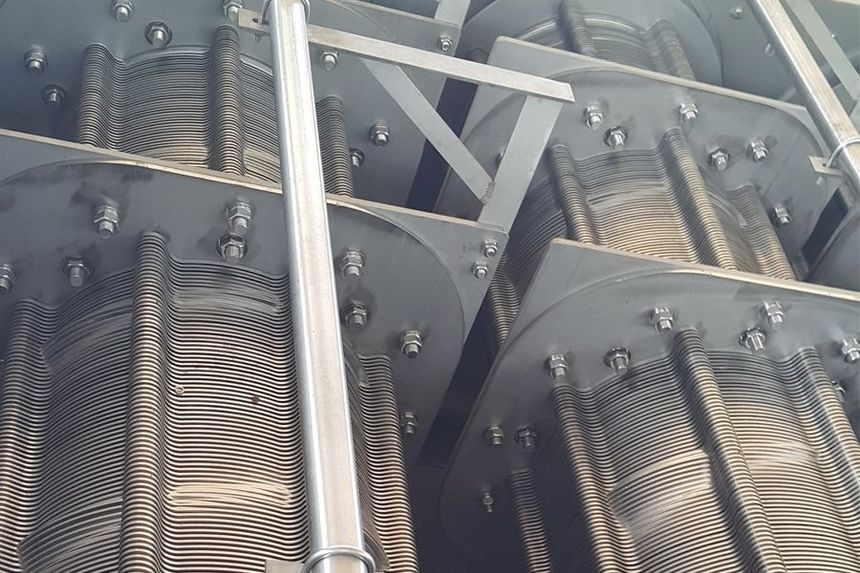
Close-up of industrial machinery with metal rollers, bolts, and a central silver shaft

Overview

Reverse Osmosis (RO) is an advanced membrane-filtration technology that removes dissolved salts, minerals, heavy metals, and contaminants from pre-treated wastewater. RO is one of the most effective solutions for industries seeking water recycling, reduction of freshwater consumption, and compliance with ESG and sustainability targets.


Cheme Advance provides fully engineered RO and water recycling systems designed for Malaysian industrial conditions. Our systems are built to handle challenging wastewater characteristics, minimise fouling, optimise energy usage, and ensure stable long-term operation. When combined with MBR or other pretreatment systems, RO can recover a significant portion of wastewater and convert it into clean, reusable permeate suitable for various industrial applications.


In industries with high water demand, RO recycling is no longer optional — it is a strategic necessity to improve resource efficiency and remain competitive.

Industry Challenges This Solves

Industries with water-intensive processes face consistently rising water tariffs. RO recycling helps reduce dependency on municipal water or groundwater sources.

Less recycled water means higher:


  • Water bills
  • Wastewater discharge volume
  • Chemical consumption
  • Sludge generation

RO significantly cuts these costs.

Industries such as electronics, pharmaceuticals, and food & beverage require high-purity process water. RO provides a consistent, controlled source of clean water.

Some industries produce high dissolved solids or non-biodegradable compounds that cannot be removed biologically. RO effectively removes dissolved contaminants, ensuring compliance.

Global supply chains increasingly require water reuse and environmental stewardship — RO systems help industries meet these expectations.

What RO Does

Reverse Osmosis functions by applying pressure to push water through a semipermeable membrane, which filters out dissolved contaminants.


RO removes:

  • Total dissolved solids (TDS)
  • Salts and minerals
  • Heavy metals
  • Hardness
  • Colour-causing organics
  • Microbial contaminants
  • COD components

The result is:
✔  High-quality permeate suitable for reuse
✔  Concentrated reject water for disposal or further treatment

How the RO Recycling Process Works Step by Step

Black check mark inside a circle icon on a white background

1. Pretreatment

Wastewater passes through MBR or filtration systems to remove solids and organics.

Black checkmark inside an outlined circle icon on a white background

2. Cartridge Filtration

Fine particulates are removed to protect RO membranes.

Black checkmark inside a thin black circle on a white background.

3. High-Pressure Pumping

Water is pressurised to push it through the RO membrane.

Black checkmark inside a circle icon on a white background

4. Membrane Filtration

Contaminants are rejected and discharged as concentrated brine.

Black checkmark inside a circle icon on a white background

5. Permeate Storage

Clean water is stored for reuse or further polishing.

Black checkmark inside an open circle icon on a white background

6. CIP (Cleaning in Place)

Automated acid/alkaline cleaning removes membrane fouling when required.

This integrated process consistently produces high-quality recycled water.

Why Cheme Advance RO Systems Are Better

Cheme Advance designs RO systems specifically for industrial-strength wastewater. Unlike generic RO units, our systems are engineered for:

High fouling resistance

Longer membrane lifespan

Stable permeate flow

Optimal energy efficiency

Minimal downtime

Our Key Strengths:

Custom-built RO skids for Malaysian industries

Seamless integration with MBR, DAF, and polishing systems

Automated CIP for extended membrane life

Flow, pressure, and quality sensors for real-time monitoring

High-rejection membranes for improved purity

Full PLC/SCADA integration for smart operation

Reject management strategies to reduce waste

Our engineering approach ensures superior reliability and performance.

Key Features

Black recycle arrows encircling a water droplet icon

High Rejection Efficiency


Removes up to 99% of dissolved contaminants.

3x3 grid of black-outlined circles connected by gray lines on a white background

Energy-Efficient Design


Optimised pressure and pump configurations reduce energy consumption.

Four simple black-outlined footprints on a white background.

Modular and Scalable


Easily expandable based on production demands.

Black-and-white icon of a cloud over wavy lines inside a circle

Advanced Membrane Options


  • Low-energy
  • High-rejection
  • Fouling-resistant membranes
Black outline icon of a microchip or integrated circuit with small square pins and connectors

Automation & Control


Includes:

  • TDS sensors
  • Pressure transmitters
  • Flow meters
  • Automatic cleaning cycles
Black line-art molecular diagram with three connected ring shapes and small circular nodes

Robust Pretreatment Integration


RO systems are paired with:

  • MBR
  • Multimedia filters
  • Activated carbon
  • Cartridge filters

Operational Benefits

Significant Water Savings

Industries can recover 50–70% of wastewater as usable permeate.

Cost Reduction

Lower spend on:

  • Municipal water
  • Chemical usage
  • Wastewater discharge
  • Sludge handling
Consistent High Quality

Produces stable permeate quality suitable for:

  • Cooling tower make-up
  • rinsing processes
  • boiler feed (with further polishing)
  • general reuse
Improved Plant Stability

RO ensures predictable water quality even when influent varies.

Support for ESG & Sustainability Goals

Promotes responsible water management and environmental resilience.

Suitable Industries

DAF is ideal for industries generating oily, greasy, or high-solids wastewater, including:

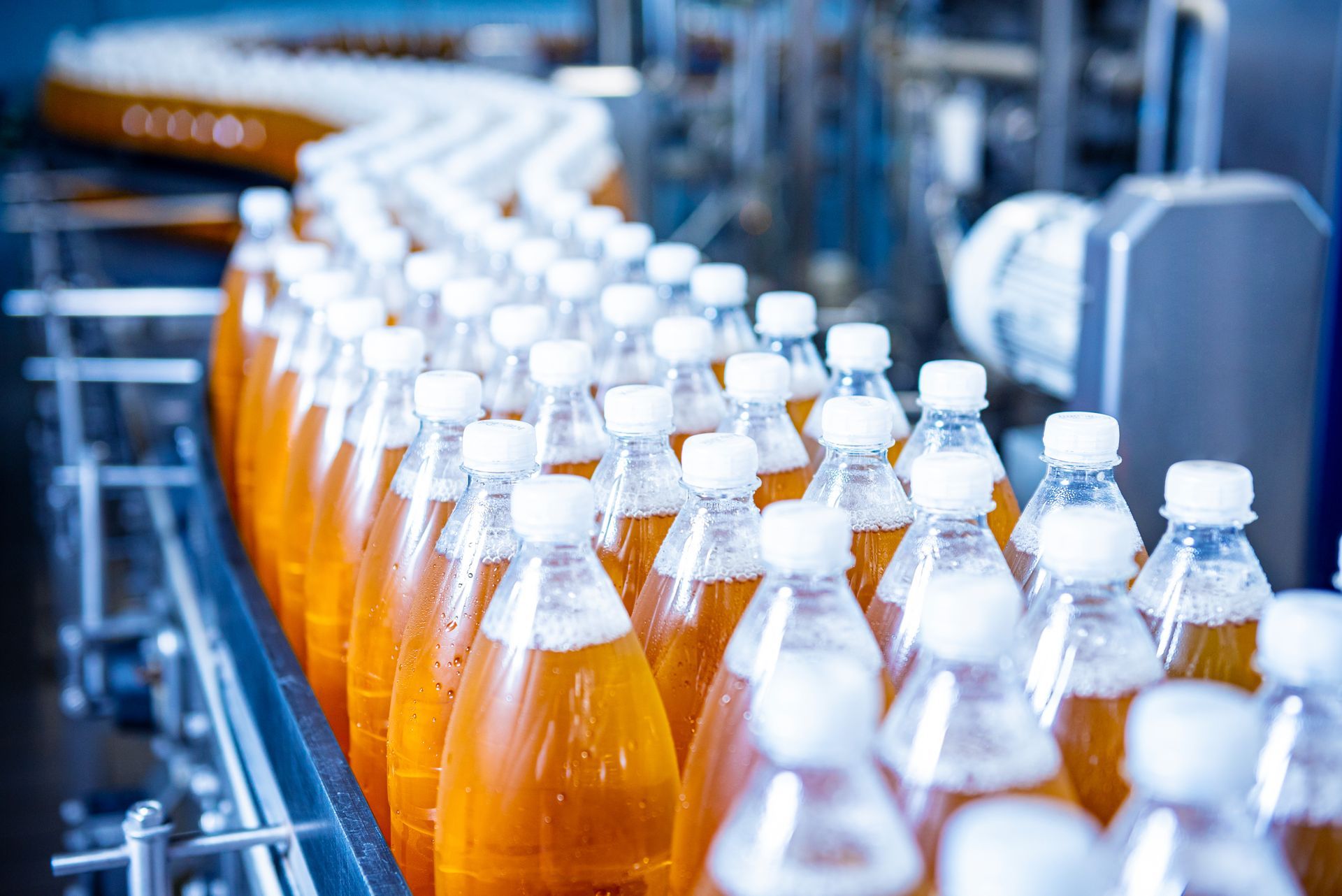
Rows of orange soda bottles on a factory conveyor line

Food & Beverage

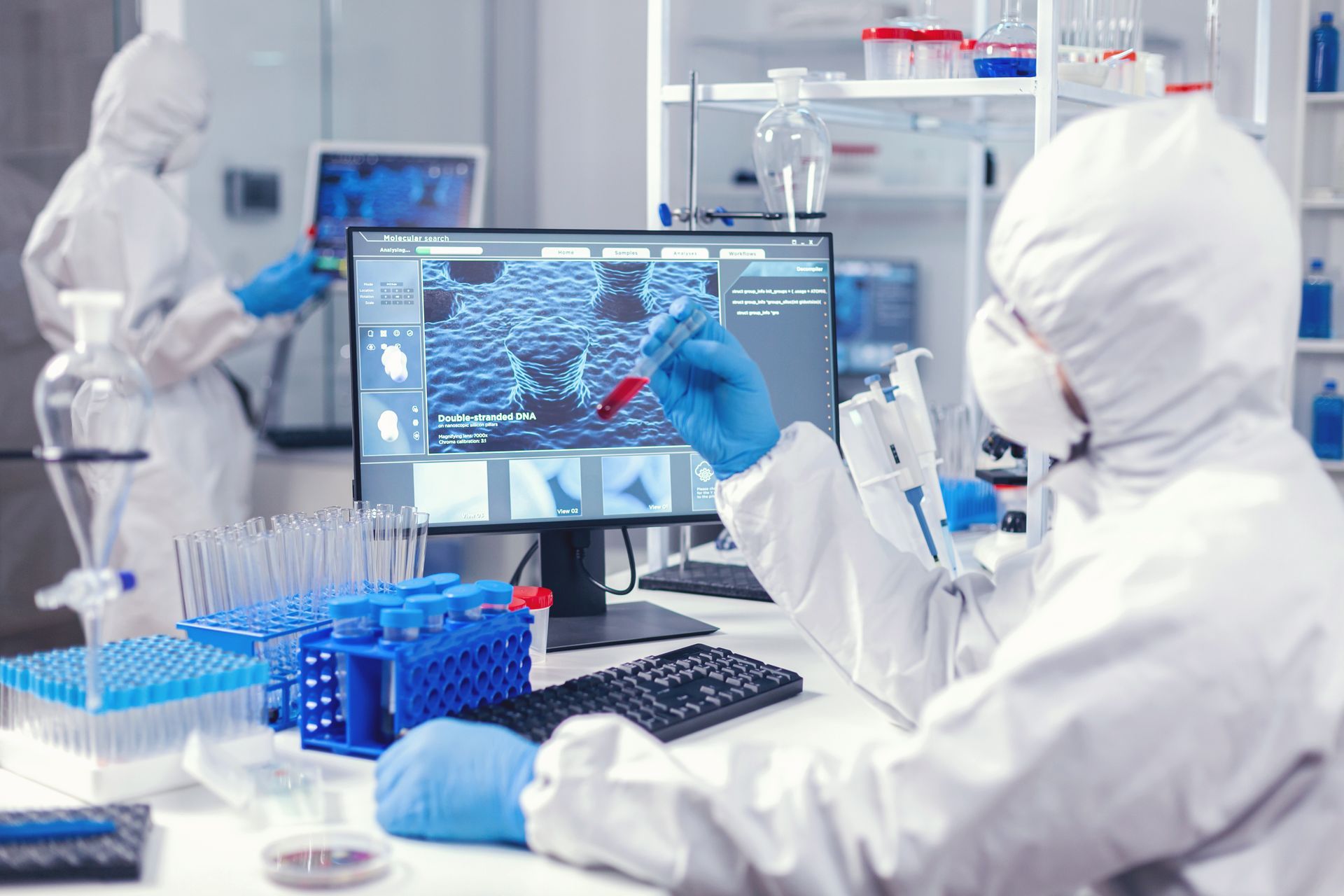
Scientists in white lab suits analyze samples at computer screens in a sterile lab.

Pharmaceutical

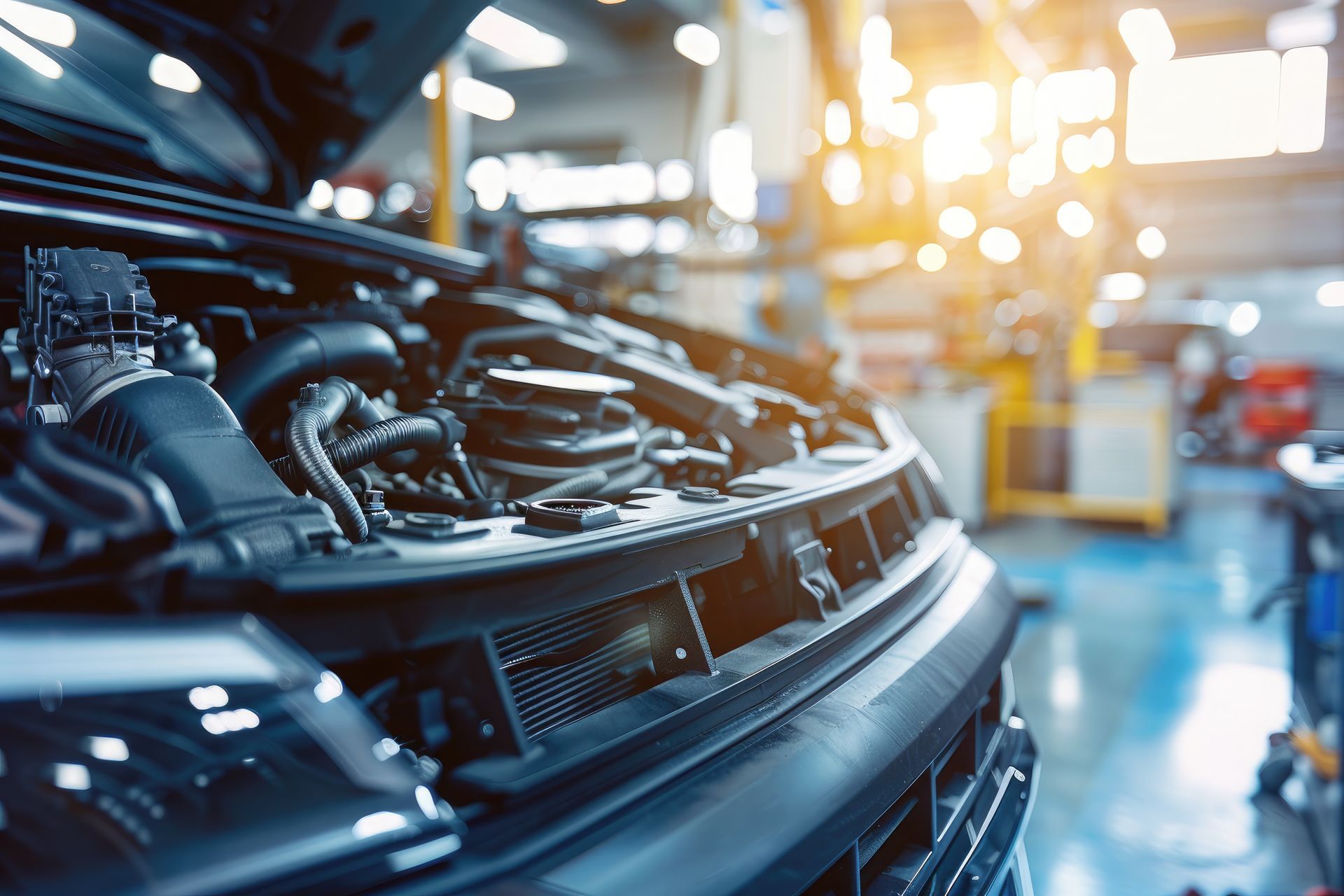
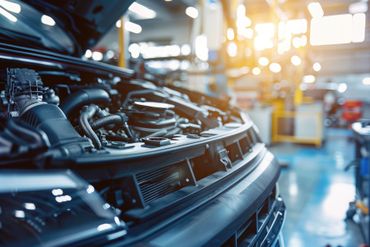
Car engine bay being inspected in a bright auto repair garage

Automotive

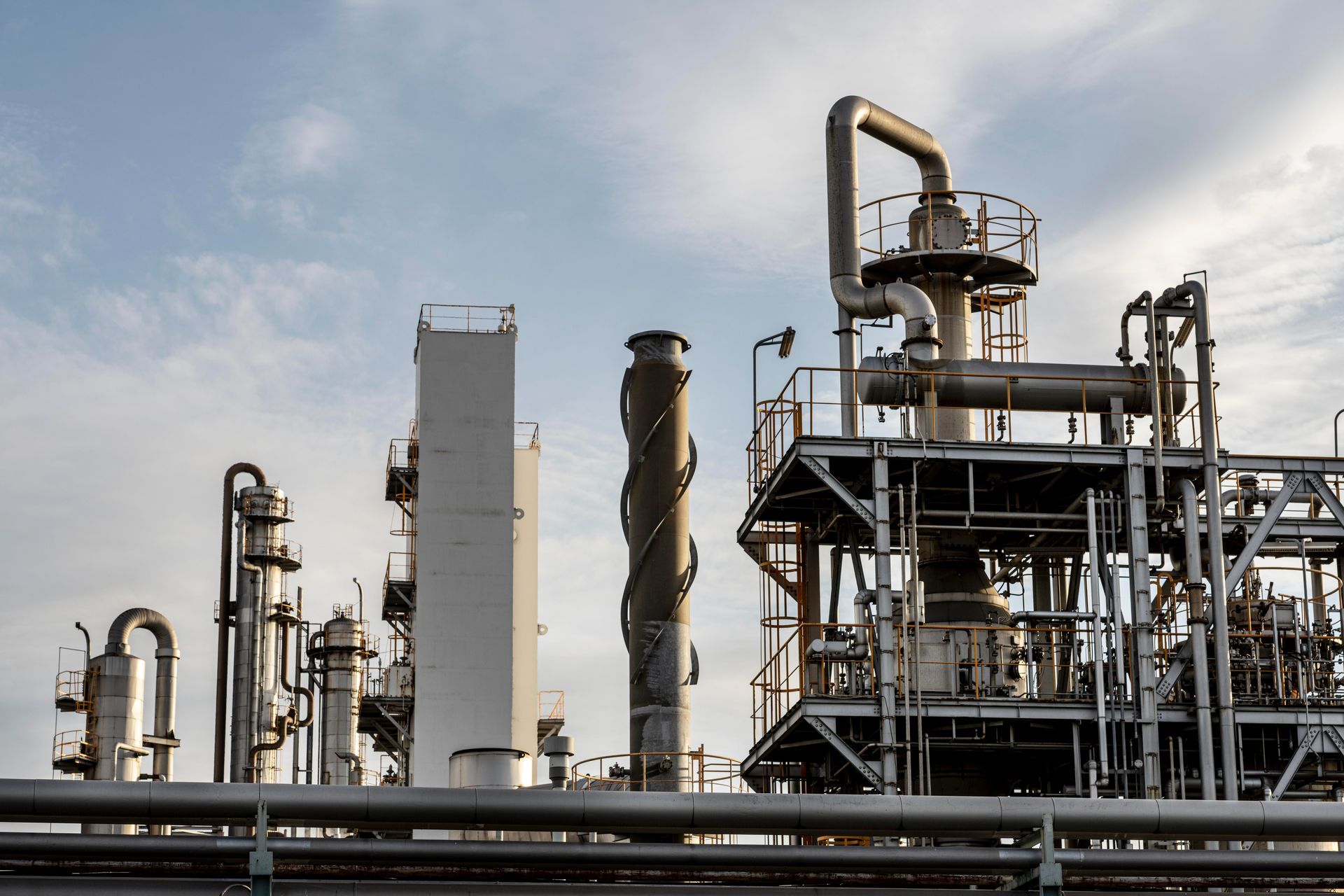
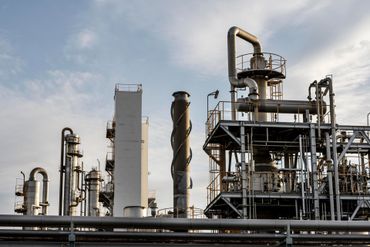
Industrial refinery towers and pipes against a cloudy sky

Petrochemical

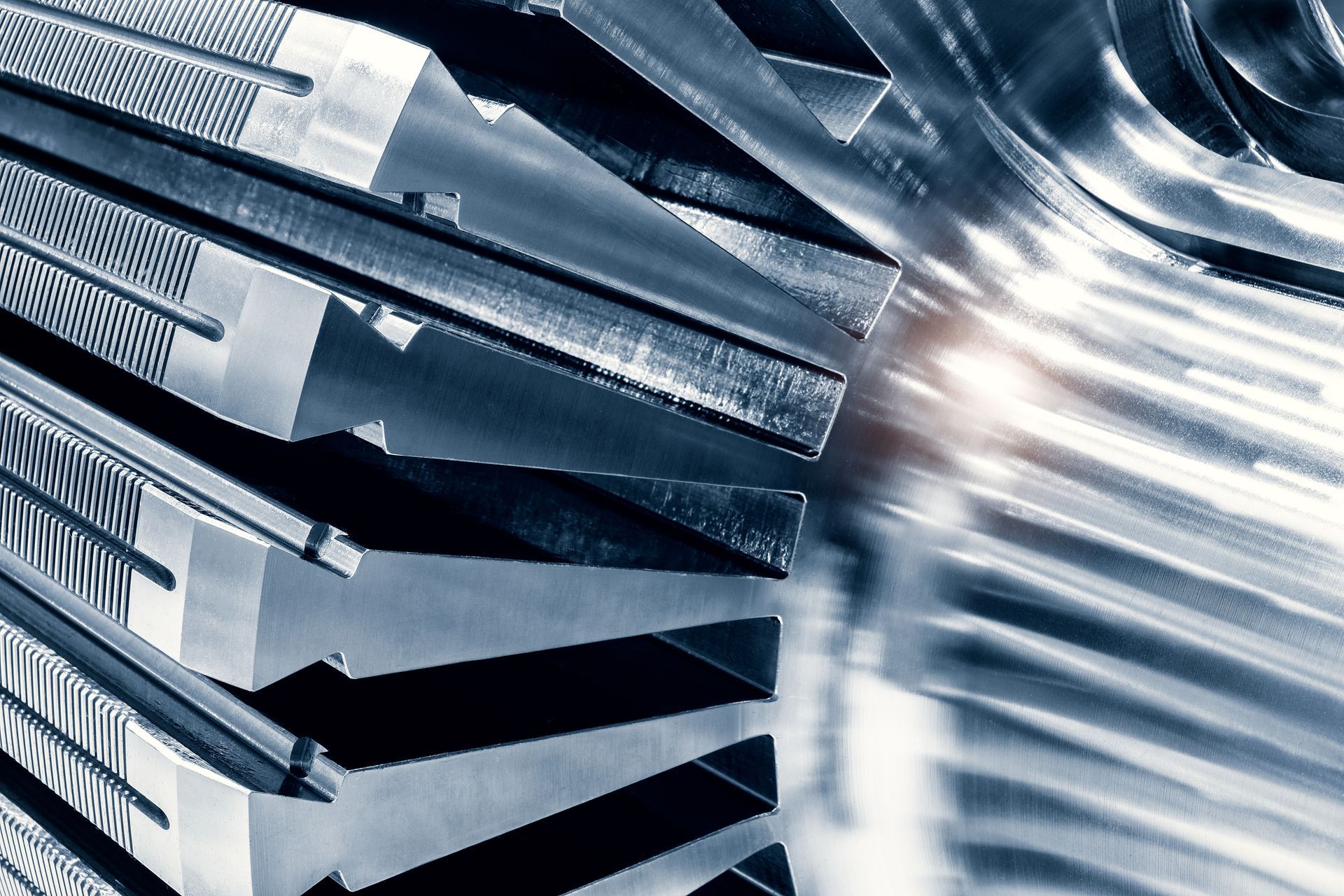
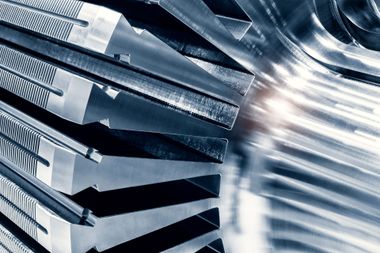
Close-up of metal turbine blades with motion blur, reflecting blue-white light

Metal & Steel Processing

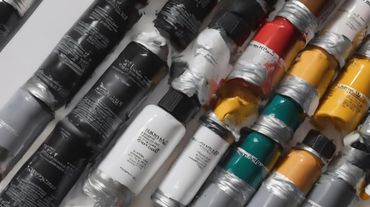
Stacked cylindrical batteries or cartridges in silver, black, red, green, and yellow colors.

Oleochemical

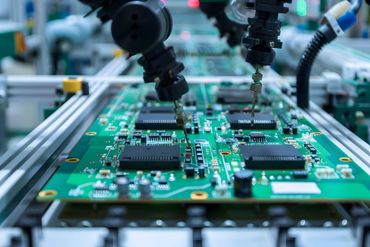
Automated assembly line placing components on a green circuit board

Electronics & Semiconductor

Close-up of crinkled metallic foil with iridescent blue, gold, and silver reflections

Plating & Anodising

Abstract zigzag pattern of overlapping textured fabric swatches in blue, red, yellow, green, white, and gray.

Textile Manufacturing

How RO Fits into a Complete IETS

RO is usually placed downstream from biological treatment. This ensures maximum performance and membrane protection.

Upstream:

  • DAF clarifier
  • Coagulation/flocculation
  • MBR or secondary biological treatment
  • Multimedia/cartridge filters
Black outlined bottle with a droplet icon on a white background

RO Stage:

  • High-pressure pumping
  • Membrane separation
  • Permeate/reject flow control
Black outlined bubbles or circles of varying sizes on a white background

Downstream:

  • Permeate polishing (optional)
  • Storage and distribution
  • Reject handling or recovery
Water drop icon inside circular refresh arrows, black outline on white background

Frequently Asked Questions

  • What is the typical recovery rate of an RO system?

    Most industrial RO systems recover 50–70% of wastewater, depending on quality and application.

  • Can RO water be reused directly?

    Yes. Many industries reuse RO water for cooling, washing, and general processes. For boilers or sensitive processes, additional polishing may be required.

  • How often do RO membranes need cleaning?

    Typically every 2–6 months, depending on influent quality and pretreatment efficiency.

  • Does RO remove colour or COD?

    Yes — RO removes most colour and dissolved COD components that pass through biological treatment.

  • How long do membranes last?

    With proper operation and CIP, membranes can last 3–5 years.

Our Promise To The Future


We deliver solutions that perform with precision, reliability, and measurable value — designed to endure.

To Our Customers

We engage with purpose, promoting environmental awareness and social responsibility in everything we do.

To Our Community

We foster an open, fair, & progressive environment where learning and career growth are encouraged.

To Our Employees

We build sustainable growth on a foundation of trust, transparency, and transformation.

To Our Shareholders

We design and apply technology responsibly, ensuring every system brings us closer to cleaner air, cleaner water, and a sustainable tomorrow.

To Our Planet

2009

REVERSE OSMMOSIS (RO) & RECYCLING UN
Black circle on a white background
  • Backed by Malaysia’s Ministry of Agriculture for the first cultivation plant
Key Milestones


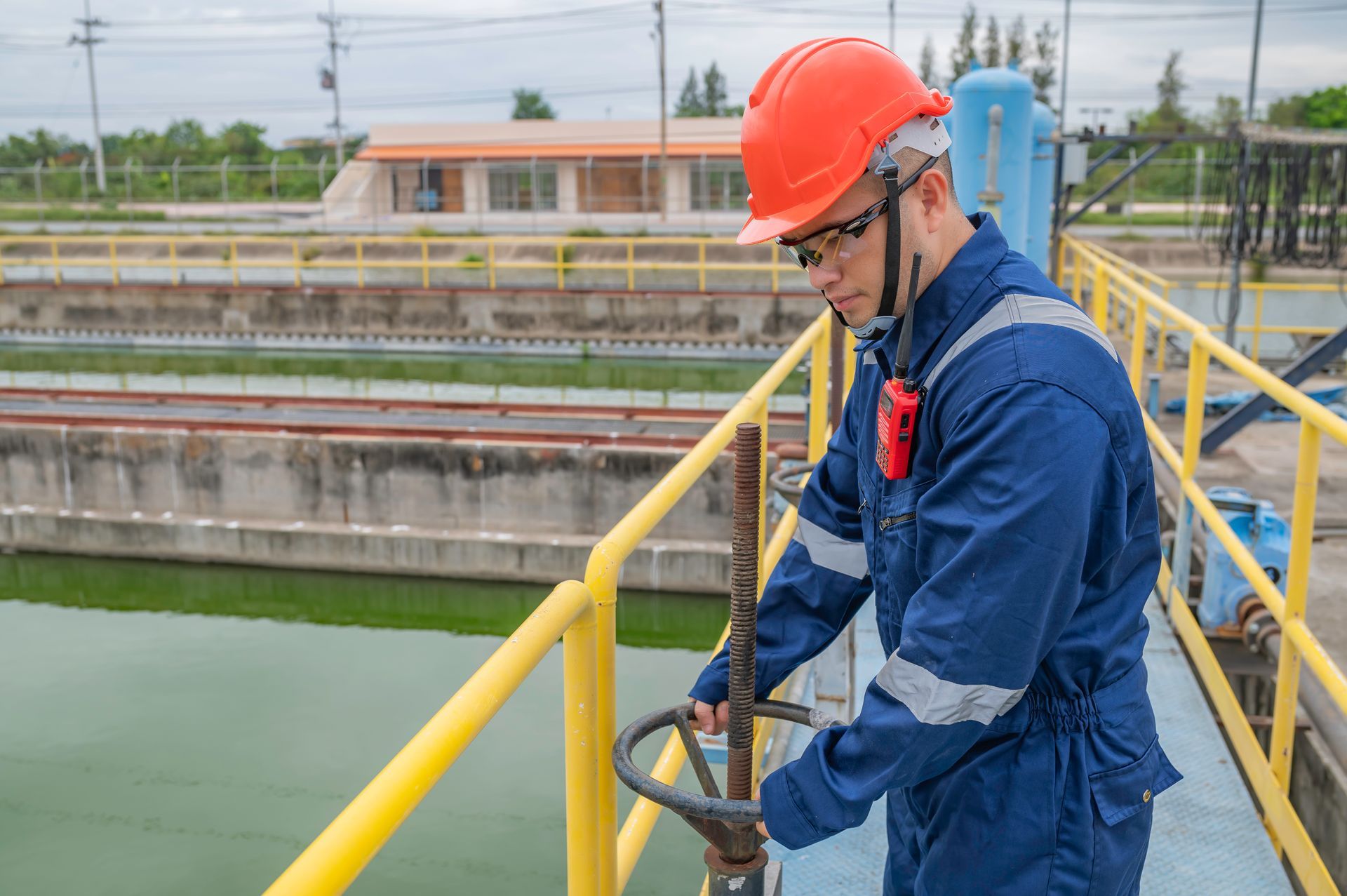
Worker in orange hard hat and blue coveralls operating equipment beside a water treatment basin.
Black circle on a white background

20+ years of proven environmental engineering experience

137+ completed industrial projects across Malaysia

Black circle on a white background
Worker in orange hard hat and blue coveralls operating equipment beside a water treatment basin.
Black filled circle on a white background

Comprehensive technology portfolio covering IETS, DAF, MBR, APCS, and sludge drying systems

Measured impact in operational efficiency, resource recovery, and emission reduction

Solid black circle on a white background
Black circle on a white background
Worker in orange hard hat and blue coveralls operating equipment beside a water treatment basin.