DISSOLVED AIR FLOTATION (DAF)

High-Efficiency Oil, Grease & Solids Removal for Industrial Wastewater Treatment

Overview

Dissolved Air Flotation (DAF) is a compact, high-efficiency clarification technology designed to remove suspended solids, oil and grease (O&G), scum, and colloidal particles from industrial wastewater. As one of the most critical pretreatment systems in an Industrial Effluent Treatment System (IETS), DAF plays a major role in protecting downstream biological and membrane processes while ensuring stable compliance with Malaysian DOE discharge limits.


DAF is especially important for industries handling high FOG levels, variable loads, or processes that generate fine suspended solids. By improving water quality early in the treatment chain, DAF reduces operating cost, stabilises performance, and extends equipment lifespan.

Industry Challenges This Solves

O&G creates floating layers, sludge buildup, and fouling in downstream processes such as aeration basins, MBR systems, and RO units. Without proper removal, the entire plant becomes unstable.

Solids overload causes:


  • Sludge carryover
  • Higher chemical consumption
  • Reduced oxygen transfer
  • Uneven aeration performance
  • Inconsistent effluent clarity

Solids overload causes:


  • Sludge carryover
  • Higher chemical consumption
  • Reduced oxygen transfer
  • Uneven aeration performance
  • Inconsistent effluent clarity

Fluctuating influent loads lead to:


  • Biological system shock
  • Higher COD/BOD in final discharge
  • DOE non-compliance
  • Sudden odour formation

Inefficient pretreatment results in:


  • Increased membrane cleaning frequency
  • Higher polymer usage during sludge dewatering
  • Excess sludge production
  • More frequent downtime

DAF directly addresses all these challenges by improving the quality of wastewater entering the main treatment systems.

What DAF Does

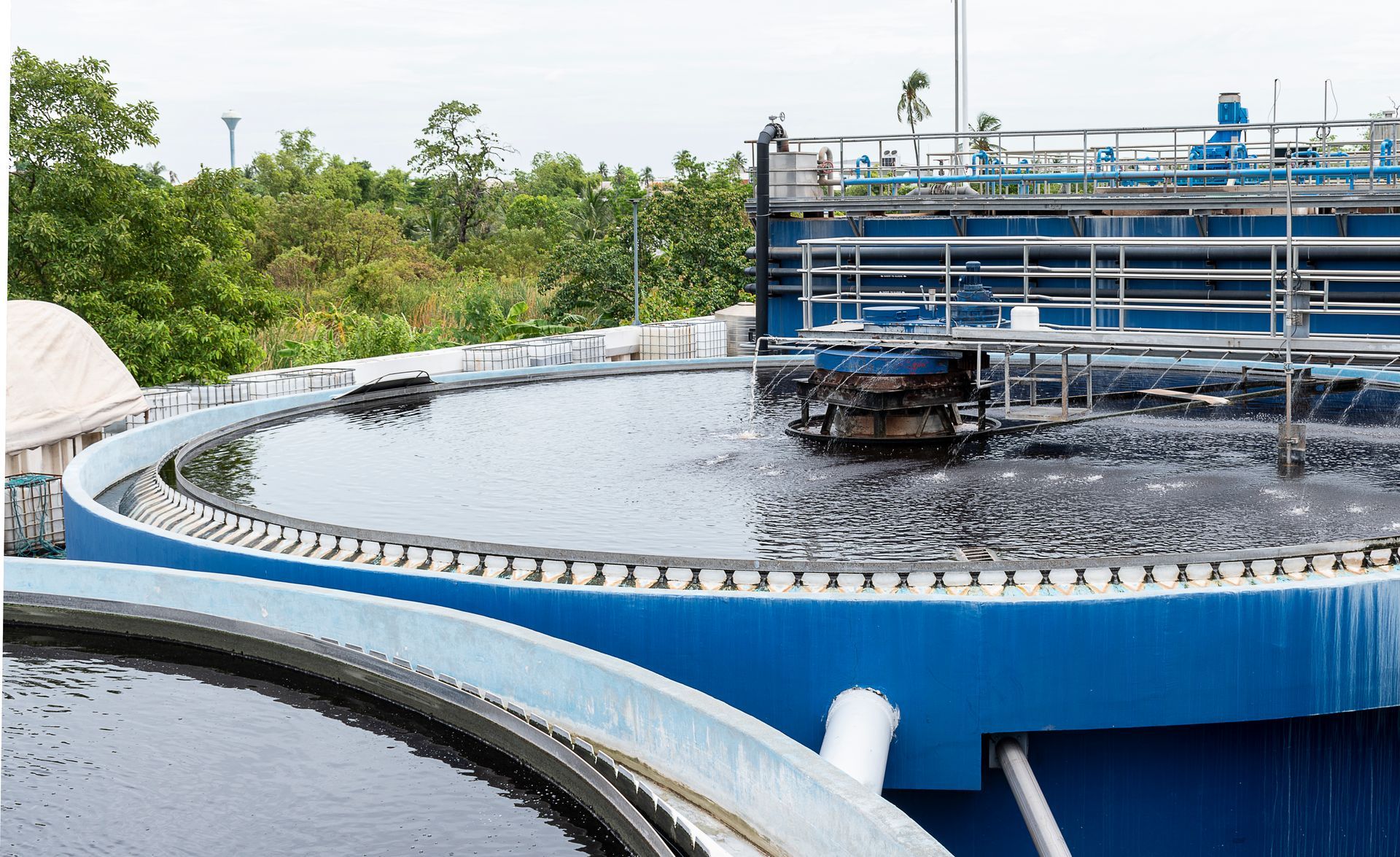
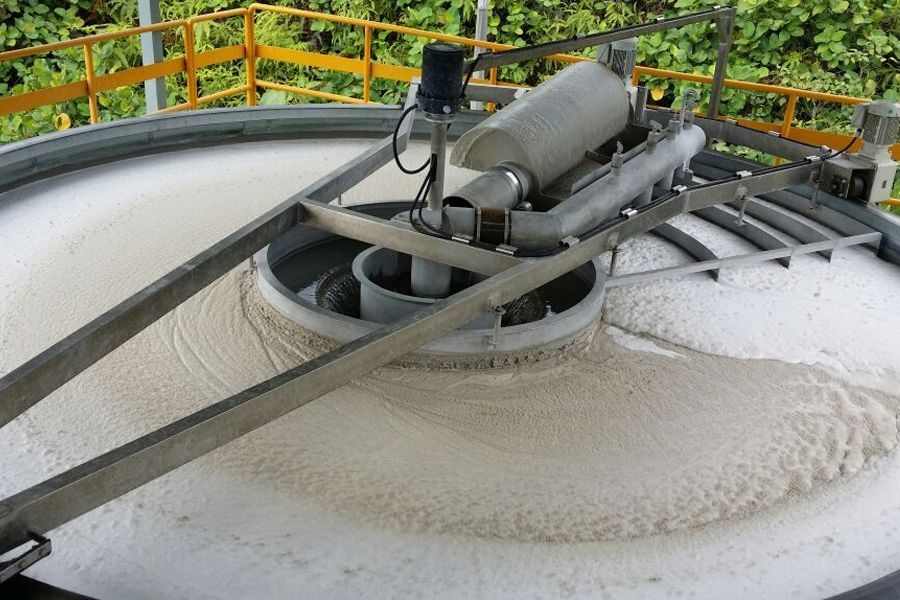
DAF works by dissolving air into water under pressure, then releasing the pressurised mixture into a flotation tank. This forms millions of microscopic air bubbles that attach to oils, solids, and particles. The bubbles lift these contaminants to the surface, where they accumulate as a float layer and are removed via a mechanical scraper.


The clarified water then flows to downstream processes such as biological treatment, MBR, or RO.

In simple terms:


DAF = Micro-bubble separation for cleaner, lighter, more stable wastewater.

How the DAF Process Works Step by Step

1. Chemical Conditioning

Coagulants and flocculants bind particles and oils together into larger, floatable flocs.

2. Pressurised Air Saturation

Air is dissolved into water under pressure using a saturator tank.

3. Micro-Bubble Formation

When pressure is released, micro-bubbles attach to flocs and lift them upward.

4. Float Layer Formation

Oils, grease, and solids accumulate on the surface as a thick layer.

5. Surface Skimming

A motorised scraper removes the float, sending it to sludge dewatering.

6. Clarified Water Discharge

Clean water leaves the DAF to downstream treatment processes.

This process ensures consistent removal of contaminants that are otherwise difficult to manage.

Why Cheme Advance’s DAF System Is Better

Cheme Advance engineers each DAF unit based on real Malaysian industrial wastewater characteristics. This ensures reliable long-term performance, lower operational cost, and compatibility with local DOE requirements.

Our Key Strengths:

Optimised air bubble size for maximum floatation efficiency

Chemical dosing systems calibrated to industrial influents

Heavy-duty scraping mechanism for reliable operation

Optional stainless steel tank construction

Energy-efficient saturator and recirculation pump

Smart automation with level sensors and alarms

Seamless integration with MBR, RO, and sludge dewatering systems

We design for performance, durability, and ease of operation — ensuring the system works 24/7 with minimal supervision.

Key Features

High O&G removal (>90%)

High suspended solids removal (>80%)

Compact footprint for industrial plants with limited space

Automatic air saturation and recirculation system

PLC/SCADA-ready controls

Low chemical consumption

Fast startup and quick response to influent variations

Minimal maintenance requirements

Operational Benefits

Improved Downstream Performance

DAF protects:


  • Biological reactors
  • Aeration tanks
  • MBR membrane modules
  • RO units
  • Sludge dewatering systems
Lower Operating Cost

  • Less membrane cleaning
  • Lower aeration energy due to reduced solids load
  • Reduced polymer usage
  • Less frequent sludge hauling
Stable DOE Compliance

Consistent pretreatment means:


  • Stable COD/BOD
  • Lower TSS
  • Reduced odour risks
Cleaner, Safer Working Environment

DAF reduces oily surfaces, improves housekeeping, and supports ESG goals.

Each system is engineered for durability, ease of operation, and long-term cost efficiency.

Suitable Industries

DAF is ideal for industries generating oily, greasy, or high-solids wastewater, including:

Food & Beverage

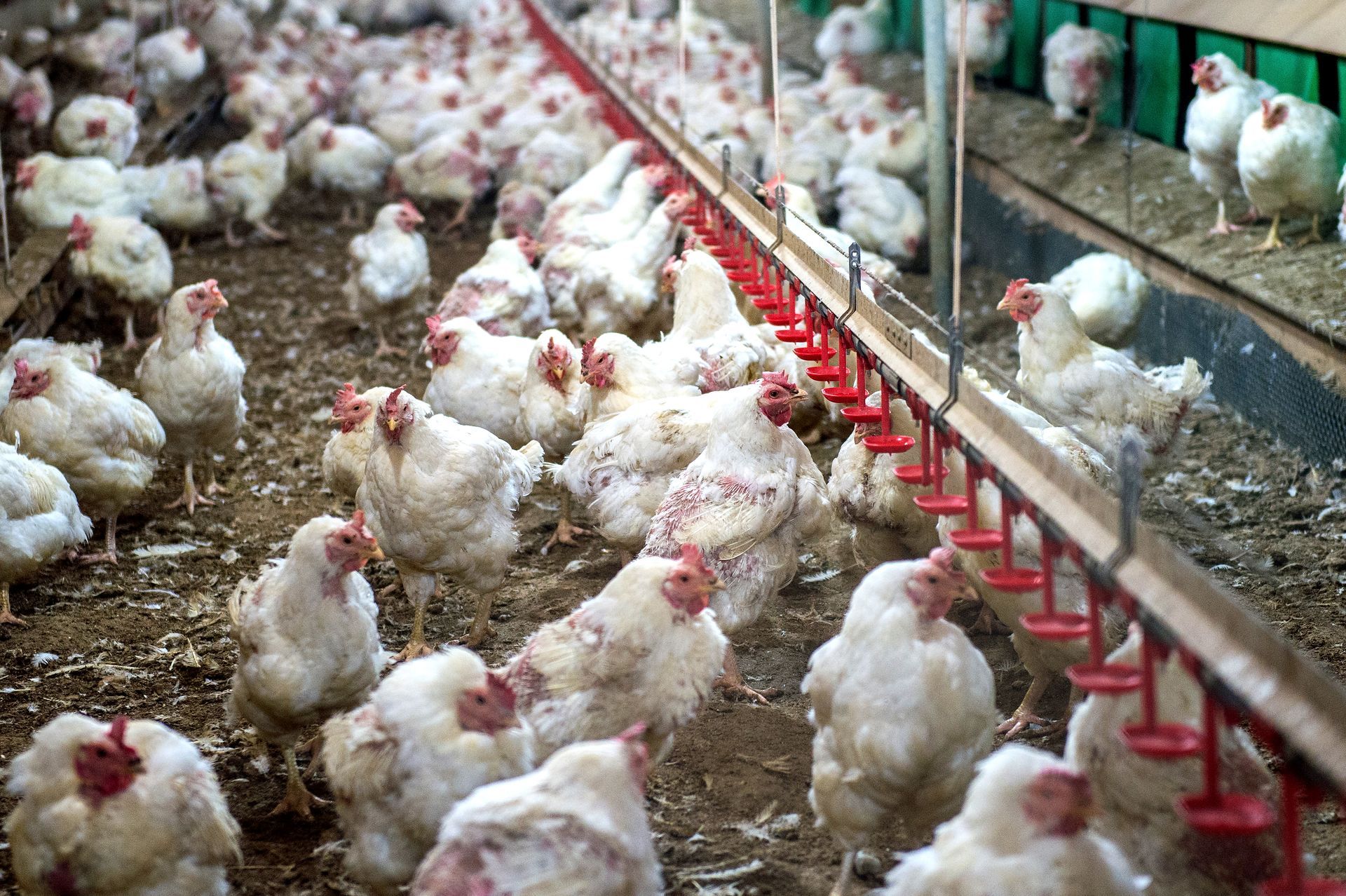
Poultry & Meat Processing

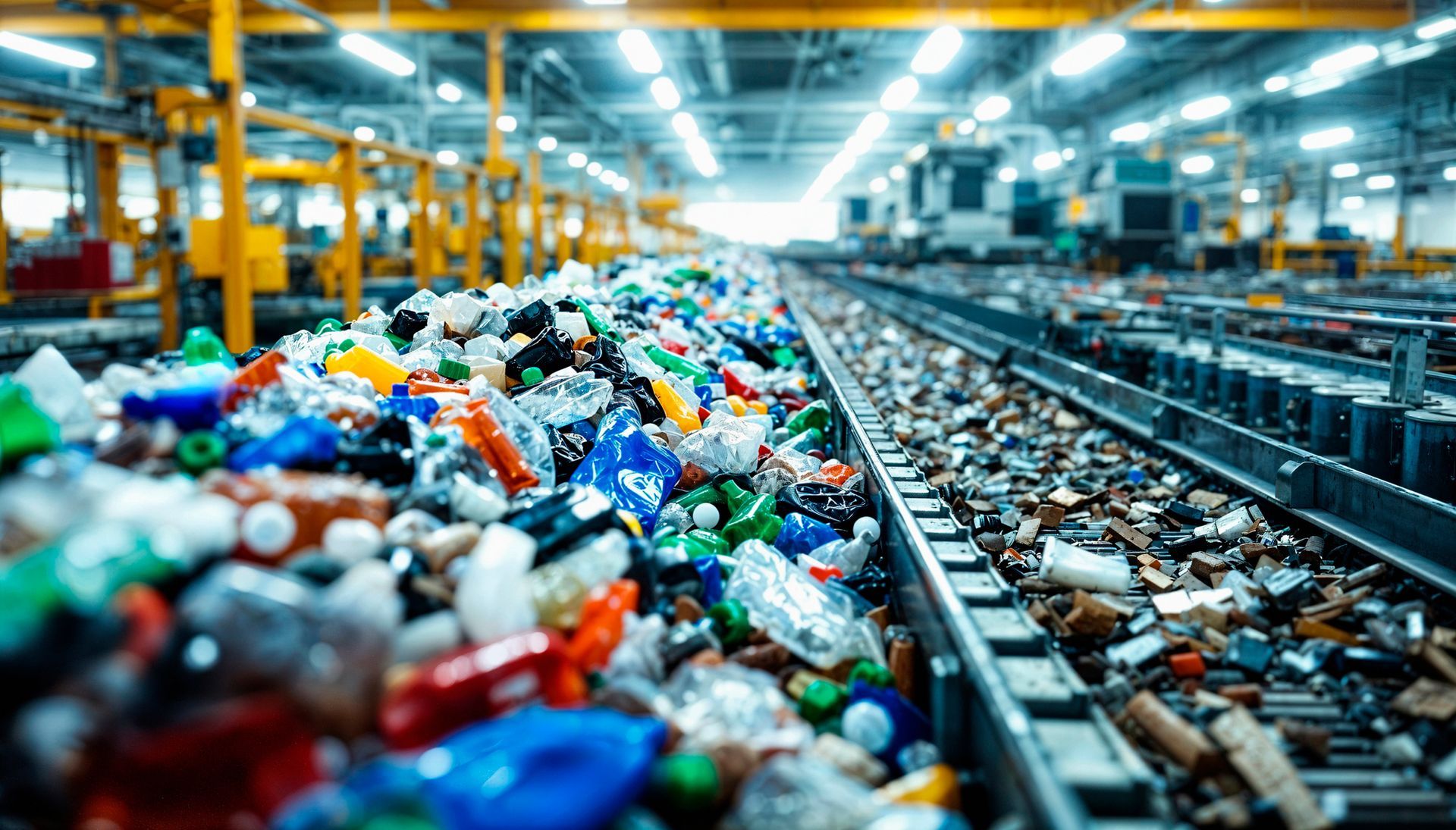
Packaging & Plastics

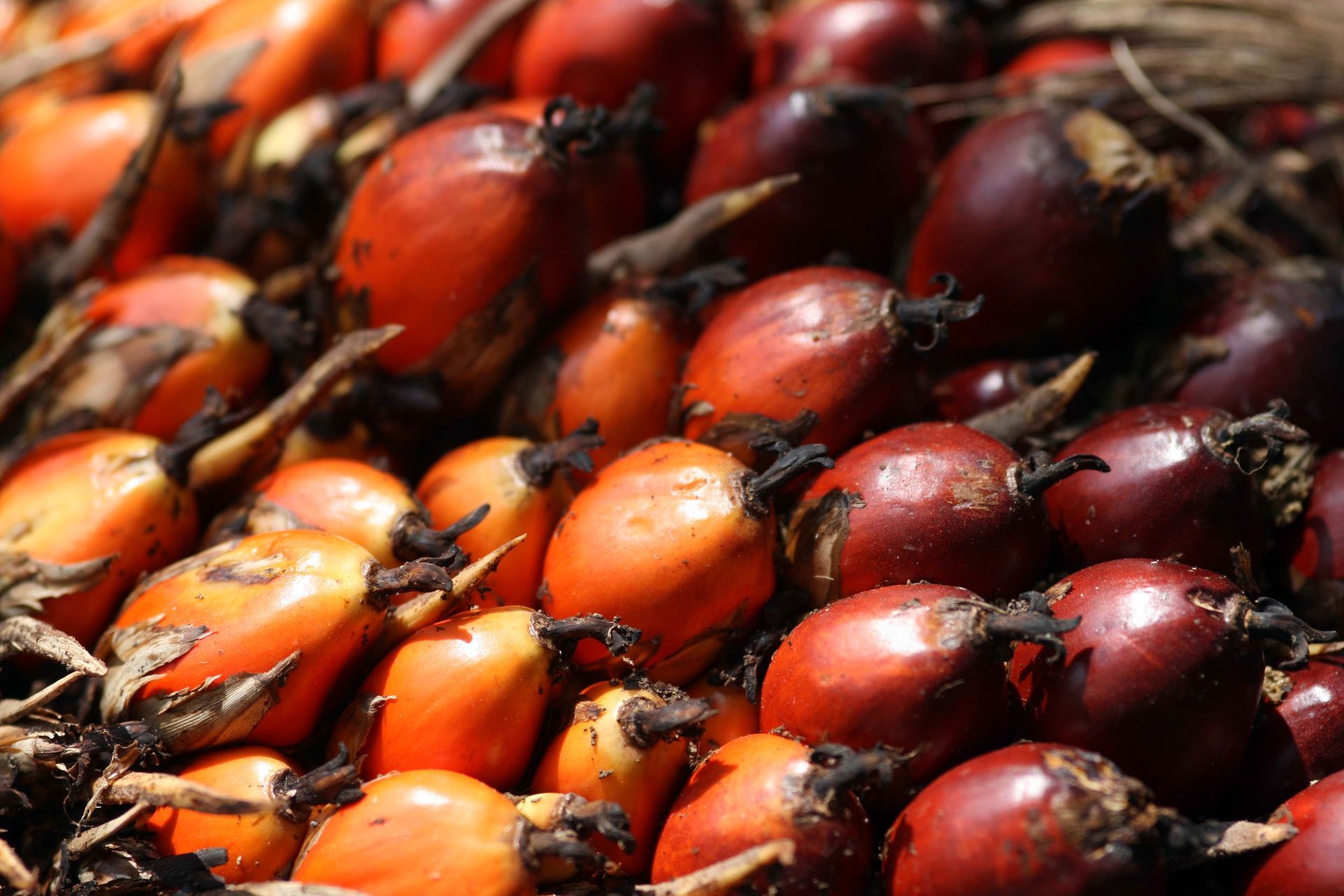
Palm Oil

Ink, Paint & Coating

Rubber & Glove Manufacturing

Textile Dyeing

Petrochemical

Metal Finishing

Oleochemical & Fatty Acids

How DAF Fits into a Complete IETS

DAF operates as part of an integrated wastewater treatment train. This alignment ensures stable long-term plant performance.

Upstream:

  • Oil-water separator
  • Equalisation tank
  • Chemical dosing


DAF Stage:

  • Coagulation & flocculation
  • Micro-bubble floatation
  • Skimming

Downstream:

  • Aeration & biological treatment
  • MBR polishing
  • RO recycling
  • Sludge dewatering or drying

Frequently Asked Questions (AEO-Optimised)

  • What is the main purpose of a DAF system?

    To remove oil, grease, suspended solids, and fine particles using micro-bubble flotation.

  • Is DAF required before MBR or RO?

    Yes — it is strongly recommended because it protects membranes from fouling.

  • Does DAF reduce COD?

    It reduces COD linked to oil, fats, and insoluble particles.

  • What chemicals are used?

    Typically coagulants, flocculants, and pH adjustment — optimised based on wastewater composition.

  • How often must DAF be cleaned?

    Daily observation, weekly surface cleaning, and monthly mechanical checks are sufficient.

Our Promise To The Future


We deliver solutions that perform with precision, reliability, and measurable value — designed to endure.

To Our Customers

We engage with purpose, promoting environmental awareness and social responsibility in everything we do.

To Our Community

We foster an open, fair, & progressive environment where learning and career growth are encouraged.

To Our Employees

We build sustainable growth on a foundation of trust, transparency, and transformation.

To Our Shareholders

We design and apply technology responsibly, ensuring every system brings us closer to cleaner air, cleaner water, and a sustainable tomorrow.

To Our Planet

2009

  • Backed by Malaysia’s Ministry of Agriculture for the first cultivation plant
Key Milestones


20+ years of proven environmental engineering experience

137+ completed industrial projects across Malaysia

Comprehensive technology portfolio covering IETS, DAF, MBR, APCS, and sludge drying systems

Measured impact in operational efficiency, resource recovery, and emission reduction