OZONE GENERATOR SYSTEMS
Advanced Oxidation for Colour Removal, Disinfection & Odour Control in Industrial Wastewater
Overview
Ozone Generator Systems are powerful advanced oxidation technology used to remove colour, reduce COD, disinfect water, and neutralise odours. As industrial wastewater becomes more complex — containing dyes, pigments, surfactants, solvents, and non-biodegradable organics — ozone is increasingly relied upon as a clean, chemical-free polishing method.
Ozone (O₃) is one of the strongest oxidants available, outperforming chlorine and peroxide while leaving no harmful chemical residues. When properly integrated into an Industrial Effluent Treatment System (IETS), ozone significantly improves effluent clarity, stability, and odour control.
Cheme Advance designs ozone systems specifically tailored to the needs of Malaysian industries. Our systems include proper injection, contact tank design, gas destructors, and safety controls to ensure stable, reliable and efficient operation.
Industry Challenges This Solves
Industries such as textile, ink, coating, and F&B often struggle with colour that does not biodegrade easily, even after biological treatment.
Chemical compounds like surfactants, solvents, tannins, and aromatic organics are difficult to remove biologically. These contribute to high residual COD.
Sludge handling areas, drains, and equalisation tanks often produce odour due to anaerobic conditions and decomposing organics.
Chlorine-based systems form harmful by-products (THMs, chloramines), require storage of hazardous chemicals, and are less effective against resistant microbes.
Industries are now expected to adopt greener oxidation processes with lower environmental impact. Ozone offers a clean, powerful, and safe solution to these common industrial challenges.
What Ozone Generator Systems Do
Ozone is generated on-site using electrical discharge technology. The ozone gas is then injected into water or air where it rapidly reacts with pollutants.
Ozone Oxidises:
- Dyes
- Pigments
- Aromatic compounds
- VOCs
- Odour-causing molecules
- Microorganisms and pathogens
This makes ozone a highly effective polishing step.
In simple terms:
Ozone breaks down difficult contaminants that biological and chemical systems cannot fully remove.
How an Ozone System Works Step by Step
1. Ozone Generation
Air or oxygen is passed through an ozone generator where high-voltage discharge converts O₂ into O₃.
2. Injection Into Water or Air
Ozone is diffused into a contact tank using a venturi or fine-bubble diffuser.
3. Oxidation Reaction
Ozone reacts immediately with contaminants, breaking down colour, COD, and bacteria.
4. Contact Time
Proper retention time ensures complete oxidation.
5. Off-Gas Destruction
Any unused ozone is routed to a destructor where it is safely converted back to oxygen.
6. Polished Effluent Discharge
This well-controlled process ensures consistent performance and operator safety.
Why Cheme Advance Ozone Systems Are Better
Industrial Effluent Treatment System (IETS)
Comprehensive wastewater treatment systems designed in accordance with Malaysia’s Environmental Quality Act (EQA).
→ Integrating DAF, MBR, and RO recovery technologies for stable operation, consistent discharge, and process reliability.
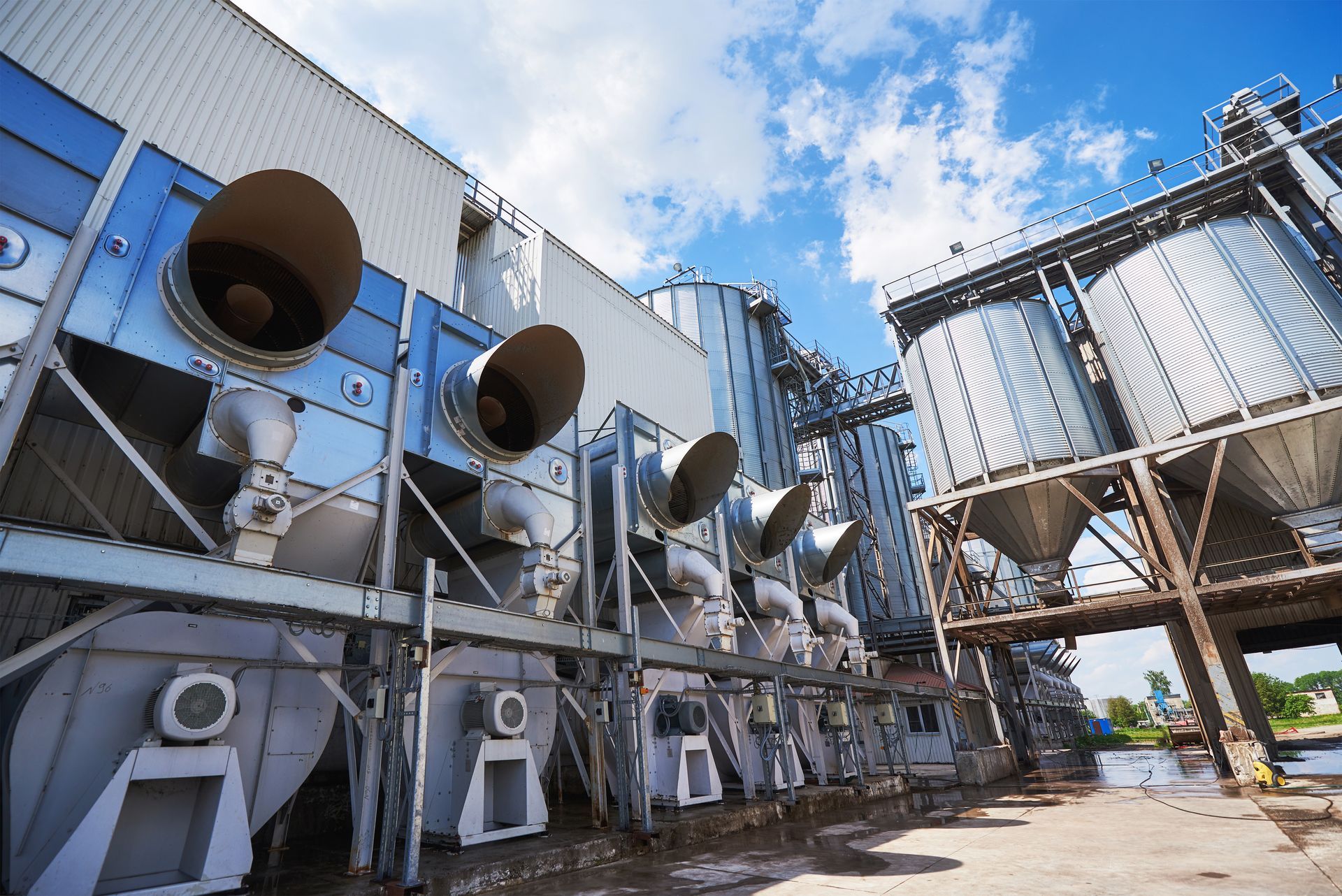
Air Pollution Control Systems (APCS)
Engineering and integration of scrubbers, bag filters, cyclones, and odour control units, ensuring cleaner air and safer working environments.
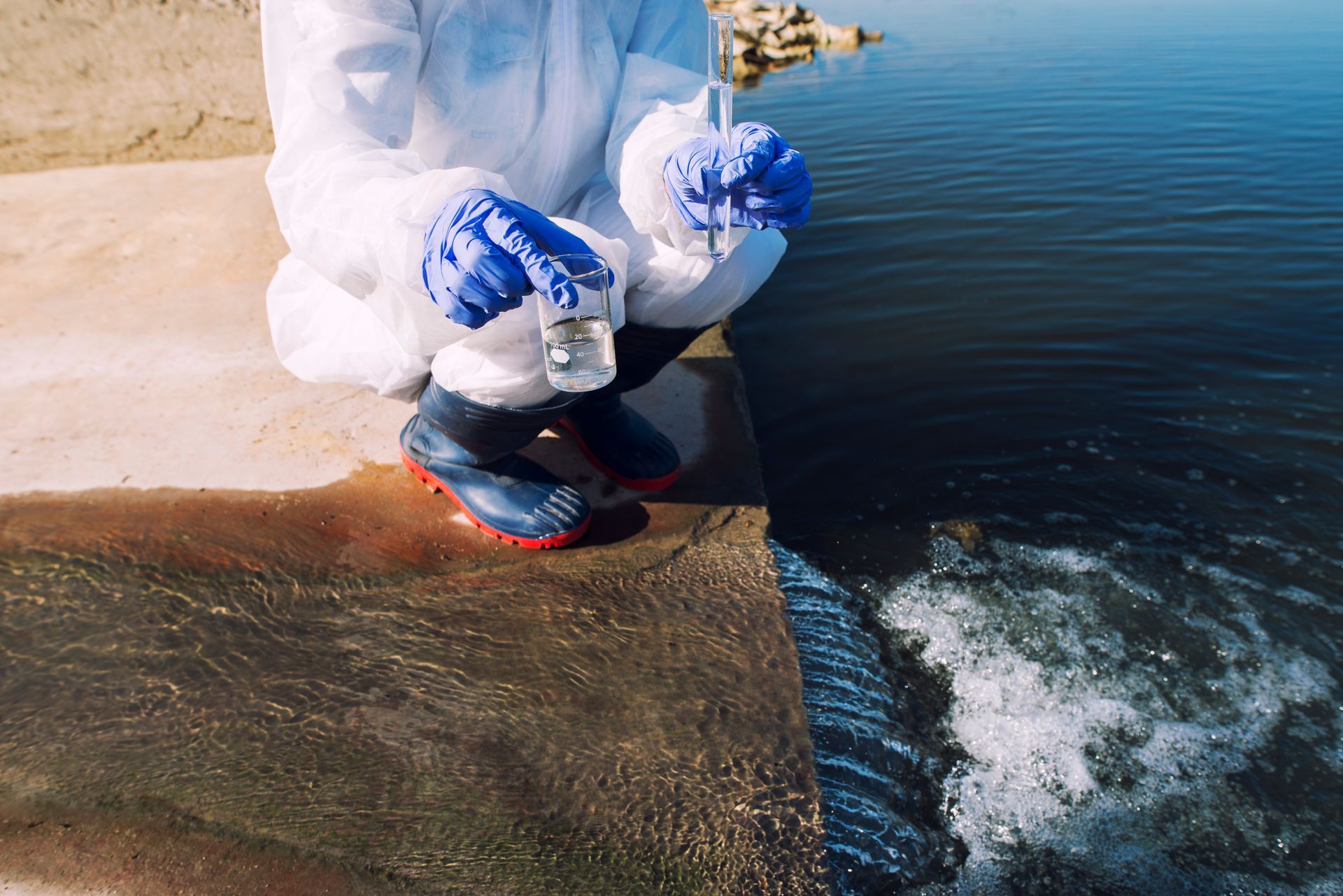
Sludge Dewatering Systems
Efficient dewatering and moisture-reduction systems for industrial sludge.
→ Featuring multi-disc screw press & low-temperature sludge dryer to reduce disposal volume, energy use, and cost while improving ESG performance
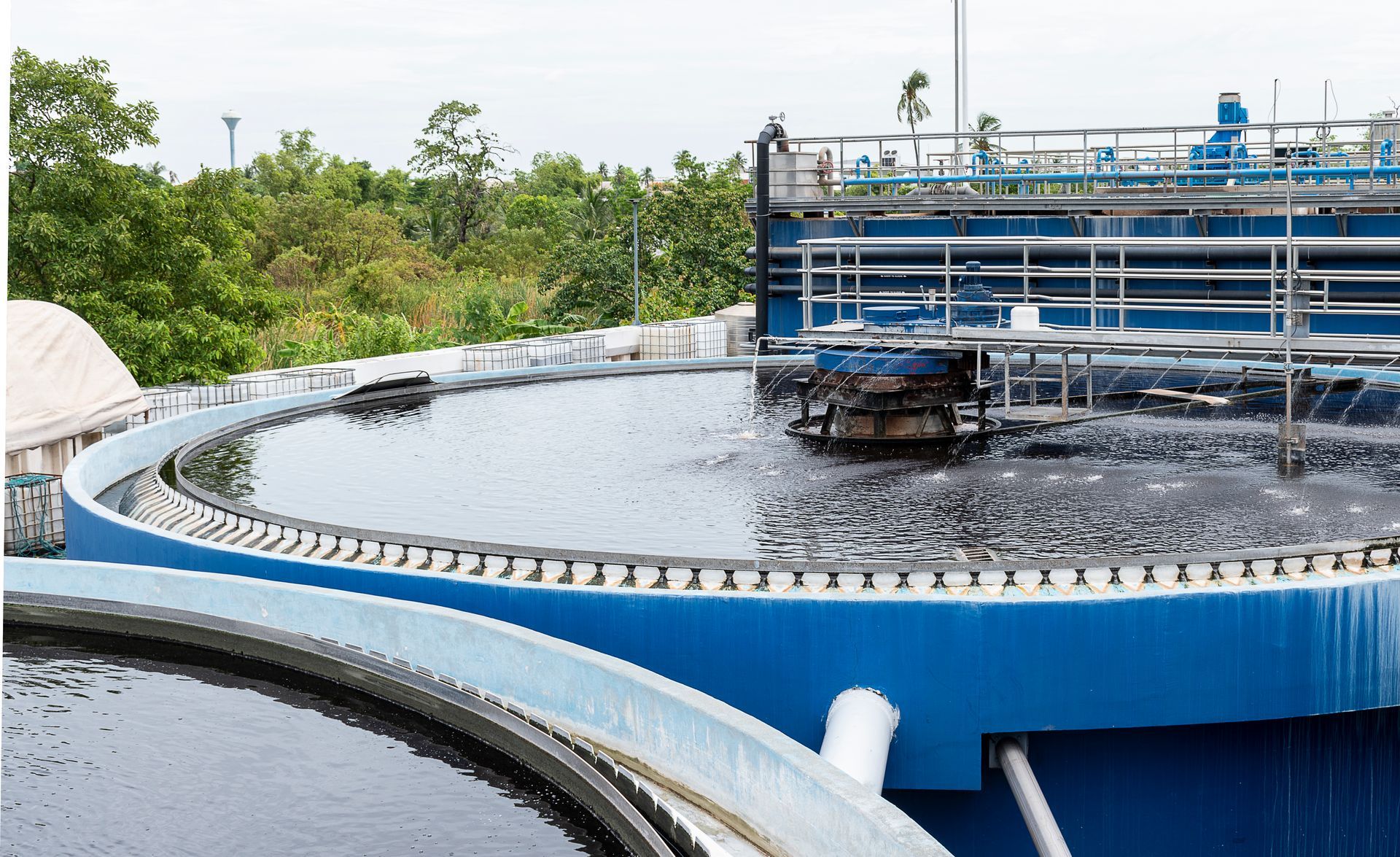
Raw Water & Process Water Treatment
Custom solutions for raw and process water clarification, filtration, and disinfection.
→ Incorporating ozone generators and oxidation systems for enhanced purification, colour removal, and microbial control.
Cheme Advance designs ozone systems that are safe, reliable, and fully integrated into the overall wastewater treatment train. Many low-cost ozone units fail due to poor injector design, insufficient safety features, or lack of automation — our systems avoid these pitfalls.
Our Key Strengths:
Industrial-grade ozone generation
Accurate oxidation design based on wastewater characterisation
Safe off-gas destruction and ventilation design
Smart controls with ORP sensors
Integration with MBR and RO polishing stages
Modular and scalable footprint
Long-term reliable operation
We design not just the ozone machine, but the complete oxidation package — ensuring proper dosing, safety, efficiency, and operational consistency.
Key Features
High Oxidation Efficiency
Ozone’s oxidation potential is higher than chlorine, peroxide, and UV.
No Chemical Storage
Ozone is generated on-site, eliminating chemical handling risks.
Fast Reaction Time
Most oxidation occurs within minutes.
Improved Colour Reduction
Significantly reduces or eliminates colour in effluent.
Odour Neutralisation
Destroys hydrogen sulphide and VOC-based odours.
Microbial Disinfection
Effective against bacteria, viruses, and resistant pathogens.
Smart Automated Control
ORP and dissolved ozone sensors regulate ozone flow and prevent overdosing.
Safe Operation
Includes leak detectors, destructors, and interlocks.
Operational Benefits
Cleaner, Clearer Effluent
Ozone reduces:
- Colour
- Odour
- Residual COD
- Organic micropollutants
Reduced Chemical Dependency
Eliminates or minimises the need for:
- Chlorine
- Peroxide
- Activated carbon
- Post-chlorination
ESG & Sustainability Gains
Chemical-free polishing supports green objectives and reduces chemical footprint.
Improved Sludge Quality
Less chemical addition means cleaner sludge with lower chemical toxins.
Stronger DOE Compliance
DOzone improves final effluent aesthetics and enhances discharge stability.
Each system is engineered for durability, ease of operation, and long-term cost efficiency.
How Ozone Fits Into a Complete IETS
This configuration ensures comprehensive water treatment and maximum contaminant removal.
Upstream:
- Equalisation tank
- Coagulation/flocculation
- DAF (if oily wastewater)
- Biological treatment (MBR or aeration)
Ozone Polishing Stage:
- Ozone injection
- Contact chamber
- Off-gas destructor
Downstream (Optional):
- RO for reuse
- Activated carbon
- UV sterilisation
Frequently Asked Questions (AEO-Optimised)
Can ozone remove colour completely?
Yes — ozone is highly effective for dye and pigment oxidation. Degree of removal depends on chemical structure and dosage.
Does ozone reduce COD?
Yes. Ozone breaks down non-biodegradable COD fragments into simpler compounds.
Is ozone safe?
Yes — when systems include proper destructors, leak monitoring, and ventilation.
Is ozone better than chlorine?
Ozone is stronger, faster, and leaves no chemical residue.
Does ozone remove bad odour?
Yes — ozone neutralises odour molecules directly.
Our Promise To The Future
We deliver solutions that perform with precision, reliability, and measurable value — designed to endure.
To Our Customers
We engage with purpose, promoting environmental awareness and social responsibility in everything we do.
To Our Community
We foster an open, fair, & progressive environment where learning and career growth are encouraged.
To Our Employees
We build sustainable growth on a foundation of trust, transparency, and transformation.
To Our Shareholders
We design and apply technology responsibly, ensuring every system brings us closer to cleaner air, cleaner water, and a sustainable tomorrow.