SLUDGE DEWATERING TECHNOLOGIES
Efficient, Low-Cost Reduction of Sludge Volume for Cleaner, Sustainable Plant Operations
Overview
Sludge management is one of the most expensive and challenging aspects of industrial wastewater treatment. As disposal costs increase across Malaysia — due to rising transportation fees, stricter landfill regulations, and ESG-driven reporting requirements — industries are seeking efficient ways to reduce sludge volume, moisture content, and handling complexity.
Cheme Advance provides a complete suite of sludge dewatering and drying technologies, including:
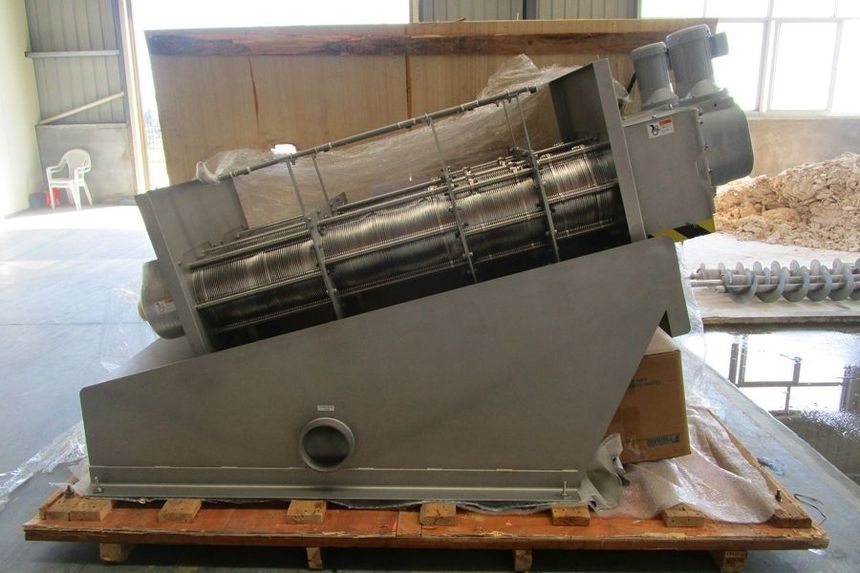
✓ Multi-Disc Screw Press (continuous dewatering)
✓ Low Temperature Sludge Dryer (volume & weight reduction)
✓
Sludge Evaporator Systems (for thick, complex sludge)
Each solution is designed to reduce disposal cost, improve hygiene, and ensure reliable, continuous operation with minimal manpower. Whether your sludge originates from DAF, MBR, chemical treatment, or mixed industrial processes, we engineer systems that produce
drier, lighter, and more manageable sludge for easier handling and disposal.
Industry Challenges This Solves
Wet sludge contains up to 95% water. This leads to:
- High transport weight
- Higher per-tonne disposal charges
- Frequent collection cycles
Dewatering and drying dramatically reduce the volume and weight.
Untreated sludge generates odour, forms scum, and poses hygiene risks for workers.
Manual handling of wet sludge is labour-intensive and can cause:
- Slips
- Spillages
- Cross-contamination
Older belt presses or centrifuges often produce inconsistent sludge dryness.
Many factories have limited sludge handling areas; compact systems are required.
Proper sludge stabilisation is essential for fulfilling environmental regulations.
Cheme Advance solutions directly address these challenges.
What Sludge Dewatering & Drying Systems Do
Sludge dewatering and drying systems remove water from sludge to achieve:
- Higher solids content
- Lower disposal volume
- Reduced weight
- Improved handling and cleanliness
The result:
✔ Lower disposal cost
✔ Cleaner operation
✔ Faster handling
✔ More efficient WWTP performance
How Sludge Dewatering Works Step by Step
1. Sludge Feeding
Concentrated sludge is pumped into the screw press.
2. Polymer Conditioning
A polymer solution is added to bind solids and accelerate water release.
3. Screw Compression
The screw rotates slowly, pushing sludge through narrowing gaps.
4. Water Separation
Free water escapes through the moving disc gaps.
5. Discharged Sludge Cake
Dewatered sludge exits as a semi-solid cake, ready for disposal or drying.
6. Filtrate Return
Clear filtrate returns to the WWTP for reprocessing.
Why Cheme Advance RO Systems Are Better
Industrial Effluent Treatment System (IETS)
Comprehensive wastewater treatment systems designed in accordance with Malaysia’s Environmental Quality Act (EQA).
→ Integrating DAF, MBR, and RO recovery technologies for stable operation, consistent discharge, and process reliability.
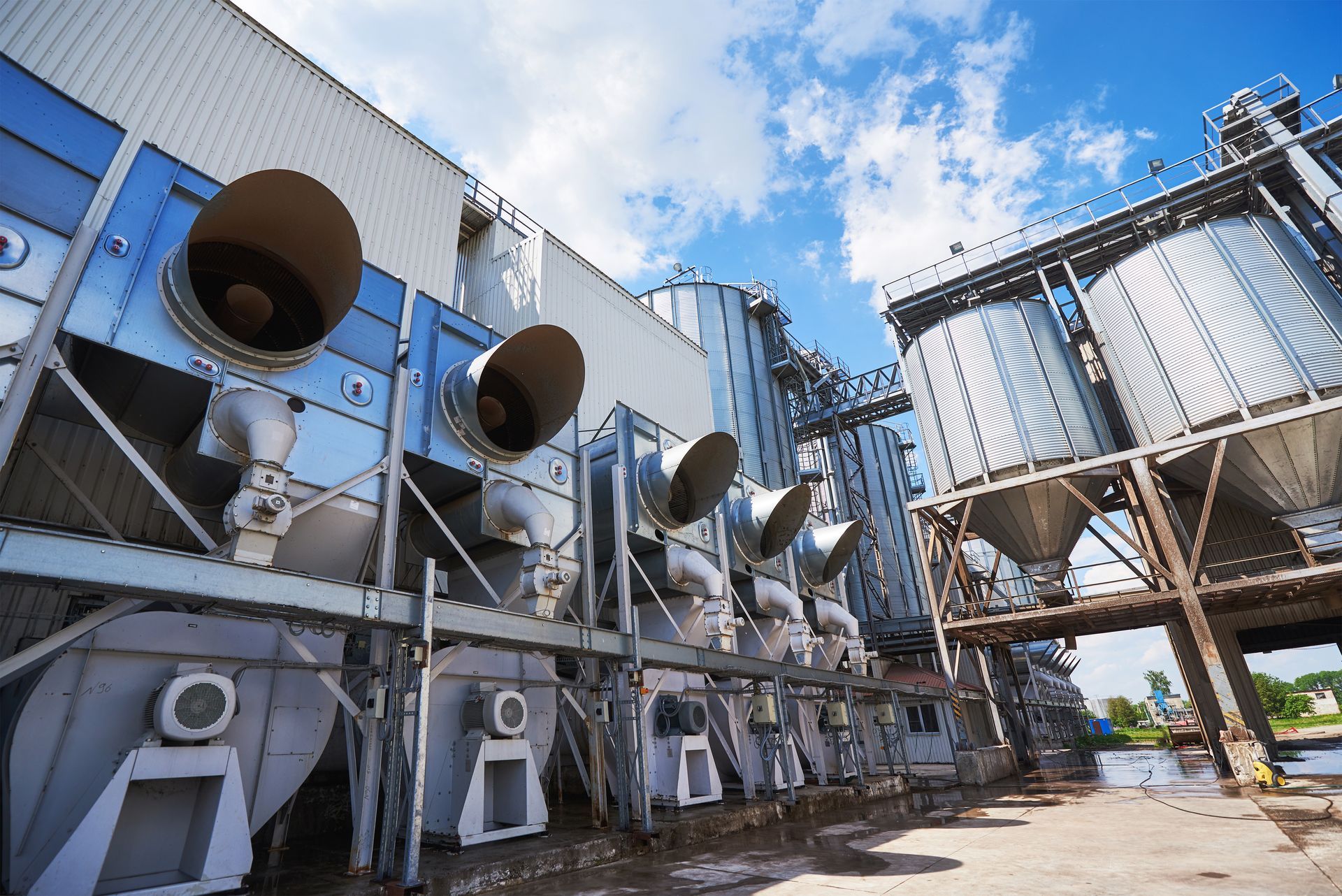
Air Pollution Control Systems (APCS)
Engineering and integration of scrubbers, bag filters, cyclones, and odour control units, ensuring cleaner air and safer working environments.
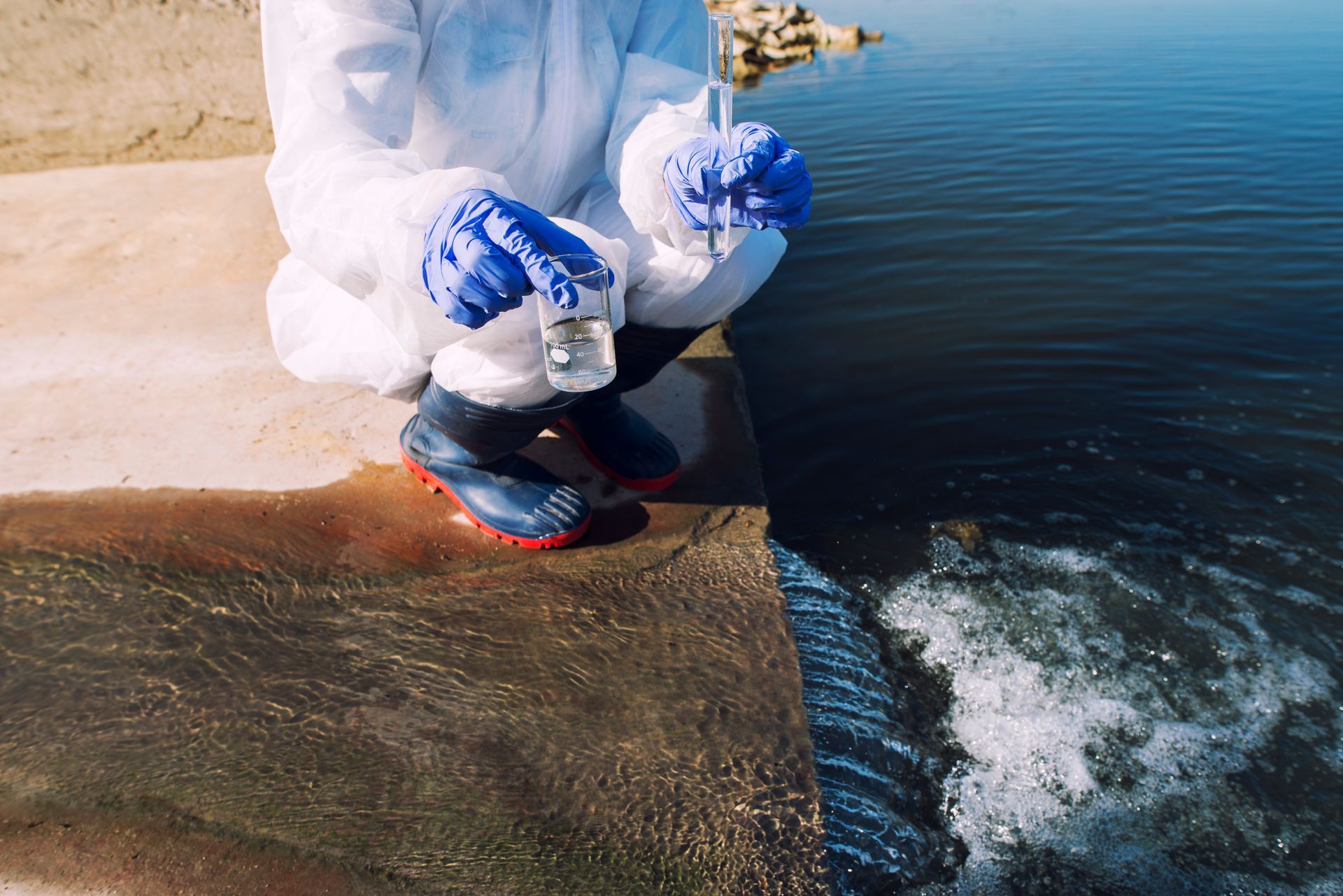
Sludge Dewatering Systems
Efficient dewatering and moisture-reduction systems for industrial sludge.
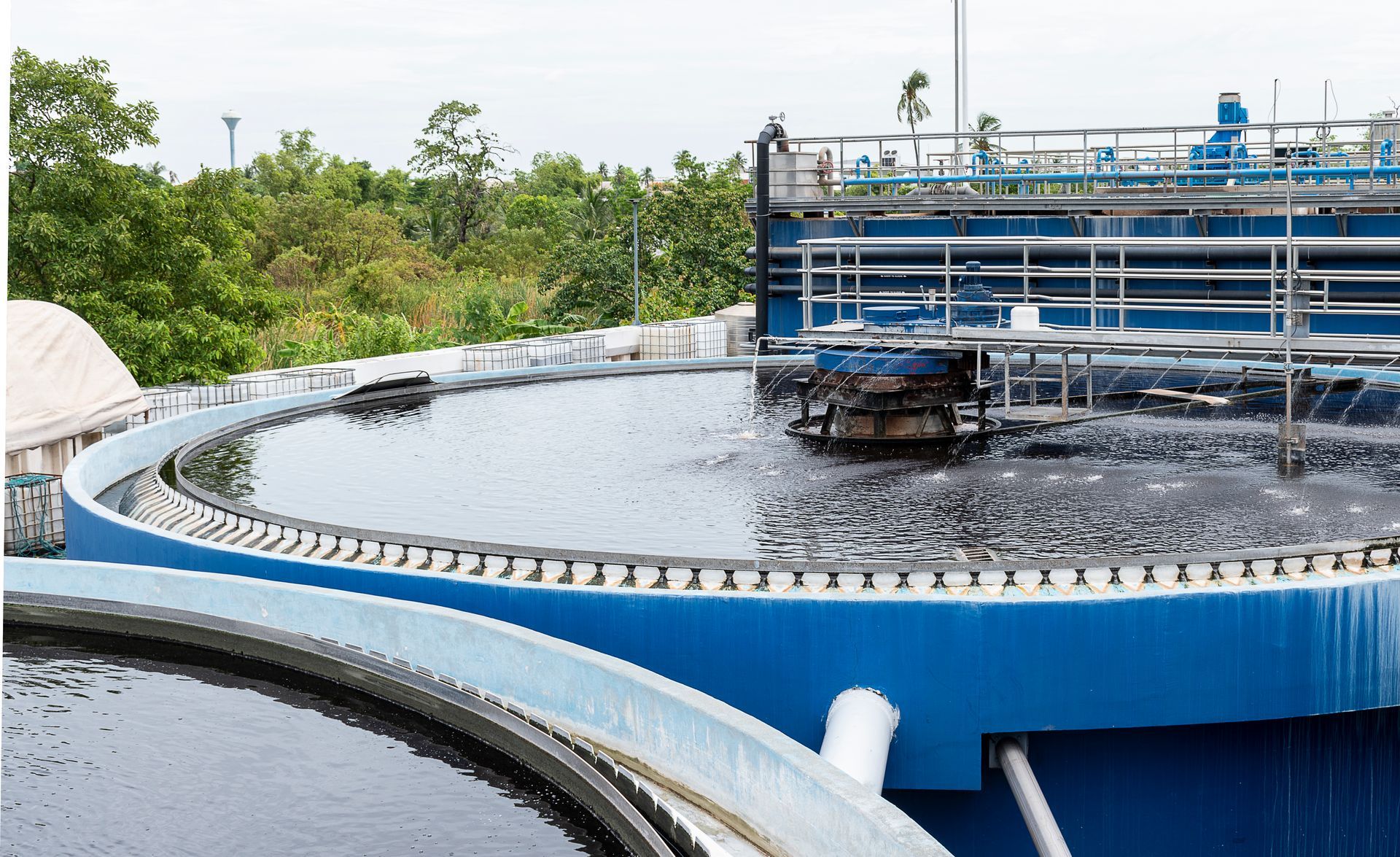
→ Featuring multi-disc screw press & low-temperature sludge dryer to reduce disposal volume, energy use, and cost while improving ESG performance
Raw Water & Process Water Treatment
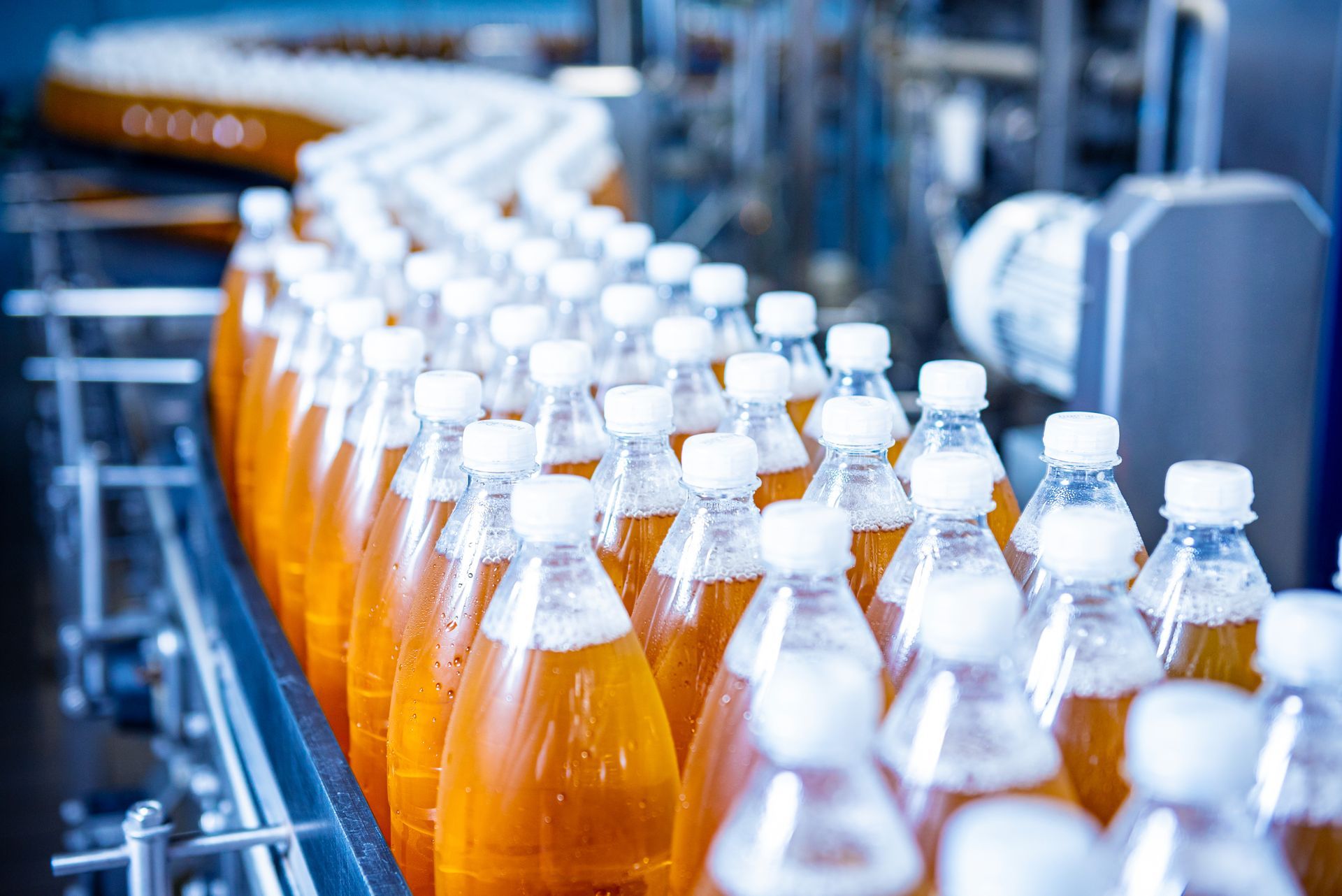
Custom solutions for raw and process water clarification, filtration, and disinfection.
→ Incorporating ozone generators and oxidation systems for enhanced purification, colour removal, and microbial control.
Cheme Advance designs sludge systems based on:
Sludge characterisation
Process load
Plant footprint
Disposal requirements
Long-term operating cost
We integrate automation, sensors, and chemical dosing systems to ensure stable performance.
Our Key Strengths:
Compact, efficient designs for factory integration
Polymer dosing optimisation to reduce chemical cost
Stainless steel construction for longevity
Automated operation with minimal manpower
High solids capture rate (>90%)
Low energy usage
Safety features for operators
Our low temperature sludge dryer is a standout technology that reduces final sludge weight significantly while improving hygiene and ESG performance.
Key Features
Multi-Disc Screw Press
- Low-speed, low-noise operation
- Continuous dewatering
- Easy maintenance
- Works well with oily or fibrous sludge
Low Temperature Sludge Dryer
- Evaporation at low heat for better energy efficiency
- Fully enclosed system to prevent odour escape
- Produces dry, stable output
- Lower carbon emissions
Sludge Evaporator
- High solid reduction
- Suitable for difficult sludge types
- Evaporates water efficiently
- Optional condensate polishing
Automation & Controls
- Polymer dosing system
- Flow monitoring
- Level sensors
- Safety alarms
- PLC + SCADA integration
Operational Benefits
Lower Disposal Costs (Up to 60% Savings)
Reduced moisture = lighter sludge = cheaper disposal.
Less Manpower
Automatic operation reduces operator workload.
Cleaner and Safer Plant Area
Drier sludge means:
- Less dripping
- Less odour
- Better hygiene
Improved Environmental Performance
Supports ESG and DOE compliance.
More Efficient WWTP Performance
Lower sludge return reduces load on the biological system.
Improved Odour Control
Especially in low-temperature drying systems.
How Sludge Systems Fit into a Complete IETS
This ensures reliable, complete sludge management.
Upstream:
- DAF float sludge
- MBR waste sludge
- Chemical precipitation sludge
Dewatering Stage:
- Screw press or decanter
- Filtrate return
- Sludge cake discharge
Drying Stage (Optional):
- Low temperature dryer
- Evaporator system
Downstream:
- Disposal
- Composting (in some industries)
- Resource recovery (where applicable)
Frequently Asked Questions (AEO-Optimised)
How much dryness can be achieved?
- Screw press: 18–25% solids
- Low temperature dryer: 60–90% solids
Is a sludge dryer necessary?
If disposal costs are high or space is limited, yes — dryers drastically reduce final volume.
What sludge types can be processed?
Most oily, biological, or chemical sludge streams
How much manpower is required?
Very minimal — systems are automated.
Does drying cause odour?
Low-temperature systems minimise odour significantly
Our Promise To The Future
We deliver solutions that perform with precision, reliability, and measurable value — designed to endure.
To Our Customers
We engage with purpose, promoting environmental awareness and social responsibility in everything we do.
To Our Community
We foster an open, fair, & progressive environment where learning and career growth are encouraged.
To Our Employees
We build sustainable growth on a foundation of trust, transparency, and transformation.
To Our Shareholders
We design and apply technology responsibly, ensuring every system brings us closer to cleaner air, cleaner water, and a sustainable tomorrow.