Benefit of Sludge Dewatering Press in Malaysia

Admin • 21 November 2025

Share this article

Benefit of Sludge Dewatering Press in Malaysia


In Malaysia, managing waste, particularly wastewater, is becoming an increasingly critical issue. With industries expanding rapidly and environmental concerns growing, the need for efficient waste management systems has never been more pressing. One essential piece of equipment in the wastewater treatment process is the sludge dewatering press. But what exactly is it, and how does it contribute to sustainability and efficiency? Let’s dive into the importance of it and why it’s becoming indispensable in Malaysia.

What is a Sludge Dewatering Press?


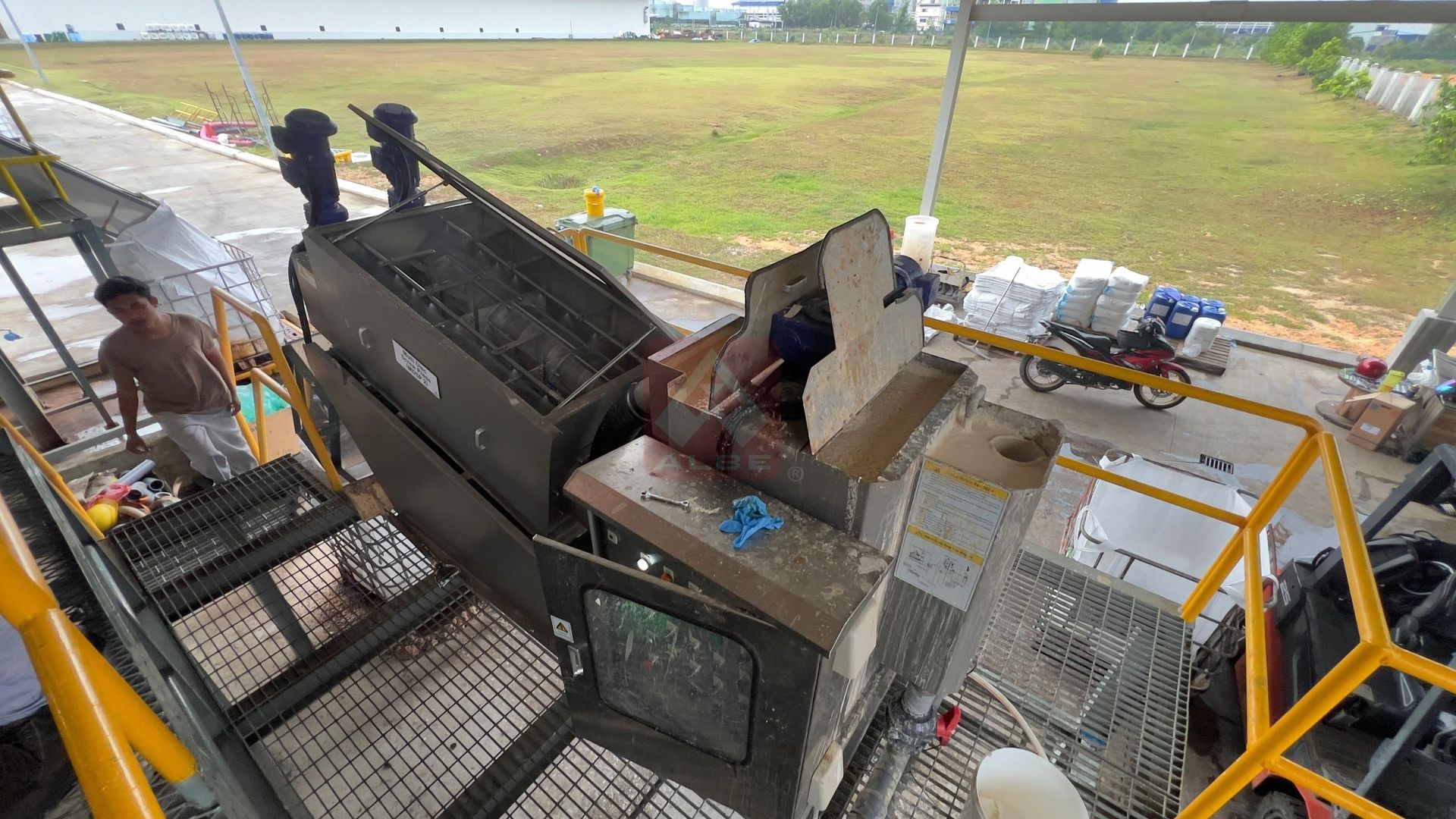
A sludge dewatering press is a mechanical device used to reduce the volume of sludge by removing water content from it. The primary goal of this process is to separate the solid waste from the liquid waste in a way that the sludge becomes more manageable for disposal or further processing. Dewatering presses are used widely across various industries, particularly in wastewater treatment plants, food processing, and chemical industries.


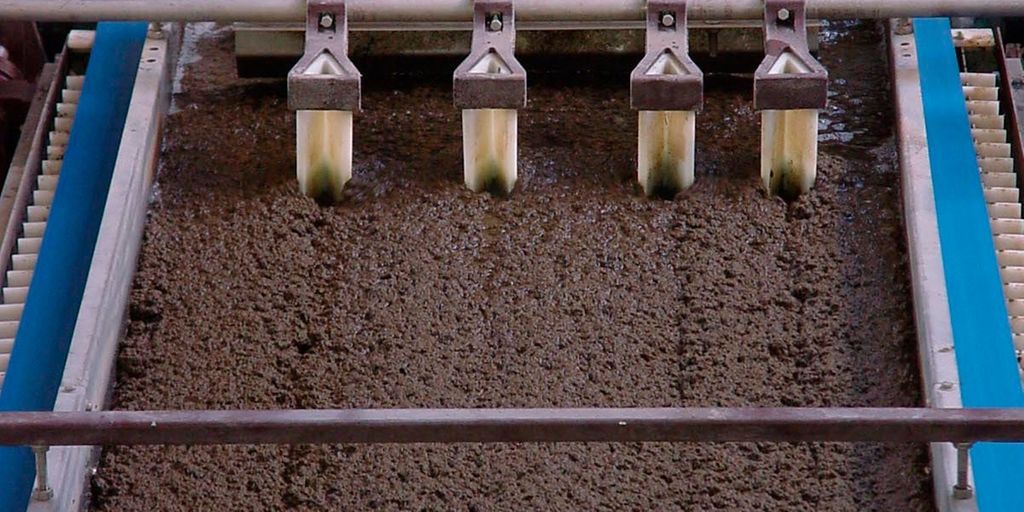
These presses work by applying mechanical force to the sludge, forcing the water out and leaving behind solid materials that are much easier to handle. The result is a dry, compacted cake that can be disposed of more efficiently, reducing the costs and environmental impact associated with waste management.

What is the Function of a Sludge Dewatering Press?


The sludge dewatering press performs a vital function in the waste treatment process. By removing excess water, it reduces the volume of the sludge, making it less costly to transport and dispose of. More importantly, this process helps to recover valuable water, which can often be recycled back into the system or used for non-potable purposes. This contributes to sustainability efforts, particularly in regions like Malaysia, where water resources are a concern.


The key functions of the dewatering press include:

  • Volume Reduction: It significantly reduces the volume of sludge, cutting down on transportation and disposal costs.
  • Improved Handling: By turning the sludge into a solid cake, it’s easier to manage and dispose of.
  • Water Recovery: The water extracted from the sludge can be reused, promoting a more sustainable water cycle.
  • Odor Control: Dewatering presses help in reducing odors by removing water, which can often be a source of foul smells.

Why is a Sludge Dewatering Press Important in Malaysia?


In Malaysia, rapid urbanization and industrialization have led to an increase in wastewater production, making it more challenging to manage and treat sludge effectively. A sludge dewatering press plays an important role in the country’s wastewater treatment infrastructure by addressing several environmental and operational challenges.


  1. Sustainability and Resource Management: As Malaysia strives to become more sustainable, industries are under increasing pressure to minimize waste and improve resource efficiency. The sludge dewatering press contributes significantly by recycling water and reducing the environmental footprint of waste disposal.
  2. Regulatory Compliance: Malaysia has stringent environmental regulations that require industries to properly manage waste, including sludge. By investing in sludge dewatering presses, industries can meet regulatory standards for waste management while minimizing the costs associated with non-compliance.
  3. Cost Efficiency: Sludge management can be expensive, especially when it comes to transportation and disposal. With the sludge dewatering press, businesses can significantly reduce these costs by reducing the volume of sludge that needs to be transported and processed.
  4. Health and Environmental Protection: Sludge can contain harmful bacteria and pathogens that pose health risks. By dewatering the sludge, the process helps in reducing health hazards and minimizing environmental contamination, aligning with Malaysia’s commitment to public health and environmental protection.


Why is a Sludge Dewatering Press Important in Malaysia?


The process of using a sludge dewatering press typically involves several key steps:


  1. Sludge Conditioning: Before the dewatering process begins, the sludge is conditioned with chemicals or polymers that help to break down the material, making it easier for the press to separate the water from the solids.
  2. Mechanical Pressure Application: The conditioned sludge is then fed into the press. The press applies mechanical pressure, typically using screws or rollers, to squeeze the water out of the sludge. The solid material that remains is known as the “cake,” while the water is collected for disposal or reuse.
  3. Solid Waste Disposal: The dry sludge cake is now ready for disposal. This can involve landfilling, incineration, or repurposing for other uses, such as fertilizers or compost.
  4. Water Recovery: The recovered water is filtered and treated before being released back into the system or used for non-potable applications.


This process helps in producing a solid waste by-product that is manageable, while also recovering a valuable resource in the form of water.


What are the Equipment Used in Sludge Dewatering Press?


The equipment used in a sludge dewatering press varies depending on the type of press being used. Here are the most common components:


  1. Filter Plates: In filter press systems, filter plates are used to separate the sludge from the water. The plates are stacked together, and the sludge is pumped into the spaces between them. The plates press together to release the water.
  2. Screw Press: A screw press system uses a rotating screw to apply pressure to the sludge, forcing the water out and compressing the sludge into a solid cake.
  3. Belt Press: The belt press uses two or more large belts to press the sludge between them. The sludge is fed onto the top belt and moves through rollers, where the water is squeezed out.
  4. Centrifuges: These machines use high-speed rotating motion to separate the solid particles from the water in the sludge, with the solid matter collecting in the center and the water being expelled from the edges.


Each of these systems has its own advantages and can be selected based on factors such as the volume of sludge, the type of sludge, and the intended use of the recovered water.


Conclusion


The sludge dewatering press is a crucial piece of equipment in Malaysia’s wastewater management industry. It offers numerous benefits, from reducing waste volume and lowering disposal costs to promoting water recovery and supporting sustainability efforts. As industries continue to grow, the importance of this equipment will only increase.


For businesses in Malaysia looking to enhance their waste management processes and stay ahead in the push for sustainability, investing in a sludge dewatering press is a smart choice. If you’re looking to purchase a high-quality dewatering press or require expert guidance, ALBE ADVANCE GROUP is the ideal partner. Our years of experience and commitment to delivering top-notch solutions ensure that you’ll receive reliable, efficient, and cost-effective systems tailored to your needs. Explore our services today and see how we can help streamline your waste management process.

Recent Posts

by Admin 21 November 2025
Industrial effluent treatment systems constitute a fundamental component of sustainable industrial operations, ensuring that wastewater generated from manufacturing processes undergoes proper treatment before discharge. These systems are designed to eliminate hazardous contaminants, thereby safeguarding both environmen