
Innovative Industrial Effluent Treatment Systems: Enhancing Sustainability in Malaysia
Industrial effluent treatment systems constitute a fundamental component of sustainable industrial operations, ensuring that wastewater generated from manufacturing processes undergoes proper treatment before discharge. These systems are designed to eliminate hazardous contaminants, thereby safeguarding both environmental and public health. With increasing global emphasis on sustainability, industries are compelled to adopt innovative wastewater treatment solutions that not only meet regulatory standards but also contribute to resource conservation and circular economy principles.
Malaysia, as an emerging industrial hub, faces critical challenges in managing industrial wastewater. This article examines the prevailing issues in industrial effluent management, explores advancements in treatment technologies, and highlights successful case studies demonstrating their implementation in Malaysia. By integrating sophisticated wastewater treatment solutions, industries can achieve sustainability objectives, maintain regulatory compliance, and enhance operational efficiency while mitigating ecological harm.
Current Challenges in Industrial Effluent Management
Common Issues in Industrial Effluent Discharge
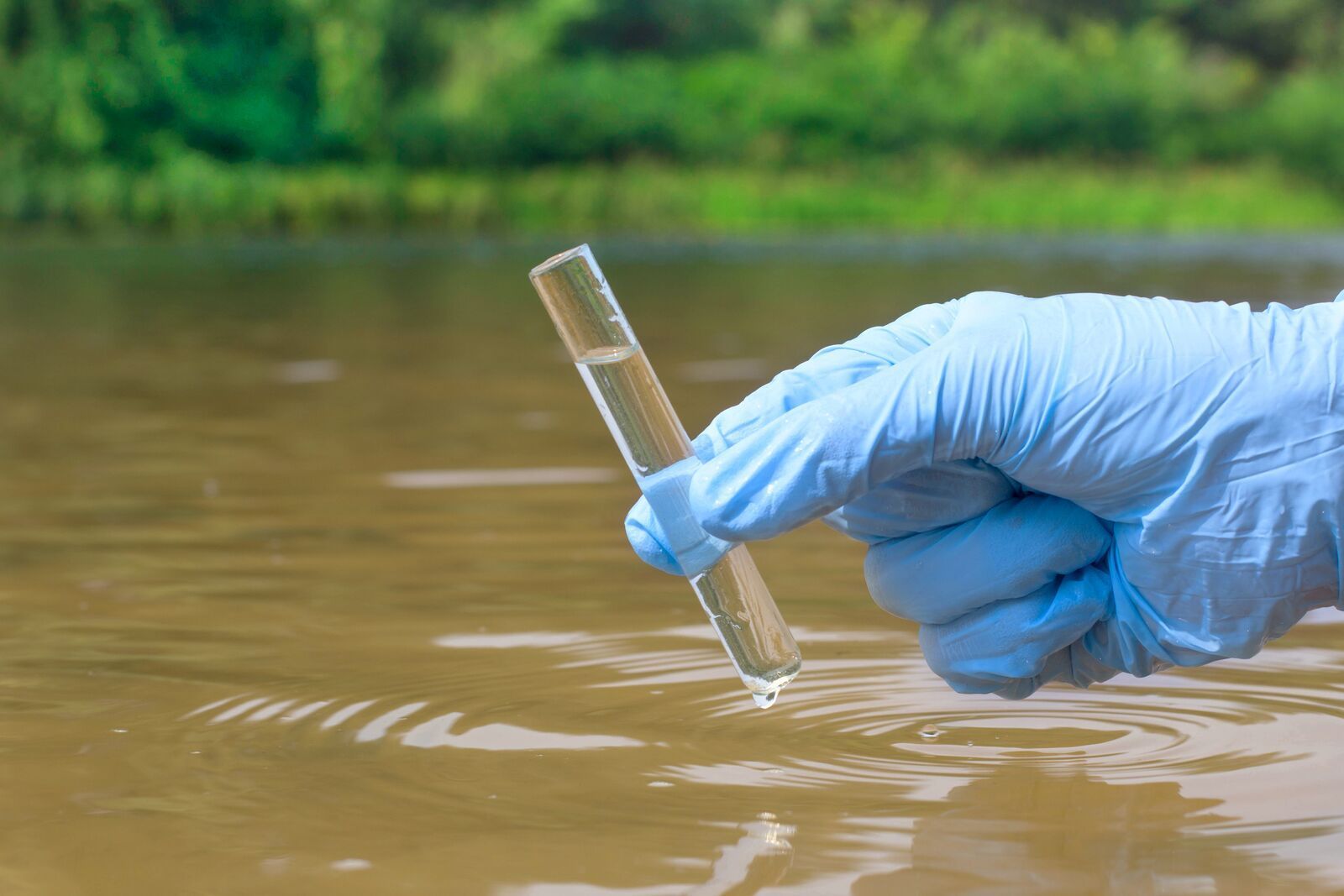
The industrial sector in Malaysia generates significant volumes of wastewater laden with heavy metals, toxic chemicals, and complex organic pollutants. If improperly treated, these effluents pose severe risks to aquatic ecosystems and human populations through contamination of water bodies and bioaccumulation in the food chain (Ahmad et al., 2021).
Regulatory Pressures anda Environmental Compliance
Malaysia enforces stringent environmental regulations, including the Environmental Quality Act 1974 and the Industrial Effluent Regulations 2009, under the jurisdiction of the Department of Environment (DOE). Industries that fail to adhere to these legal frameworks may face financial penalties, legal action, or operational restrictions (DOE Malaysia, 2023).
Impact of Untreated Effluent on the Environment and Public Health
Untreated industrial effluent exacerbates water pollution, reduces biodiversity, and leads to adverse health outcomes. Toxic contaminants such as heavy metals and persistent organic pollutants accumulate within aquatic organisms, subsequently entering the human food chain and increasing the prevalence of diseases associated with long-term exposure (World Health Organization [WHO], 2022).

Our Innovative Wastewater Treatment Technologies
To address these challenges, Cheme Advance help our clients and partners by using these industrial wastewater treatment technologies that enhance process efficiency and environmental sustainability.
Notable innovations include:

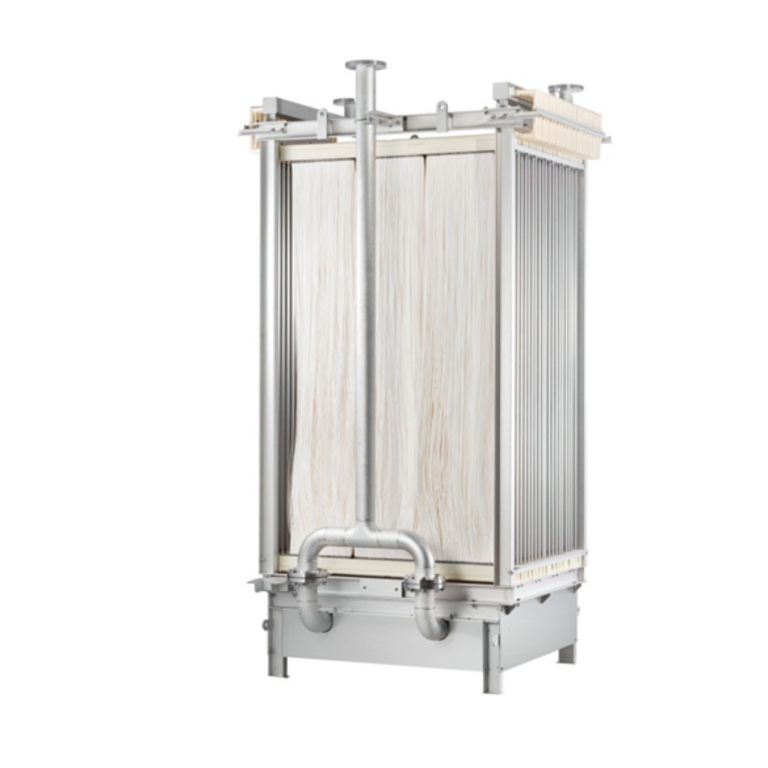
1. Membrane Bioreactors (MBR)
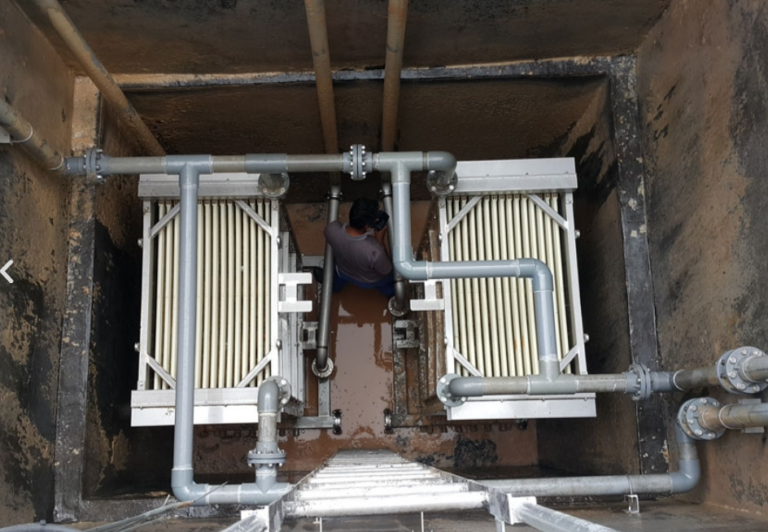
Membrane bioreactor technology integrates biological treatment with membrane filtration, enabling superior pollutant removal. This technology offers multiple advantages, including higher effluent quality, compact system design, and reduced sludge production, making it a preferable alternative to conventional methods (Ng et al., 2022).

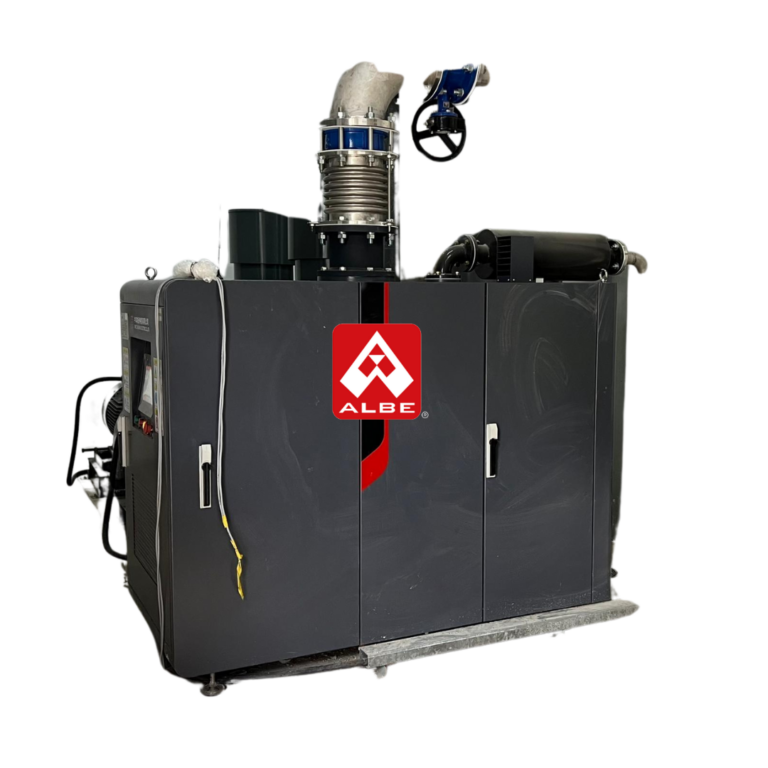
2. Turbo Blower Technology
Membrane bioreactor technology integrates biological treatment with membrane filtration, enabling superior pollutant removal. This technology offers multiple advantages, including higher effluent quality, compact system design, and reduced sludge production, making it a preferable alternative to conventional methods (Ng et al., 2022).

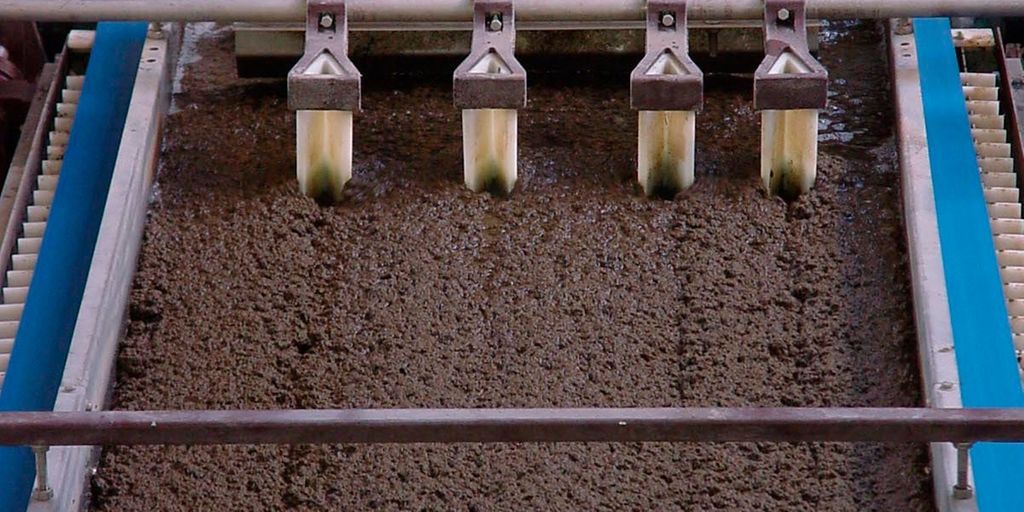
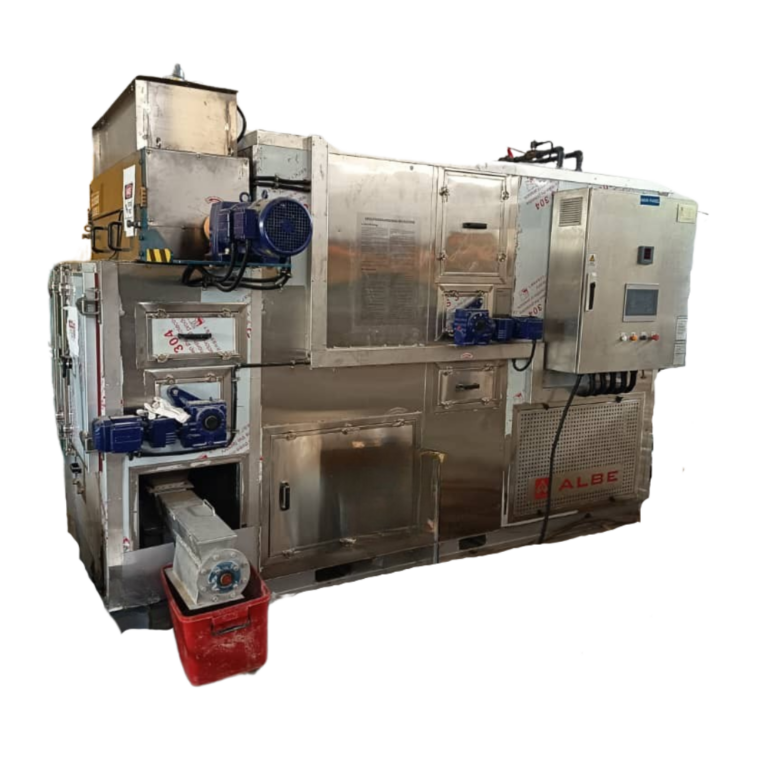
3. Low-Temperature Sludge Dryer
Low-temperature sludge dryers dewater and dry sludge at lower heat levels, preserving energy and reducing emissions. Key benefits include:
- Minimized volume of waste sludge for disposal.
- Reduced odor and pathogen content in dried sludge.
Case Studies of Successful Implementations by Cheme Advance Services

Project Information:
Industry : Food (Chili Sauce) Manufacturer
Location : Klang, Selangor
Capacity : 730m3/day Wastewater Treatment Plant
Project Period : 2013
Scope of Work : Design, Fabricate, Deliver,Construction & Installation, Testing & Commissioning, Notification to DOE
Innovative Technology : Membrane Bioreactor(MBR)

Project Information:
Industry : Dairy Products Manufacturer
Location : Kuala Langat, Selangor
Capacity : 40m3/hr Wastewater Treatment Plant
Project Period : December 2014 – March 2014
Scope of Work : Design, Fabricate, Deliver, Construction & Installation, Testing & Commissioning, Notification to DOE
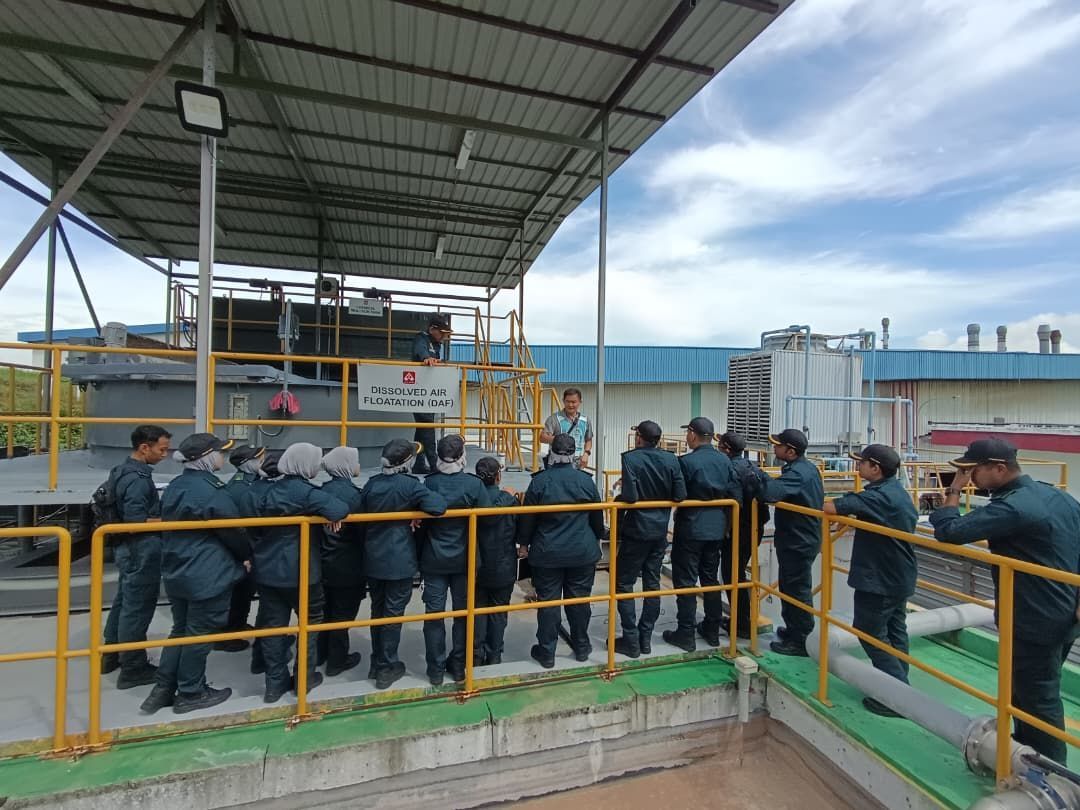
Innovative Technology : Circular DAF, Membrane Bioreactor (MBR) & Volute Dewatering Screw Press
Advantages of Adopting Innovative Industrial Effluent Treatment Systems
The integration of cutting-edge effluent treatment solutions offers multiple advantages:
- Enhanced Sustainability: Advanced treatment methodologies minimize pollution and optimize water conservation efforts.
- Economic Efficiency: Implementation of modern technologies reduces operational expenditures and promotes resource efficiency.
- Regulatory Compliance: Proactive adoption of innovative treatment systems ensures industries meet Malaysia’s stringent environmental policies.
- Corporate Social Responsibility (CSR) : Sustainable industrial practices bolster corporate reputation, fostering consumer and stakeholder confidence (Tan & Wong, 2023).
Why Choose ALBE ADVANCE GROUP for Industrial Effluent Treatment System in Malaysia
When it comes to selecting a partner for your industrial effluent treatment system (IETS) needs in Malaysia, ALBE ADVANCE GROUP stands out as a trusted and experienced wastewater treatment company in Malaysia. Here’s why:
Comprehensive Expertise in Industrial Effluent Treatment
With decades of experience, ALBE ADVANCE GROUP offers a full spectrum of water treatment services, including industrial effluent treatment systems. Our expertise spans various sectors such as food and beverage, semiconductor, chemical processing, and heavy manufacturing, ensuring tailored solutions that meet industry-specific requirements.
Innovative and Cost-Effective Solutions
ALBE ADVANCE GROUP integrates cutting-edge technologies like enzyme-based treatments, membrane bioreactors, and dissolved air flotation (DAF) systems to provide efficient and sustainable effluent treatment solutions. Our approach focuses on reducing operational costs while ensuring compliance with environmental standards.
Commitment to Environmental Compliance
Understanding the importance of adhering to Malaysia’s Environmental Quality Act 1974 and the Zero Discharge Policy (ZDP) in Selangor, ALBE ADVANCE GROUP designs industrial effluent treatment systems that help clients meet regulatory requirements, minimizing the risk of fines and demonstrating a commitment to environmental stewardship.
Tailored Solutions for Diverse Industries
Recognizing that each industry has unique effluent characteristics, ALBE ADVANCE GROUP customizes our industrial effluent treatment systems to address specific challenges. Whether it’s managing high organic loads in food processing or handling complex chemical effluents, our solutions are designed to optimize treatment efficiency and resource recovery.
End-to-End Services and Support
From initial assessment and system design to installation, commissioning, and ongoing maintenance, ALBE ADVANCE GROUP provides comprehensive support throughout the lifecycle of your industrial effluent treatment system. Our commitment to customer satisfaction ensures that your system operates efficiently and remains compliant with evolving regulations.
Conclusion
Innovative industrial effluent treatment technologies are indispensable for sustainable industrial development in Malaysia. By embracing MBR, Turbo Blower, and Low-Temperature Sludge dryer technologies, industries can significantly mitigate environmental impact, ensure compliance with evolving regulations, and improve operational resilience.
As regulatory frameworks become more rigorous, it is imperative for industries to proactively invest in state-of-the-art wastewater treatment solutions. These strategic investments not only align with environmental sustainability goals but also reinforce corporate commitment to responsible industrial practices.
How is your industry addressing wastewater management challenges? If you are facing challenges with your industrial effluent systems feel free to contact us now!

Reference
- Ahmad, T., Hamid, S. B. A., & Rahim, A. A. (2021). Industrial wastewater management: Challenges and opportunities. Journal of Water Research, 45(3), 456-472.
- Chong, Y. H., & Lee, K. S. (2023). Energy-efficient aeration systems in wastewater treatment. Environmental Management Journal, 12(2), 123-139.
- Department of Environment Malaysia. (2023). Industrial effluent management regulations. https://www.doe.gov.my
- Halim, R., Kamaruddin, M. F., & Jamil, M. H. (2021). Sustainable wastewater treatment in the palm oil industry. Sustainable Technologies Review, 8(4), 89-102.
- Ng, W. J., Lim, S. F., & Tan, J. P. (2022). Membrane bioreactor technology for industrial wastewater treatment. Water and Environment Journal, 16(3), 234-250.
- Rahman, N. A., Ismail, H., & Fauzi, S. N. (2022). Chemical processing and wastewater treatment innovations. Industrial Chemistry Journal, 10(3), 178-195.
- Tan, E. C., & Wong, H. Y. (2023). Environmental compliance and corporate responsibility in Malaysia. Sustainability and Business Ethics Review, 14(2), 98-121.
- World Health Organization. (2022). Water pollution and its impact on public health. https://www.who.int
Recent Posts