


DOE Inspection Malaysia: Wastewater Compliance Records and Checklist
What Should Factories Prepare for a DOE Inspection?

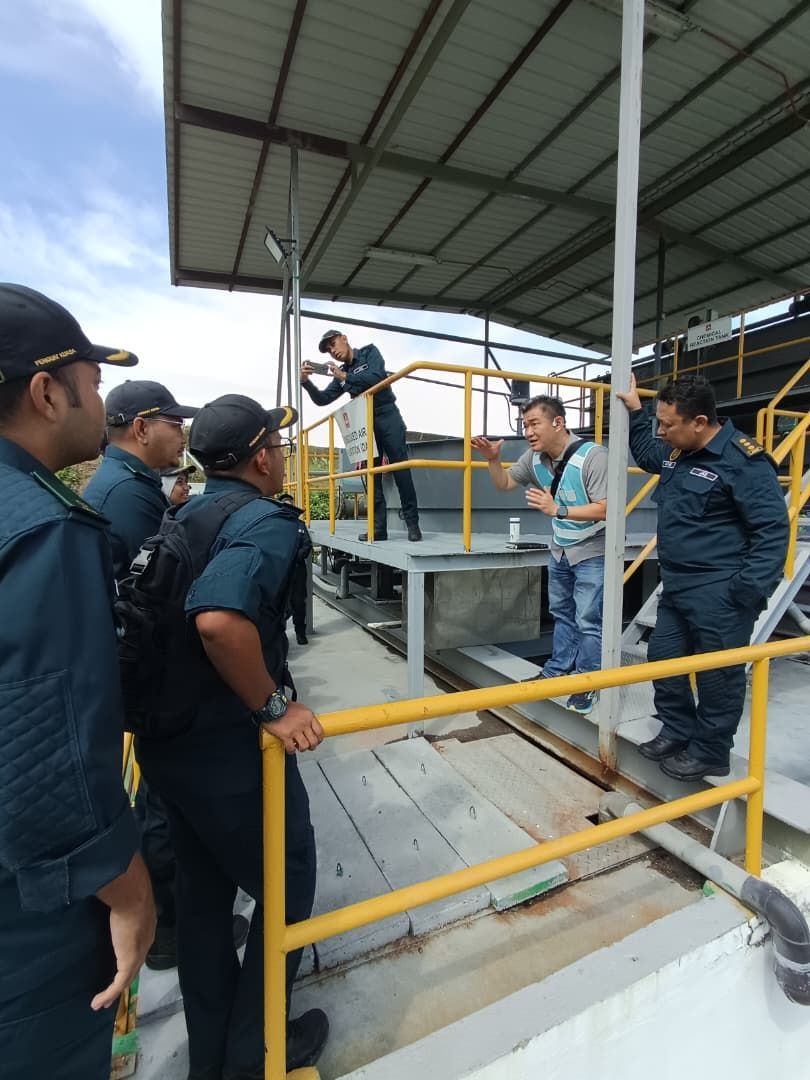
Preparing for a Department of Environment (DOE) inspection involves more than ensuring that the Industrial Effluent Treatment System (IETS) is operating properly. Factories should also maintain relevant monitoring records, laboratory reports, maintenance logs, operator records, and environmental documentation. .. Well-organised documentation demonstrates that environmental compliance is embedded in daily operations rather than prepared only when an inspection is expected.
Why Documentation Matters During a DOE Inspection
Compliance. Traceability. Operational control.
A well-maintained Industrial Effluent Treatment System is important, but regulators also expect evidence that the system has been operated, monitored, and maintained consistently.
Complete records allow inspectors to understand:
- How the plant is operated
- Whether performance is monitored regularly
- How issues are identified and corrected
- Whether maintenance is performed
- Whether environmental obligations are being met
Well-organised documentation also makes inspections more efficient and reduces unnecessary delays.
DOE Wastewater Inspection Checklist
The following checklist covers documents commonly maintained by industrial facilities. Actual requirements may vary depending on the nature of the facility, applicable licences, approvals, and regulatory obligations.
Examples
Category
Plant Monitoring Logs
Laboratory Records
Equipment Maintenance
Calibration Records
Chemical Inventory
Operator Records
Scheduled Waste Records
Environmental Permits
COD, BOD, TSS, NH₃-N, O&G, pH analysis
Flow rate, DO, MLSS, SV30, chemical consumption
Pumps, blowers, DAF, dosing systems, instruments
pH meters, flow meters, online instruments
Coagulants, polymers, acids, alkalis
SOPs, training, competency records
SW Codes, inventories, manifests (where applicable)
Relevant approvals, licences and supporting documents
Daily Operational Records

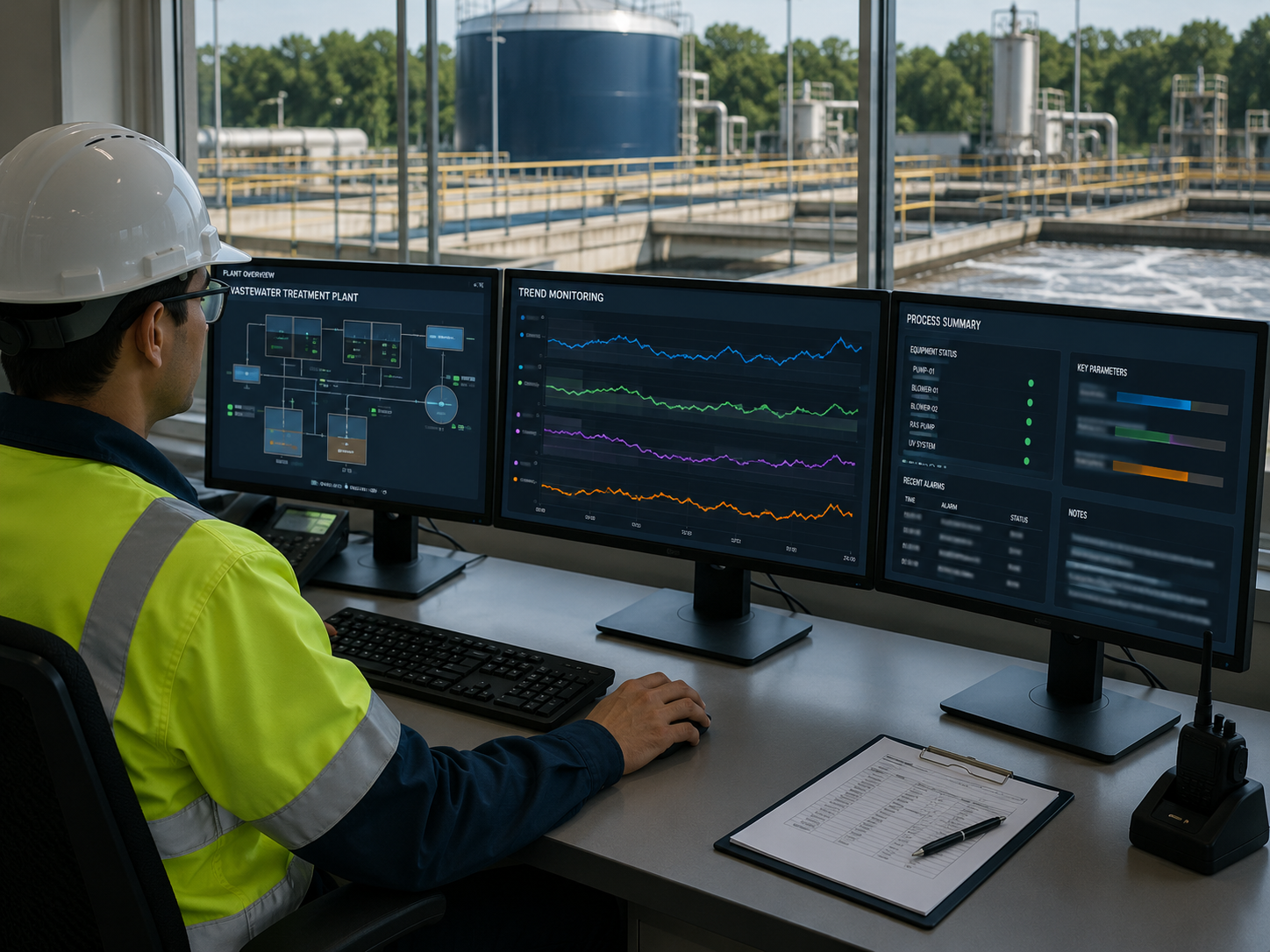
Consistent monitoring is one of the strongest indicators of a well-managed wastewater treatment plant.
Daily records commonly include:
- Influent flow
- Effluent flow
- pH
- COD
- Dissolved Oxygen
- MLSS
- Sludge wasting
- Chemical dosage
- Pump operation
- Blower runtime
These records help identify trends before they develop into compliance issues.
Equipment Maintenance Records
Equipment failures are among the most common causes of wastewater treatment performance problems.
Maintenance records should demonstrate that critical assets are inspected regularly.
Examples include:
- Blowers
- Pumps
- DAF systems
- Mixers
- Aerators
- Chemical dosing pumps
- Sensors and instrumentation
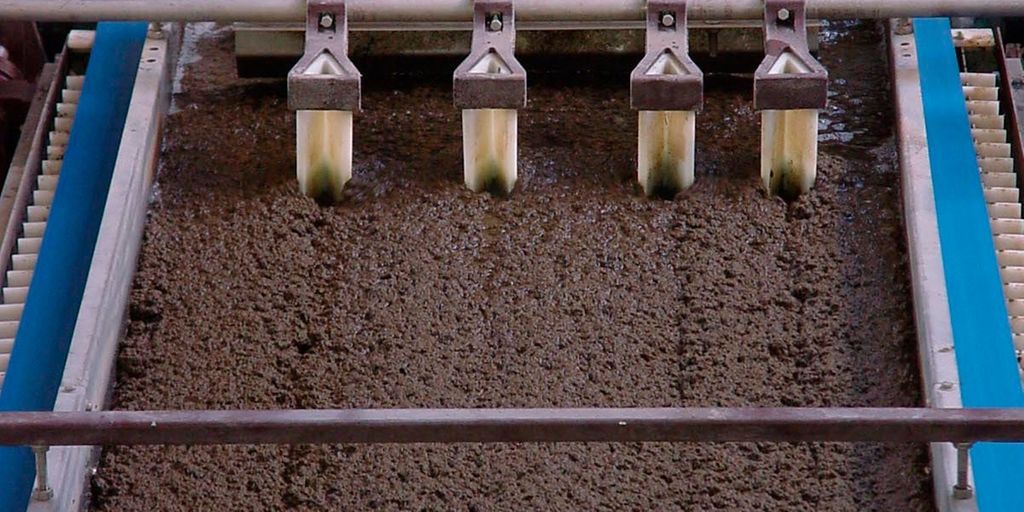
- Sludge dewatering equipment
Maintaining preventive maintenance records also supports root cause investigations if operational issues occur.
Related Reading: Why Some Wastewater Treatment Plants Remain Stable for Years While Others Constantly Need Troubleshooting.
Laboratory Reports
Laboratory results provide objective evidence of treatment performance.
Common parameters include:
- pH
- COD
- BOD
- TSS
- Oil & Grease
- NH₃-N
- Heavy metals (where applicable)
Trend analysis is often more valuable than reviewing individual results in isolation.

Scheduled Waste Documentation
Facilities generating scheduled waste should maintain organised records such as:
- Waste inventories
- SW Code classifications
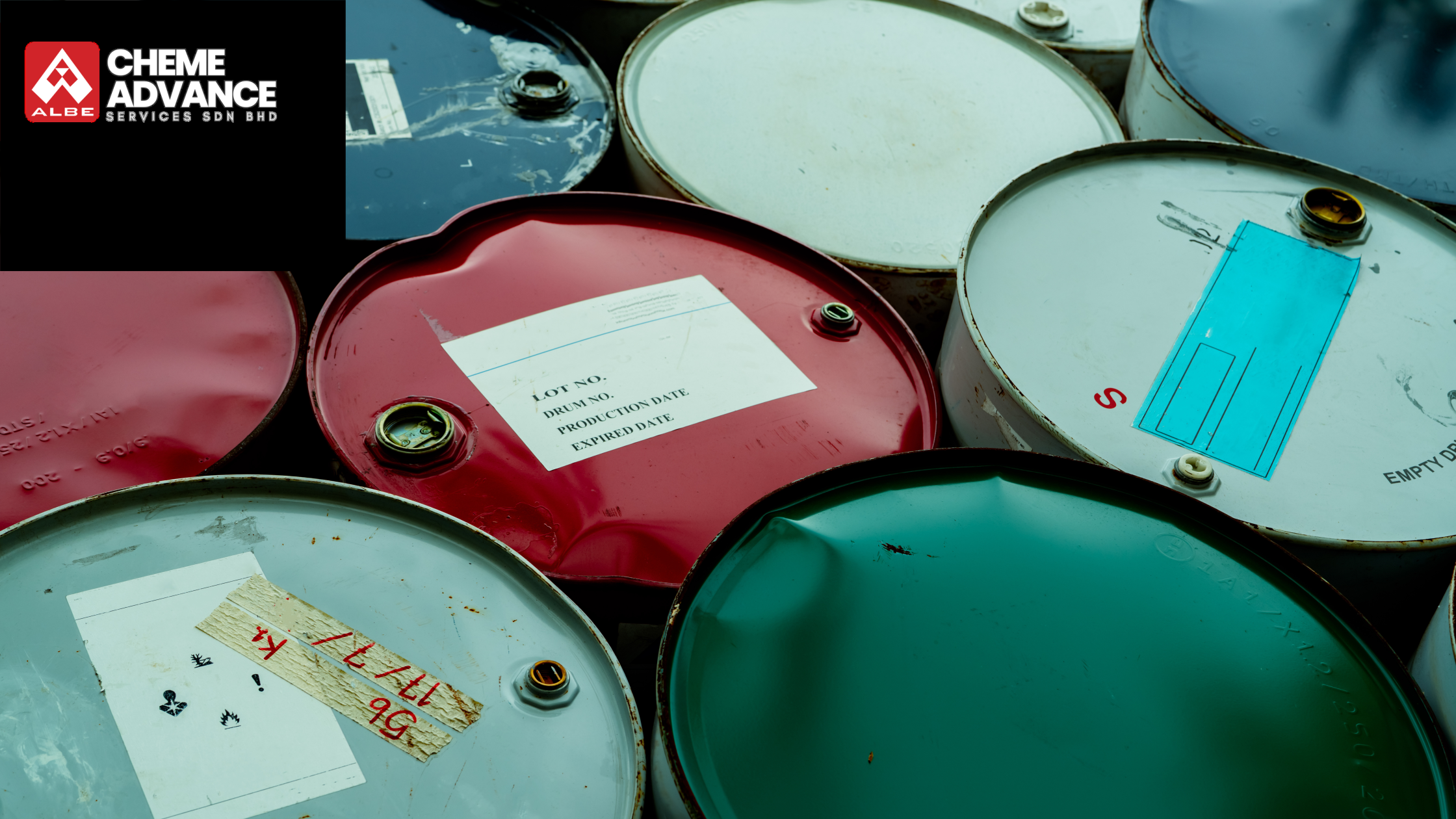
- Container labels
- Collection schedules
- Consignment documentation (where applicable)
Proper record keeping supports environmental compliance and improves traceability.
Related Reading: Scheduled Waste Malaysia: A Complete Guide to SW Code Management for Factories.
Common Documentation Gaps
Technical audits often identify recurring issues such as:
- Missing monitoring records
- Incomplete maintenance logs
- Irregular laboratory testing
- Outdated SOPs
- Missing calibration certificates
- Poor document organisation
- Lack of historical trend analysis
Most of these issues can be addressed through routine document reviews.
Practical Tip
Factories should maintain accurate environmental and wastewater records throughout the year rather than organising documents only when a DOE inspection is expected.
Consistent record keeping helps make inspection preparation more efficient and allows plant teams to identify missing documents, monitoring gaps, and operational issues earlier.
Final Thoughts
A successful DOE inspection is rarely the result of last-minute preparation. It reflects consistent environmental management, disciplined record keeping, and a wastewater treatment system that is monitored and maintained every day.
Well-organised documentation not only supports regulatory compliance but also improves operational decision-making, troubleshooting, and long-term treatment performance.
Need Help Preparing for a DOE Inspection?
Cheme Advance Services Sdn. Bhd. supports manufacturers across Malaysia with practical engineering services that strengthen environmental compliance, including:
- Industrial Effluent Treatment System (IETS) audits
- Compliance readiness assessments
- Wastewater treatment troubleshooting
- Operation & Maintenance (O&M)
- Process optimisation
- Operator guidance and technical training
- Environmental documentation support
Book a Wastewater Compliance Audit
If your facility is preparing for a DOE inspection or would like an independent review of its wastewater treatment system and compliance records, our technical team can help identify gaps before they become operational or regulatory issues.
Frequently Asked Questions
What documents should be available during a DOE inspection?
Factories should maintain wastewater monitoring records, laboratory reports, equipment maintenance logs, calibration certificates, operator records, chemical inventories, scheduled waste documentation (where applicable), and relevant environmental approvals.
Does DOE inspect maintenance records?
Maintenance documentation is commonly reviewed as part of assessing whether environmental control systems are being operated and maintained effectively.
Why are monitoring records important?
Monitoring records demonstrate that treatment performance is reviewed regularly and that process changes can be identified and managed proactively.
How often should compliance records be reviewed?
Most facilities benefit from monthly internal reviews and an annual technical audit to ensure documentation remains complete and current.
About Author

Jones
Marketing Engineer | Cheme Advance Services Sdn. Bhd.
Jones is a Marketing Engineer at Cheme Advance Services Sdn. Bhd. and holds a Bachelor of Mechanical Engineering (Honours) from Monash University Malaysia. Drawing on over five years of experience in environmental engineering and working closely with Cheme Advance's technical specialists, he develops technically reviewed content on industrial wastewater treatment, plant optimisation, and environmental compliance.