
Standard A vs Standard B Malaysia: Effluent Limits and Compliance

jones chee • 7 August 2026

Share this article

What Is the Difference Between Standard A and Standard B?

Malaysia's Environmental Quality (Industrial Effluent) Regulations 2009 classify industrial wastewater discharge into Standard A and Standard B. Standard A has stricter limits for many regulated parameters and generally applies to inland waters within the catchment areas specified in the Sixth Schedule , while Standard B applies to other designated receiving waters with comparatively less stringent limits. The applicable standard depends on the discharge location and conditions specified by the Department of Environment (DOE) Malaysia.


Standard A vs Standard B at a Glance

Feature

Standard A

Standard B

Discharge Waters

More stringent

Less stringent

More environmentally sensitive

Receiving Waters

Other designated receiving waters

Treatment Requirement

Higher treatment performance

Effective treatment still required

Operational Cost

Compliance Risk

More critical

Higher if poorly managed

Still requires consistent operation

Still legally enforceable

Important: Standard B should not be viewed as an "easy" standard. Both standards require a properly designed and well-operated Industrial Effluent Treatment System (IETS).


Why Are There Two Standards?

Environmental protection. Risk management. Sustainable development.


Different receiving water bodies have different environmental sensitivities.


For this reason, Malaysia uses two discharge standards to ensure wastewater treatment requirements are appropriate for the receiving environment while protecting public water resources.

Standard A


Designed for More Sensitive Receiving Waters


Facilities subject to Standard A generally require:

  • Higher treatment efficiency
  • Better biological stability
  • Improved solids separation
  • More robust process monitoring
  • Greater operational consistency


Treatment systems often require tighter process control to maintain reliable compliance.


Standard B


Effective Treatment Is Still Essential


Although Standard B allows comparatively higher discharge limits than Standard A, compliance still requires:

  • Stable biological treatment
  • Proper chemical dosing
  • Routine monitoring
  • Preventive maintenance
  • Operator competency

Many Standard B compliance failures occur because operational practices deteriorate rather than because the treatment technology is inadequate.


Does Standard A Require Different Technology?

Not necessarily.


There is no technology that is exclusively "Standard A" or "Standard B."


Instead, compliance depends on:

  • Wastewater characteristics
  • Influent variability
  • Process design
  • Hydraulic loading
  • Biological treatment performance
  • Operation and maintenance
  • Process optimisation


Technologies commonly used for both standards include:

  • Activated Sludge
  • MBBR
  • MBR
  • DAF
  • UASB
  • EGSB
  • Sand Filtration
  • Activated Carbon Filtration
  • Reverse Osmosis (where required)


The treatment process should be selected based on engineering evaluation rather than the discharge standard alone.


Which Standard Applies to My Factory?

The applicable discharge standard is determined by the


Department of Environment (DOE) Malaysia based on factors such as:

  • Discharge location
  • Receiving water body
  • Environmental sensitivity
  • Project approvals
  • Applicable regulatory requirements


Factories should always confirm the applicable discharge standard through their approvals and official DOE documentation.


Common Misconceptions

"Standard B Means the Plant Doesn't Need Good Operation"


False.


Many Standard B plants experience compliance failures because:

  • biological treatment becomes unstable
  • sludge management is neglected
  • equipment maintenance is delayed
  • monitoring is inconsistent


Operational discipline remains essential.

"Meeting Standard A Is Only About Better Equipment"


False.


Long-term Standard A compliance depends on:

  • good engineering design
  • proper equalisation
  • operator competency
  • preventive maintenance
  • continuous optimisation


Equipment alone cannot compensate for poor operation.


Engineering Perspective

One observation across many industrial wastewater treatment projects is that plants designed with operational flexibility often achieve better long-term compliance than systems designed only to meet minimum discharge limits.


Features such as adequate equalisation capacity, process redundancy, accessible maintenance layouts, and reliable monitoring instrumentation frequently have a greater impact on long-term performance than simply selecting more advanced treatment equipment.


Final Thoughts on Standard A vs Standard B in Malaysia

The difference between Standard A and Standard B is not simply a matter of numerical discharge limits and it reflects the level of environmental protection required for the receiving water body.


Regardless of the applicable standard, successful compliance depends on a treatment system that is properly designed, professionally operated, and continuously monitored.


Factories that focus on long-term process stability rather than short-term compliance are generally better positioned to achieve consistent discharge quality and reduce operational risks.


Need Help Designing or Upgrading Your IETS?

Whether your project requires compliance with Standard A or Standard B, the engineering approach should focus on long-term operational stability and not simply meeting discharge limits on paper.


With more than 20 years of experience, Cheme Advance Services Sdn. Bhd. supports manufacturers throughout Malaysia with:

  • Industrial Effluent Treatment System (IETS) design
  • Standard A and Standard B compliance strategies
  • Wastewater treatment optimisation
  • Plant upgrading and expansion
  • Process troubleshooting
  • Operation & Maintenance (O&M)
  • Compliance audits


Book a Wastewater System Audit


Our engineering team can assess your existing treatment plant or review your proposed design to recommend practical solutions that support reliable long-term compliance.


Frequently Asked Questions

Is Standard A harder to achieve?

Generally, yes. Standard A requires stricter discharge quality and therefore demands tighter process control and consistent plant operation.

Does Standard B require wastewater treatment?

Yes. Standard B is still a legally enforceable discharge standard and requires an effective Industrial Effluent Treatment System.

Can an existing Standard B plant be upgraded to achieve Standard A?

In many cases, yes. Depending on the existing plant design, upgrades may include process optimisation, additional treatment stages, equipment replacement, or operational improvements.

Is MBR always required for Standard A?

No. MBR is one possible treatment technology, but it is not mandatory. The most appropriate solution depends on wastewater characteristics, required effluent quality, available space, operating costs, and project objectives.


About Author

Jones Chee
Marketing Engineer | Cheme Advance Services Sdn. Bhd.


Jones is a Marketing Engineer at Cheme Advance Services Sdn. Bhd. and holds a Bachelor of Mechanical Engineering (Honours) from Monash University Malaysia. Drawing on over five years of experience in environmental engineering and working closely with Cheme Advance's technical specialists, he develops technically reviewed content on industrial wastewater treatment, plant optimisation, and environmental compliance.

Recent Posts

by jones chee 14 September 2026
Learn how wastewater treatment systems manage high COD and BOD, common causes of poor performance, and practical ways to improve industrial effluent treatment.
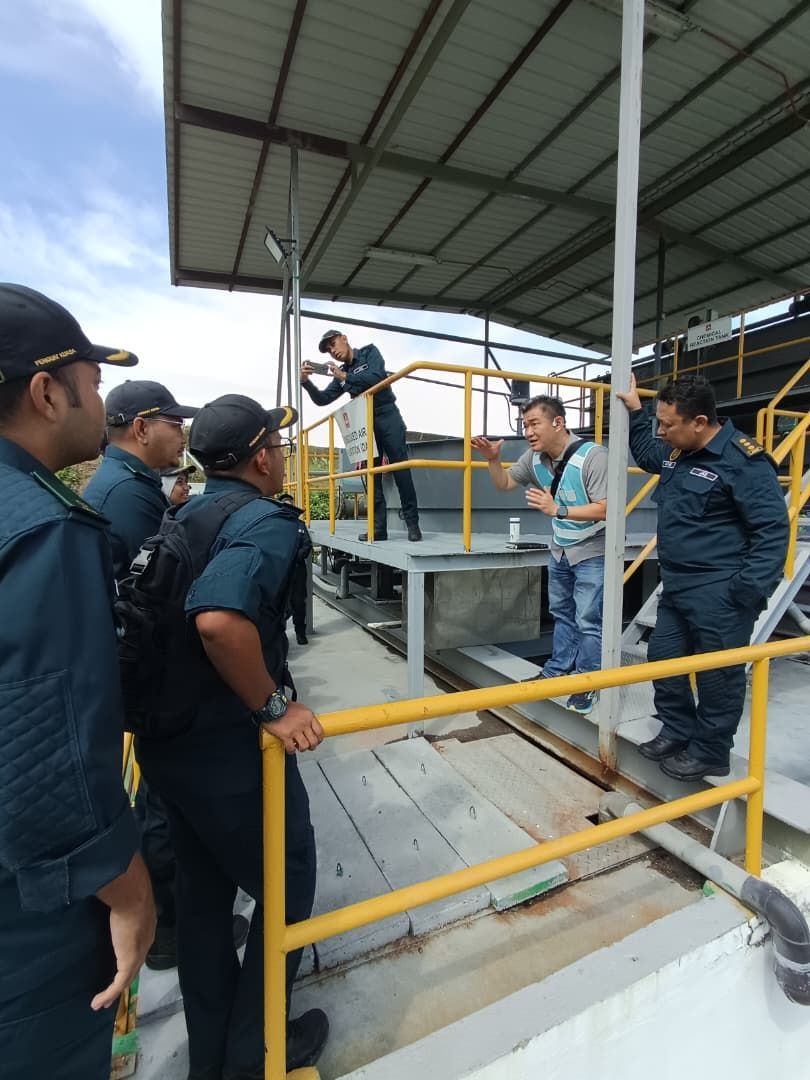
by jones chee 10 September 2026
Follow a practical 90-day DOE compliance action plan for assessing, stabilising and improving IETS performance at industrial facilities in Malaysia.
by jones chee 10 September 2026
Learn the common causes of high COD, BOD, fats, oils and grease in food factory wastewater, plus practical ways to improve treatment performance in Malaysia.
by jones chee 10 September 2026
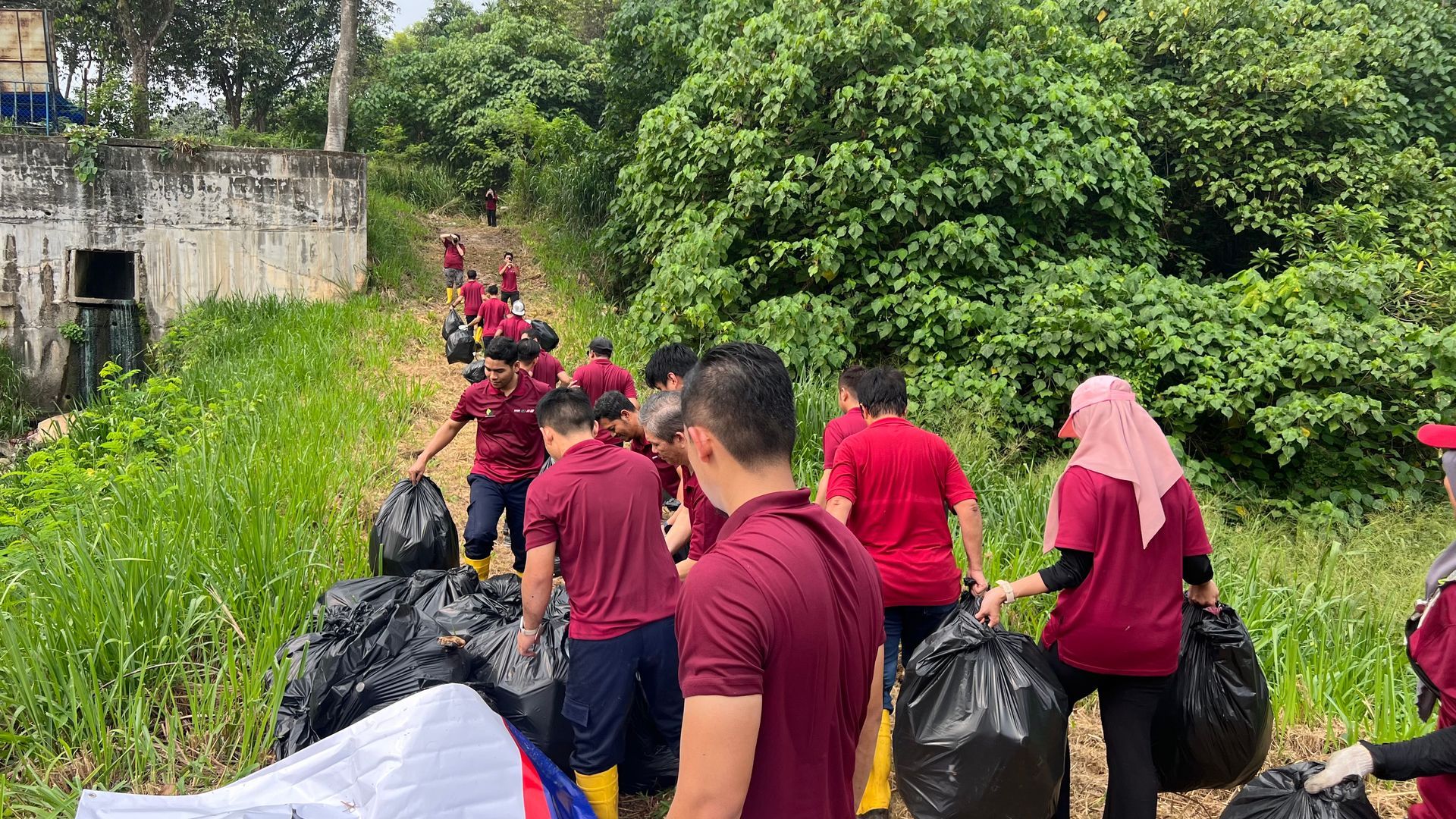
Beyond the Treatment Plant: Our Commitment to Clean Water

by jones chee 31 August 2026
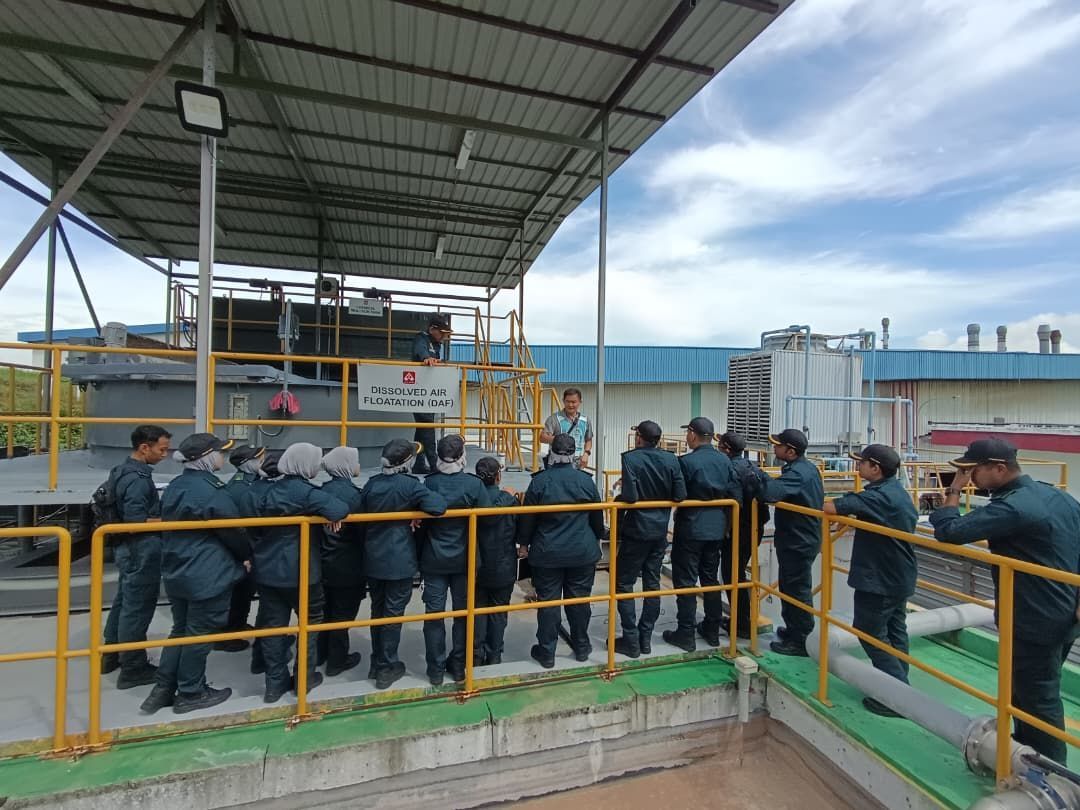
Learn Malaysia’s industrial effluent standards, Standard A and B discharge limits, key wastewater parameters, and factory compliance requirements.
by JH Han 24 August 2026
Prepare for a DOE inspection with this practical checklist covering wastewater documents, compliance records, monitoring logs, and Industrial Effluent Treatment System (IETS) requirements.

by jones chee 17 August 2026
Learn which projects require an EIA report in Malaysia, the prescribed activities under the EIA Order 2015, and key requirements for project proponents.
by QT LIM 10 August 2026
Learn what scheduled waste is in Malaysia, how SW Codes work, factory responsibilities, storage requirements, and legal obligations under DOE regulations.
by QT LIM 7 August 2026
Learn how scheduled waste is classified in Malaysia, understand SW Codes, legal responsibilities, storage requirements, and how factories can maintain compliance under Malaysian environmental regulations.
by jones chee 23 July 2026
Learn about water pollution fines Malaysia, industrial effluent penalties under the Environmental Quality Act 1974, and how factories can reduce compliance risks.
Show More