

High COD BOD Effluent: Common Causes and How Factories Can Control It
Why Are COD and BOD Levels High?

High Chemical Oxygen Demand (COD) and Biochemical Oxygen Demand (BOD) usually indicate excessive organic pollution entering the wastewater treatment system or poor treatment performance. Common causes include increased production loading, ineffective equalisation, biological process instability, inadequate aeration, incorrect chemical dosing, equipment failure, and poor sludge management. Identifying the root cause is essential before implementing corrective actions.
What Do High COD and BOD Mean?
Organic pollution. Treatment performance. Environmental compliance.
COD and BOD are two of the most important indicators used to assess industrial wastewater quality.
Although they measure different characteristics, both provide valuable information about the amount of organic matter entering or leaving a treatment plant.
Parameter
What It Measures
Typical Concern
COD
BOD
Total oxidisable organic matter
Biodegradable organic matter
Overall organic loading
When either parameter remains consistently high, the treatment system may be overloaded or operating inefficiently.
Common Causes of High COD and BOD
Most compliance failures are caused by operational changes rather than sudden equipment failures.
1. Increased Production Loading

One of the most common causes.
Examples include:
- Production expansion
- New product lines
- Seasonal demand
- Longer operating hours
When wastewater loading exceeds the original plant design, treatment efficiency gradually declines.
2. Poor Equalisation
An undersized or poorly operated Equalisation Tank allows shock loads to reach downstream treatment processes.
Symptoms include:
- Sudden COD spikes
- Variable pH
- Inconsistent flow
- Biological instability

3. Biological Process Instability

The biological reactor removes most biodegradable organics.
Performance may decline because of:
- Low dissolved oxygen
- Toxic chemicals
- Nutrient imbalance
- Incorrect sludge age
- Temperature changes
- Hydraulic shock loading
Signs include:
- Rising effluent COD
- High BOD
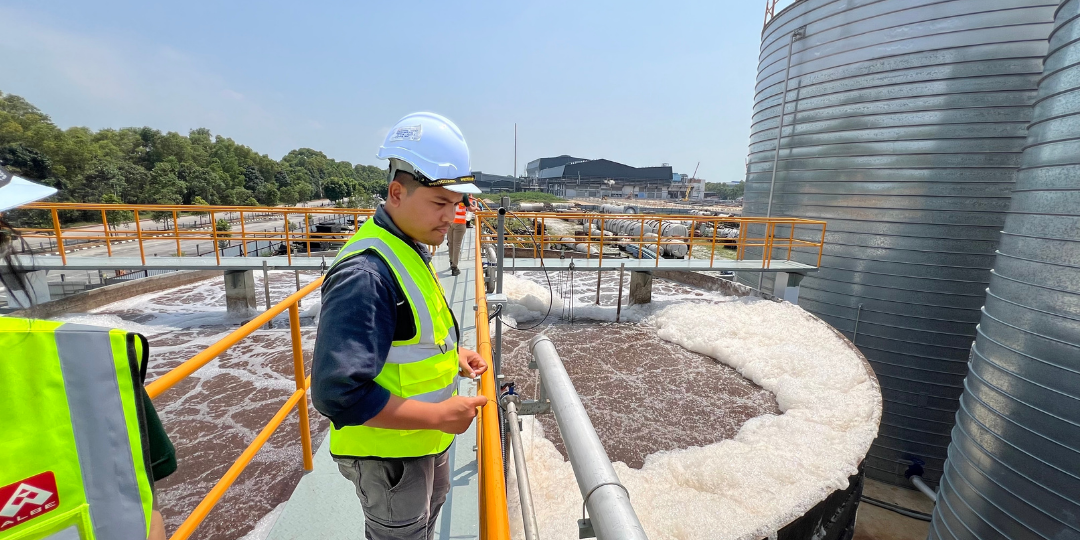
- Foaming
- Sludge bulking
- Poor settling
4. Inadequate Aeration
Without sufficient oxygen, microorganisms cannot effectively degrade organic matter.
Common causes:
- Blower failure
- Dirty diffusers
- Incorrect airflow
- Excessive MLSS
- Poor mixing

5. Incorrect Chemical Dosing

Chemical treatment should support and not replace the treatment process.
Common issues include:
- Under-dosing
- Over-dosing
- Incorrect pH adjustment
- Poor coagulation
- Ineffective floc formation
Jar testing should be carried out periodically to optimise chemical dosage.
6. Equipment Problems
Mechanical failures often reduce treatment efficiency.
Equipment to inspect:
- Pumps
- Blowers
- Mixers
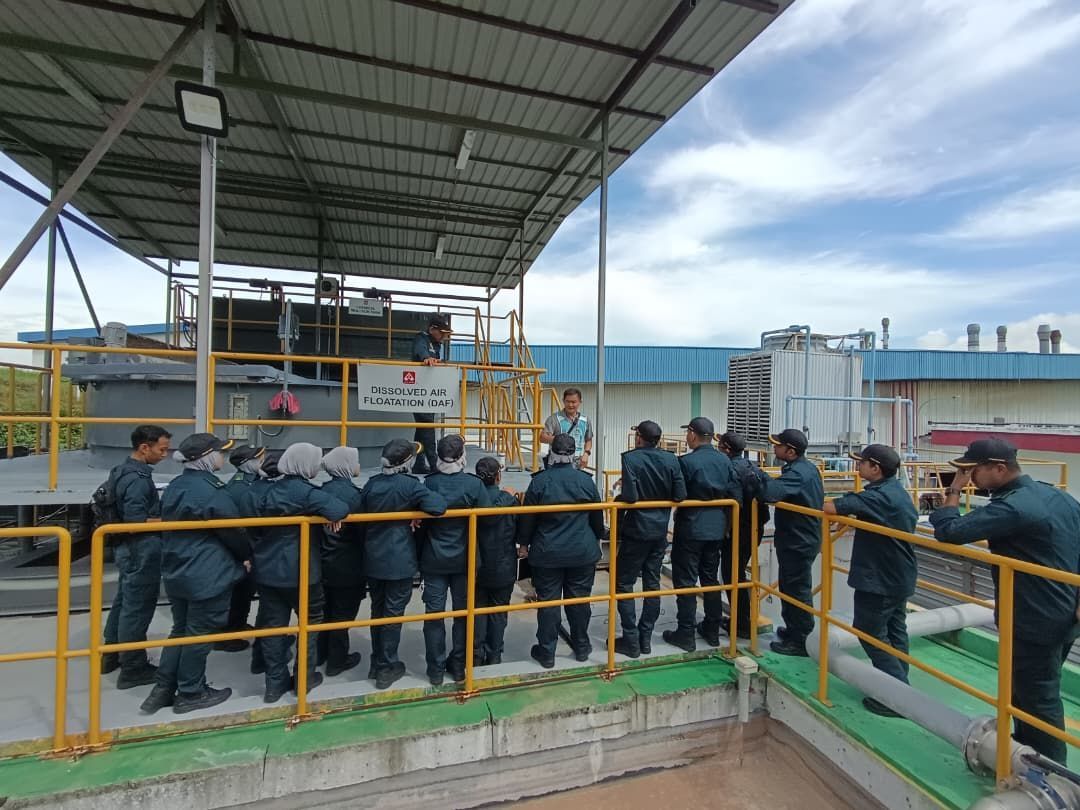
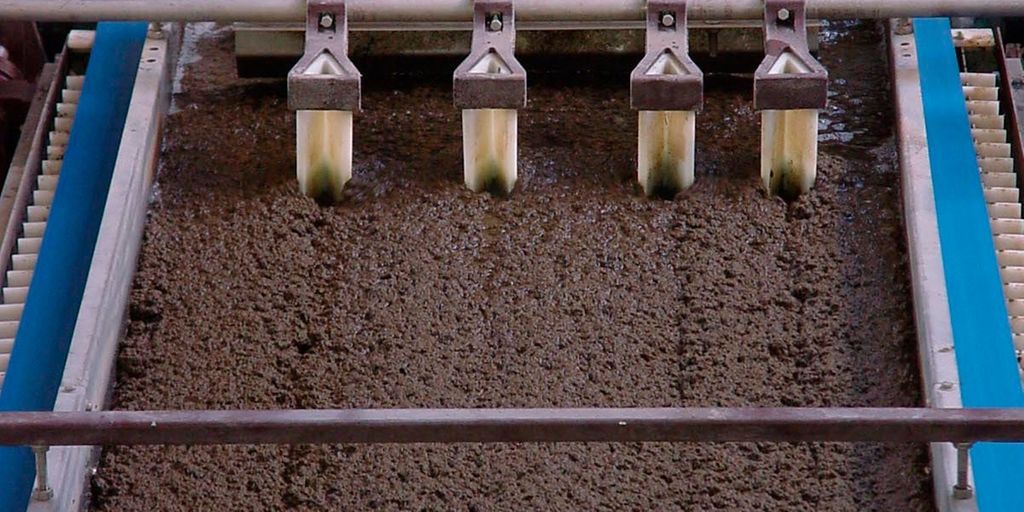
- DAF systems
- Chemical dosing pumps
- Clarifier mechanisms
- Instrumentation
Preventive maintenance reduces the likelihood of unexpected process failures.

Root Cause vs Symptom
One of the biggest mistakes is treating symptoms instead of identifying the underlying cause.
Symptom
Likely Root Cause
High COD
High BOD
High TSS
High Oil & Grease
Variable Results
Increased influent loading, poor biological treatment
Biological instability, insufficient aeration
Clarifier carryover, sludge bulking
Ineffective DAF or oil separation
Poor equalisation or inconsistent operation
Addressing the root cause produces more sustainable improvements than repeatedly adjusting chemical dosage.
Engineering Troubleshooting Checklist
When COD or BOD begins increasing, review the following operating conditions before making major process changes. Tick each item that has already been checked.
Diagnostic Status
Start reviewing the checklist to assess how thoroughly the potential causes of high COD or BOD have been investigated.
This checklist is a preliminary troubleshooting aid only. High COD or BOD may result from multiple interacting causes, so process data, laboratory results, operating history, and plant design should be reviewed together before major adjustments are made.
Recommended Treatment Technologies
Different problems require different solutions.
Find the Right Wastewater Treatment Technology
Select the main wastewater treatment challenge at your facility to see technologies commonly considered for that application.
Select a wastewater challenge
Select a treatment challenge above.
The recommended treatment approach will appear here.
This interactive tool provides general engineering guidance only. The most appropriate treatment technology should be determined through wastewater characterisation, process assessment and engineering design.
Selecting the correct treatment technology depends on wastewater characteristics, discharge standards, available space, and long-term operating objectives.
Signs Your Plant Needs Immediate Technical Review

Consider a comprehensive engineering assessment if you experience:
- Repeated high COD results
- Increasing BOD trends
- Rising chemical consumption
- Higher sludge production
- Frequent DAF adjustments
- Low dissolved oxygen
- Inconsistent effluent quality
- Repeated DOE non-compliance
Early intervention is generally less costly than emergency corrective action.
Final Thoughts on Wastewater Treatment for High COD and BOD
High COD and BOD should be viewed as indicators of process performance rather than isolated laboratory results.
The most effective wastewater treatment plants identify the underlying causes of rising organic loading, optimize treatment processes, and monitor performance trends before compliance issues develop.
A structured engineering approach consistently delivers better long-term results than reactive adjustments after laboratory reports indicate failure.
Need Help Troubleshooting High COD or BOD?
If your wastewater treatment plant is experiencing recurring COD or BOD compliance issues, Cheme Advance Services Sdn. Bhd. can help identify the root cause and develop practical solutions.
Our engineering services include:
- Industrial Effluent Treatment System (IETS) audits
- Root cause analysis
- Biological process optimisation
- Chemical dosing optimisation
- DAF optimisation
- Wastewater treatment troubleshooting
- Plant upgrading
- Operation & Maintenance (O&M)
Book a Wastewater System Audit
Our technical team can assess your treatment plant, identify operational bottlenecks, and recommend practical engineering improvements to restore treatment stability and support long-term DOE compliance.
Frequently Asked Questions
Why is COD increasing even though production has not changed?
Changes in raw materials, cleaning procedures, wastewater segregation, equipment performance, or biological treatment conditions can all increase COD without a significant change in production volume.
Can high COD be reduced by adding more chemicals?
Sometimes, but not always. If the root cause is biological instability or excessive organic loading, increasing chemical dosage may provide only temporary improvement.
What is the first parameter operators should check?
Start with influent flow, pH, Dissolved Oxygen, MLSS, sludge settling characteristics, and recent production changes before making major process adjustments.
Is high BOD always caused by poor biological treatment?
Not necessarily. High BOD may also result from sudden increases in biodegradable wastewater entering the treatment plant.
About the Author

Jones Chee
Marketing Engineer | Cheme Advance Services Sdn. Bhd.
Jones is a Marketing Engineer at Cheme Advance Services Sdn. Bhd. and holds a Bachelor of Mechanical Engineering (Honours) from Monash University Malaysia. Drawing on over five years of experience in environmental engineering and working closely with Cheme Advance's technical specialists, he develops technically reviewed content on industrial wastewater treatment, plant optimisation, and environmental compliance.