Understanding Sludge Cost in Wastewater Treatment Plants
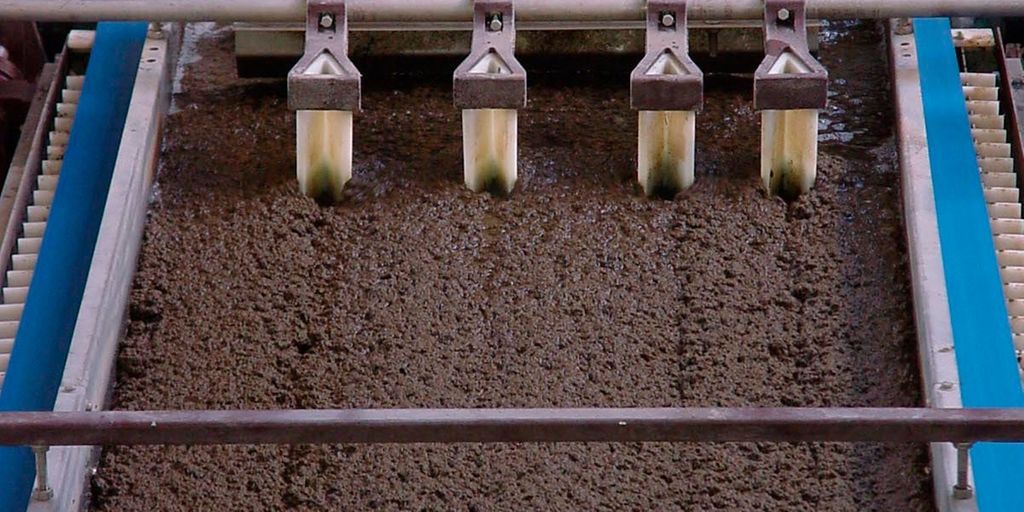
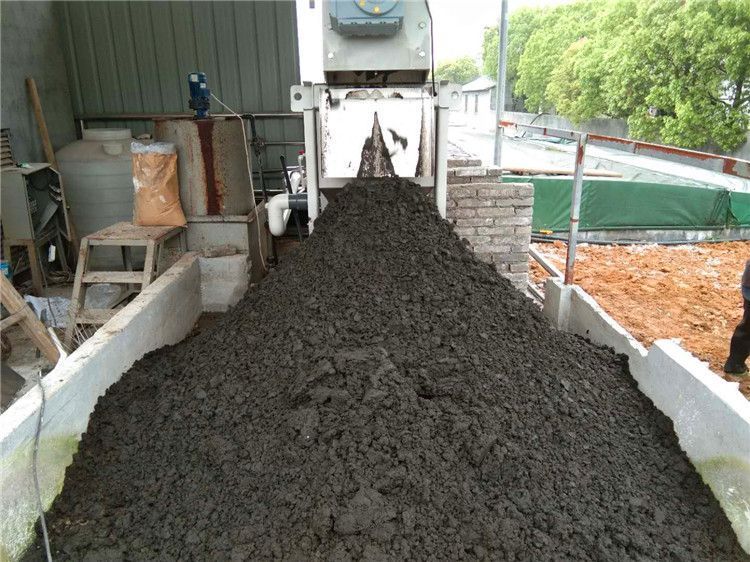
In industrial wastewater treatment plants, sludge is commonly regarded as a by-product that must be removed, handled, and disposed of as part of daily operation. As a result, many facilities tend to focus mainly on sludge transportation, disposal arrangements, and handling procedures after sludge has already been generated.
However, sludge should not be viewed only as waste. In many cases, it represents a significant operational cost within a wastewater treatment plant. Beyond disposal fees, sludge-related costs may also include chemical consumption, dewatering requirements, manpower, equipment operation, and process instability.
For industrial facilities, increasing sludge volume can indicate underlying issues within the treatment process. These may include excessive chemical usage, unstable biological performance, poor sludge age control, higher dewatering load, or insufficient process monitoring over time.
Therefore, effective sludge management should not begin only at the disposal stage. It should start with a clear understanding of why the treatment system is generating a high sludge volume and how the process can be optimized to reduce unnecessary operating costs.
Sludge Volume Is Not Always Fixed

A common misunderstanding is that sludge volume is fixed and cannot be controlled. In reality, sludge generation is often affected by how the industrial wastewater treatment system is operated.
High sludge generation may be linked to over-aeration, poor sludge age control, imbalanced biological conditions, or over-reliance on chemical correction. When these issues are not reviewed, the plant may continue producing more sludge than necessary.
For industrial plants in Malaysia, wastewater characteristics may also change depending on production activities, raw materials, cleaning processes, and operating schedules. This indicates that the treatment system needs to be reviewed based on real operating conditions, not only based on standard settings.
Common Causes of High Sludge Generation

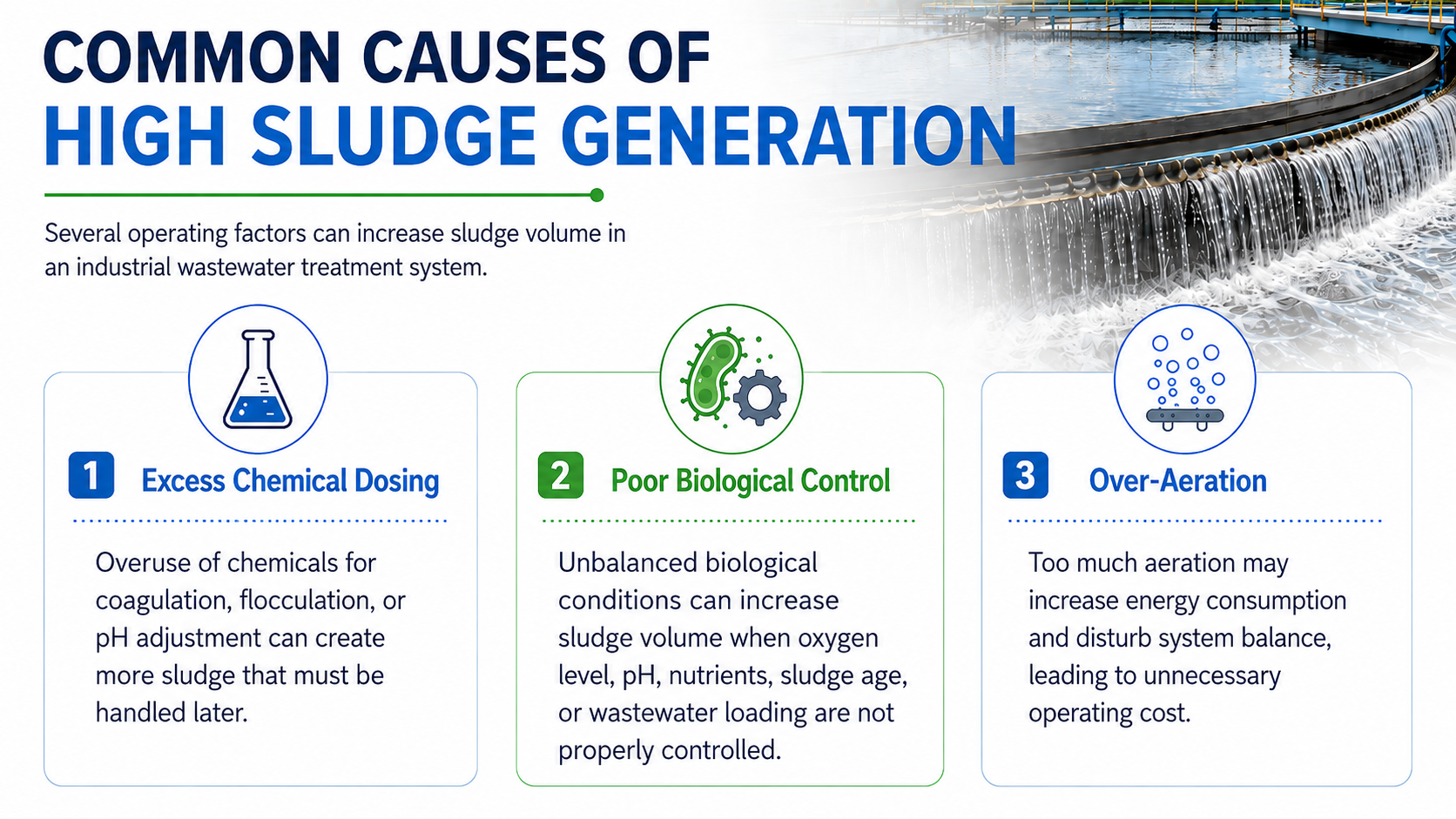
There are several reasons why sludge volume may increase in an industrial wastewater treatment system.
One common reason is excess chemical dosing. Chemicals are important in wastewater treatment, especially for coagulation, flocculation, and pH adjustment. However, when chemicals are used too heavily, they may create more sludge that needs to be handled later.
Another reason is poor biological control. If the biological process is not stable, the system may produce inconsistent sludge quality or higher sludge volume. Factors such as dissolved oxygen, sludge age, pH, nutrients, and loading changes can all affect system performance.
Over-aeration can also contribute to unnecessary operating cost. While aeration is important for biological treatment, too much aeration may increase energy consumption and disturb the balance of the system.
This is why operators should not only correct problems after they happen. They should also review the root cause behind repeated sludge issues.
Cheme Advance’s Approach
At Cheme Advance, we believe effective water treatment is not only about meeting compliance requirements. It is also about helping industries improve system stability, reduce unnecessary cost, and support long-term operation.
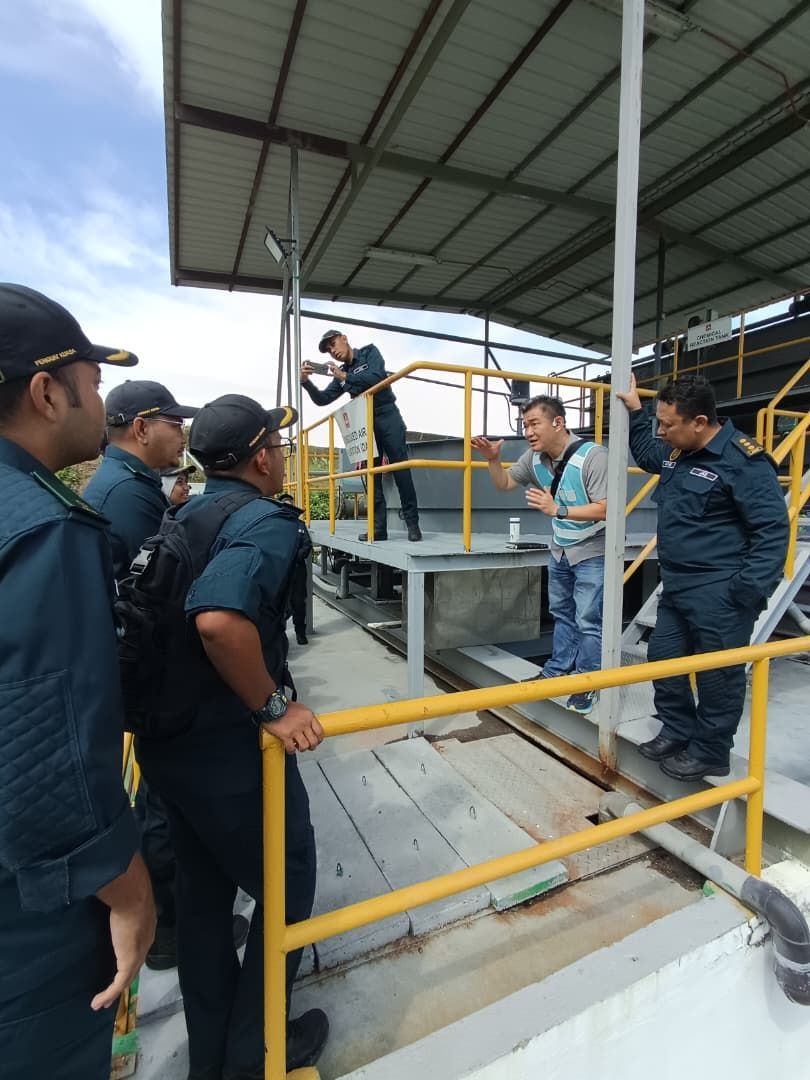
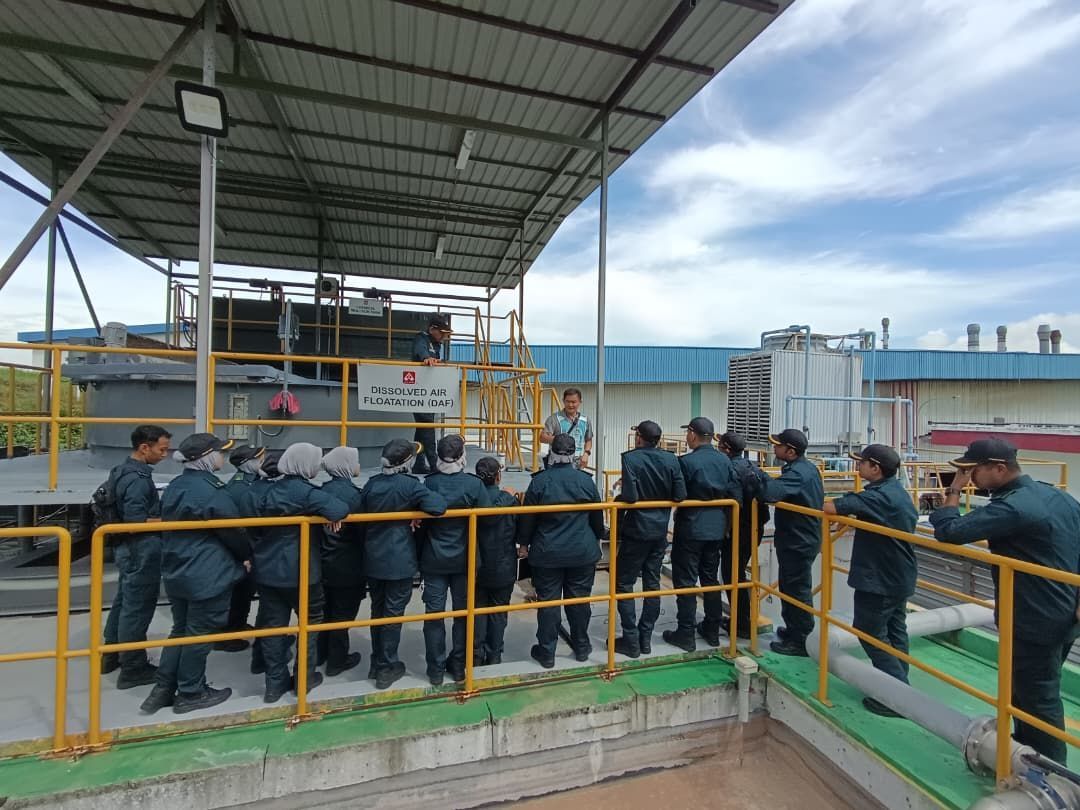
As a water treatment company in Malaysia, Cheme Advance works with industries to understand their wastewater treatment system behavior, identify possible root causes, and optimize treatment performance based on actual plant conditions.
By reviewing the full treatment process, industries can make better decisions instead of only reacting to sludge disposal problems.
When sludge volume is reduced, the benefits are clear:
- Lower disposal cost
- More stable operation
- Lower dewatering load
- Less dependency on constant chemical correction
Conclusion
Sludge should not only be seen as waste. It should also be seen as a signal from the wastewater treatment system.
If sludge volume keeps increasing, the system may be showing signs of poor process control, unstable biological conditions, or overuse of chemical correction.

For industrial plants, better sludge management can support both compliance and cost control. It also helps create a wastewater treatment system that is more stable, practical, and suitable for long-term operation.
If you are facing challenges in your wastewater treatment system or looking to improve compliance and operational efficiency, our team is ready to support.
Reach out to us for a technical discussion or system evaluation tailored to your plant conditions.
Recent Posts