Bridging Industry and Enforcement: Our Training Session with DOE Kulim

sales albeadvance • 5 May 2026

Share this article

When Industry Meets Enforcement

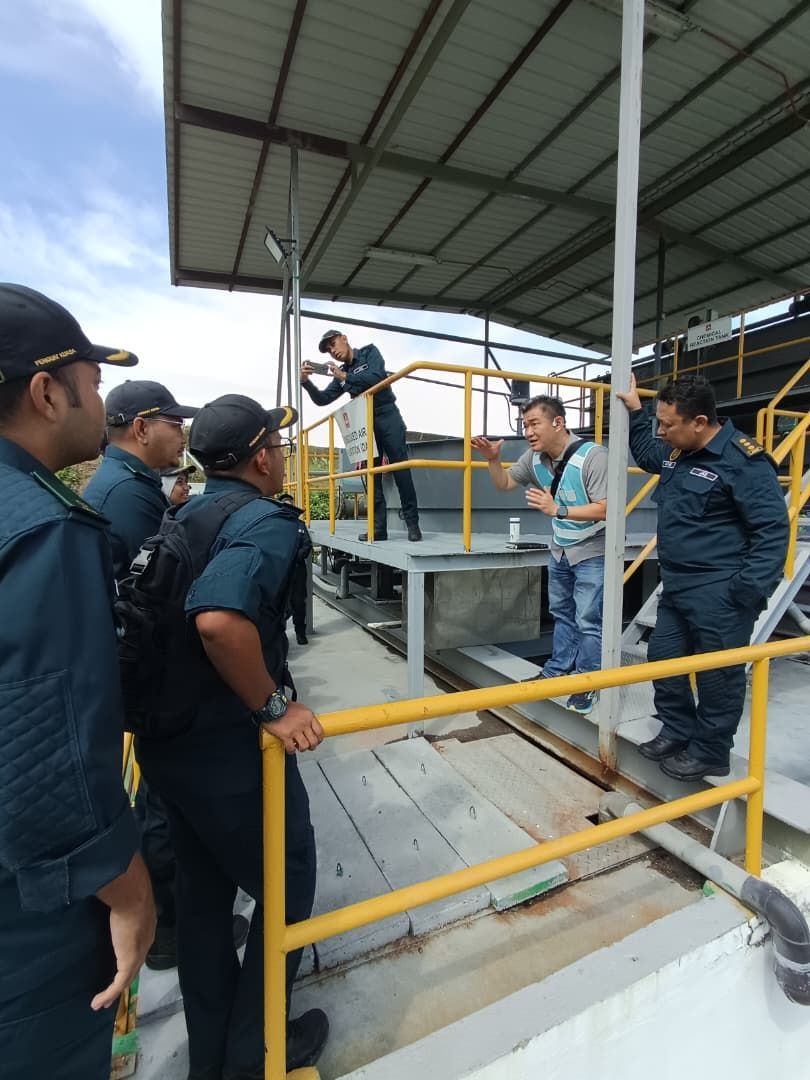
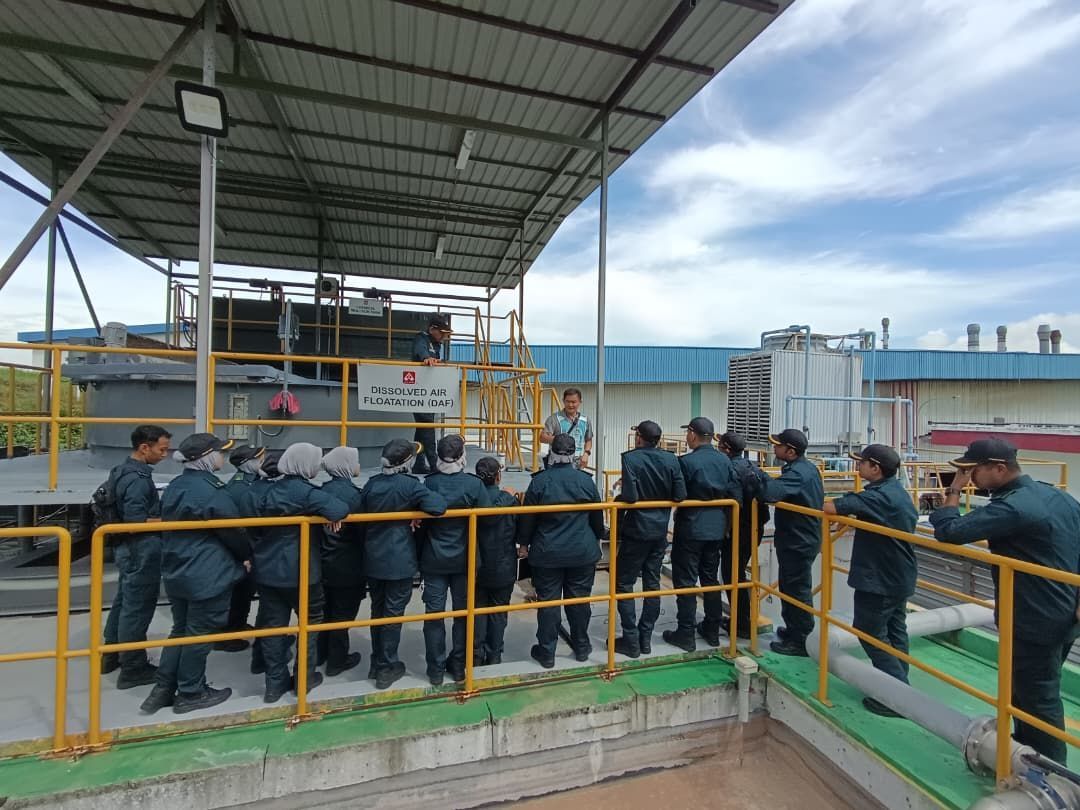
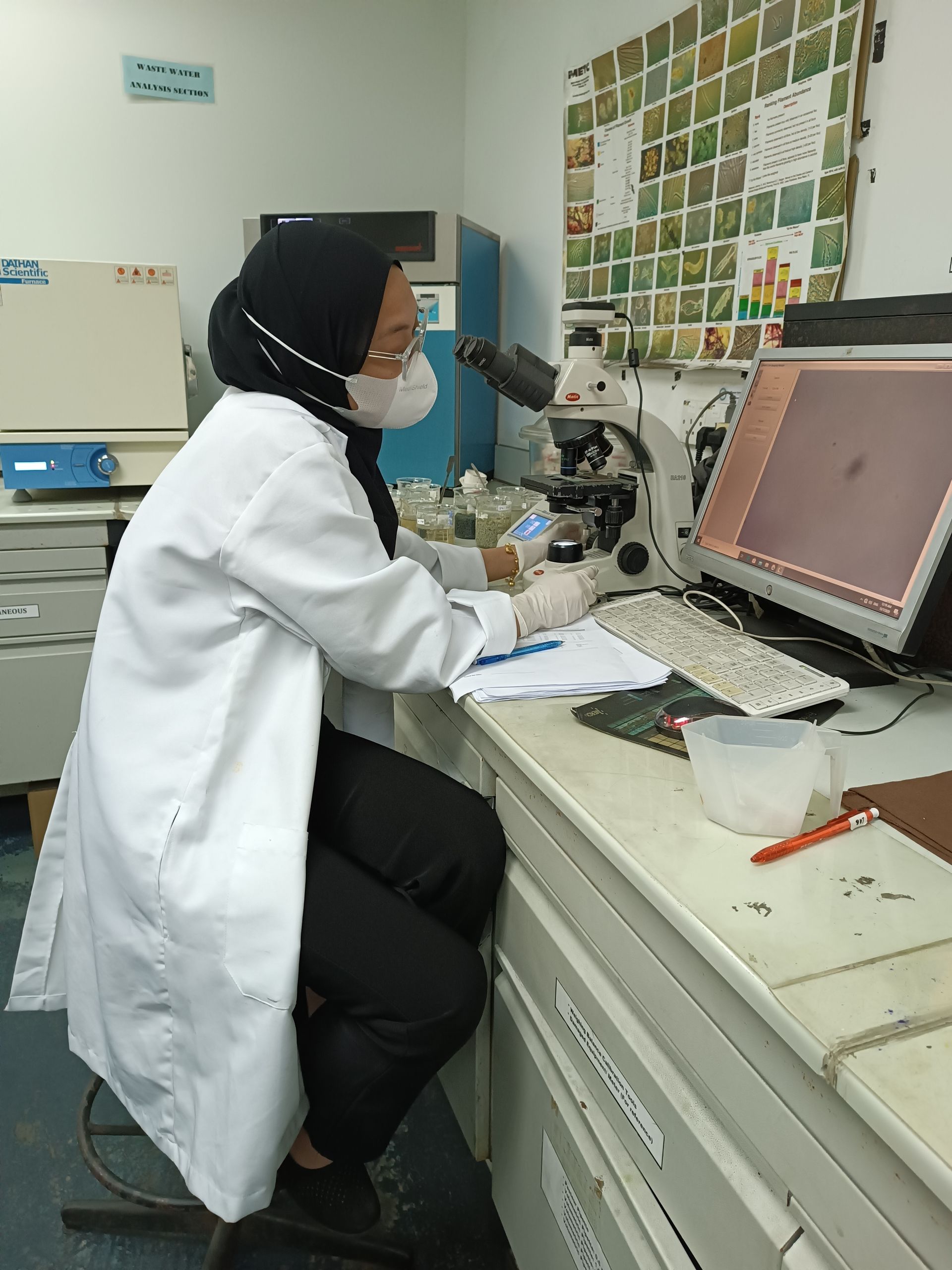
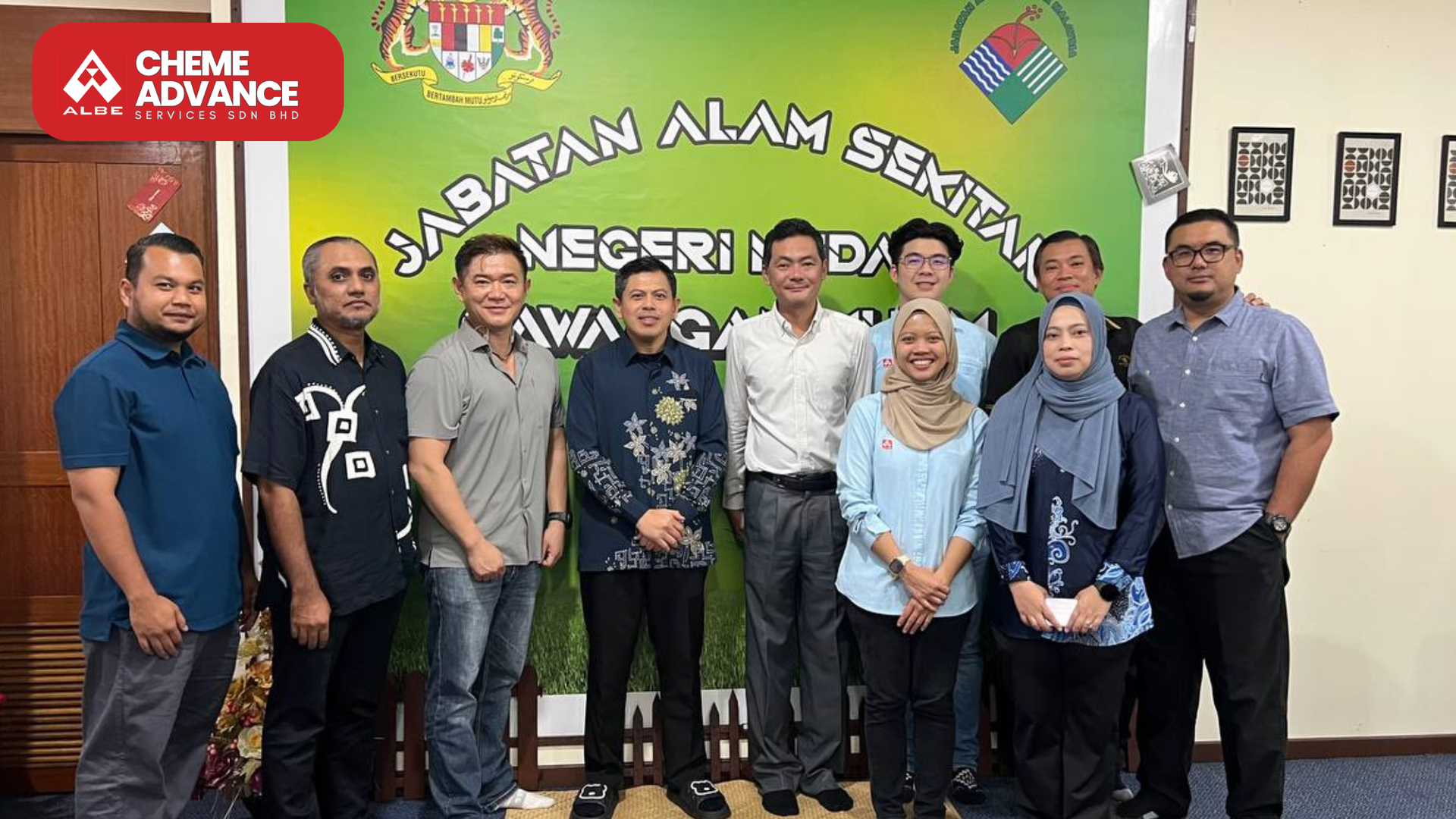
Recently, we had the opportunity to be invited by the Department of Environment (DOE) Kulim branch to conduct a training session for their new officers and interns. The session focused on the current landscape of industrial wastewater treatment, emerging technologies, and the operational realities faced on the ground.


It was more than a technical session, as it became a meaningful exchange between industry practitioners and regulatory officers.


Sharing What Happens Inside Real Plants

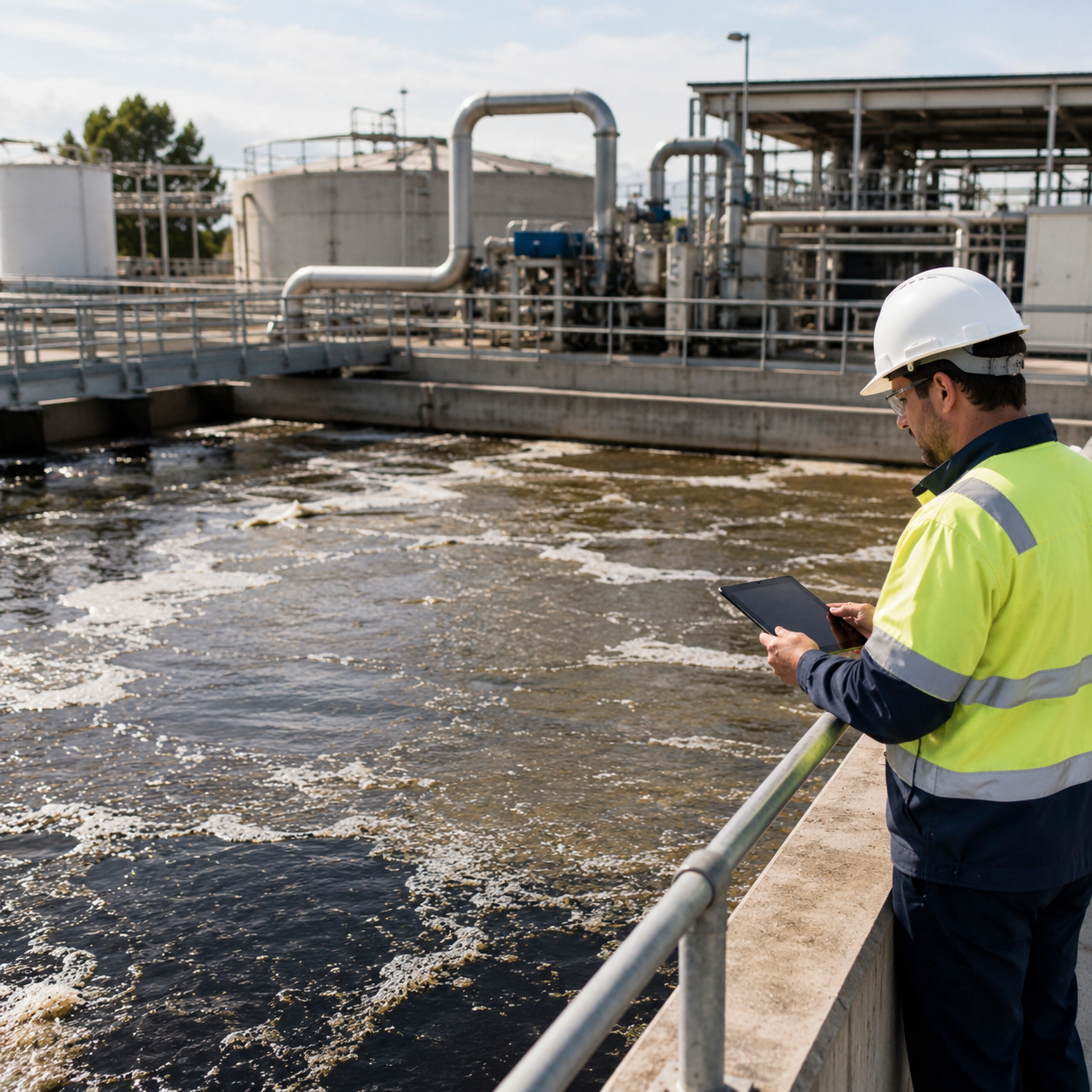
During the session, we walked through how industrial wastewater treatment systems actually operate beyond textbooks and design drawings. While systems are often designed for compliance, day-to-day operation tells a very different story.


We shared insights on:


  • Common inefficiencies that increase operating costs
  • Hidden issues that do not always appear in reports
  • The impact of unstable influent conditions on system performance
  • Challenges in sludge management and disposal


These are the same issues many facilities struggle with, not because of poor intent, but due to complexity, variability, and sometimes a lack of visibility.


Current Technologies: Where the Industry Is Moving

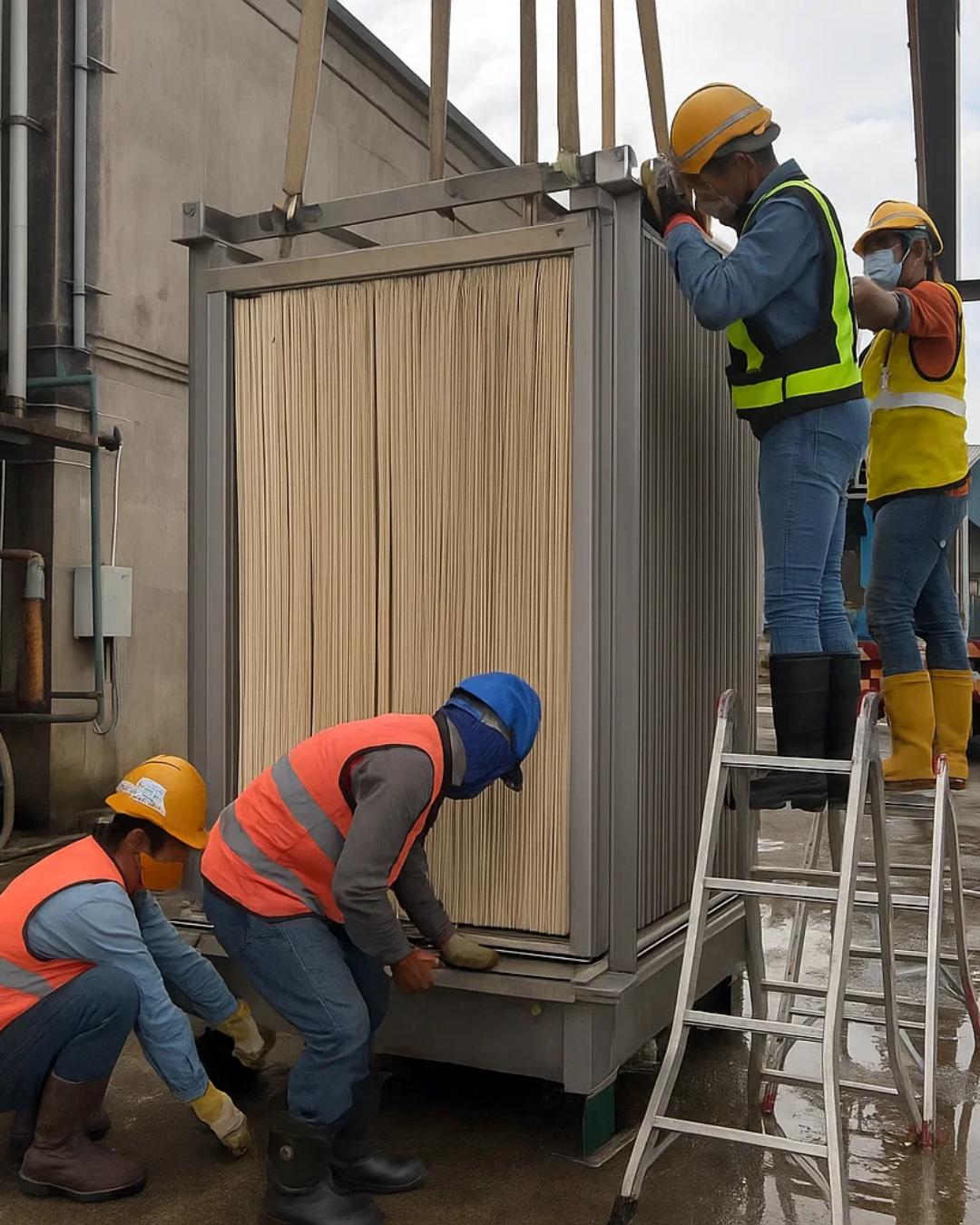
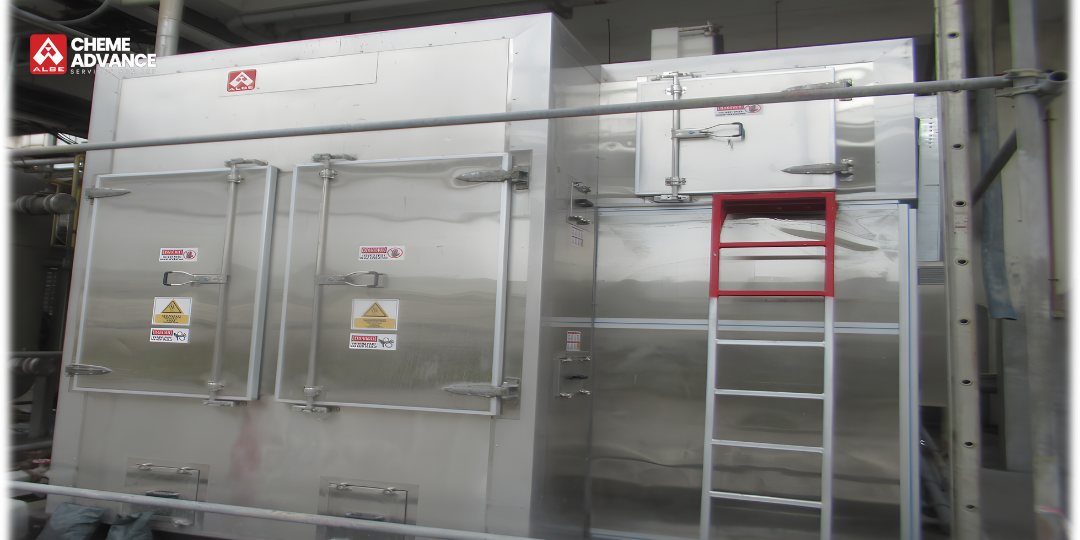
We also introduced several technologies that are becoming increasingly relevant in the Malaysian industrial landscape, including:

Membrane Bioreactor (MBR) systems for higher effluent quality

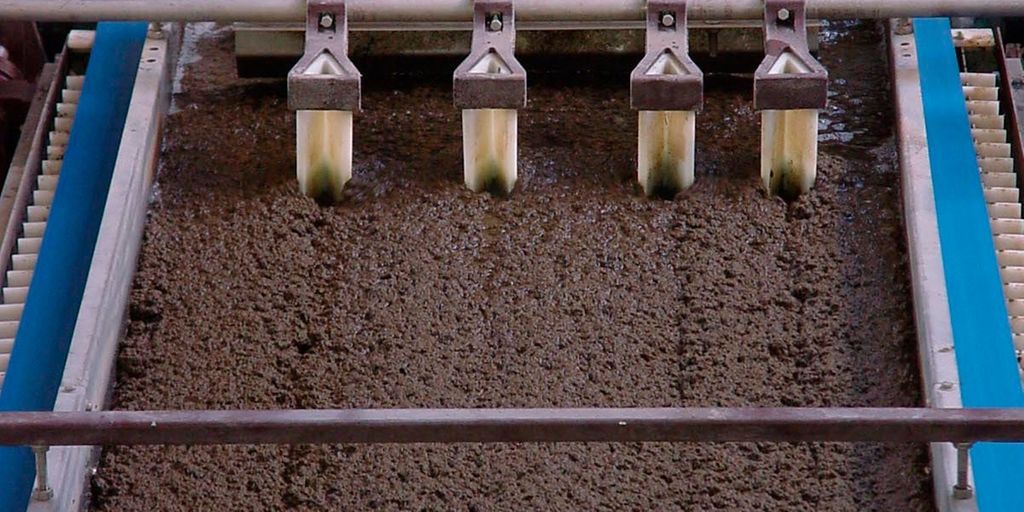
Sludge drying solutions to reduce disposal costs and environmental impact

Process optimisation approaches using operational data

The focus was not just on technology itself, but on how these solutions address real operational pain points: cost, compliance risk, and long-term sustainability.


A Two-Way Conversation

One of the most valuable parts of the session was the open discussion.


DOE officers shared the challenges they face when monitoring and enforcing compliance across diverse industries. From inconsistent plant performance to incomplete data reporting, the gap between design intent and operational reality is something both regulators and operators encounter.


At the same time, we discussed the pressures faced by business owners, balancing compliance requirements with operational costs, manpower limitations, and production demands.


Understanding the Role of Enforcement

A key takeaway from the session was a clearer understanding of enforcement.


DOE agents do not carry out enforcement actions arbitrarily. Their role is to safeguard environmental standards and protect shared resources, particularly water.


When non-compliance occurs, the consequences are not isolated to a single facility; they affect ecosystems, downstream users, and long-term environmental sustainability.

This perspective reinforces an important point:


Compliance is not just about avoiding penalties. It is about responsibility.

Final Thoughts

We appreciate the opportunity from DOE Kulim to be part of this training session. It was a valuable platform to exchange perspectives, share technical knowledge, and align on a common goal, protecting Malaysia’s water resources.


As the industry continues to evolve, these conversations will play a critical role in shaping more effective, practical, and sustainable wastewater management practices.

If you are facing challenges in your wastewater treatment system or looking to improve compliance and operational efficiency, our team is ready to support.


Reach out to us for a technical discussion or system evaluation tailored to your plant conditions.

Recent Posts

Industrial wastewater flowing into a wastewater treatment plant tank
by sales albeadvance 13 May 2026
Learn how sludge volume affects wastewater treatment cost, process stability, disposal fees, and long-term plant performance.
Cheme Advance at Environmental Management & Compliance 2025 in Kedah
by sales albeadvance 12 May 2026
Cheme Advance joined Environmental Management & Compliance 2025 in Kedah to share practical insights on wastewater treatment and environmental compliance.
by sales albeadvance 6 May 2026
Discover the hidden costs in Industrial wastewater treatment systems. Learn how to reduce chemical, energy, and sludge costs while improving plant efficiency
24 April 2026
Industrial wastewater treatment systems rarely fail suddenly. Learn the real causes, early warning signs, and practical ways to stabilise performance and maintain compliance.
by Admin 21 November 2025
Industrial effluent treatment systems constitute a fundamental component of sustainable industrial operations, ensuring that wastewater generated from manufacturing processes undergoes proper treatment before discharge. These systems are designed to eliminate hazardous contaminants, thereby safeguarding both environmen
by Admin 21 November 2025
In Malaysia, managing waste, particularly wastewater, is becoming an increasingly critical issue. With industries expanding rapidly and environmental concerns growing, the need for efficient waste management systems has never been more pressing. One essential piece of equipment in the wastewater treatment process is the sludge dewatering press. But what exactly is it, and how does it contribute to sustainability and efficiency? Let’s dive into the importance of it and why it’s becoming indispensable in Malaysia.