
Water Pollution Fines Malaysia: Industrial Effluent Penalties

jones chee • 23 July 2026

Share this article

Water Pollution Fines Malaysia: The Risk of Discharging Industrial Effluent Without a Licence

What Are the Penalties for Illegal Industrial Effluent Discharge in Malaysia?

Discharging industrial effluent without complying with the Environmental Quality Act 1974 (Act 127) or the Environmental Quality (Industrial Effluent) Regulations 2009 can expose businesses to substantial fines, imprisonment, enforcement actions, and operational disruption. Beyond financial penalties, non-compliance may damage a company's reputation, interrupt production, and require costly corrective measures.


The most effective way to avoid enforcement action is to maintain a properly designed, well-operated Industrial Effluent Treatment System (IETS), comply with applicable licensing and discharge requirements, and conduct regular compliance monitoring.


Why Water Pollution Compliance Matters

Environmental protection. Legal responsibility. Business continuity.


Industrial wastewater can contain pollutants such as:

  • Chemical Oxygen Demand (COD)
  • Biochemical Oxygen Demand (BOD)
  • Suspended Solids (TSS)
  • Oil and Grease (O&G)
  • Heavy Metals
  • Ammoniacal Nitrogen (NH₃-N)
  • Industry-specific contaminants


Without proper treatment, these pollutants can contaminate rivers, groundwater, and public water resources, affecting ecosystems and downstream water users.


Malaysia's environmental laws are designed to minimise these risks by requiring industries to treat wastewater before discharge and comply with applicable environmental regulations.


Understanding the Environmental Quality Act 1974

The Environmental Quality Act 1974 (Act 127) forms the primary legal framework governing pollution control in Malaysia.


The Act empowers the Department of Environment (DOE) Malaysia to:

  • Regulate industrial pollution
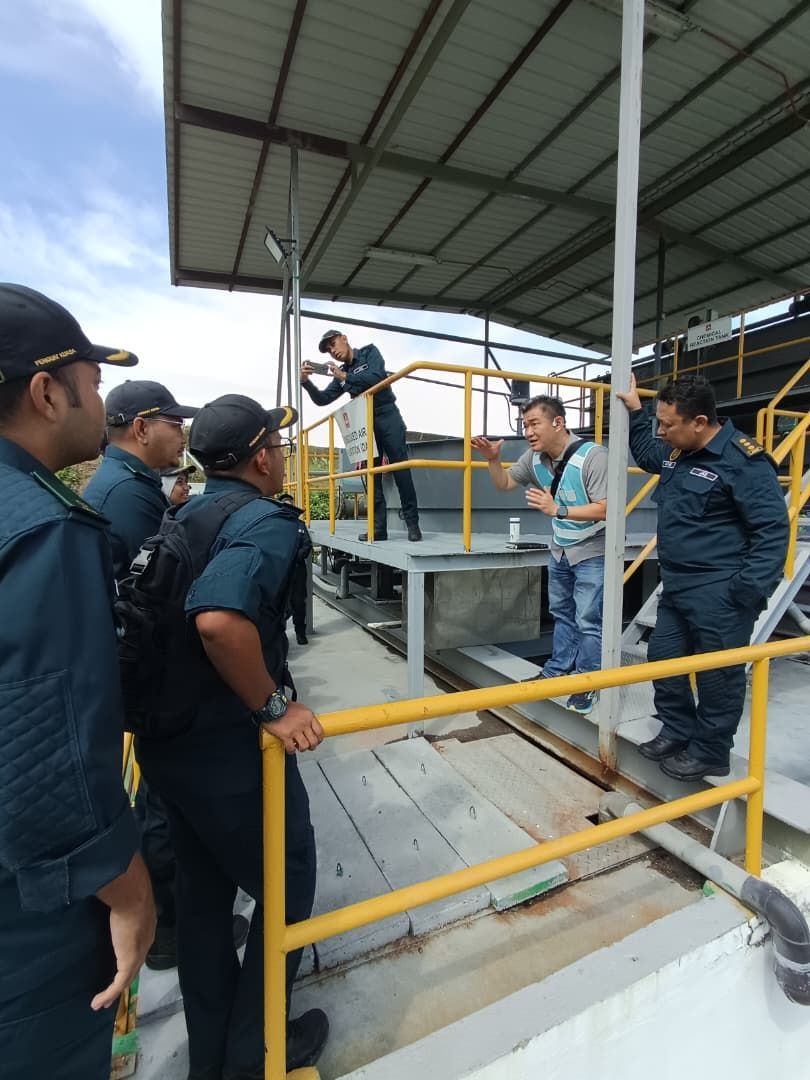
  • Conduct inspections
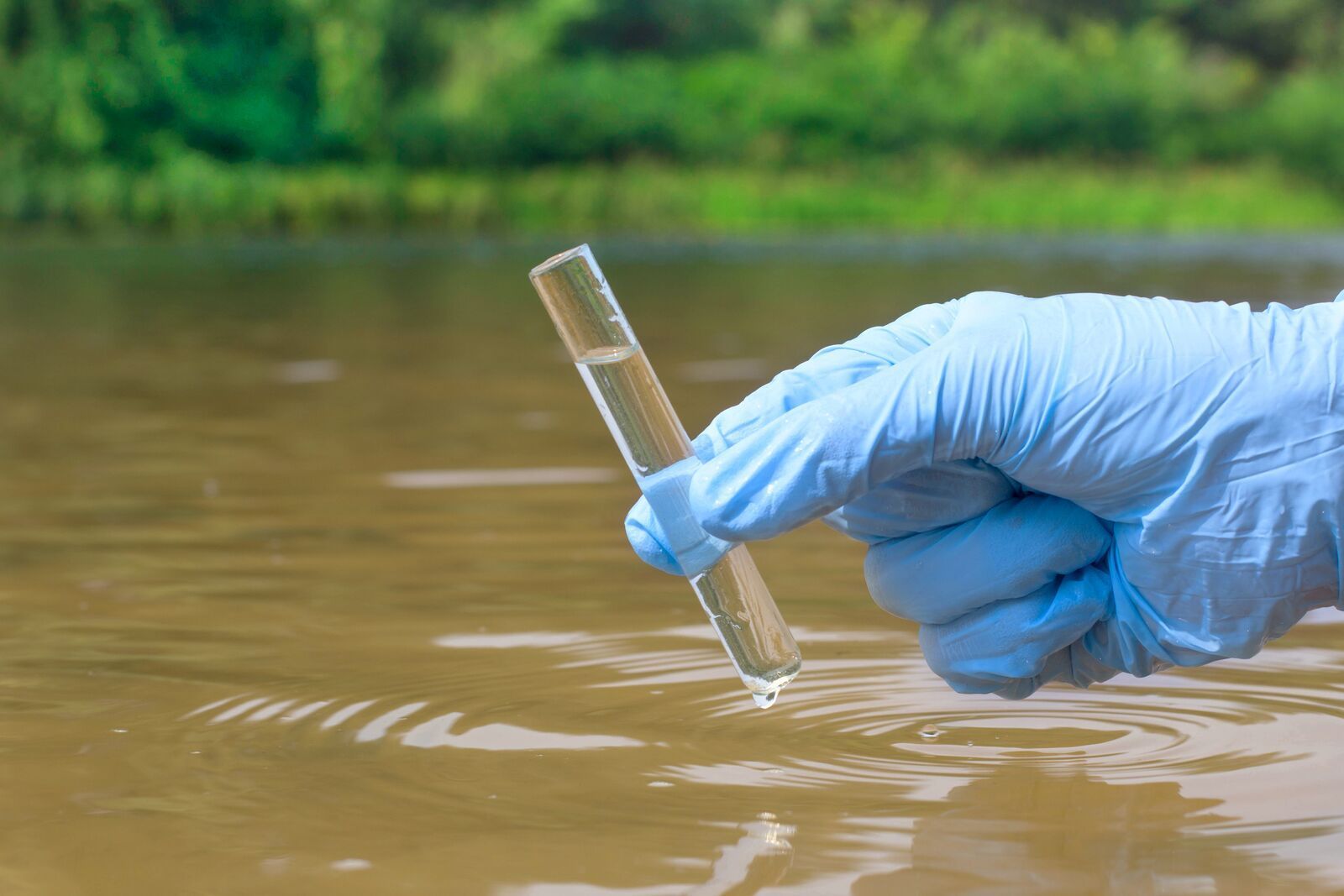
  • Collect wastewater samples
  • Issue enforcement notices
  • Prosecute offences
  • Impose penalties where appropriate


For industrial facilities, compliance is not limited to meeting discharge limits. Businesses are also responsible for operating and maintaining treatment systems capable of consistently achieving regulatory requirements.


Industrial Effluent Licence and Compliance Requirements

Not every industrial facility has identical regulatory obligations. Depending on the industry, production process, location, and discharge arrangements, businesses may need to obtain approvals, licences, or permits while complying with the Environmental Quality Act 1974 and subsidiary regulations.


Manufacturers should ensure they:

  • Operate an appropriate Industrial Effluent Treatment System (IETS)
  • Meet applicable Standard A or Standard B discharge limits
  • Maintain monitoring records
  • Conduct routine maintenance
  • Keep required environmental documentation
  • Cooperate during DOE inspections


When in doubt, companies should seek advice from qualified environmental consultants or the Department of Environment.


What Happens if a Factory Discharges Illegal Industrial Effluent?

The consequences extend beyond financial penalties.


Possible enforcement actions may include:

Business Impact

Potential Consequence

Monetary fines

Court proceedings

Imprisonment (where provided under applicable law)

Enforcement notices

Operational disruption

Reputational damage

Increased operating costs

Legal expenses

Personal liability for responsible parties

Mandatory corrective actions

Production delays

Loss of customer and stakeholder confidence


Common Causes of Non-Compliance

Most compliance failures do not occur because treatment technology is unavailable.


They often result from operational issues such as:

  • Poor equalisation
  • Inadequate preventive maintenance
  • Biological process instability
  • Incorrect chemical dosing
  • Equipment failure
  • Insufficient operator training
  • Increased production exceeding plant capacity
  • Lack of routine monitoring


Many of these issues develop gradually and can be identified through regular technical reviews before they become regulatory problems.


How Manufacturers Can Reduce Compliance Risks

The most reliable approach is to build compliance into everyday operations.


Recommended practices include:


Maintain a Stable IETS

Operate the treatment system consistently instead of relying on emergency corrective actions before inspections.


Monitor Key Parameters

Regularly review:

  • pH
  • COD
  • BOD
  • TSS
  • Oil & Grease
  • NH₃-N
  • Dissolved Oxygen
  • MLSS
  • Sludge settling characteristics


Conduct Preventive Maintenance

Routine maintenance improves equipment reliability and reduces unexpected failures.


Train Plant Operators

Well-trained operators are often able to identify process changes before they affect compliance.


Perform Periodic Technical Audits

Independent engineering reviews can identify bottlenecks, capacity limitations, and optimisation opportunities.


Pro Tip

Facilities with the strongest compliance records generally do not prepare differently before a DOE inspection.


They operate their wastewater treatment plants to the same standard every day, making regulatory inspections a confirmation of routine performance rather than a high-pressure event.


Related Reading:The Day Before DOE Sampling: Why Last-Minute Fixes Rarely Work.


Final Thoughts

Water pollution compliance is not simply about avoiding fines—it is about protecting natural resources, maintaining operational continuity, and demonstrating responsible environmental stewardship.


Manufacturers that invest in stable wastewater treatment operations, preventive maintenance, and continuous process optimisation are better positioned to reduce compliance risks while improving operational efficiency.


Need Help Improving Industrial Effluent Compliance?

Cheme Advance Services Sdn. Bhd. has more than 20 years of experience supporting manufacturers across Malaysia with industrial wastewater treatment, compliance support, and plant optimisation.


Our services include:


  • Industrial Effluent Treatment System (IETS) audits
  • Wastewater treatment troubleshooting
  • Plant optimisation
  • Operation & Maintenance (O&M)
  • Compliance monitoring support
  • Capacity expansion studies
  • Chemical treatment optimisation
Book a Wastewater System Audit


Whether your facility is preparing for a DOE inspection, upgrading an existing treatment plant, or looking to strengthen long-term compliance, our technical team can assess your system and recommend practical engineering solutions tailored to your operational requirements.o to Site Theme.


Frequently Asked Questions

What law governs industrial wastewater discharge in Malaysia?

Industrial wastewater discharge is primarily governed by the Environmental Quality Act 1974 (Act 127) together with subsidiary legislation, including the Environmental Quality (Industrial Effluent) Regulations 2009.

Can companies be fined for illegal wastewater discharge?

Yes. The Environmental Quality Act 1974 provides enforcement mechanisms, including financial penalties and other legal consequences for offences under the Act, subject to the applicable provisions and court decisions.

Is meeting discharge limits enough?

No. Long-term compliance also depends on proper operation, maintenance, monitoring, record keeping, and adherence to applicable environmental requirements.

How often should an Industrial Effluent Treatment System be reviewed?

Most industrial facilities benefit from an annual technical audit, with additional reviews following production changes, plant expansion, or recurring compliance issues.


About the Author

Jones
Marketing Engineer | Cheme Advance Services Sdn. Bhd.


Jones is a Marketing Engineer at Cheme Advance Services Sdn. Bhd. and holds a Bachelor of Mechanical Engineering (Honours) from Monash University Malaysia. Drawing on over five years of experience in environmental engineering and working closely with Cheme Advance's technical specialists, he develops technically reviewed content on industrial wastewater treatment, plant optimisation, and environmental compliance.


References

  1. Environmental Quality Act 1974 (Act 127), Laws of Malaysia.
  2. Environmental Quality (Industrial Effluent) Regulations 2009.
  3. Department of Environment (DOE) Malaysia – Industrial Effluent Management guidance.
  4. Metcalf & Eddy, Wastewater Engineering: Treatment and Resource Recovery, 5th Edition.References
  5. Water Environment Federation (WEF), wastewater treatment operational guidance.
  6. Cheme Advance Technical Team – Engineering observations and practical operational experience.

Recent Posts

Four engineers in hard hats review plans at an industrial facility.
by Jones Chee 22 July 2026
Discover what manufacturers should expect from a wastewater treatment partner beyond equipment supply. Learn how technical support, optimisation, and long-term expertise improve plant performance.
by Jones Chee 13 July 2026
Discover the key characteristics of a healthy Industrial Effluent Treatment System (IETS) and the lessons shared during an EiMAS and DOE Malaysia technical visit at KJM Aluminium Can.
by jones chee 10 July 2026
Learn how to prepare for DOE wastewater sampling in Malaysia and why consistent wastewater treatment operation is more effective than last-minute corrective actions.
by Jones Chee 9 July 2026
Learn why some wastewater treatment plants consistently achieve stable performance while others require frequent troubleshooting. Discover practical strategies for long-term optimisation.
by sales albeadvance 26 June 2026
Learn about the most important industrial wastewater treatment technologies including DAF, MBBR, MBR, Activated Sludge, UASB, EGSB, sludge dewatering, and water reuse systems.
by sales albeadvance 24 June 2026
Compliance failures don’t happen overnight. Spot early signs in your effluent treatment system before small issues turn into bigger problems.
by sales albeadvance 23 June 2026
Learn how industrial wastewater treatment works, including primary, secondary, and tertiary treatment stages, common technologies, and how industries achieve environmental compliance in Malaysia.
by sales albeadvance 17 June 2026
What Many Plants Misunderstand About MBR Systems
Industrial wastewater treatment system with large treatment tanks, piping, and access platforms for
by sales albeadvance 11 June 2026
Industrial water management is shifting from DOE compliance to stable treatment, resilience, and wastewater recycling for long-term sustainability.
Foaming aeration tank in an industrial wastewater treatment plant for biological treatment process
by sales albeadvance 10 June 2026
A food and beverage wastewater treatment case study on blower failure, aeration interruption, repair action, and standby planning for stable performance.
Show More