

What Factory Owners Should Expect From a Wastewater Partner
What Makes a Good Wastewater Treatment Partner?

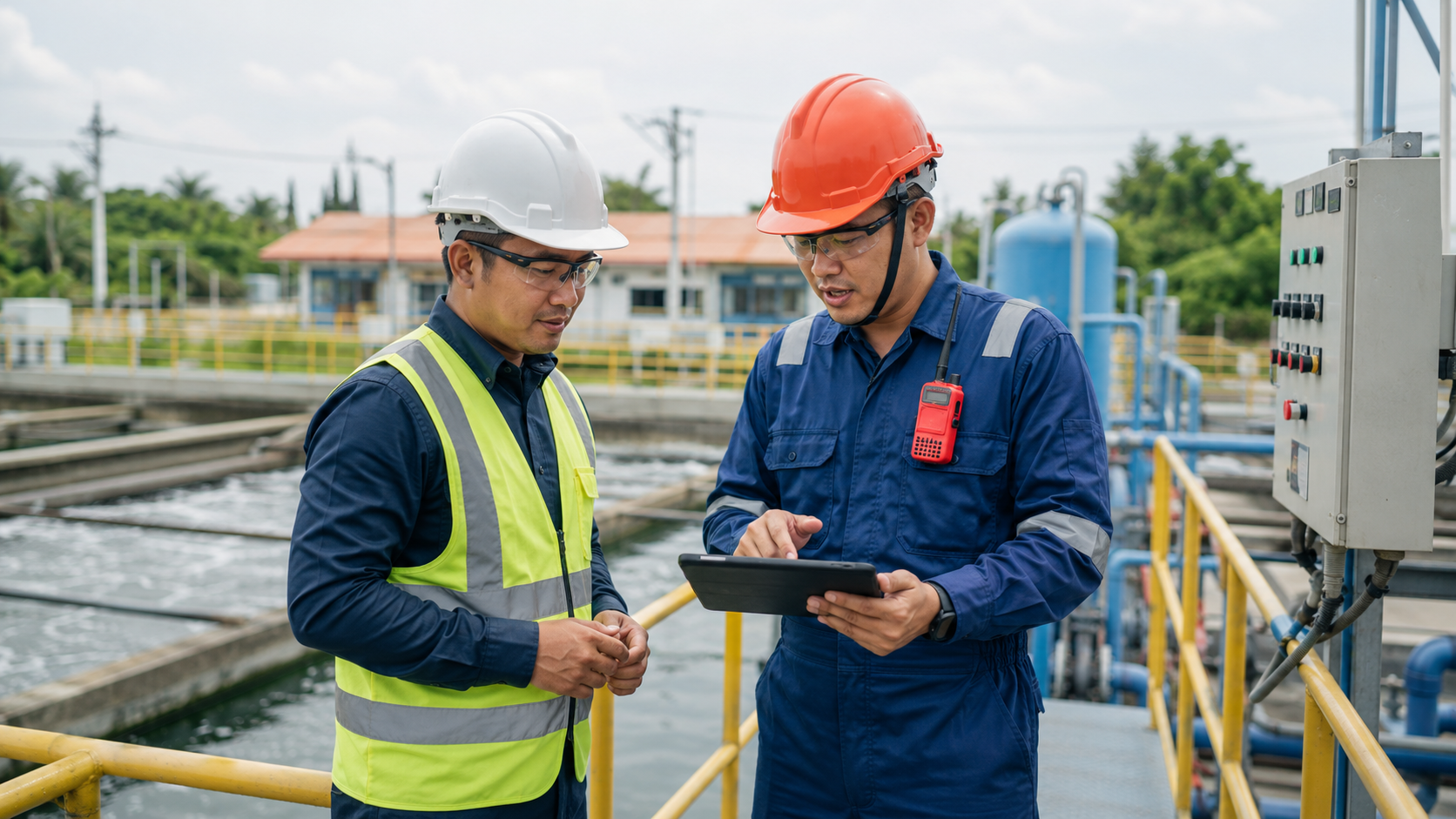
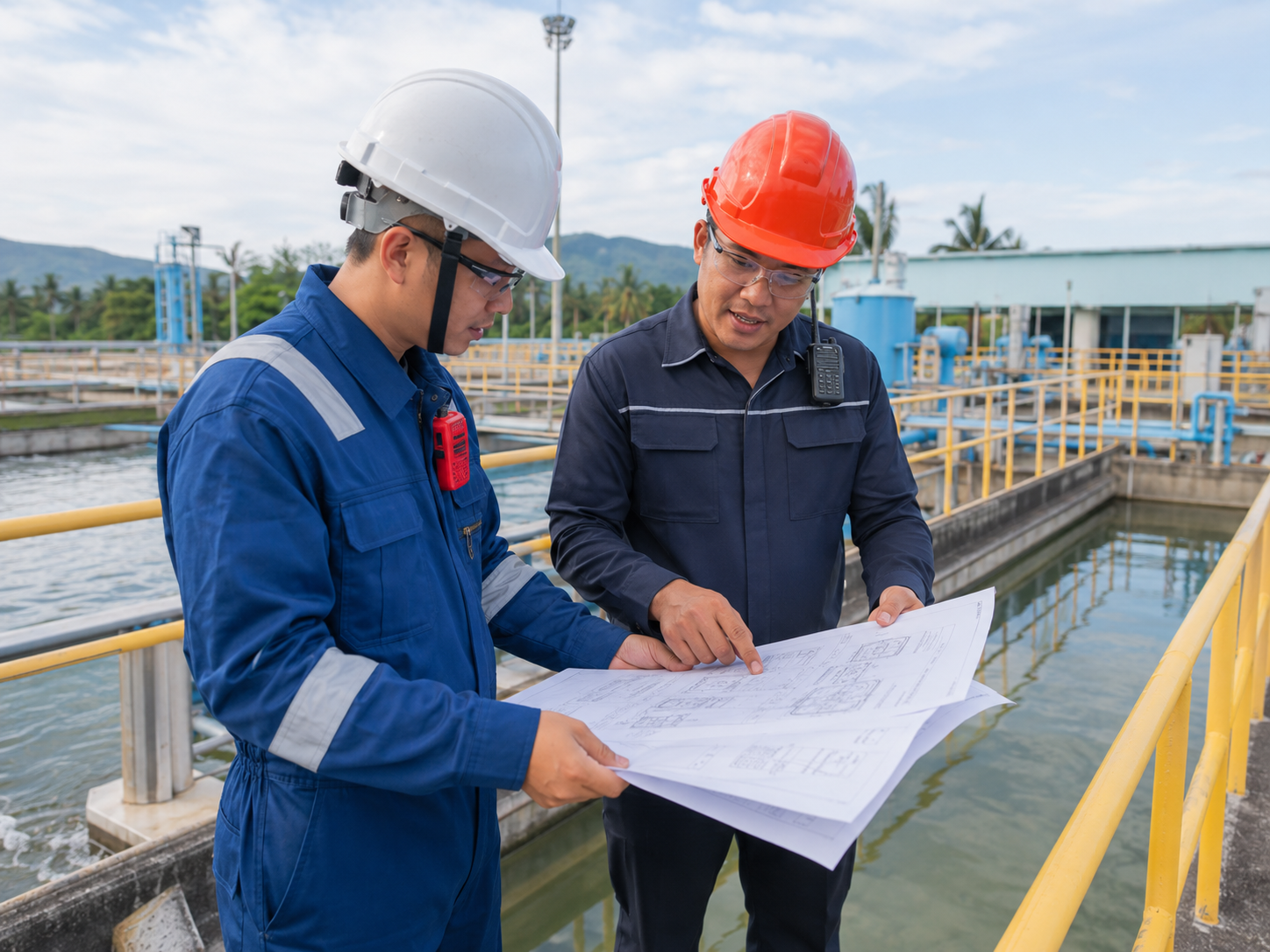
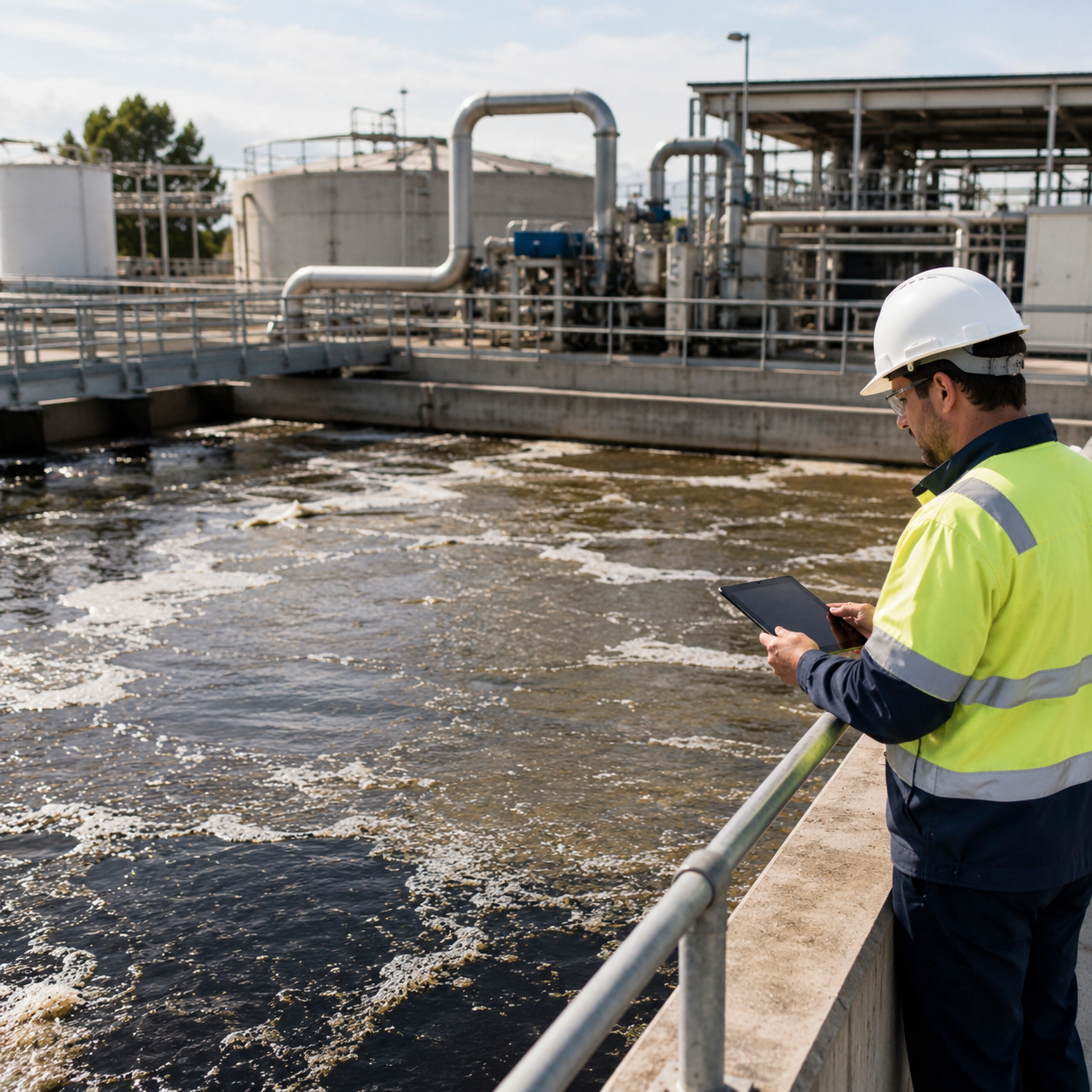
A reliable wastewater treatment partner does more than supply equipment or respond to emergencies. The best partners help manufacturers maintain stable plant performance through technical guidance, process optimisation, troubleshooting, operator training, and long-term operational support. While equipment is important, the value of a wastewater treatment partner is measured by how well they help a facility maintain compliance, improve efficiency, and solve problems over the entire lifecycle of the treatment plant.
Choosing a Partner, Not Just a Supplier

Support. Expertise. Long-term value.
Many manufacturers evaluate wastewater treatment providers based primarily on equipment specifications or project pricing. While these factors are important, they rarely determine how successfully an Industrial Effluent Treatment System (IETS) performs over the next 10 to 20 years.
Wastewater treatment plants operate in dynamic environments where production schedules, wastewater characteristics, regulations, and operational requirements constantly evolve. The right partner helps facilities adapt to these changes rather than simply supplying equipment at the beginning of the project.
Most Suppliers Focus On...
Many wastewater treatment companies provide excellent products, but their involvement often centres around the initial project.
Typical supplier services include:
- Equipment supply
- Chemical supply
- Plant construction
- Commissioning
- Scheduled maintenance
- Emergency breakdown visits
These services are essential, but they represent only one part of what manufacturers need to maintain long-term wastewater treatment performance.
Strong Wastewater Treatment Partners Provide More
Engineering support. Process improvement. Operational confidence.
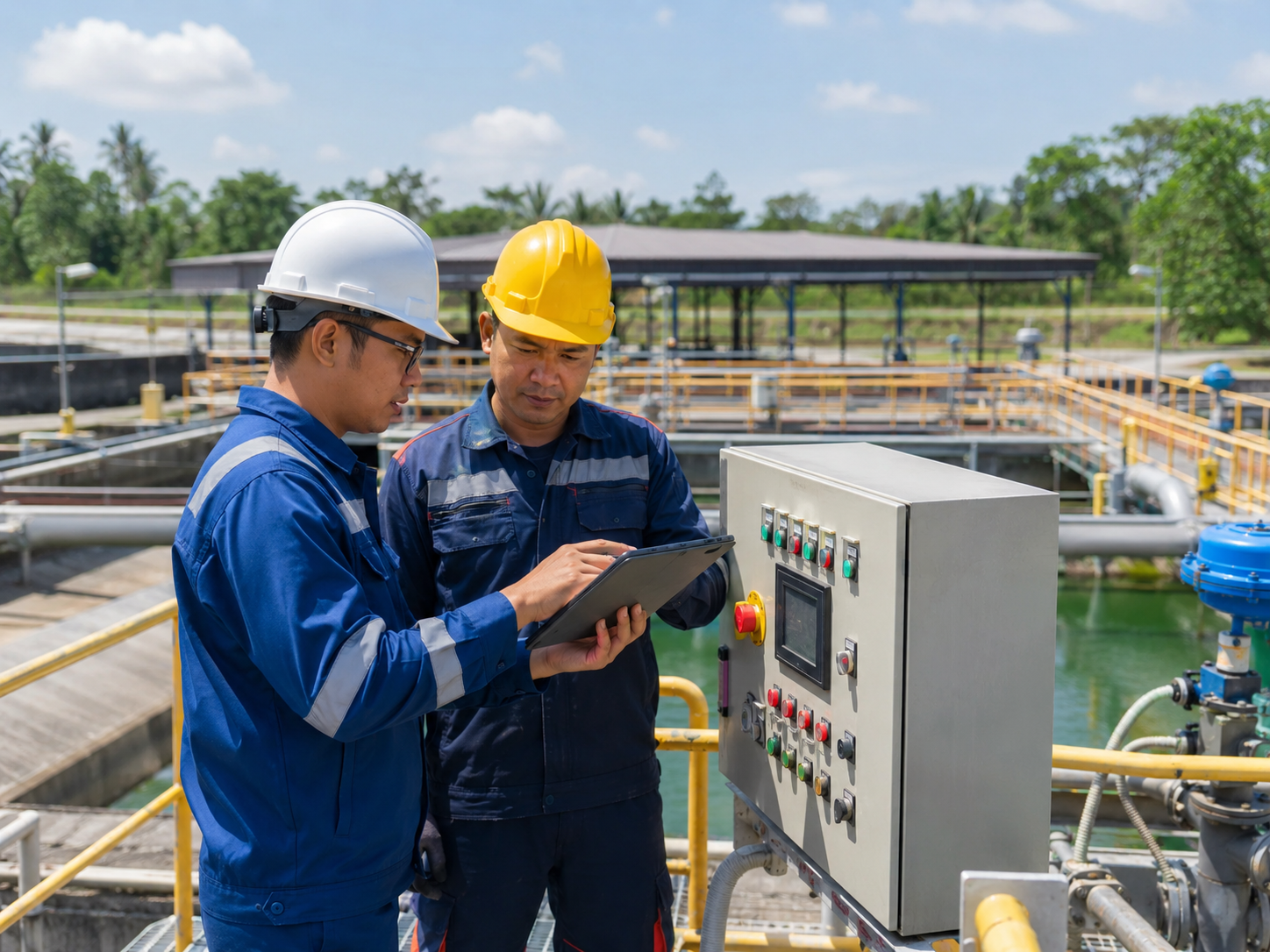
Experienced wastewater treatment partners continue to support facilities long after commissioning by helping operators understand and improve their treatment processes.

1. Process Interpretation
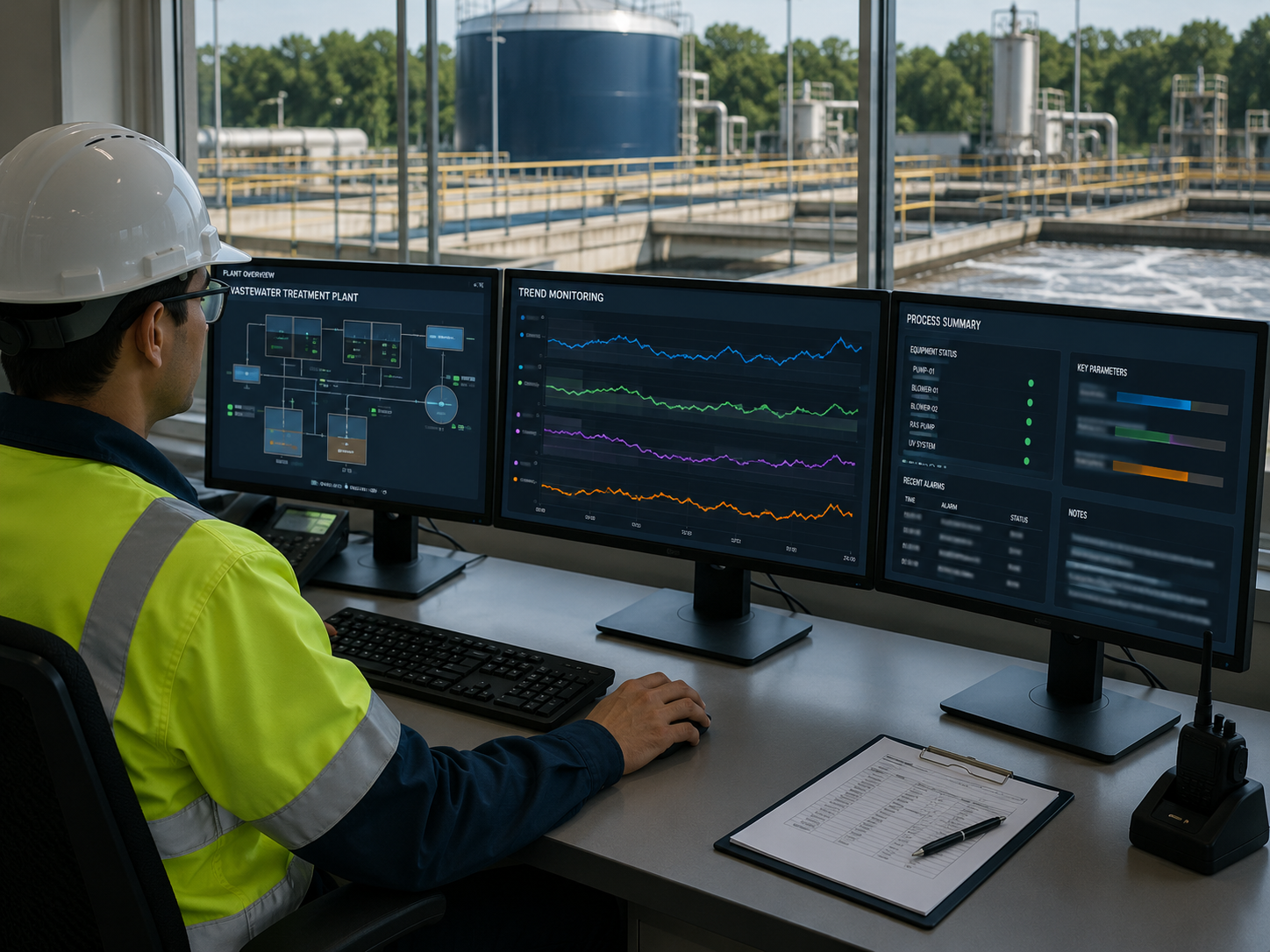
Wastewater treatment generates a large amount of operational data, including laboratory results, instrument readings, and process trends.
A strong technical partner helps interpret information such as:
- COD removal trends
- Biological performance
- Sludge settling behaviour
- Dissolved Oxygen (DO)
- MLSS and sludge age
- Chemical consumption
- Hydraulic loading
Understanding why a parameter changes is often more valuable than simply knowing that it has changed.
Related Reading: The Complete Guide to Industrial Wastewater Treatment Process and Stages.

2. Root Cause Analysis
Treating symptoms without identifying the underlying cause often leads to recurring operational problems.
Rather than repeatedly increasing chemical dosage or replacing equipment, experienced wastewater consultants investigate questions such as:
- Has the influent wastewater changed?
- Is equalisation functioning properly?
- Is biological activity healthy?
- Are operational procedures being followed?
- Has production increased beyond the original design capacity?
Root cause analysis helps facilities implement permanent improvements instead of temporary fixes.

3. Operator Guidance
Even the most advanced wastewater treatment technologies depend on knowledgeable operators.
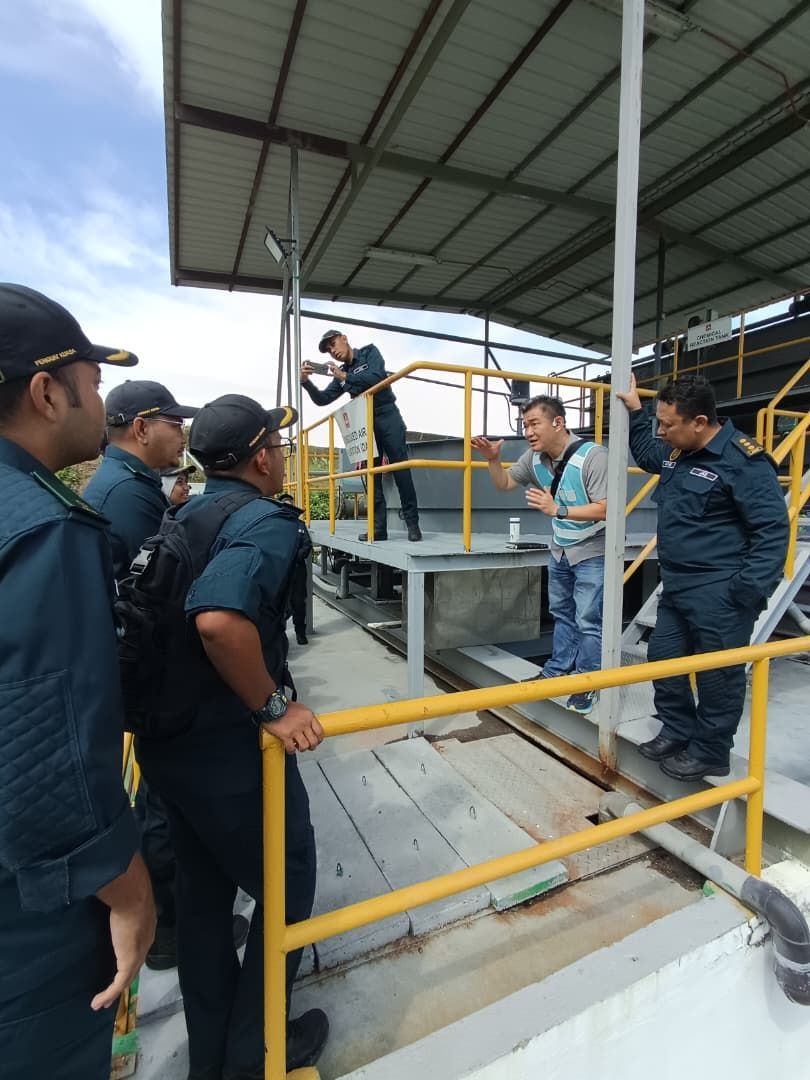
Good wastewater treatment partners provide guidance on:
Process understanding
Biological treatment control
Chemical dosing optimisation
Equipment operation
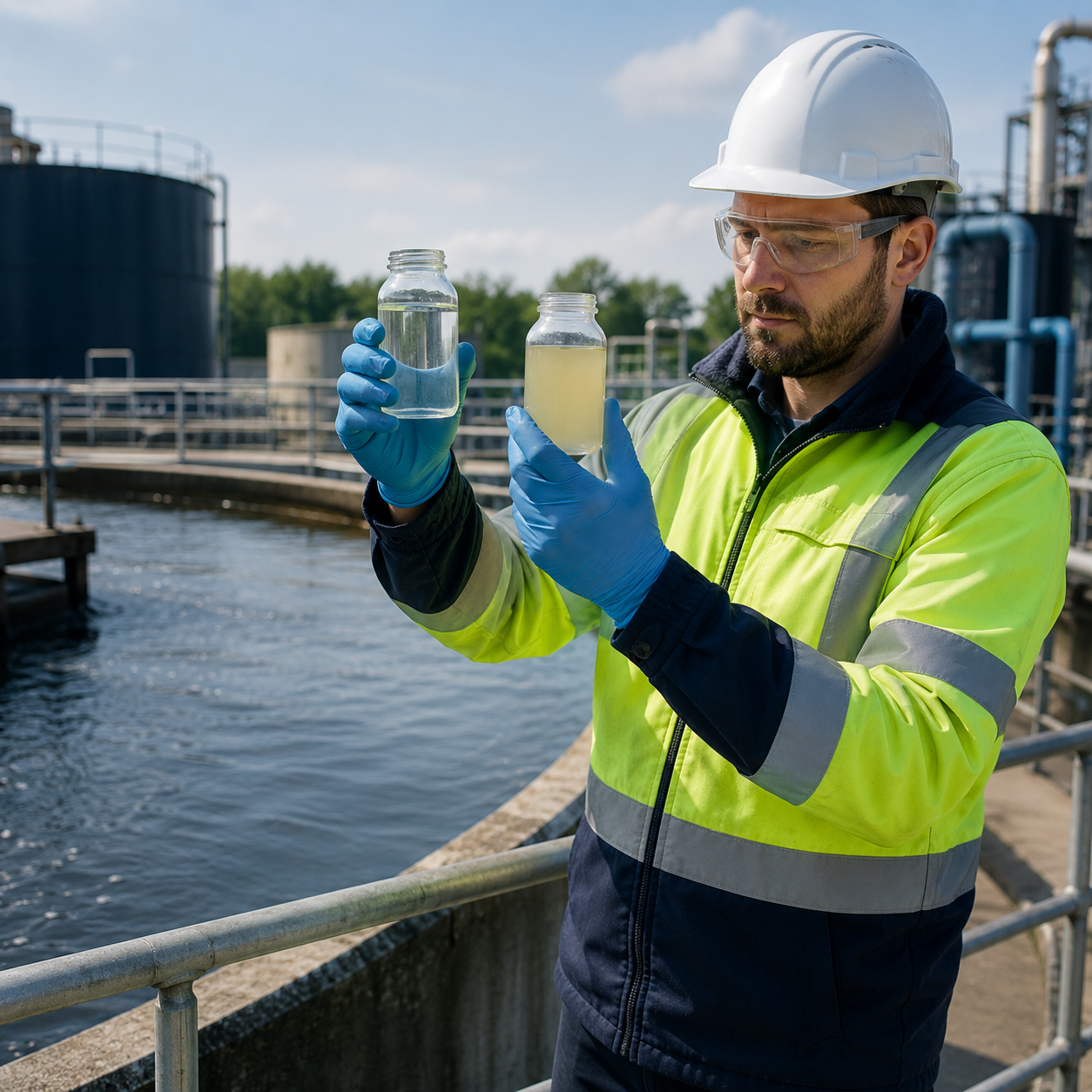
Sampling techniques
Preventive maintenance
Troubleshooting procedures
Investing in operator competency often produces measurable improvements in treatment performance without major capital expenditure.
Find out more about our IETS Operation & Maintenance Services.
4. Performance Improvement Recommendations
Continuous optimisation. Reduced costs. Increased reliability.
Wastewater treatment plants should improve over time rather than simply maintain existing performance.
Performance improvement initiatives may include:
Optimising aeration efficiency
Reducing chemical consumption
Improving sludge management
Increasing treatment capacity
Lowering energy usage
Enhancing effluent quality
Improving process automation
These improvements help reduce operating costs while supporting consistent environmental compliance.

5. Expansion Planning Support
Manufacturing facilities rarely remain unchanged throughout their operational life.
Production increases, new product lines, and process modifications often place additional loading on wastewater treatment systems.
An experienced wastewater treatment partner helps manufacturers evaluate:
Future capacity requirements
Equipment upgrade strategies
Hydraulic limitations
Biological treatment capacity
Regulatory implications
Capital investment planning
Planning ahead reduces the risk of emergency upgrades and unexpected compliance challenges.
Signs You Have the Right Wastewater Treatment Partner
A strong partnership is reflected in daily operations, not just project completion.
Characteristics of an effective wastewater treatment partner include:
- Responds quickly to technical enquiries
- Provides practical engineering recommendations
- Understands your production process
- Uses operational data to guide decisions
- Offers proactive improvement suggestions
- Supports operators through training and coaching
- Focuses on long-term plant performance
The goal is not simply to fix problems—it is to prevent them.
Questions to Ask Before Choosing a Wastewater Treatment Partner

Before appointing a consultant or contractor, consider asking:
- How will you support us after commissioning?
- Do you provide process optimisation services?
- Can you assist with operator training?
- How do you approach recurring compliance issues?
- Do you perform technical audits?
- Can you support future plant expansions?
- How do you identify root causes rather than temporary solutions?
The answers often reveal the difference between a supplier and a long-term technical partner.
Final Thoughts
The value of a wastewater treatment partner is rarely measured during normal operations. It becomes most apparent when a facility faces process instability, production changes, capacity limitations, or compliance challenges.
Manufacturers benefit most from partners who combine engineering expertise, operational experience, and long-term commitment to plant performance and not just equipment supply.
A successful wastewater treatment partnership should improve plant stability, strengthen compliance, reduce operating costs, and provide confidence that expert support is available whenever operational challenges arise.
Looking for a Long-Term Wastewater Treatment Partner?
At Cheme Advance Services Sdn. Bhd., we believe that supporting a wastewater treatment plant begins long after commissioning.
With more than 20 years of industry experience and a nationwide technical service team, we work alongside manufacturers across Malaysia to improve wastewater treatment performance through:
- Industrial Wastewater Treatment System (IETS) design and upgrading
- Technical audits and compliance reviews
- Root cause analysis and troubleshooting
- Process optimisation
- Operator training
- Operation & Maintenance (O&M) services
- Capacity expansion studies
- Water reuse and sustainability solutions
Book a Wastewater System Audit
Whether you are planning a new wastewater treatment plant, evaluating an existing system, or looking for a technical partner to improve long-term performance, our engineering team can help identify opportunities to enhance compliance, efficiency, and operational reliability.
Frequently Asked Questions
What services should a wastewater treatment consultant provide?
A wastewater treatment consultant should provide engineering advice, process optimisation, troubleshooting, technical audits, operator guidance, compliance support, and long-term improvement recommendations in addition to equipment selection.
What is the difference between a wastewater treatment supplier and a partner?
A supplier primarily delivers products or services, while a partner provides ongoing technical support, operational guidance, and strategic planning throughout the life of the wastewater treatment plant.
Why is root cause analysis important?
Identifying the root cause prevents recurring operational problems and reduces unnecessary spending on temporary corrective actions.
Should wastewater treatment partners support future plant expansions?
Yes. Understanding future production growth allows wastewater treatment systems to be upgraded strategically rather than reactively.
About the Author

Jones
Marketing Engineer | Cheme Advance Services Sdn Bhd
Jones is a Marketing Engineer at Cheme Advance Services Sdn Bhd and holds a Bachelor of Mechanical Engineering (Honours) from Monash University Malaysia. Drawing on experience in environmental engineering and close collaboration with Cheme Advance's technical specialists, he produces technically reviewed content on industrial wastewater treatment, plant optimisation, and environmental compliance for Malaysian industries.