
The Day Before DOE Sampling: How to Prepare for Compliance

jones chee • 10 July 2026

Share this article

The Day Before DOE Sampling: Why Last-Minute Fixes Rarely Work

The best preparation for a Department of Environment (DOE) wastewater sampling is not a last-minute chemical adjustment or emergency operational change. Consistent process control, regular monitoring, preventive maintenance, and a stable Industrial Effluent Treatment System (IETS) provide the highest likelihood of achieving long-term compliance with Malaysia's Industrial Effluent Regulations.


Facilities that operate their wastewater treatment plants consistently throughout the year are generally better prepared for inspections than those that only react when sampling is scheduled.

Why the Day Before Sampling Is Usually Too Late

Process stability. Biological health. Operational consistency.

One of the most common misconceptions is that wastewater quality can be significantly improved within 24 hours before DOE sampling.


While minor operational adjustments may help optimise plant performance, biological wastewater treatment systems require time to respond. Activated sludge microorganisms, biofilms, and anaerobic biomass cannot instantly recover from weeks of poor operating conditions simply because an inspection is approaching.


For most industrial wastewater treatment plants, compliance is achieved through daily operational discipline rather than one-day corrective actions.

How DOE Wastewater Sampling Works

What Does DOE Look For?

Compliance. Representative sampling. Environmental protection.

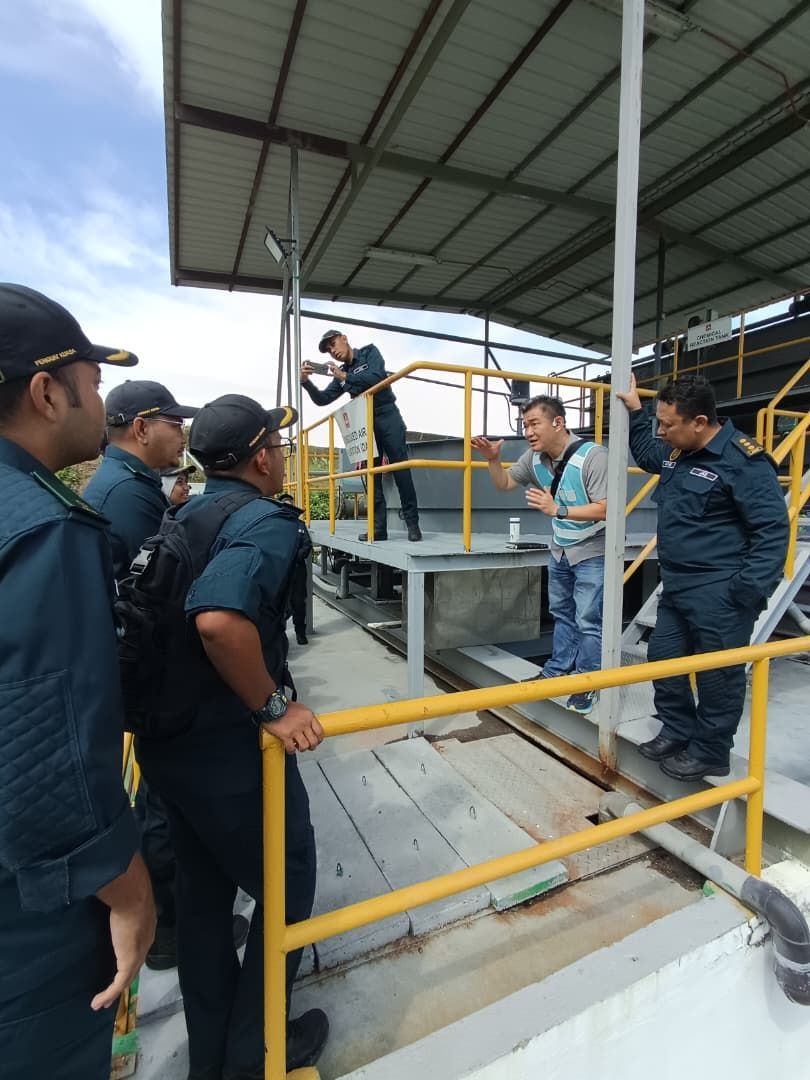
The Department of Environment (DOE) conducts wastewater sampling to determine whether industrial effluent complies with the Environmental Quality (Industrial Effluent) Regulations 2009.


Depending on the industry and licence conditions, sampled parameters may include:

  • pH
  • Chemical Oxygen Demand (COD)
  • Biochemical Oxygen Demand (BOD)
  • Total Suspended Solids (TSS)
  • Oil & Grease (O&G)
  • Ammoniacal Nitrogen (NH₃-N)
  • Heavy metals (where applicable)
  • Other industry-specific parameters


The objective is to evaluate the actual performance of the treatment system—not how well it performs for a single day.

Common Last-Minute Reactions Before DOE Sampling

Reactive operation. Temporary fixes. Increased risk.


When a sampling notification is received, some facilities attempt emergency actions such as:

  • Increasing chemical dosage
  • Excessive sludge wasting
  • Running equipment continuously after prolonged downtime
  • Cleaning tanks immediately before sampling
  • Reducing production temporarily
  • Adjusting pH aggressively


While some actions may improve individual parameters temporarily, they rarely address the underlying process issues responsible for recurring compliance problems.


In some cases, aggressive last-minute changes may even destabilise the biological treatment process.

What Stable Plants Do Differently

Planning. Monitoring. Prevention.


Facilities with consistently good compliance records rarely make significant operational changes before inspections.


Instead, they focus on:

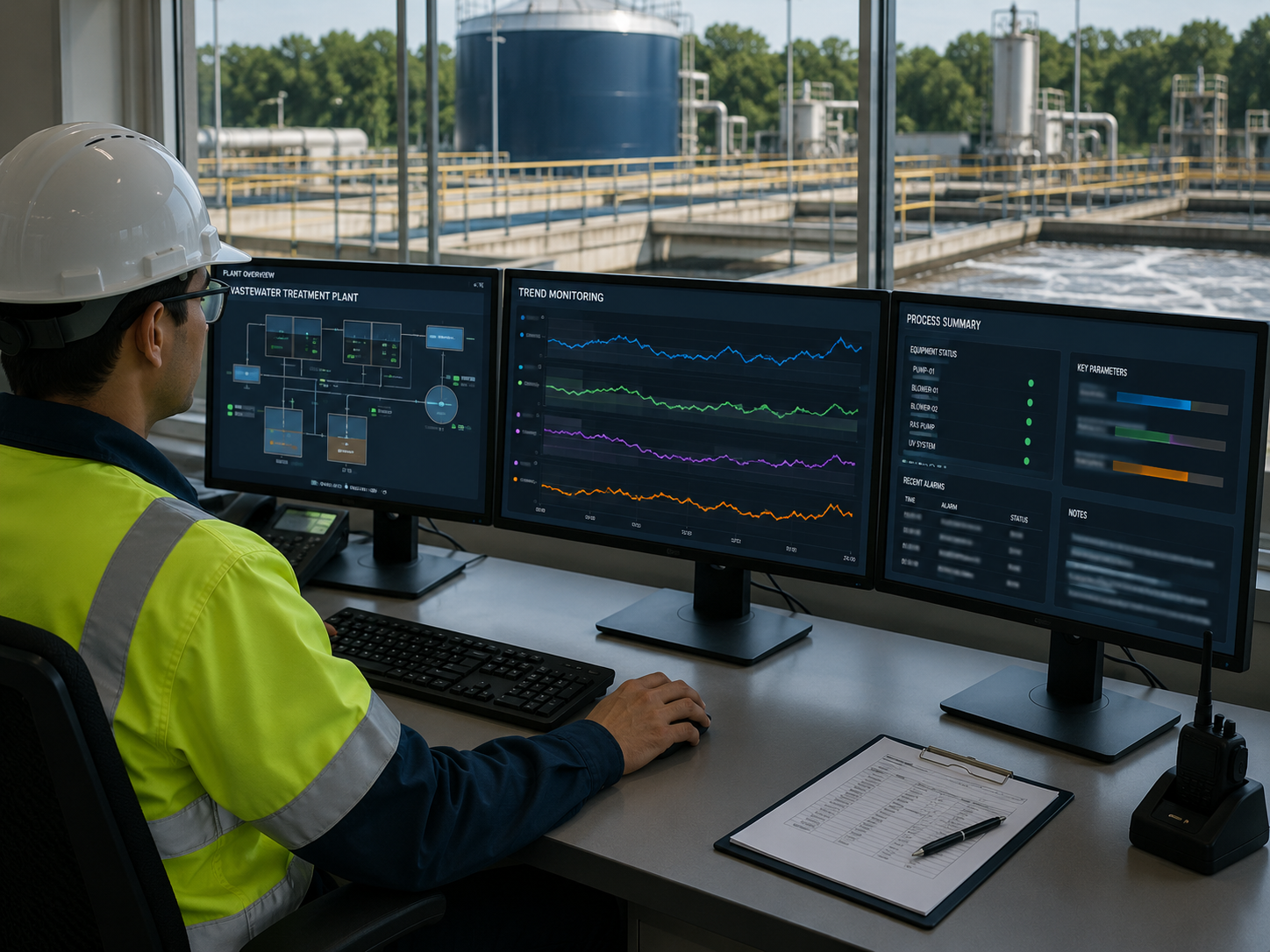
  • Daily process monitoring
  • Routine laboratory testing
  • Preventive equipment maintenance
  • Consistent sludge management
  • Biological process optimisation
  • Regular operator training


Because these practices are part of normal operations, DOE sampling becomes a verification of routine performance rather than a high-pressure event.


Related Reading: Why Some Wastewater Treatment Plants Remain Stable for Years While Others Constantly Need Troubleshooting.

How to Prepare for DOE Wastewater Sampling

Preparation begins long before the sampling date.

One Month Before


  • Review historical compliance trends.
  • Inspect critical equipment.
  • Verify laboratory instruments are calibrated.
  • Review chemical consumption.
  • Check sludge age and biological health.

One Month Before


  • Review historical compliance trends.
  • Inspect critical equipment.
  • Verify laboratory instruments are calibrated.
  • Review chemical consumption.
  • Check sludge age and biological health.

One Day Before


  • Continue normal plant operation.
  • Confirm all equipment is functioning.
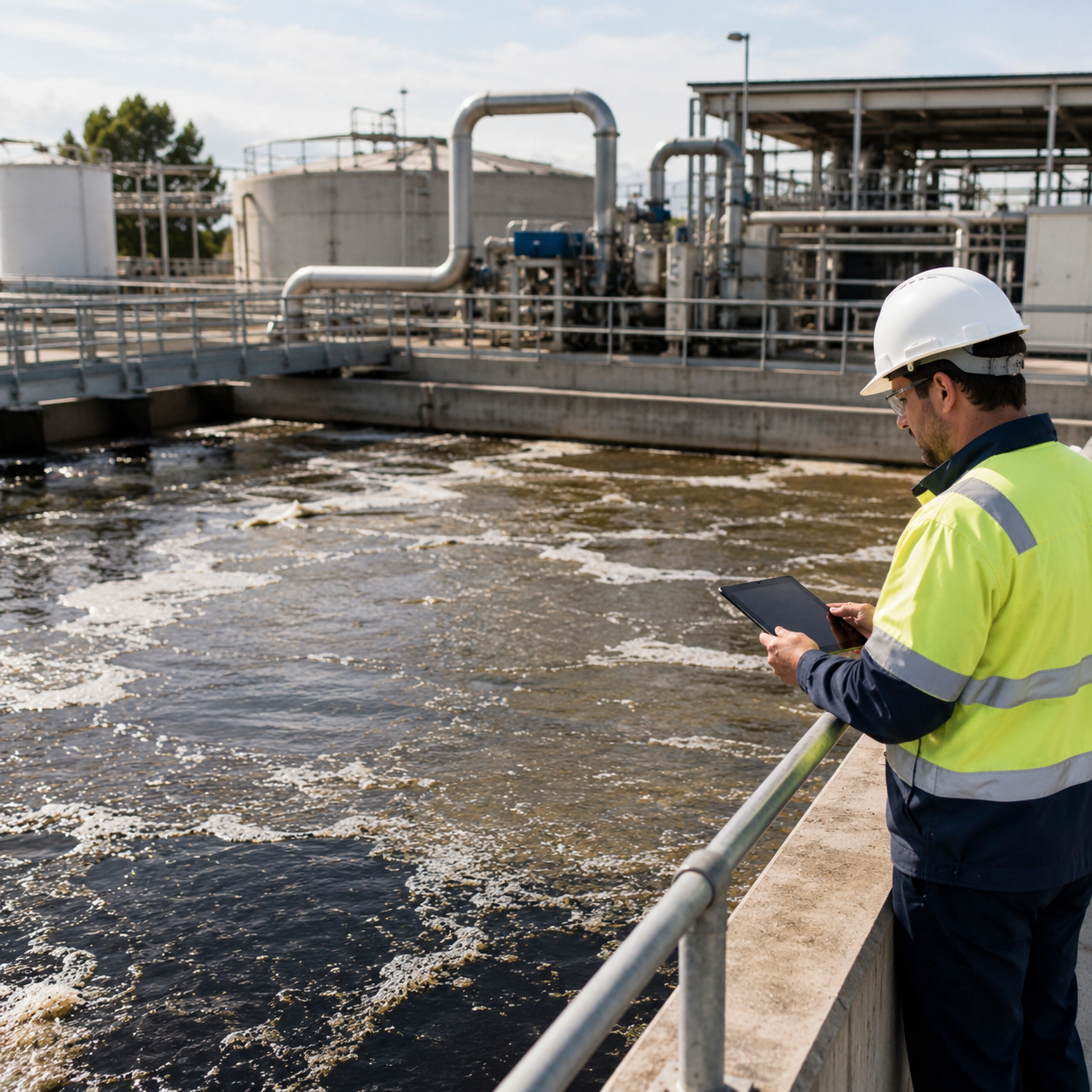
  • Ensure sampling points are accessible.
  • Review operational records.
  • Avoid unnecessary process changes unless a genuine operational issue exists.

Common Causes of DOE Compliance Failure

Many compliance failures originate from operational issues rather than equipment limitations.


Typical causes include:

Cause

Operational Impact

Influent shock loading

Poor equalisation

Low dissolved oxygen

Excess sludge accumulation

Inadequate maintenance

Incorrect chemical dosing

Insufficient operator training

Biological instability

Variable effluent quality

Reduced COD removal

Poor settling performance

Equipment reliability issues

Inefficient treatment

Delayed corrective actions

These issues usually develop over time and cannot be eliminated with last-minute adjustments.

The Importance of Compliance Monitoring

Trend analysis. Early intervention. Continuous improvement.


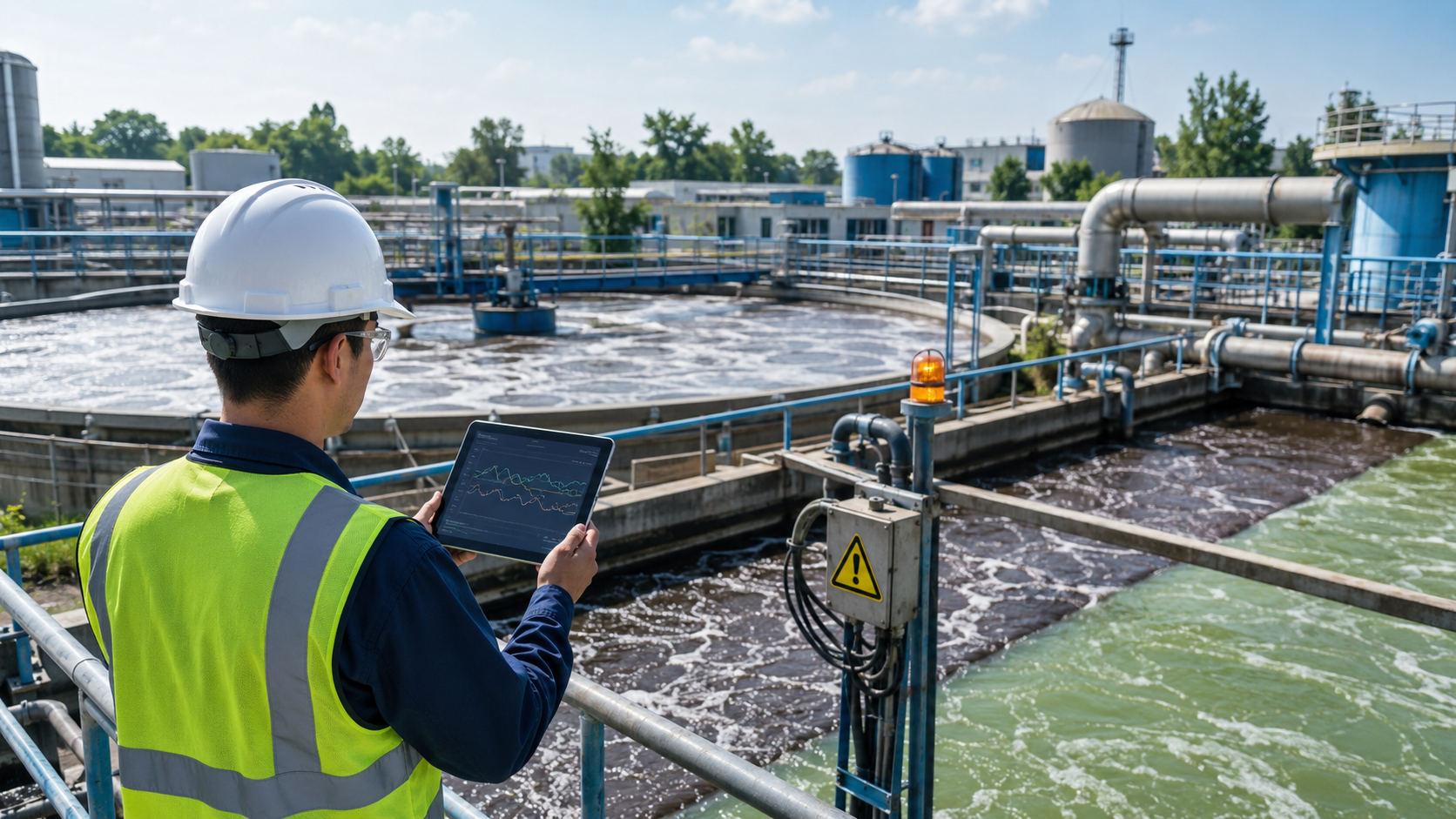
Routine compliance monitoring allows facilities to identify performance changes before regulatory limits are exceeded.


Key parameters to monitor include:

  • Flowrate
  • pH
  • COD
  • BOD
  • TSS
  • NH₃-N
  • Dissolved Oxygen (DO)
  • MLSS
  • Sludge settling characteristics (SV30/SVI)
  • Chemical consumption


Maintaining historical performance records also provides valuable information during technical audits and process optimisation exercises.


Find out more about our
operational and maintenance support services.

Pro Tip

The best-performing wastewater treatment plants do not prepare for DOE sampling, they operate as though sampling could occur every day.


This mindset encourages consistent process control, reduces operational stress, and improves long-term environmental compliance.

Final Thoughts

DOE wastewater sampling should not be viewed as an isolated inspection but as confirmation that an Industrial Effluent Treatment System is operating consistently and effectively.


Facilities that prioritise preventive maintenance, routine monitoring, operator competency, and continuous optimisation are far more likely to achieve stable compliance than those relying on emergency corrective actions before inspections.

Ultimately, wastewater compliance is built through consistent operational excellence, not last-minute intervention.


Need Support Maintaining DOE Wastewater Compliance?

If your facility experiences recurring compliance issues, increasing chemical consumption, or uncertainty before DOE inspections, a professional technical review can help identify the underlying causes and improve long-term plant performance.


The Cheme Advance Technical Team supports manufacturers across Malaysia with:

  • DOE wastewater compliance support
  • Industrial Effluent Treatment System (IETS) optimisation
  • Wastewater treatment troubleshooting
  • Compliance monitoring programmes
  • Operator training
  • Preventive maintenance strategies
  • Plant audits and process optimisation

Book a Wastewater System Audit


Whether preparing for an upcoming inspection or improving year-round treatment performance, Cheme Advance can help assess your wastewater treatment system and recommend practical, engineering-based improvements for reliable long-term compliance.

Frequently Asked Questions

How does DOE wastewater sampling work?

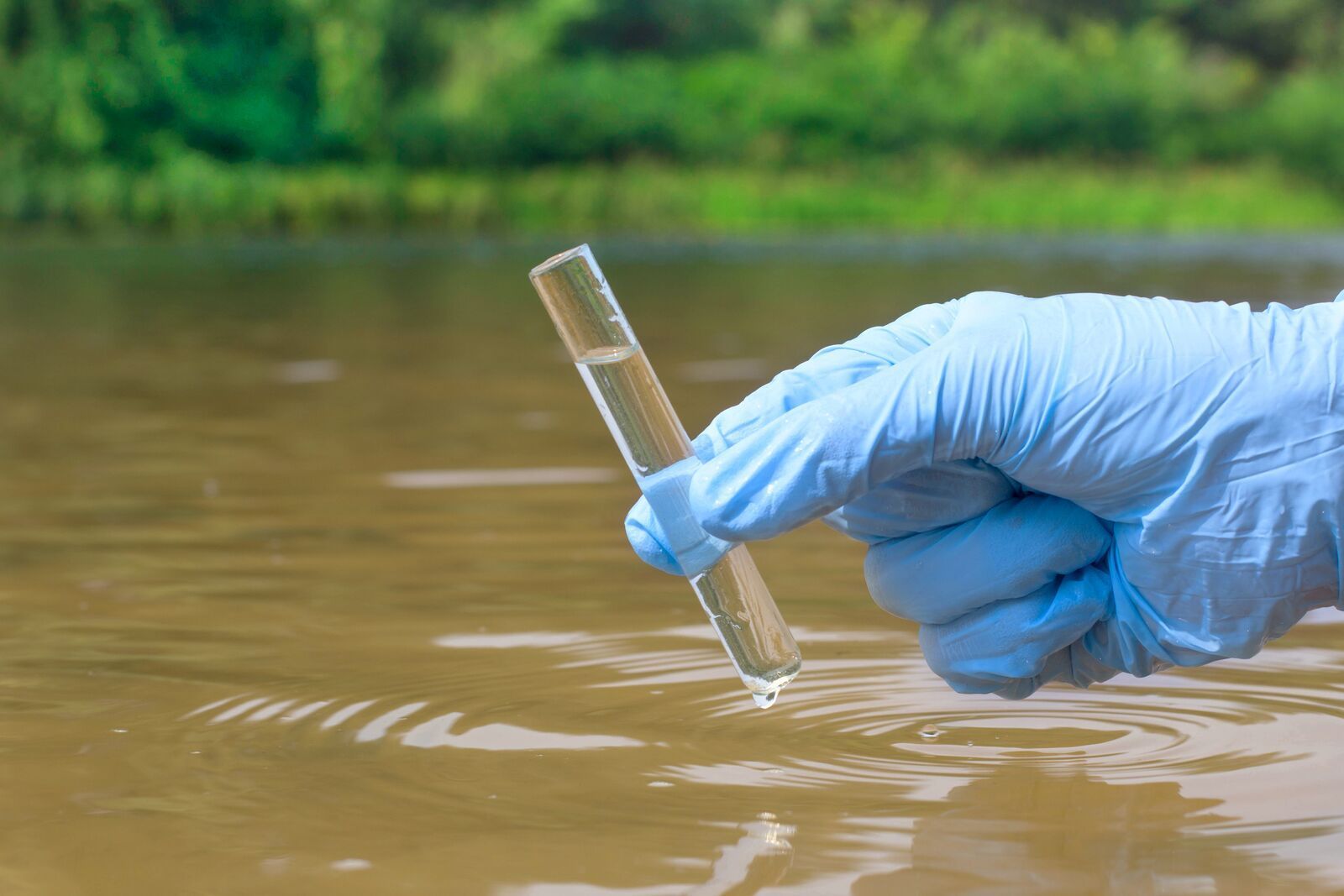
DOE officers collect representative wastewater samples from approved sampling points and analyse them against the applicable discharge standards under the Environmental Quality (Industrial Effluent) Regulations 2009.

What causes factories to fail wastewater compliance?

Common causes include unstable biological treatment, inadequate maintenance, poor equalisation, incorrect chemical dosing, equipment failures, and insufficient operational monitoring.

Can wastewater compliance be achieved with chemical dosing alone?

No. Chemicals can assist specific treatment processes, but long-term compliance depends on a properly designed and consistently operated wastewater treatment system.

Should wastewater treatment operations be changed before DOE sampling?

Routine operating conditions should generally be maintained. Significant last-minute operational changes can destabilise biological processes and produce inconsistent treatment performance.


Reference

  1. Department of Environment Malaysia – Environmental Quality (Industrial Effluent) Regulations 2009
  2. Environmental Quality Act 1974 (Act 127)
  3. Metcalf & Eddy, Wastewater Engineering: Treatment and Resource Recovery
  4. Water Environment Federation (WEF) operational guidance
  5. Cheme Advance Technical Team operational experience and engineering review

About the Author

Jones
Marketing Engineer | Cheme Advance Services Sdn Bhd


Jones is a Marketing Engineer at Cheme Advance Services Sdn Bhd with experience in the environmental engineering industry. He holds a Bachelor of Mechanical Engineering (Honours) from Monash University Malaysia and works closely with Cheme Advance's technical team to develop accurate, practical content on industrial wastewater treatment, plant optimisation, and environmental compliance. His articles combine engineering principles, industry best practices, and real-world operational insights to help Malaysian manufacturers make informed decisions.

Recent Posts

by Jones Chee 9 July 2026
Learn why some wastewater treatment plants consistently achieve stable performance while others require frequent troubleshooting. Discover practical strategies for long-term optimisation.
by sales albeadvance 26 June 2026
Learn about the most important industrial wastewater treatment technologies including DAF, MBBR, MBR, Activated Sludge, UASB, EGSB, sludge dewatering, and water reuse systems.
by sales albeadvance 24 June 2026
Compliance failures don’t happen overnight. Spot early signs in your effluent treatment system before small issues turn into bigger problems.
by sales albeadvance 23 June 2026
Learn how industrial wastewater treatment works, including primary, secondary, and tertiary treatment stages, common technologies, and how industries achieve environmental compliance in Malaysia.
by sales albeadvance 17 June 2026
What Many Plants Misunderstand About MBR Systems
Industrial wastewater treatment system with large treatment tanks, piping, and access platforms for
by sales albeadvance 11 June 2026
Industrial water management is shifting from DOE compliance to stable treatment, resilience, and wastewater recycling for long-term sustainability.
Foaming aeration tank in an industrial wastewater treatment plant for biological treatment process
by sales albeadvance 10 June 2026
A food and beverage wastewater treatment case study on blower failure, aeration interruption, repair action, and standby planning for stable performance.
Wastewater Treatment
by sales albeadvance 9 June 2026
How industrial wastewater recycling can turn wastewater treatment from a compliance cost into a long-term water asset for businesses in Malaysia.
by sales albeadvance 3 June 2026
Learn why a stable effluent treatment system is more important than achieving one-time DOE compliance. Discover how operational stability, sludge management, and influent control improve long-term wastewater performance.
by sales albeadvance 29 May 2026
What Clients Really Need from Their IETS Partner After Project Handover
Show More