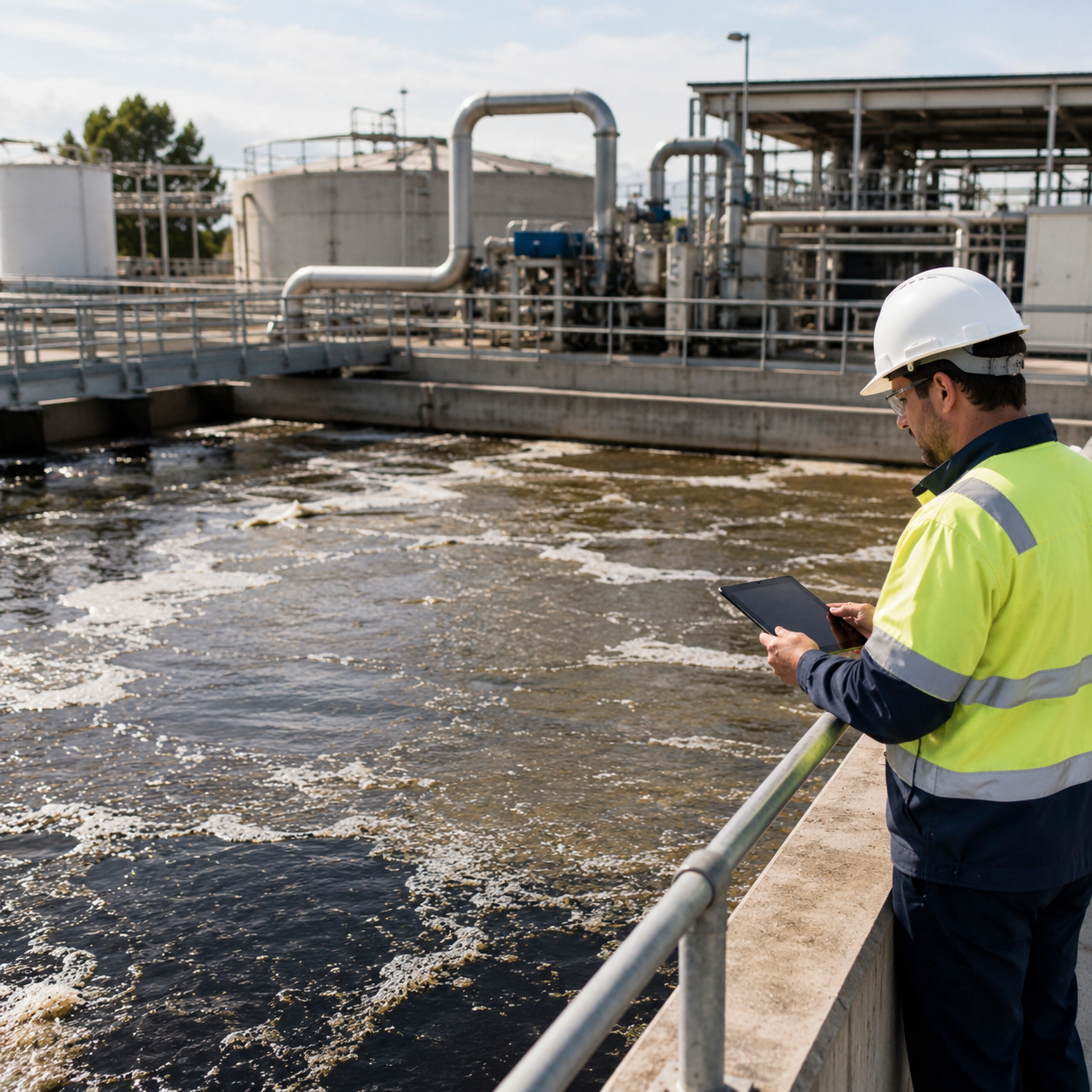
The Complete Guide to Industrial Wastewater Treatment Process and Stages

sales albeadvance • 23 June 2026

Share this article

The Complete Guide to Industrial Wastewater Treatment Process and Stages

Industrial wastewater treatment removes contaminants, protects water resources, and enables regulatory compliance. Industrial wastewater treatment combines physical, chemical, and biological processes to reduce pollutants before wastewater is discharged or reused. Industrial wastewater treatment is essential for manufacturing facilities seeking operational stability, environmental compliance, and sustainable growth.


Every industrial facility generates wastewater differently. Food manufacturers produce wastewater rich in organic matter; chemical plants may generate high-strength effluent containing complex compounds; and electronics manufacturers often produce wastewater containing heavy metals and process chemicals.


Because wastewater characteristics vary significantly between industries, treatment systems must be carefully designed to address specific contaminants and discharge requirements.


This guide explains the complete industrial wastewater treatment process, the purpose of each stage, and the technologies commonly used in modern Industrial Effluent Treatment Systems (IETS).

Quick Answer: What Are the Main Stages of Industrial Wastewater Treatment?

Most industrial wastewater treatment plants follow these stages:


  1. Preliminary Treatment (Screening)
  2. Equalisation and Flow Balancing
  3. Chemical Treatment
  4. Primary Solid Separation
  5. Biological Treatment
  6. Secondary Clarification
  7. Tertiary Polishing
  8. Sludge Treatment and Disposal
  9. Final Discharge or Water Reuse


The exact configuration depends on wastewater characteristics, regulatory requirements, available footprint, and operational objectives.

Why Industrial Wastewater Treatment Is Important

Environmental protection. Regulatory compliance. Operational sustainability.

Untreated industrial wastewater can contain:

  • High Chemical Oxygen Demand (COD)
  • High Biochemical Oxygen Demand (BOD)
  • Suspended Solids (TSS)
  • Oil and Grease (O&G)
  • Nutrients such as Nitrogen and Phosphorus
  • Heavy Metals
  • Toxic Chemicals
  • Pathogens


Failure to properly treat wastewater can result in:

  • Regulatory enforcement actions
  • Environmental damage
  • Production disruptions
  • Increased operational costs
  • Reputational risks


A properly designed treatment system protects both business operations and environmental resources.

Stage 1: Preliminary Treatment

What Happens During Preliminary Treatment?

Large solids. Floating debris. Equipment protection.

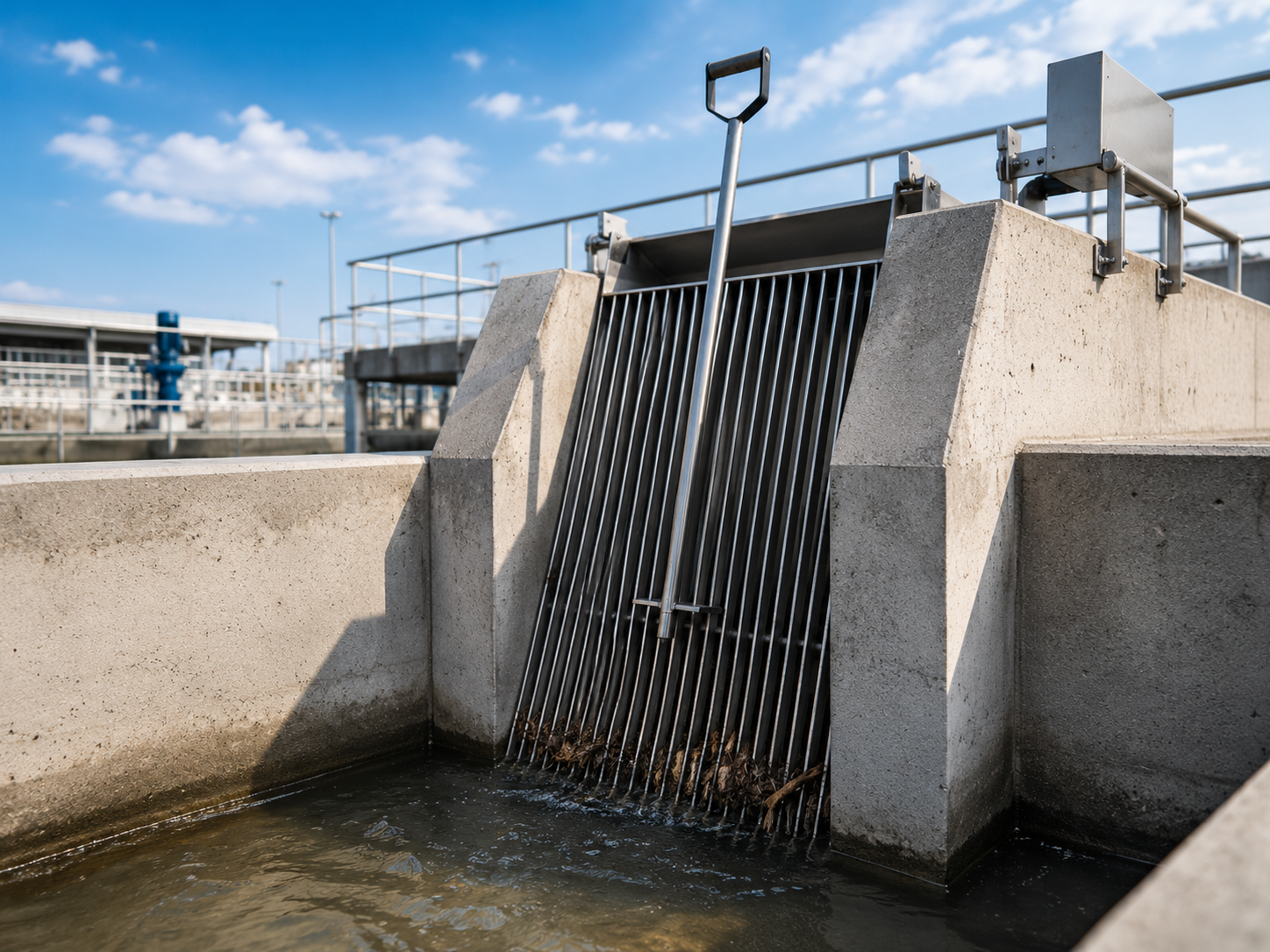
Preliminary treatment removes large materials that could damage downstream equipment or interfere with treatment processes.

Common equipment includes:


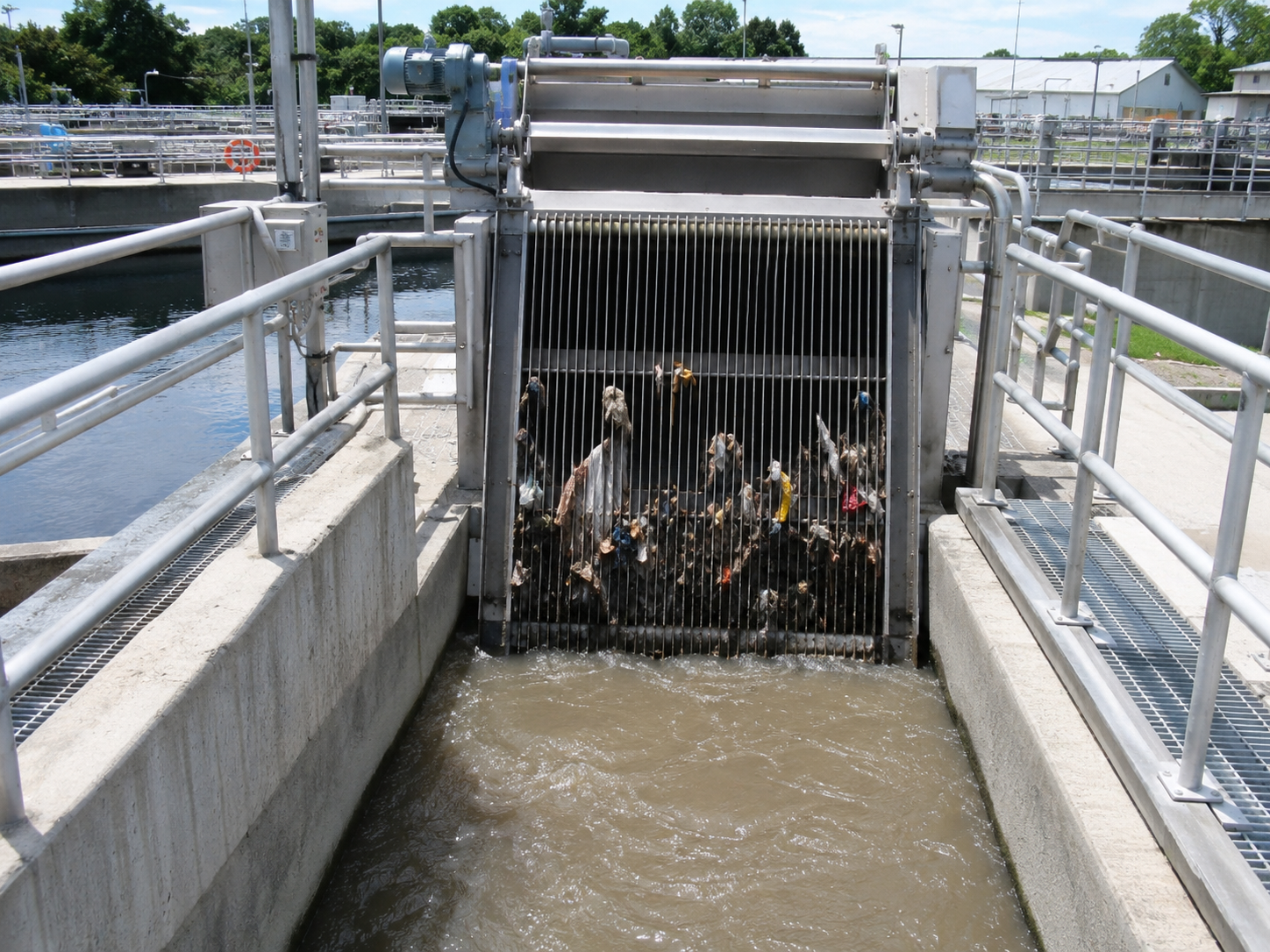
Bar Screen

Removes large debris such as:

  • Plastic
  • Packaging materials
  • Wood
  • Rags
  • Food waste


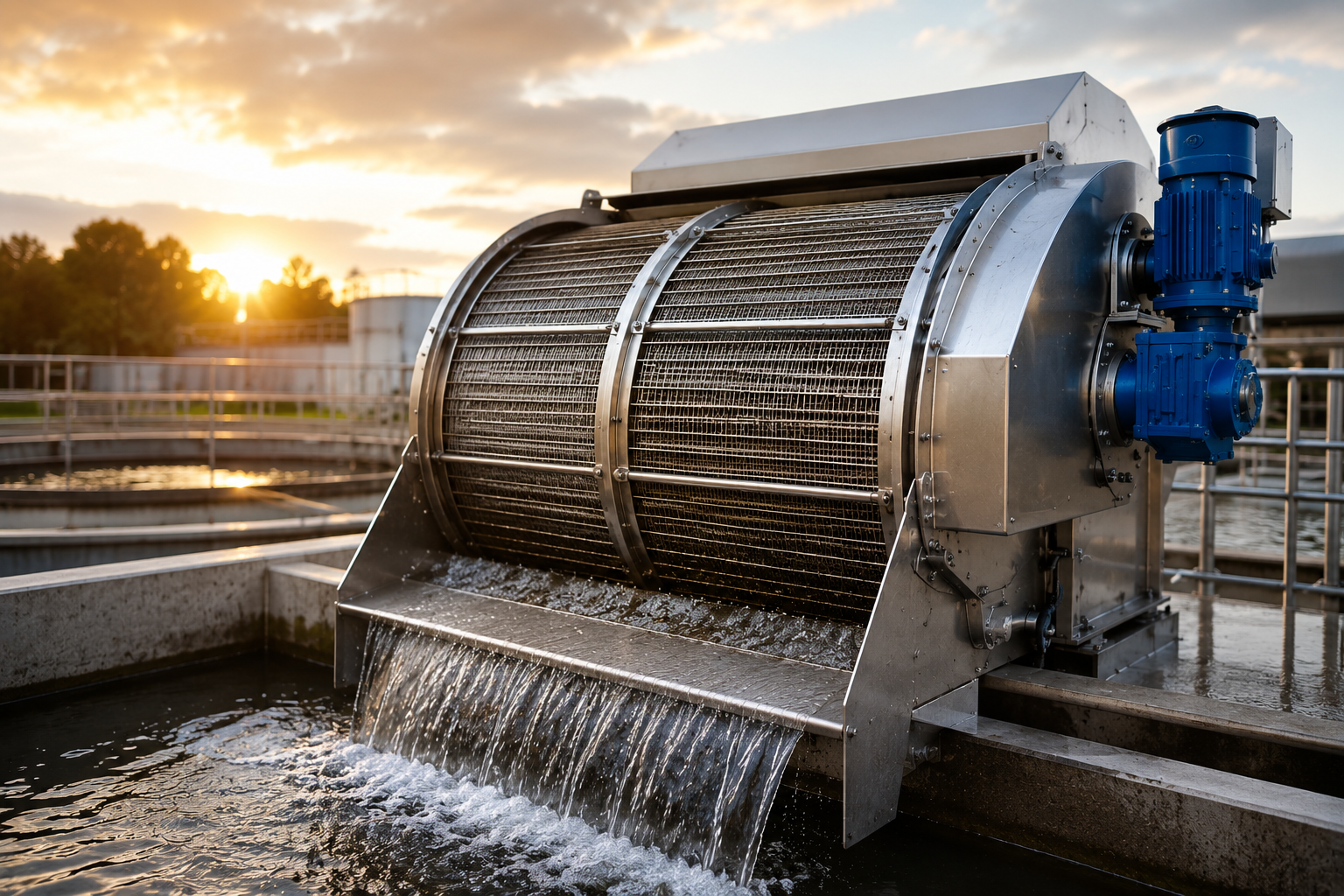
Rotary Drum Screen

Provides finer screening and removes smaller suspended solids before treatment.


Static Screen

Often used in food processing facilities to reduce suspended solids loading before biological treatment.


Benefits of Preliminary Treatment

  • Protects pumps and equipment
  • Reduces downstream maintenance
  • Improves process efficiency
  • Extends equipment lifespan


Stage 2: Equalisation Tank (EQ Tank)

Why Is Equalisation Important?

Flow balancing. Load balancing. Process stability.


Industrial wastewater flow and pollutant concentrations rarely remain constant throughout the day.


An Equalisation Tank acts as a buffer that:

  • Stores incoming wastewater
  • Reduces shock loading
  • Stabilises flowrate
  • Improves downstream treatment performance


Without adequate equalisation, treatment systems often experience:

  • Biological instability
  • Chemical overdosing
  • Poor settling performance
  • Effluent non-compliance


Pro Tip

Many wastewater treatment problems originate upstream. Improving equalisation often delivers greater benefits than upgrading downstream equipment.

Stage 3: Chemical Treatment

What Is Chemical Treatment?

Coagulation. Flocculation. Contaminant removal.


Chemical treatment destabilises suspended particles and prepares them for separation.


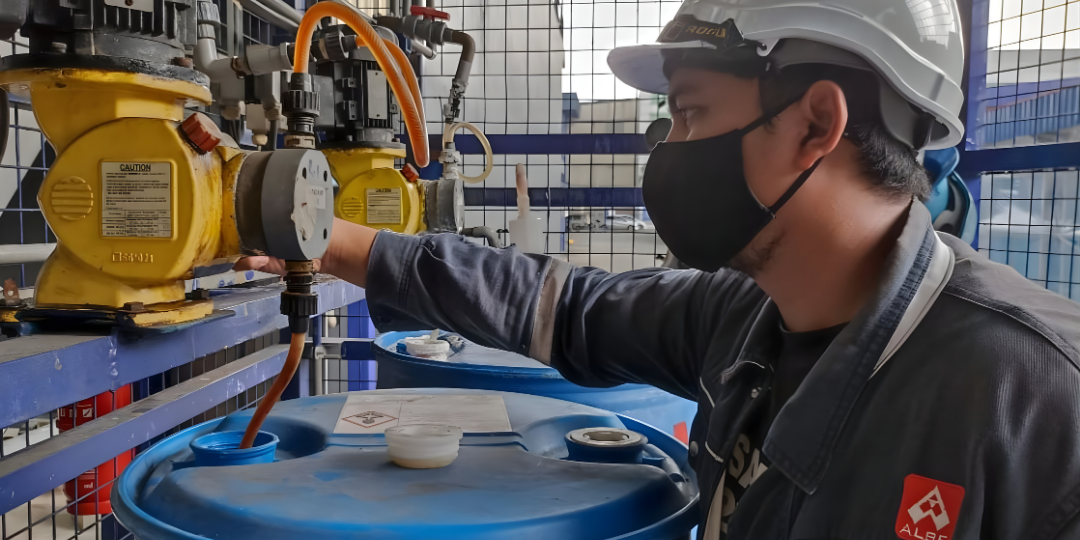
Common Chemicals Used

Coagulants

Destabilise particles

Improve floc formation

Optimise treatment conditions

Break down difficult contaminants

Polymers

pH Adjusters

Oxidising Agent

Chemical Type

Purpose

Typical Pollutants Removed

  • Suspended solids
  • Oil and grease
  • Colour
  • Heavy metals
  • Emulsified contaminants

Stage 4: Primary Separation

How Are Solids Removed?


Gravity separation. Flotation separation. Physical removal.


Following chemical treatment, solids must be separated from water.

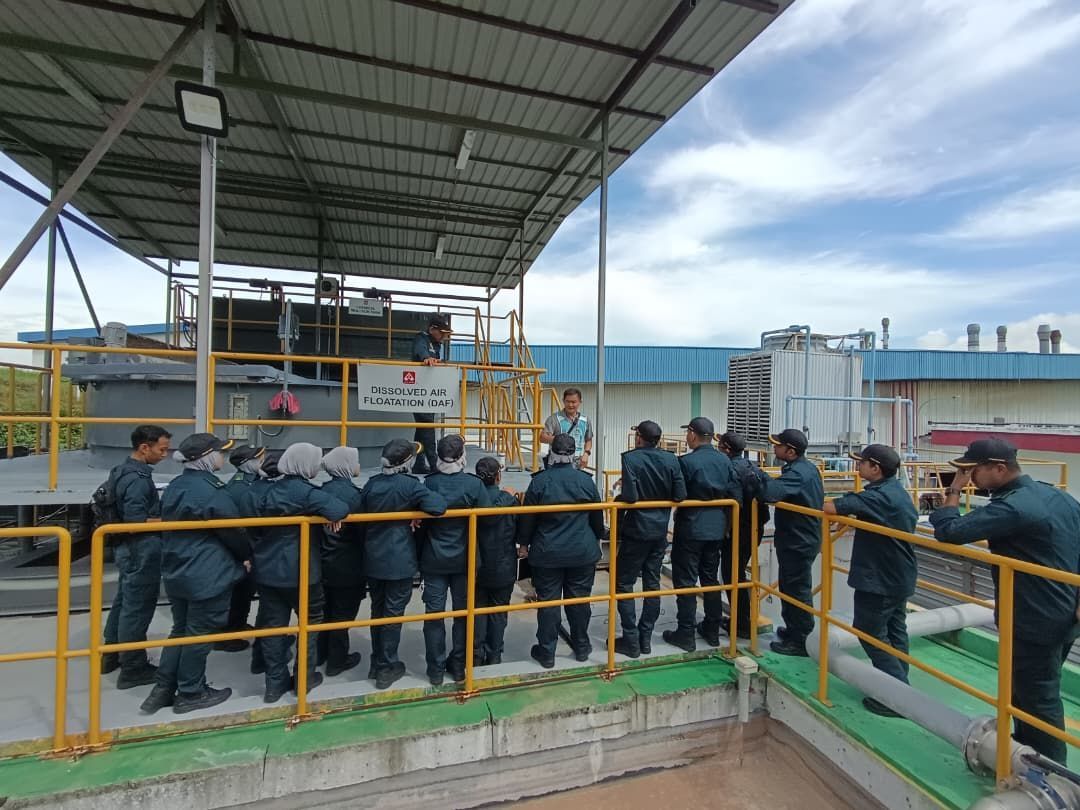
Dissolved Air Flotation (DAF)

DAF systems introduce microscopic air bubbles that attach to particles and float them to the surface.

DAF is highly effective for:

  • Food and beverage wastewater
  • Palm oil effluent
  • Oil and grease removal
  • High suspended solids wastewater


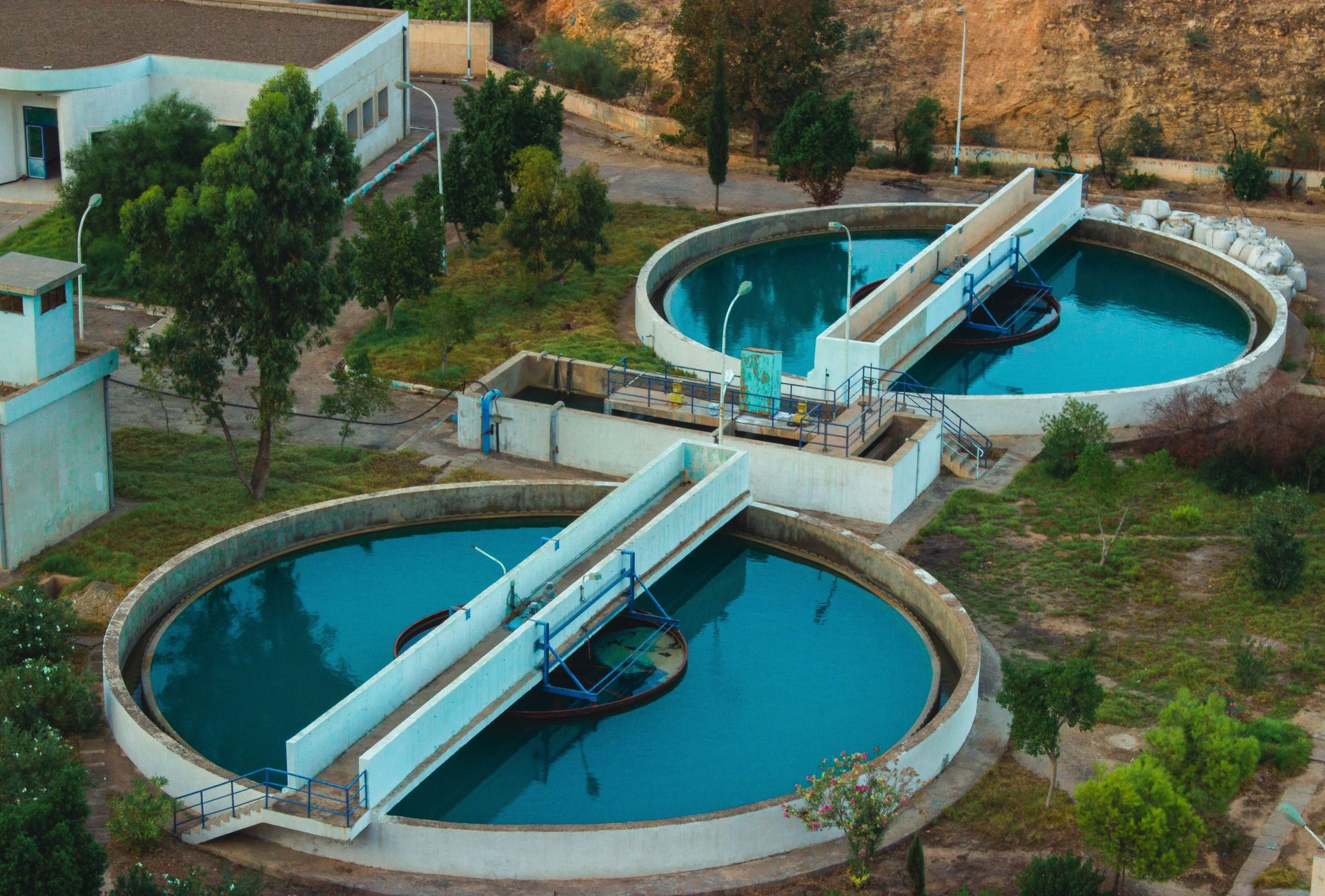
Primary Clarifier

Clarifiers rely on gravity settling to separate solids from water.

Advantages include:

  • Simple operation
  • Lower operating costs
  • Effective solids removal

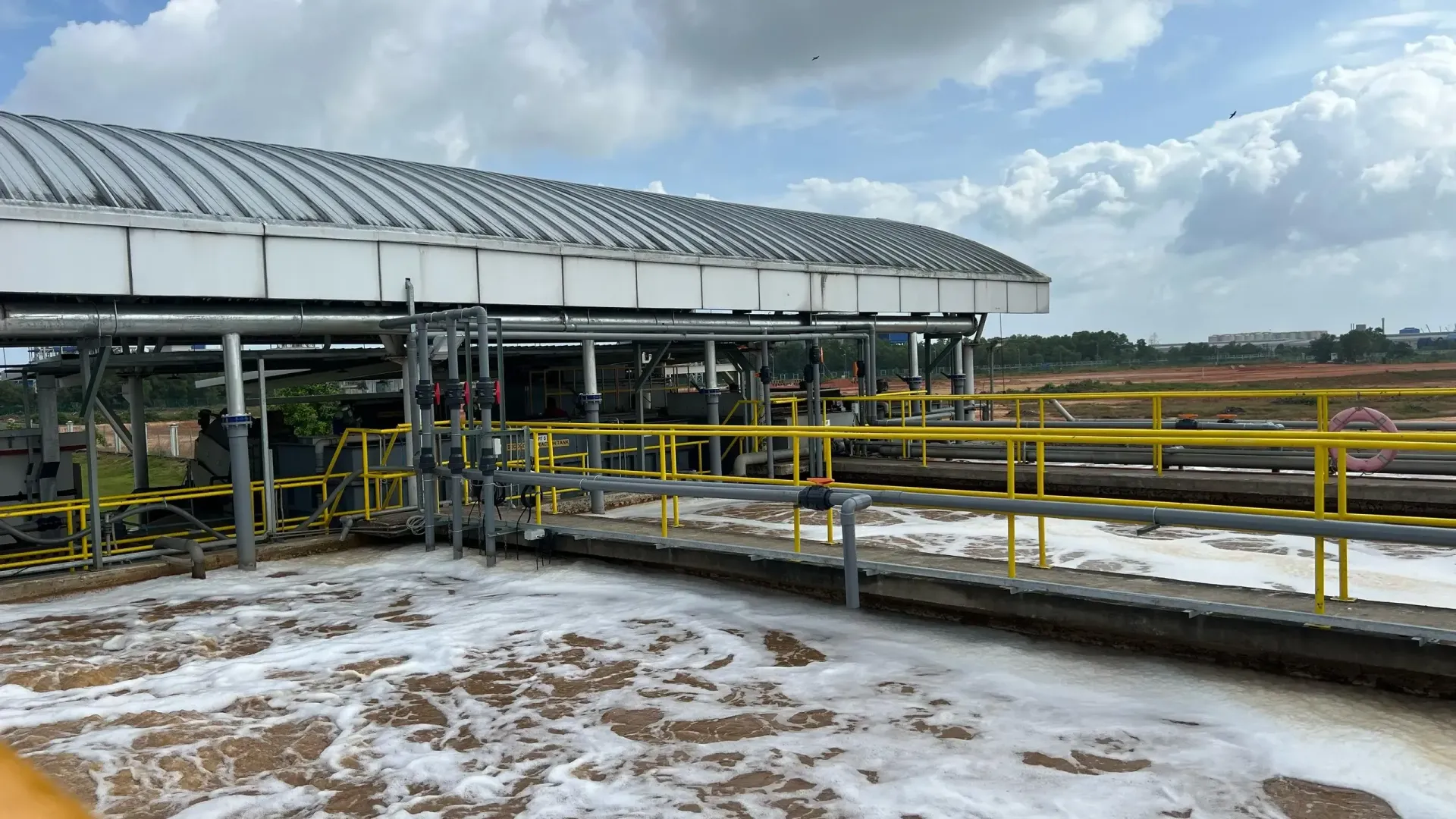
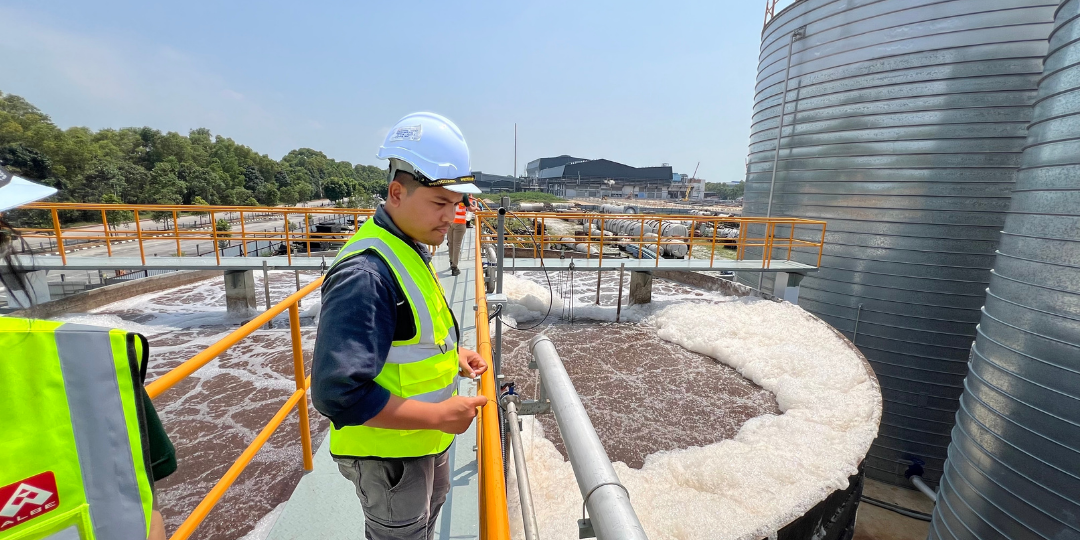
Stage 5: Biological Treatment

What Is Biological Treatment?

Microorganisms consume organic pollutants and convert them into biomass, carbon dioxide, and water.


Biological treatment is often the most important stage in industrial wastewater treatment because it removes the majority of biodegradable pollutants.

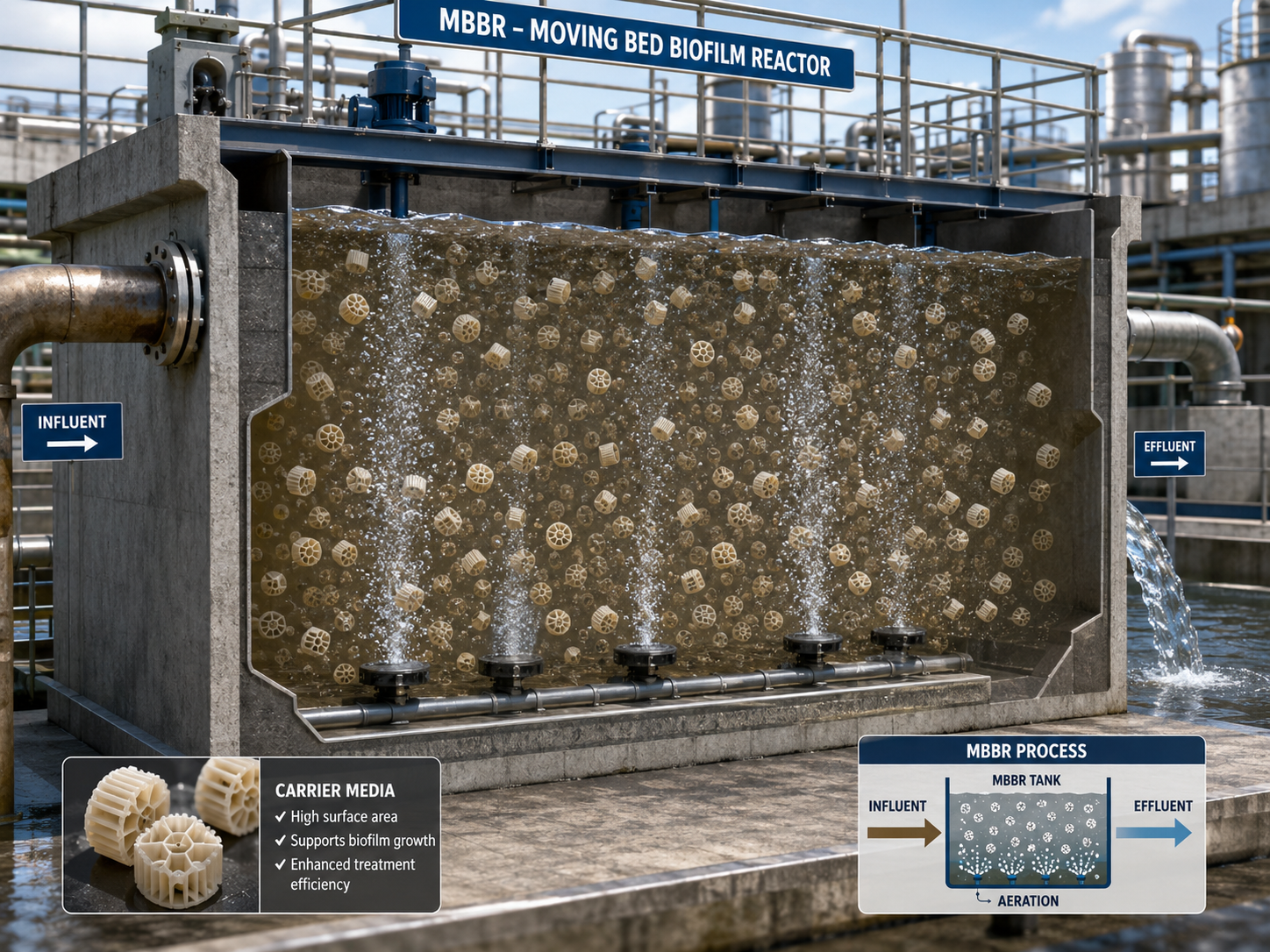
Moving Bed Biofilm Reactor (MBBR)

Uses biofilm carriers that provide additional surface area for microbial growth.


Advantages:

  • Higher treatment capacity
  • Improved process stability
  • Better resistance to loading fluctuations

Membrane Bioreactor (MBR)

Combines biological treatment with membrane filtration.


Benefits include:

  • Excellent effluent quality
  • Near-zero suspended solids
  • Water reuse suitability
  • Reduced footprint requirements

Anaerobic Treatment

(UASB / EGSB)

Anaerobic systems treat high-strength wastewater while generating biogas.


Common applications:

  • Food manufacturing
  • Palm oil mills
  • Breweries
  • Distilleries

Stage 6: Secondary Clarification

Why Is Secondary Clarification Required?

Biomass separation. Effluent polishing. Process control.


After biological treatment, microorganisms must be separated from treated water.


Secondary clarifiers:

  • Settle biological solids
  • Return biomass to the process (RAS)
  • Maintain MLSS concentration
  • Improve final effluent quality


Common operational issues include:

  • Sludge bulking
  • Sludge washout
  • Poor settling characteristics

Stage 7: Tertiary Treatment

What Is Tertiary Treatment?

Polishing. Refinement. Final contaminant removal.


Tertiary treatment improves effluent quality beyond biological treatment.


Common Technologies

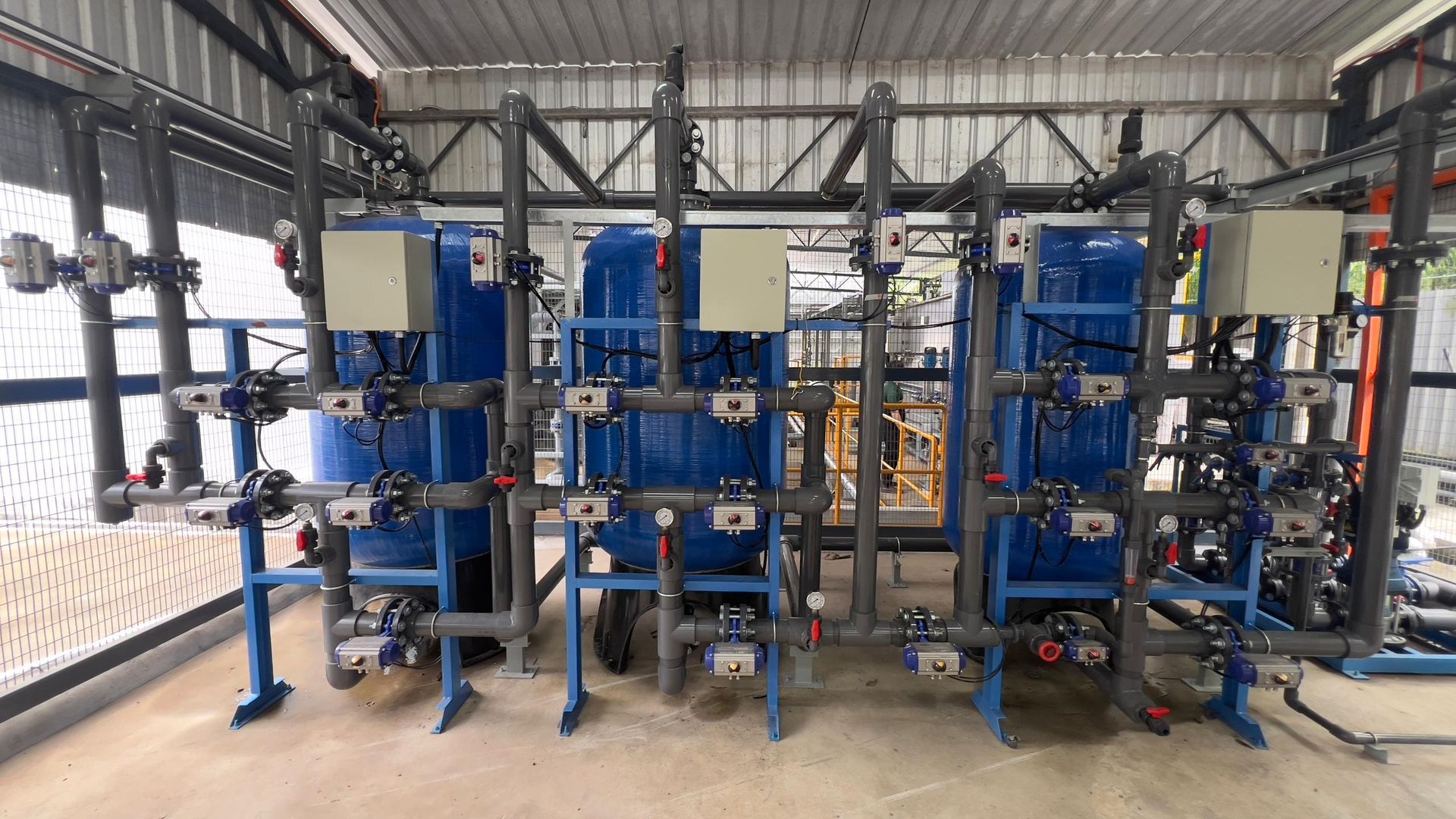
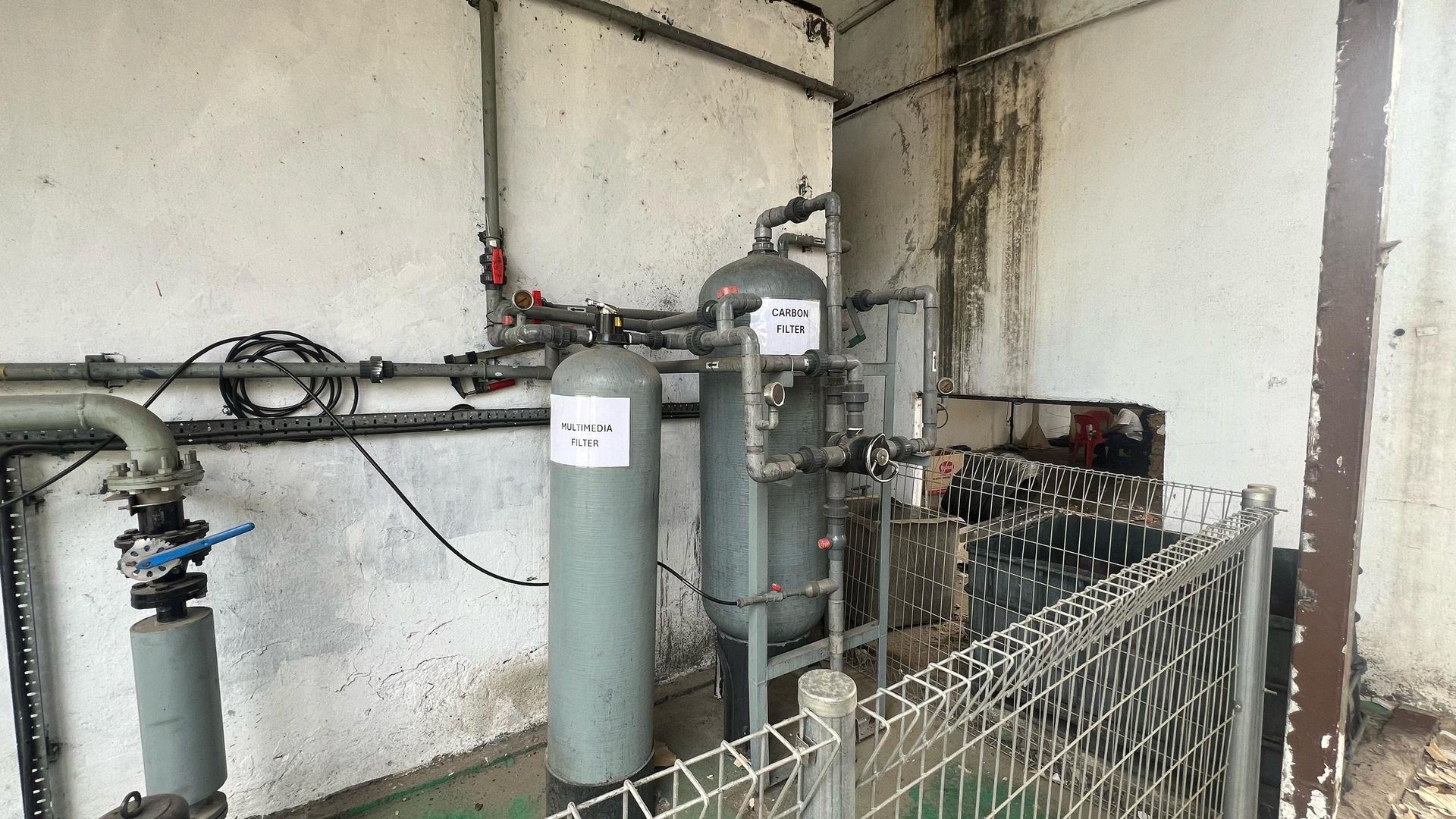
Multimedia Filtration (MMF)

Removes fine suspended solids.

Activated Carbon Filtration (ACF)

Removes:

  • Colour
  • Odour
  • Residual organics


Ultrafiltration (UF)

Provides additional solids removal.

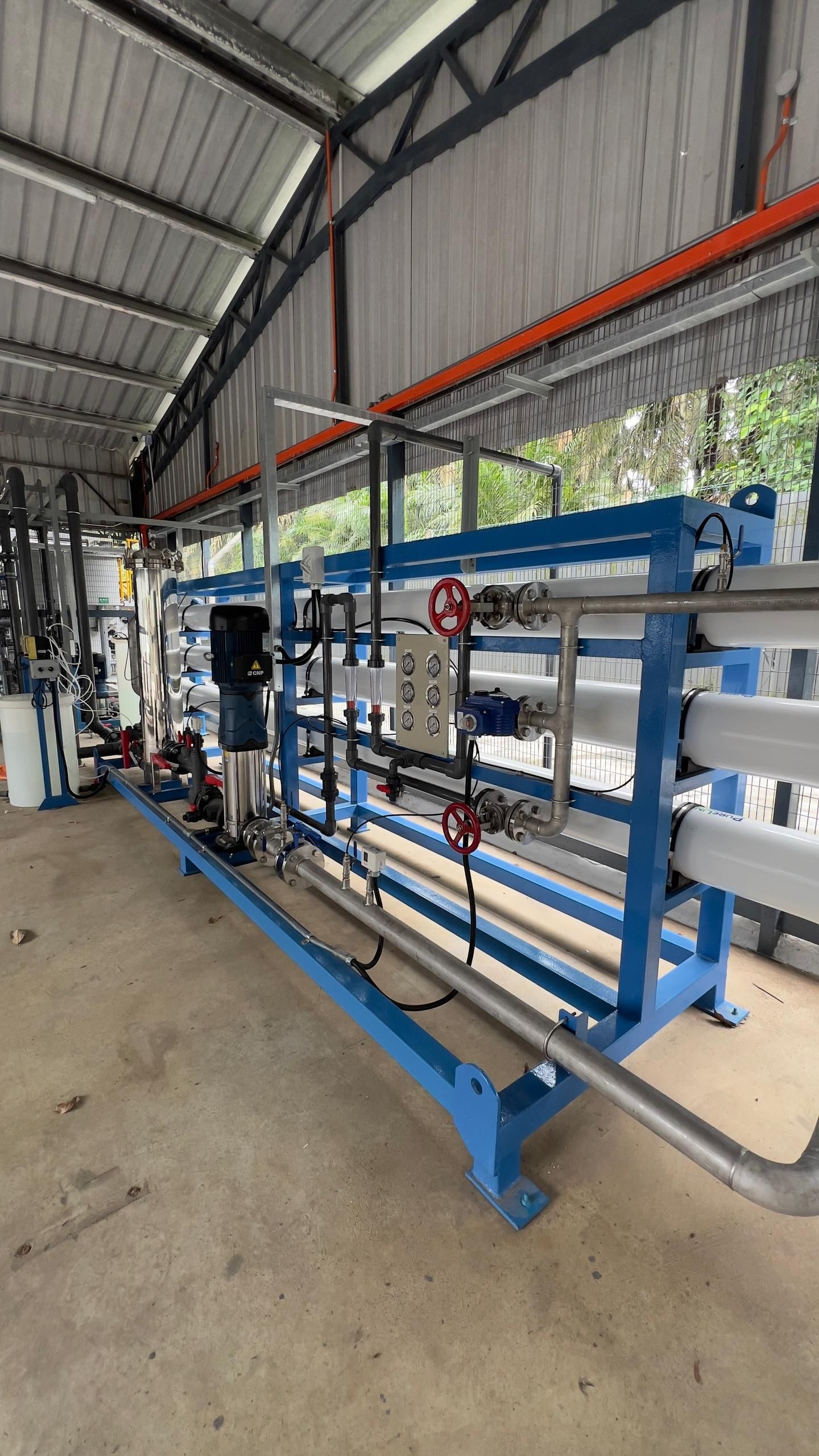
Reverse Osmosis (RO)

Produces high-quality water suitable for reuse applications.

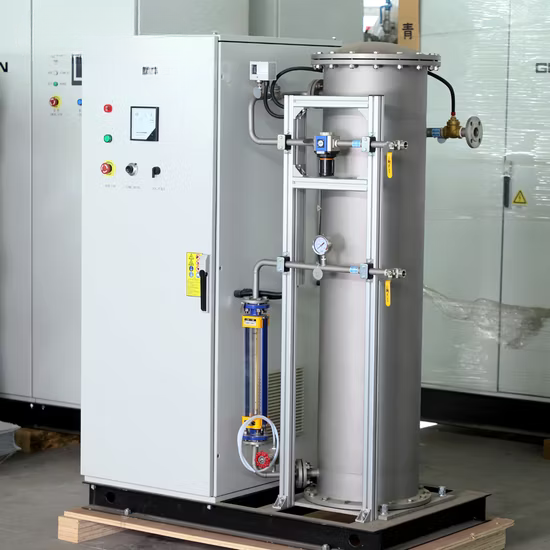
Ozonation

Used for:

  • Colour removal
  • COD reduction
  • Odour control

Stage 8: Sludge Treatment and Dewatering

What Happens to Removed Solids?

Volume reduction. Cost reduction. Disposal preparation.


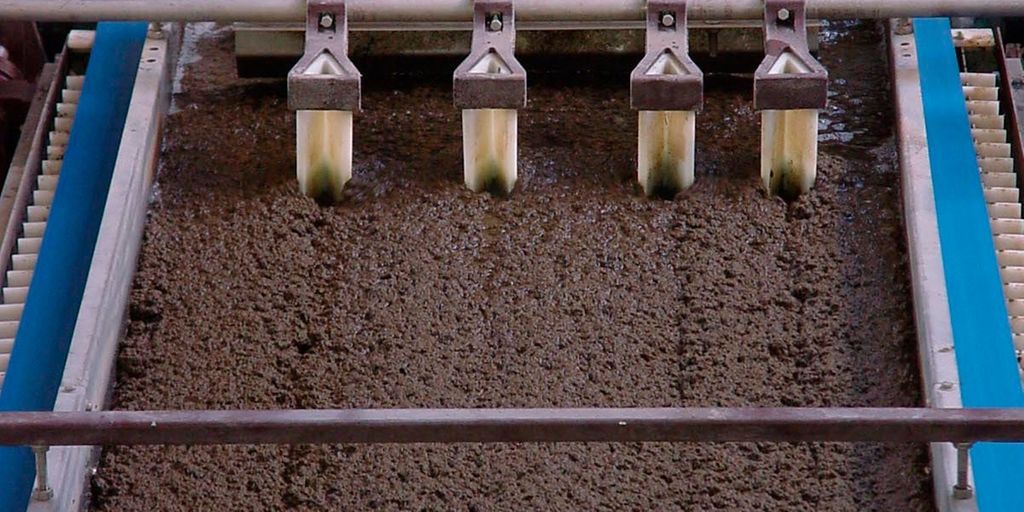
All wastewater treatment processes generate sludge.


Without proper sludge management, disposal costs can become a major operational burden.


Common Equipment

Sludge Thickener

Concentrates sludge before dewatering.


Filter Press

Reduces water content.


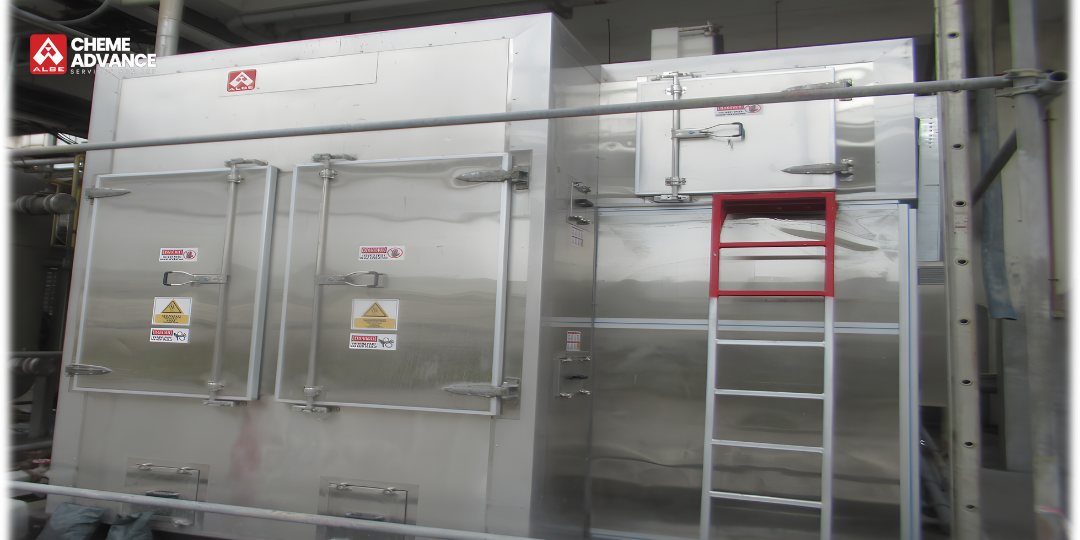
Sludge Dryer

Further reduces moisture content and disposal costs.

Benefits:

  • Lower transportation costs
  • Reduced scheduled waste volume
  • Improved handling


Benefits of Effective Sludge Management

  • Lower disposal costs
  • Reduced transportation requirements
  • Improved plant housekeeping
  • Better overall plant performance


Related Article:
How Sludge Dryers Reduce wastewater treatment Costs

Stage 9: Final Discharge or Water Reuse

What Happens to the Treated Water?

Compliance. Sustainability. Resource recovery.

Once treatment is complete, water may be:


Discharged

To meet applicable regulatory standards.


Reused

For:

  • Washing
  • Cooling systems
  • Process applications
  • Irrigation


Water reuse is becoming increasingly attractive as industries seek to reduce water consumption and improve sustainability performance.

Common Challenges in Industrial Wastewater Treatment

Even well-designed treatment plants face operational challenges.


The most common issues include:

  • Influent variability
  • Excessive sludge production
  • High energy consumption
  • Poor biological performance
  • Equipment reliability issues
  • Rising chemical costs
  • Limited treatment capacity


Many facilities focus on equipment replacement when the real issue is process optimisation.

How to Improve Wastewater Treatment Performance

The best-performing treatment plants focus on stability rather than short-term compliance.

Recommended strategies include:

  • Monitor performance trends
  • Maintain healthy biomass
  • Control upstream loading
  • Optimise chemical dosing
  • Improve sludge management
  • Conduct regular technical audits
  • Upgrade bottleneck processes


What We Like

Facilities that invest in process optimisation often achieve greater returns than facilities that only invest in new equipment.


Related Article:

A Stable Effluent Treatment System Does More Than Just Pass DOE Limits

Why Technical Support Matters

Engineering expertise. Operational experience. Long-term optimisation.


A treatment plant is not a static asset. Wastewater characteristics change as production changes.

Successful facilities work with experienced wastewater specialists who can provide:

  • System audits
  • Process troubleshooting
  • Plant optimisation
  • Upgrade planning
  • Operator training
  • Regulatory support


For manufacturers operating Industrial Effluent Treatment Systems (IETS), partnering with an experienced technical team can significantly improve compliance performance and reduce operating costs over the long term.


Related Article:
What Clients Really Need from Their IETS Partner After Project Handover

Final Thoughts

Industrial wastewater treatment is more than a compliance requirement. It is a critical operational system that influences production reliability, environmental performance, and long-term operating costs.


Understanding each treatment stage, from screening and equalisation to biological treatment, polishing, and sludge management, allows manufacturers to make better decisions regarding system operation, optimisation, and future upgrades.


Facilities that focus on process stability rather than simply meeting discharge limits are often the ones that achieve the best long-term results.

Frequently Asked Questions

What is the most important stage in wastewater treatment?

Biological treatment typically removes the majority of organic pollutants and often has the greatest impact on overall treatment performance.

What is the difference between MBBR and MBR?

MBBR uses biofilm carriers and secondary clarification, while MBR uses membrane filtration to achieve significantly higher effluent quality.

Can treated wastewater be reused?

Yes. With appropriate tertiary treatment such as UF, RO, or advanced oxidation, treated wastewater can often be reused for industrial applications.

How often should an industrial wastewater treatment plant be audited?

Most facilities benefit from a comprehensive technical audit at least once annually, with more frequent reviews for high-risk operations.


Book a Wastewater System Audit

If you would like to improve treatment performance, reduce operating costs, increase treatment capacity, or evaluate potential upgrade options, contact Cheme Advance Services for a professional wastewater system audit.


A comprehensive audit can help uncover hidden inefficiencies, identify compliance risks, and provide a clear roadmap for achieving stable long-term wastewater treatment performance.

Recent Posts

by sales albeadvance 24 June 2026
Compliance failures don’t happen overnight. Spot early signs in your effluent treatment system before small issues turn into bigger problems.
by sales albeadvance 17 June 2026
What Many Plants Misunderstand About MBR Systems
Industrial wastewater treatment system with large treatment tanks, piping, and access platforms for
by sales albeadvance 11 June 2026
Industrial water management is shifting from DOE compliance to stable treatment, resilience, and wastewater recycling for long-term sustainability.
Foaming aeration tank in an industrial wastewater treatment plant for biological treatment process
by sales albeadvance 10 June 2026
A food and beverage wastewater treatment case study on blower failure, aeration interruption, repair action, and standby planning for stable performance.
Wastewater Treatment
by sales albeadvance 9 June 2026
How industrial wastewater recycling can turn wastewater treatment from a compliance cost into a long-term water asset for businesses in Malaysia.
by sales albeadvance 3 June 2026
Learn why a stable effluent treatment system is more important than achieving one-time DOE compliance. Discover how operational stability, sludge management, and influent control improve long-term wastewater performance.
by sales albeadvance 29 May 2026
What Clients Really Need from Their IETS Partner After Project Handover
Cheme Advance team photo with DOE seminar participants in Melaka and Selangor
by sales albeadvance 28 May 2026
Cheme Advance joined DOE seminars in Melaka and Selangor to support IETS optimisation, environmental compliance and sustainable wastewater management.
Operator checking wastewater treatment system performance and IETS compliance
by sales albeadvance 26 May 2026
True IETS compliance goes beyond DOE limits. Learn how monitoring, sludge health, chemical dosing, and maintenance support wastewater treatment.
Engineer monitoring an industrial wastewater treatment system at a treatment plant.
by sales albeadvance 21 May 2026
After a shutdown, a wastewater treatment system may take time to stabilise. Proper monitoring helps reduce hidden costs, performance issues, and compliance risks.
Show More