
What a Healthy Industrial Effluent Treatment System Looks Like

Jones Chee • 13 July 2026

Share this article

What a Healthy Industrial Effluent Treatment System Really Looks Like: Lessons from an EiMAS Technical Visit

A healthy Industrial Effluent Treatment System (IETS) consistently produces compliant effluent through stable operation, proactive monitoring, and effective process control. Rather than relying on last-minute adjustments before inspections, high-performing wastewater treatment plants maintain biological stability, optimise chemical dosing, monitor operational trends, and continuously improve their processes to achieve long-term compliance.


This principle was one of the key messages shared during a recent technical visit organised by the Environmental Institute of Malaysia (EiMAS) with officers from the Department of Environment (DOE) Malaysia.


Strengthening Environmental Compliance Through Industry Collaboration

Knowledge sharing. Practical learning. Continuous improvement.


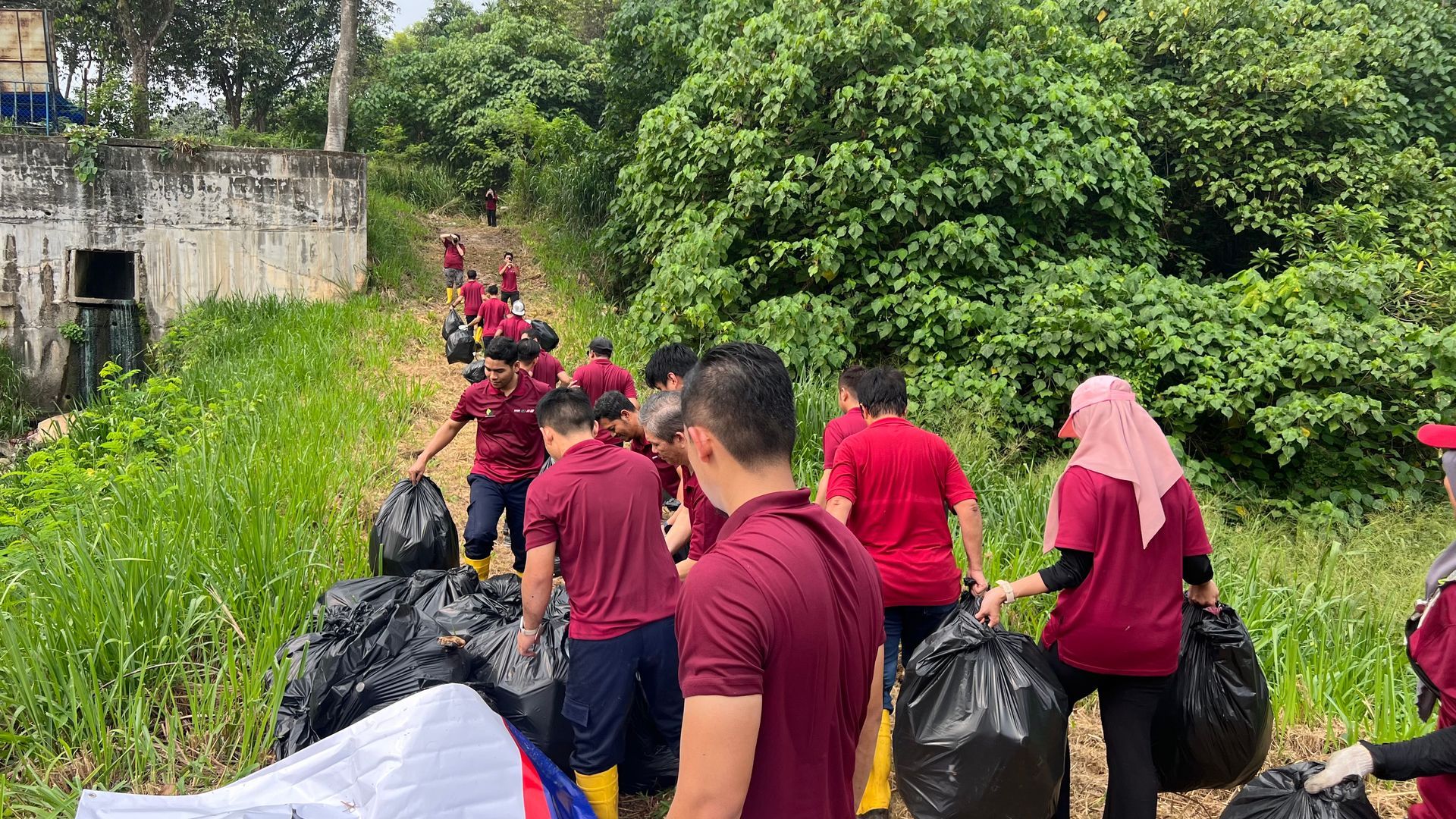
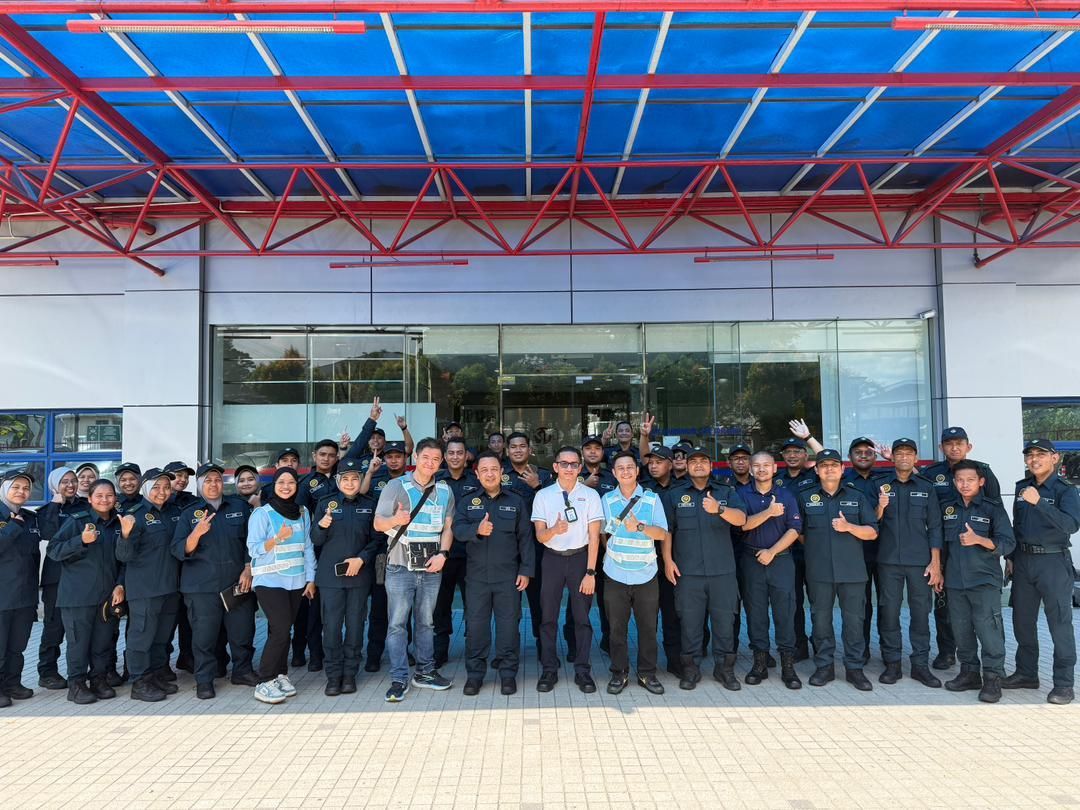
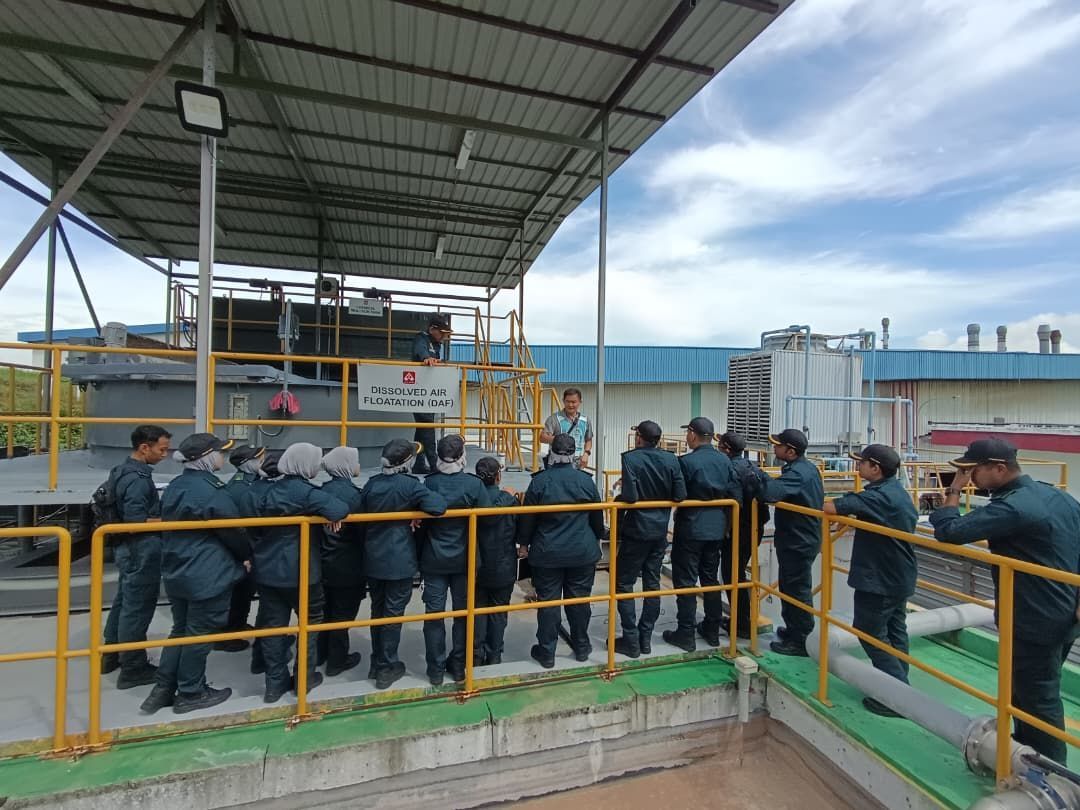
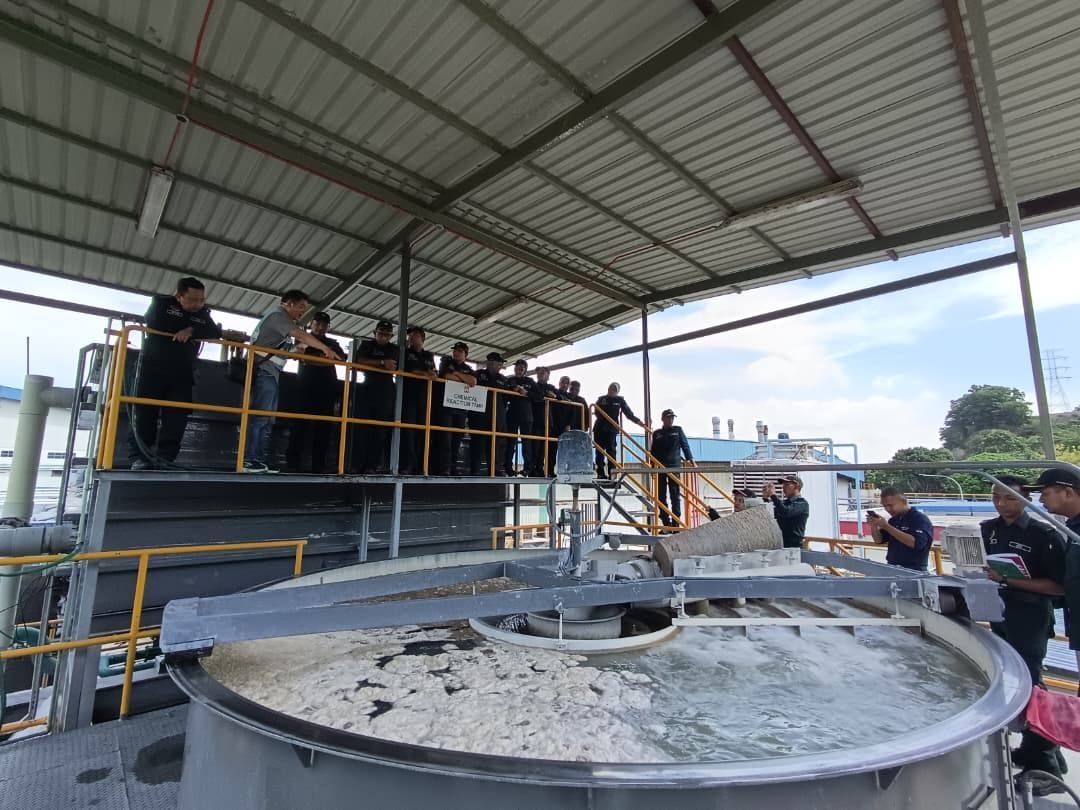
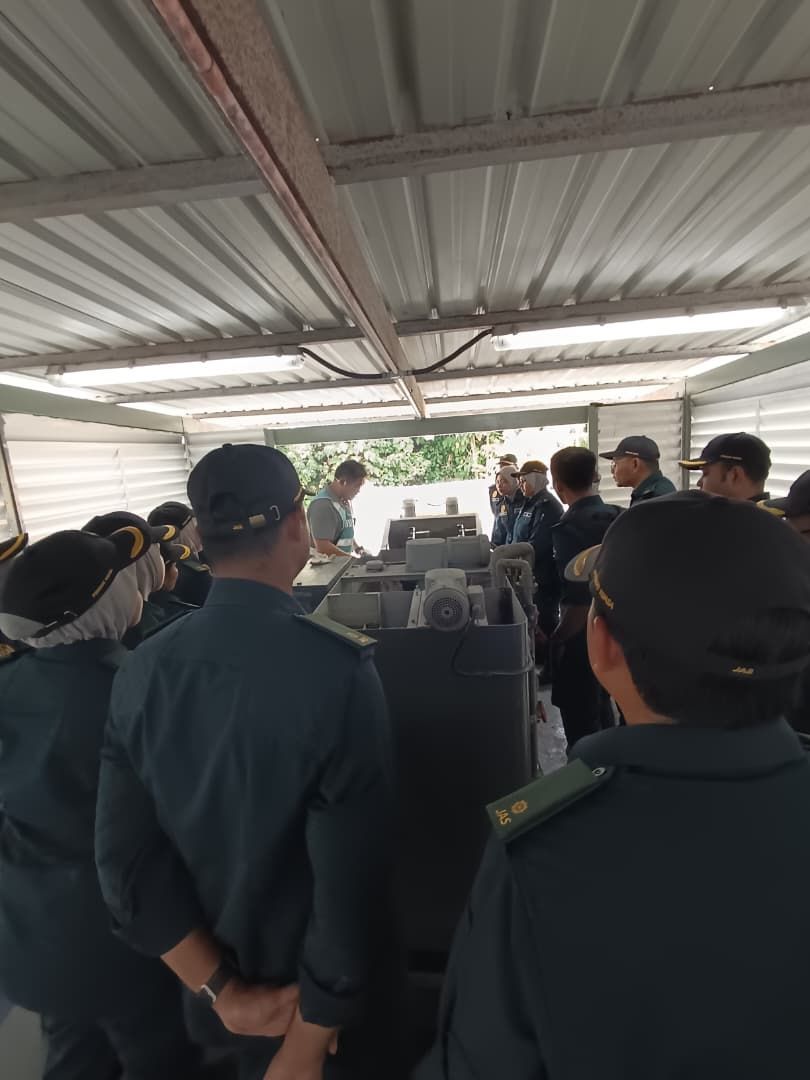
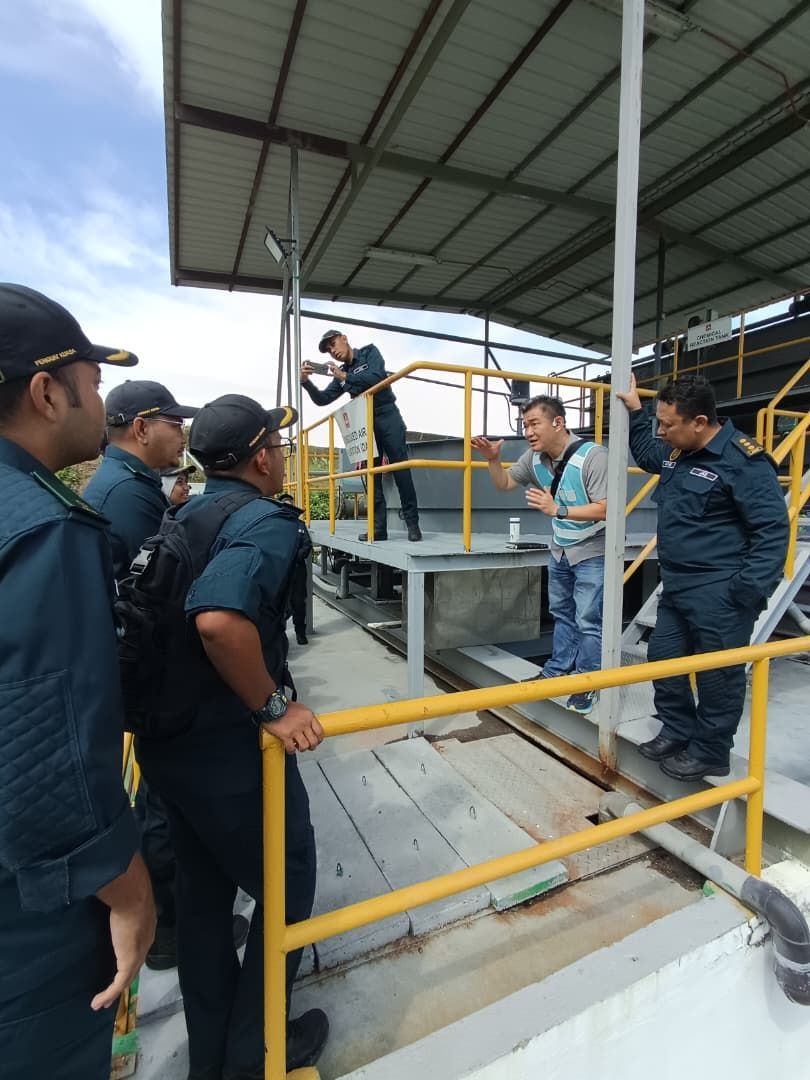
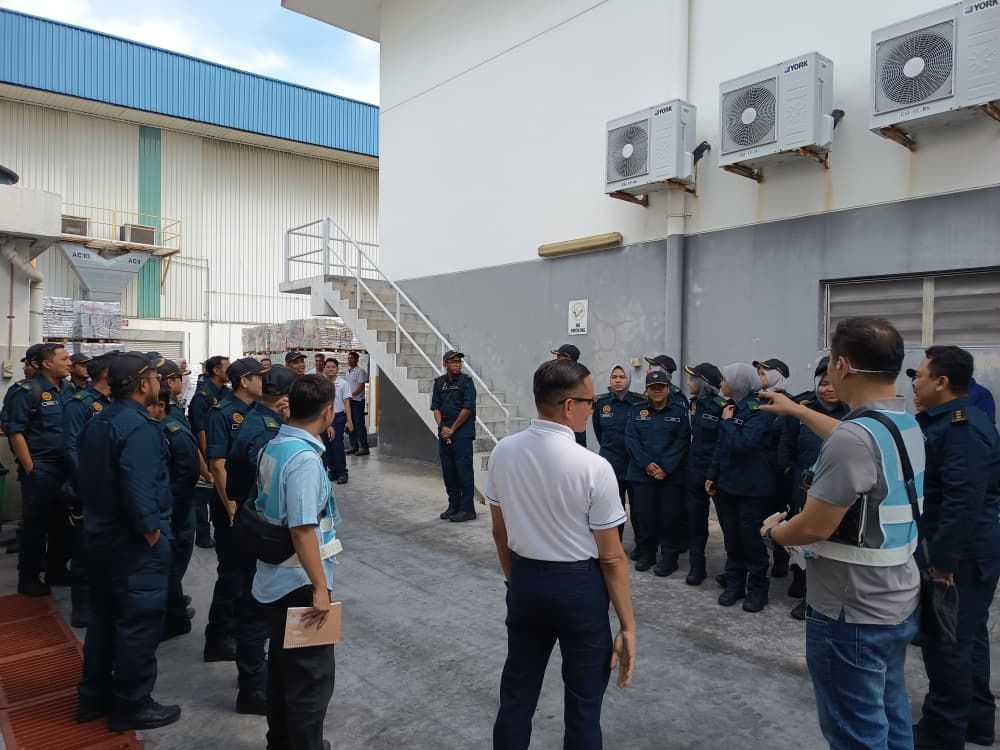
On 24 June 2026, Cheme Advance Services Sdn. Bhd. had the privilege of supporting Kian Joo Can Factory Berhad (KJM Aluminium Can Plant, Nilai) during a technical visit organised by the Environmental Institute of Malaysia (EiMAS) involving officers from the Department of Environment (DOE) Malaysia.


The visit provided an opportunity for regulators, industry representatives, and environmental practitioners to exchange practical knowledge on environmental management and industrial wastewater treatment.


Technical sessions covered several important compliance topics, including:

  • Guided Self-Regulation (GSR) Programme
  • Industrial air emission management
  • Scheduled waste management
  • e-Premis reporting system
  • Industrial Effluent Treatment System (IETS) operation and compliance


These programmes demonstrate Malaysia's continued emphasis on improving environmental performance through education, collaboration, and responsible industrial practices.


Why Stable Operation Matters More Than Passing a Single Test

Process stability. Operational consistency. Long-term compliance.


One of the most important discussions during the IETS walkthrough was a concept that is sometimes overlooked by industries:

A wastewater treatment plant should not be judged solely by whether it passes one compliance sampling event.


Instead, a well-operated treatment system should consistently perform under changing production conditions while maintaining stable biological activity, predictable treatment efficiency, and controlled operating parameters.


A healthy IETS is one that operators understand, engineers can explain, and management can confidently rely on every day, not only during regulatory inspections.


Practical Topics Shared During the IETS Walkthrough

Engineering knowledge. Operational experience. Process optimisation.


Drawing from practical experience supporting industrial wastewater treatment facilities across Malaysia, the Cheme Advance technical team shared observations on several operational areas that directly influence plant performance.

1. Process Performance Monitoring

Routine monitoring allows operators to identify performance changes before they develop into compliance issues.


Important operating parameters include:

  • Flowrate
  • pH
  • COD
  • BOD
  • Dissolved Oxygen (DO)
  • Mixed Liquor Suspended Solids (MLSS)
  • Sludge settling characteristics (SV30/SVI)
  • Chemical consumption


Rather than reviewing laboratory results only after problems occur, successful plants use trend analysis to support proactive decision-making.

2. Biological Process Stability

The biological treatment process is often considered the heart of an Industrial Effluent Treatment System.


Healthy microorganisms require stable operating conditions to remove organic pollutants consistently.


Operational factors affecting biological stability include:

  • Influent loading fluctuations
  • Dissolved oxygen control
  • Nutrient balance
  • Sludge age
  • Hydraulic loading
  • Toxic shock events


Maintaining biological health reduces process variability and improves overall treatment reliability.


Related Reading: Why Some Wastewater Treatment Plants Remain Stable for Years While Others Constantly Need Troubleshooting.

3. Chemical Treatment Control

Chemical treatment should complement biological treatment rather than compensate for poor process control.


During the discussion, emphasis was placed on:

  • Appropriate coagulant selection
  • Polymer optimisation
  • pH control
  • Jar testing
  • Chemical consumption monitoring


Optimised chemical dosing not only improves treatment performance but also reduces unnecessary operating costs.

4. Sludge Behaviour and Management

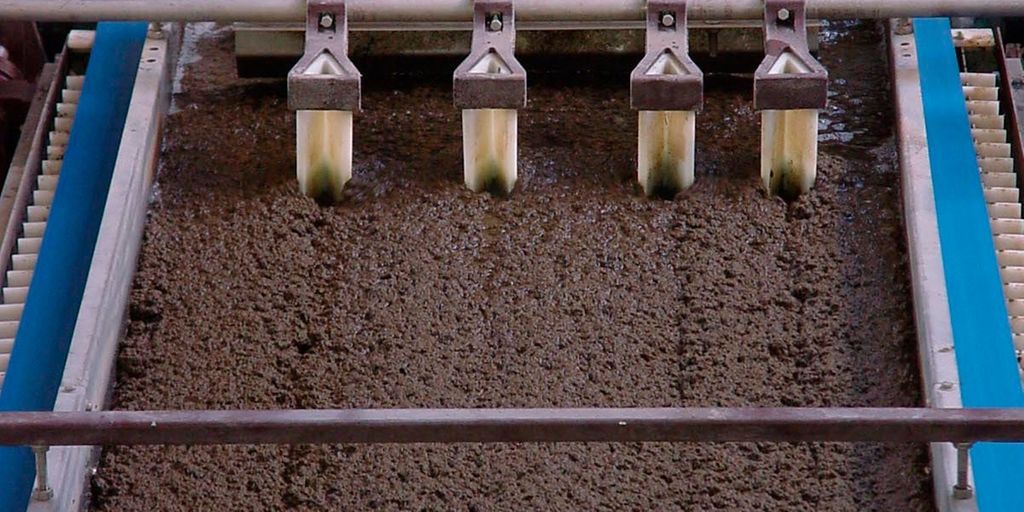
Sludge characteristics provide valuable insight into overall treatment performance.


Poor sludge settling often indicates deeper operational issues such as:

  • Biological imbalance
  • Excess sludge age
  • Nutrient deficiency
  • Hydraulic overloading


Regular observation of sludge behaviour allows operators to respond before treatment efficiency declines.


Environmental Compliance Is a Daily Commitment

Monitoring. Prevention. Continuous improvement.


Environmental compliance is achieved through consistent operational excellence rather than periodic corrective actions.


Facilities with strong compliance records typically demonstrate:

  • Routine equipment inspections
  • Preventive maintenance programmes
  • Regular operator training
  • Historical trend monitoring
  • Process optimisation
  • Management commitment to environmental performance


This operational culture allows treatment systems to remain resilient despite changes in wastewater characteristics and production demands.


The Value of Industry Knowledge Sharing

Technical visits such as those organised by EiMAS create valuable opportunities for industry professionals to exchange practical experiences and strengthen environmental stewardship.


For wastewater treatment practitioners, these discussions help bridge engineering theory with day-to-day operational realities, enabling continuous improvement across the industry.


Collaboration between regulatory agencies, manufacturers, consultants, and environmental solution providers ultimately benefits both industrial development and environmental protection.


Final Thoughts

A healthy Industrial Effluent Treatment System is not defined by a single successful sampling result. It is defined by consistent performance, operational discipline, and the ability to maintain compliance under real industrial operating conditions.


The EiMAS technical visit reinforced an important message for manufacturers: sustainable environmental compliance comes from understanding the treatment process, investing in operator competency, monitoring plant performance, and continuously improving operations.


At Cheme Advance Services, we are grateful for opportunities to contribute to technical knowledge-sharing initiatives that strengthen Malaysia's environmental engineering industry and support responsible industrial wastewater management.


Looking to Improve Your Industrial Effluent Treatment System?

Whether your facility is preparing for a plant upgrade, facing recurring compliance challenges, or looking to optimise wastewater treatment performance, our technical team can help.


With more than 20 years of industry experience, Cheme Advance Services supports manufacturers across Malaysia through:

  • Industrial Effluent Treatment System (IETS) design and upgrading
  • Wastewater treatment troubleshooting and optimisation
  • Operation & Maintenance (O&M) services
  • Compliance support and technical audits
  • Biological process optimisation
  • Chemical treatment optimisation
  • Sludge management solutions

Book a Wastewater System Audit


A professional wastewater system audit can identify operational bottlenecks, improve treatment stability, reduce operating costs, and support long-term compliance with Malaysian environmental regulations.


Frequently Asked Questions

What is an Industrial Effluent Treatment System (IETS)?

An Industrial Effluent Treatment System (IETS) is a combination of physical, chemical, and biological treatment processes designed to remove pollutants from industrial wastewater before discharge or reuse.

Related Reading: Industrial Effluent Treatment System (IETS)

Why is biological stability important?

Stable biological treatment enables microorganisms to consistently remove organic pollutants, resulting in improved treatment efficiency and more reliable compliance with discharge standards.

How can factories improve DOE wastewater compliance?

Long-term compliance is achieved through routine monitoring, preventive maintenance, operator competency, process optimisation, and maintaining stable treatment conditions rather than relying on last-minute corrective actions.

Related Reading: Meeting DOE Limits Is Not Enough: What True IETS Compliance Means

What is Guided Self-Regulation (GSR)?

Guided Self-Regulation (GSR) is a programme promoted by the Department of Environment Malaysia that encourages industries to take greater responsibility for environmental compliance through proactive environmental management and continuous improvement.


References

  1. Department of Environment (DOE) Malaysia – Environmental Quality Act 1974 (Act 127)
  2. Environmental Quality (Industrial Effluent) Regulations 2009
  3. Environmental Institute of Malaysia (EiMAS)
  4. Metcalf & Eddy, Wastewater Engineering: Treatment and Resource Recovery, 5th Edition
  5. Water Environment Federation (WEF) – Wastewater Treatment Operations
  6. Cheme Advance Technical Team – Engineering observations and operational experience from industrial wastewater treatment projects

About the Author

Jones
Marketing Engineer | Cheme Advance Services Sdn Bhd


Jones is a Marketing Engineer at Cheme Advance Services Sdn Bhd and holds a Bachelor of Mechanical Engineering (Honours) from Monash University Malaysia. Drawing on experience in environmental engineering and close collaboration with Cheme Advance's technical specialists, he produces technically reviewed content on industrial wastewater treatment, plant optimisation, and environmental compliance for Malaysian industries.

Recent Posts

by jones chee 10 July 2026
Learn how to prepare for DOE wastewater sampling in Malaysia and why consistent wastewater treatment operation is more effective than last-minute corrective actions.
by Jones Chee 9 July 2026
Learn why some wastewater treatment plants consistently achieve stable performance while others require frequent troubleshooting. Discover practical strategies for long-term optimisation.
by sales albeadvance 26 June 2026
Learn about the most important industrial wastewater treatment technologies including DAF, MBBR, MBR, Activated Sludge, UASB, EGSB, sludge dewatering, and water reuse systems.
by sales albeadvance 24 June 2026
Compliance failures don’t happen overnight. Spot early signs in your effluent treatment system before small issues turn into bigger problems.
by sales albeadvance 23 June 2026
Learn how industrial wastewater treatment works, including primary, secondary, and tertiary treatment stages, common technologies, and how industries achieve environmental compliance in Malaysia.
by sales albeadvance 17 June 2026
What Many Plants Misunderstand About MBR Systems
Industrial wastewater treatment system with large treatment tanks, piping, and access platforms for
by sales albeadvance 11 June 2026
Industrial water management is shifting from DOE compliance to stable treatment, resilience, and wastewater recycling for long-term sustainability.
Foaming aeration tank in an industrial wastewater treatment plant for biological treatment process
by sales albeadvance 10 June 2026
A food and beverage wastewater treatment case study on blower failure, aeration interruption, repair action, and standby planning for stable performance.
Wastewater Treatment
by sales albeadvance 9 June 2026
How industrial wastewater recycling can turn wastewater treatment from a compliance cost into a long-term water asset for businesses in Malaysia.
by sales albeadvance 3 June 2026
Learn why a stable effluent treatment system is more important than achieving one-time DOE compliance. Discover how operational stability, sludge management, and influent control improve long-term wastewater performance.
Show More