

EIA Report Malaysia: Prescribed Activities That Require Environmental Impact Assessment
What Is an EIA Report in Malaysia?

An Environmental Impact Assessment (EIA) Report is a study required under the Environmental Quality Act 1974 for certain prescribed development activities in Malaysia. The report evaluates the potential environmental impacts of a proposed project and recommends measures to avoid, reduce, or manage those impacts before construction or operation begins.
Projects that fall under the prescribed activities must obtain approval from the Department of Environment (DOE) Malaysia before proceeding.
What Is an Environmental Impact Assessment (EIA)?
Environmental protection. Sustainable development. Responsible planning.
An Environmental Impact Assessment (EIA) is a planning tool used to ensure that environmental considerations are incorporated into project development before significant construction or operational activities begin.
An EIA assesses how a proposed project may affect:
- Water quality
- Air quality
- Noise levels
- Biodiversity
- Surface water
- Groundwater
- Local communities
- Public health
- Waste generation
- Climate resilience
Rather than preventing development, the EIA process helps ensure that projects are designed and implemented responsibly.
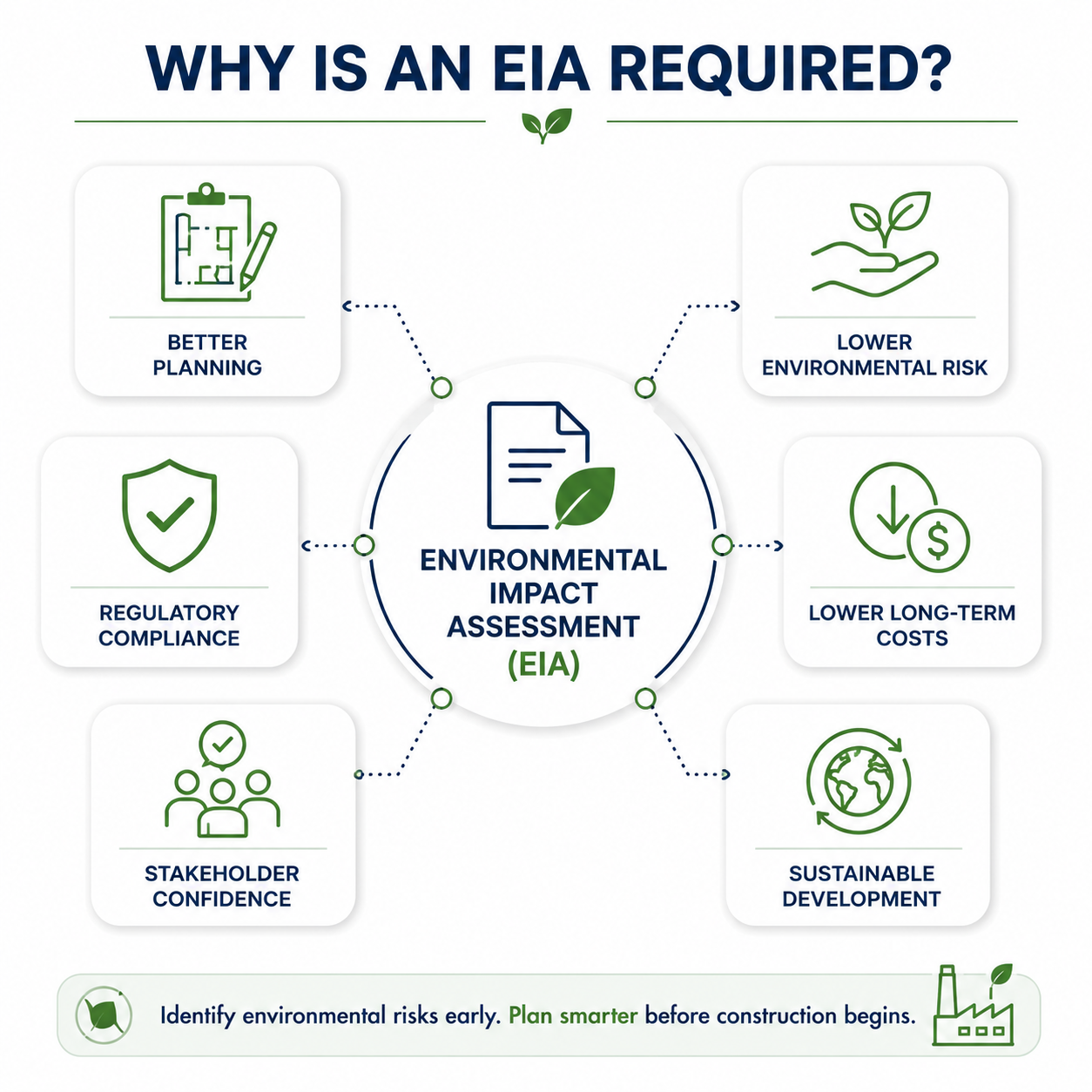
Why Is an EIA Required?

The purpose of an EIA is to identify environmental risks early, allowing developers to incorporate mitigation measures into project planning rather than addressing environmental issues after construction.
Benefits include:
- Better project planning
- Reduced environmental risks
- Improved regulatory compliance
- Lower long-term remediation costs
- Greater stakeholder confidence
- Sustainable project development
Which Projects Require an EIA in Malaysia?
Not every development requires an EIA.
Only activities listed under the Environmental Quality (Prescribed Activities) (Environmental Impact Assessment) Order require submission.
Common prescribed activities include:
Industrial Development
- Large manufacturing facilities
- Heavy industries
- Chemical production
Waste Management
- Scheduled waste treatment
- Waste recovery facilities
- Waste disposal facilities
Water Resources
- Water supply schemes
- Large wastewater treatment facilities
- River engineering projects
Agriculture
- Large plantation developments
- Land clearing exceeding prescribed thresholds
Infrastructure
- Highways
- Railways
- Airports
- Ports
Mining and Quarrying
- Mineral extraction
- Quarry developments
Energy
- Power generation facilities
- Renewable energy developments above prescribed capacities
Note: Whether an EIA is required depends on the nature, scale, location, and thresholds specified under the applicable legislation.
Typical EIA Process in Malaysia
The EIA process generally follows these stages:
- Project planning
- Screening
- Scoping
- Baseline environmental studies
- Impact assessment
- Mitigation measures
- Public consultation (where applicable)
- DOE review
- Approval
- Environmental monitoring during implementation
What Does an EIA Report Contain?

A comprehensive EIA report typically includes:
- Project description
- Existing environmental conditions
- Environmental baseline data
- Identification of potential impacts
- Risk assessment
- Mitigation measures
- Environmental Management Plan (EMP)
- Monitoring programme
- Conclusions and recommendations
How Does Wastewater Treatment Relate to an EIA?
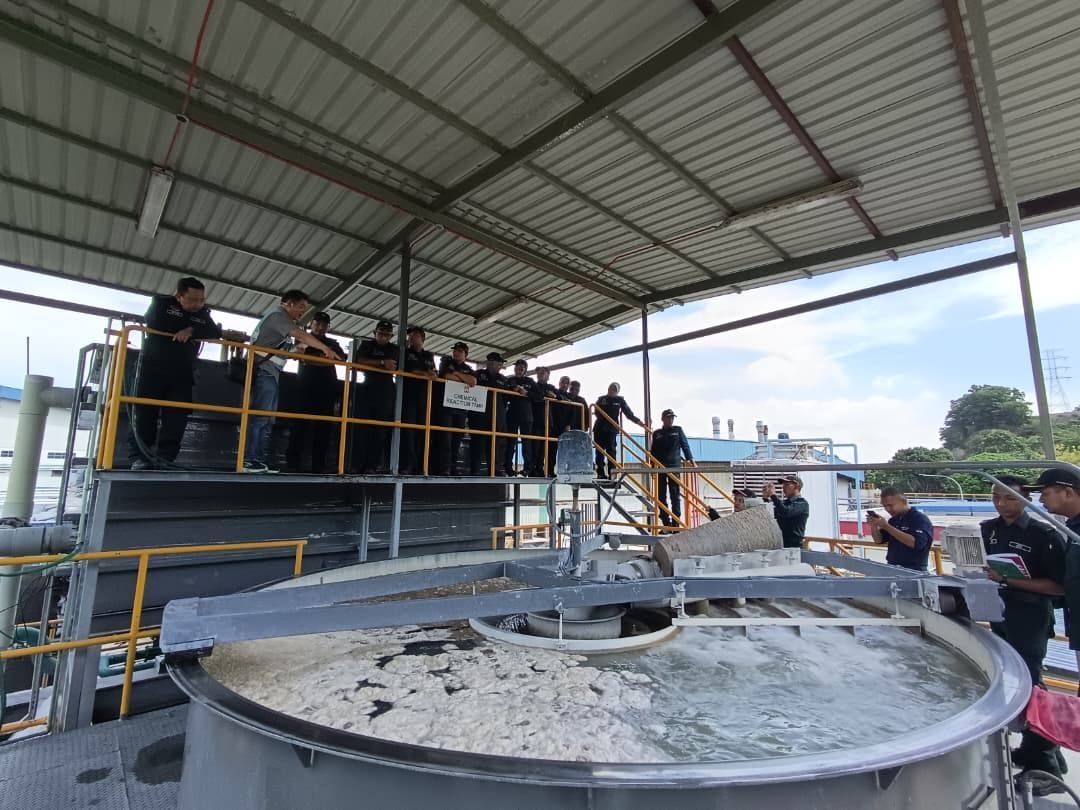
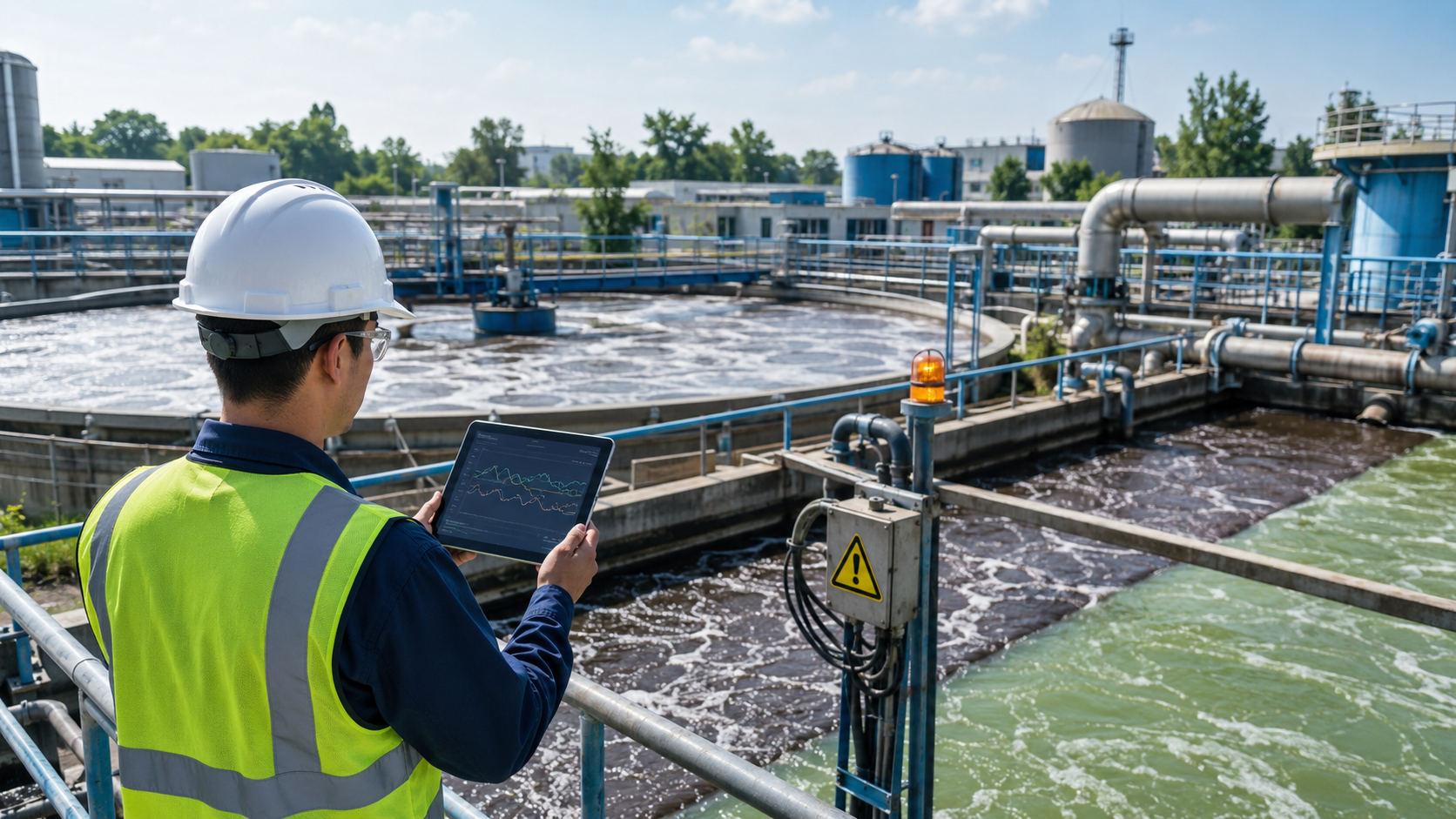
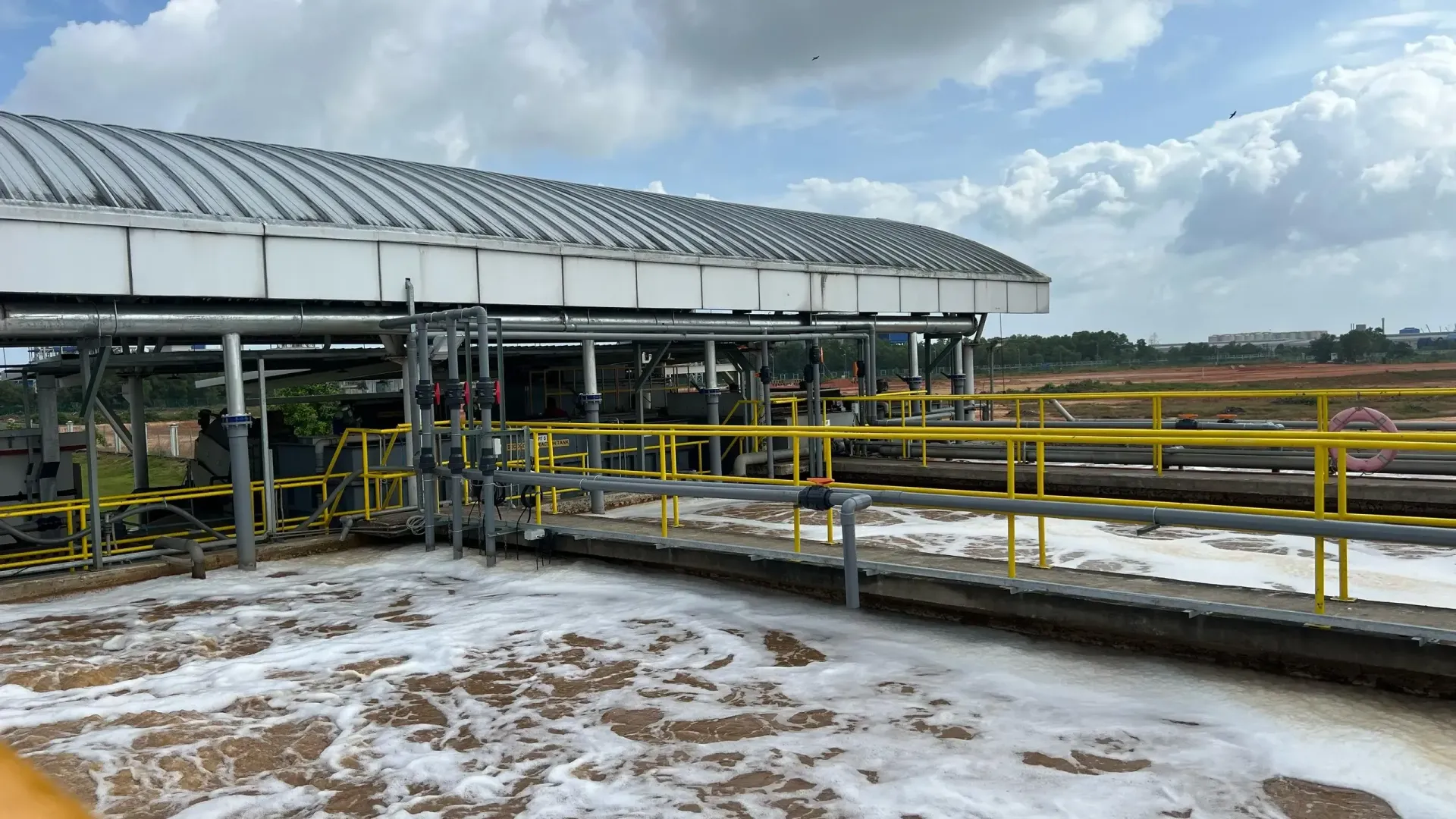
Many industrial developments require wastewater treatment planning as part of the environmental assessment process.
Depending on the project, the EIA may consider:
- Wastewater generation rates
- Industrial effluent characteristics
- Treatment technology selection
- Receiving water quality
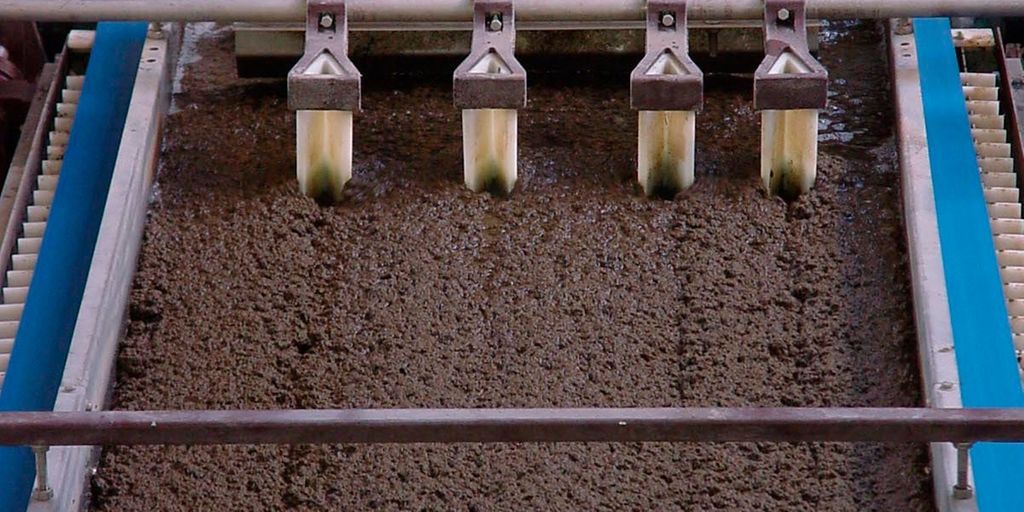
- Sludge management
- Water reuse opportunities
- Environmental monitoring requirements
A properly designed Industrial Effluent Treatment System (IETS) can help demonstrate how wastewater will be managed responsibly throughout the project's operational life.
Related Reading: Industrial Wastewater Treatment Systems.
Common Mistakes During Project Planning

Developers occasionally encounter delays because environmental requirements are considered too late in the project.
Common issues include:
- Underestimating wastewater generation
- Insufficient land allocation for treatment facilities
- Delayed environmental studies
- Poor coordination between consultants
- Changes in production after design
- Incomplete environmental documentation
Early environmental planning generally reduces project risks and avoids costly redesigns.
Final Thoughts
Environmental Impact Assessments are more than regulatory documents and they are an important planning tool that helps developers identify environmental risks, improve project design, and support sustainable development.
For industrial projects, wastewater treatment is often a critical component of the environmental assessment. Considering treatment requirements early allows developers to optimise plant layout, improve compliance, and reduce future operational risks.
Planning a New Industrial Development?
If your project requires an Industrial Effluent Treatment System (IETS), wastewater treatment planning should begin alongside the environmental assessment process and not after construction starts.
The Cheme Advance Technical Team supports developers, consultants, and manufacturers with:
- Industrial wastewater treatment system design
- Wastewater treatment feasibility studies
- Process engineering
- Treatment plant sizing
- Water reuse planning
- Sludge management
- Environmental engineering support
Contact Us
Whether you are developing a new industrial facility or upgrading an existing plant, our engineers can work with your project team to develop practical wastewater treatment solutions that support long-term environmental compliance and operational performance.
Frequently Asked Questions
What is an EIA Report?
An Environmental Impact Assessment (EIA) Report evaluates the potential environmental impacts of a proposed development and recommends measures to minimise or manage those impacts before the project proceeds.
Who approves EIA Reports in Malaysia?
EIA Reports are reviewed by the Department of Environment (DOE) Malaysia in accordance with applicable environmental legislation.
Does every factory require an EIA?
No. Only projects that fall under prescribed activities and exceed the applicable thresholds require an EIA.
When should an EIA be prepared?
Environmental planning should begin during the early stages of project development, before major construction activities commence.
Disclaimer
This article is provided for informational and educational purposes only and should not be interpreted as legal or regulatory advice.
Cheme Advance Services Sdn. Bhd. is not an EIA report preparation consultancy and does not prepare or submit Environmental Impact Assessment (EIA) Reports on behalf of project proponents. However, we regularly work alongside developers, environmental consultants, and engineering teams by providing technical support for industrial wastewater treatment systems, sludge management, water reuse, and environmental engineering solutions that form part of broader project development.
If your project requires wastewater treatment planning or technical support during the environmental approval process, contact us to discuss how we can assist your project team.
About Author

Jones Chee
Marketing Engineer | Cheme Advance Services Sdn. Bhd.
Jones is a Marketing Engineer at Cheme Advance Services Sdn. Bhd. and holds a Bachelor of Mechanical Engineering (Honours) from Monash University Malaysia. Drawing on over five years of experience in environmental engineering and working closely with Cheme Advance's technical specialists, he develops technically reviewed content on industrial wastewater treatment, plant optimisation, and environmental compliance.