

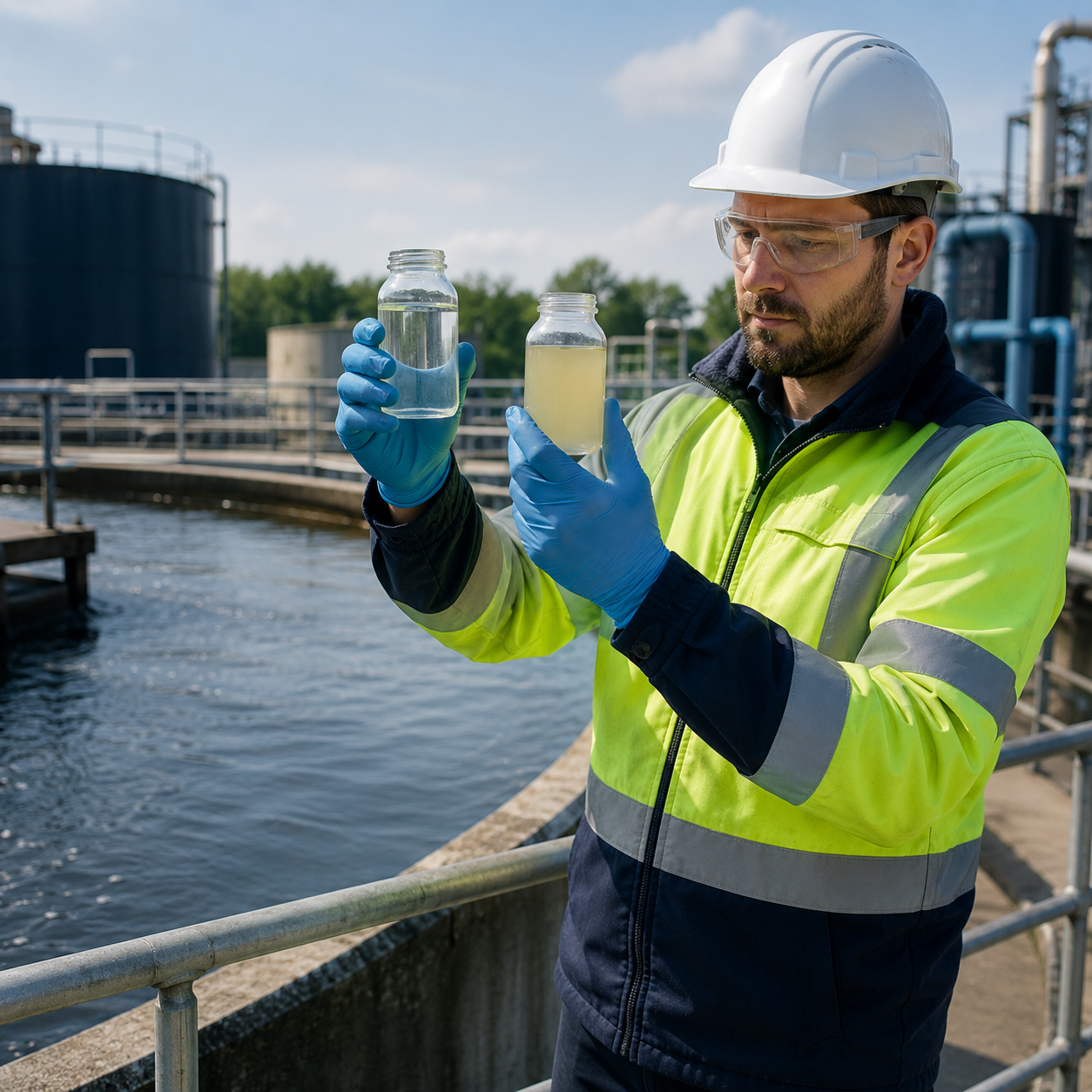

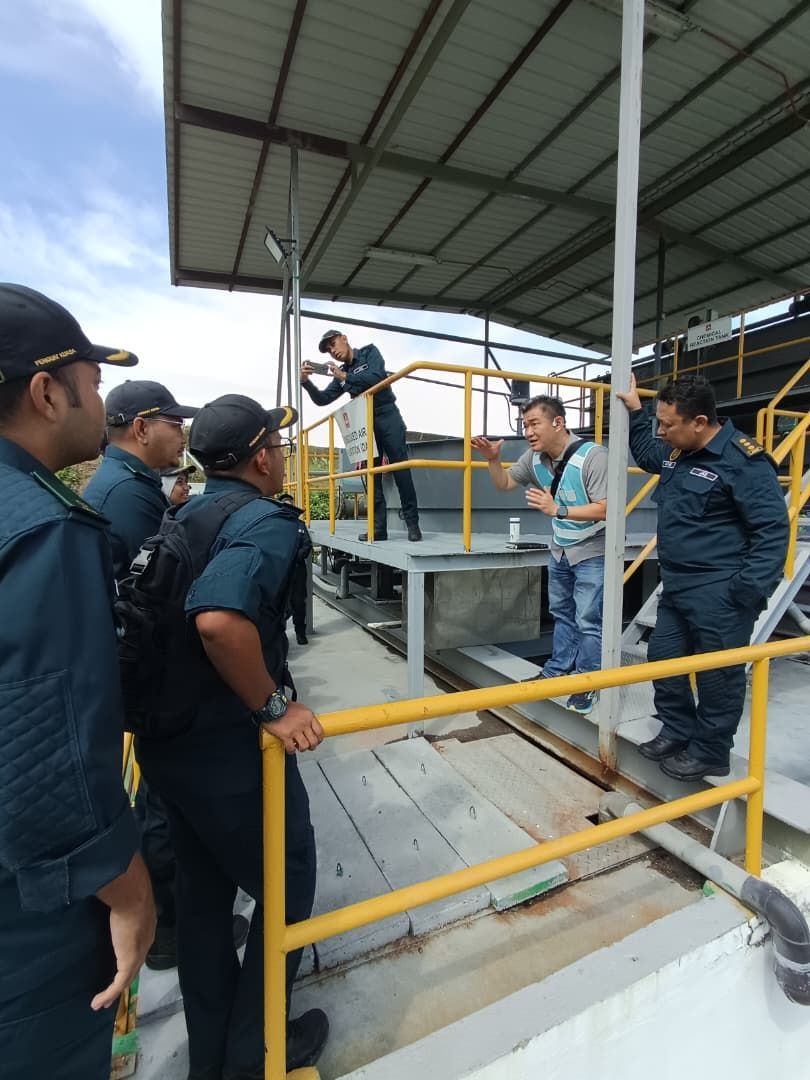
Scheduled Waste Malaysia: Complete SW Code Guide for Factories

QT LIM • 7 August 2026

Share this article

Scheduled Waste Malaysia: A Complete Guide to SW Code Management for Factories

What Is Scheduled Waste in Malaysia?

Scheduled waste in Malaysia refers to waste streams regulated under the Environmental Quality (Scheduled Wastes) Regulations 2005 because they may pose risks to human health or the environment. Every scheduled waste is assigned a unique SW Code, which determines how it should be stored, labelled, transported, recovered, or disposed of. Proper scheduled waste management is a legal responsibility for waste generators and plays an important role in maintaining environmental compliance.


What Is Scheduled Waste?

Hazardous materials. Environmental protection. Regulatory compliance.


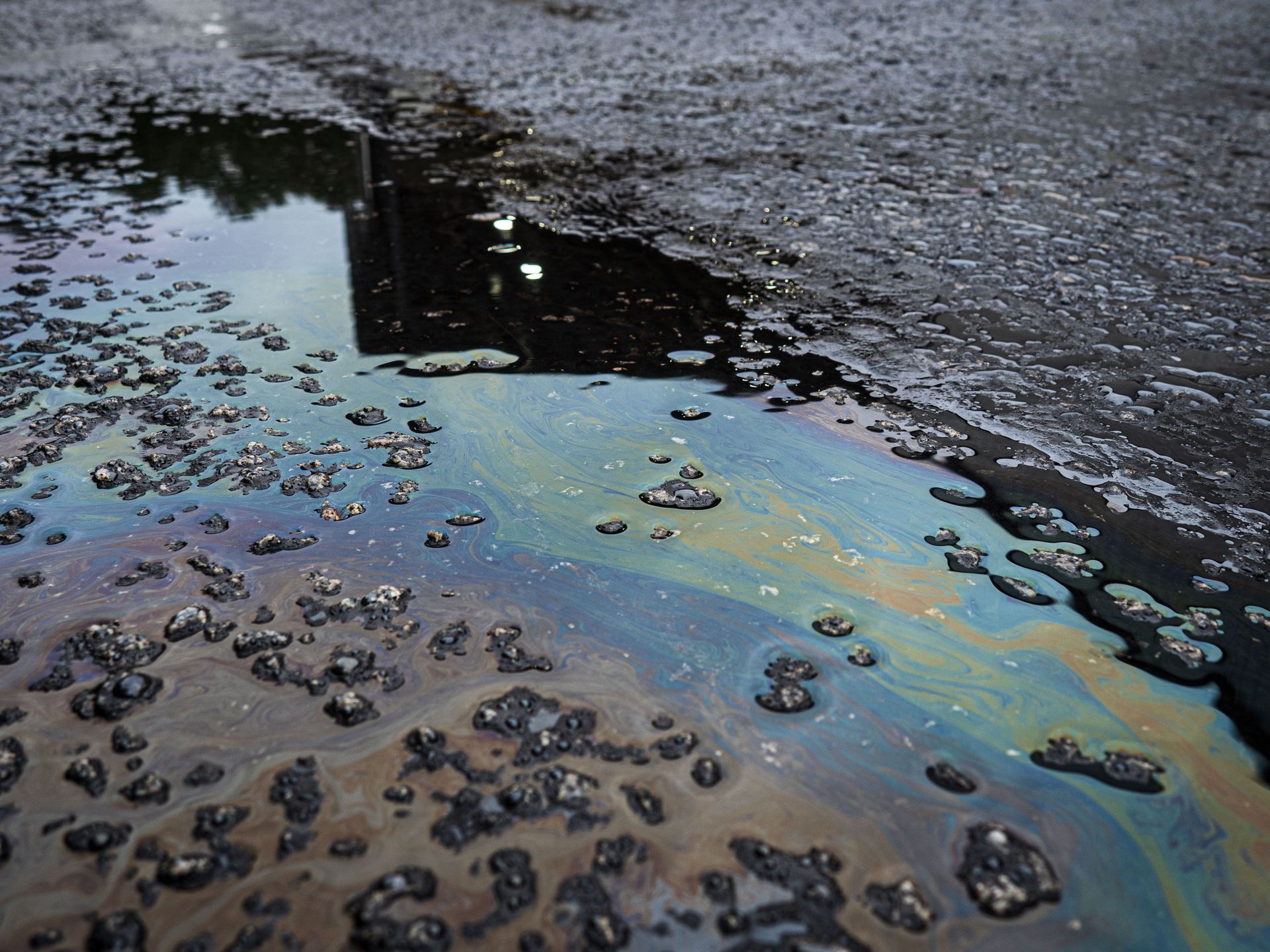
Scheduled waste is generated by many industrial activities, including manufacturing, wastewater treatment, chemical processing, electronics, metal finishing, automotive, food processing, and pharmaceutical production.


Unlike general industrial waste, scheduled waste requires controlled handling because it may contain hazardous chemicals, heavy metals, oils, solvents, acids, alkalis, or contaminated materials.


Examples include:

  • Waste oils
  • Spent solvents
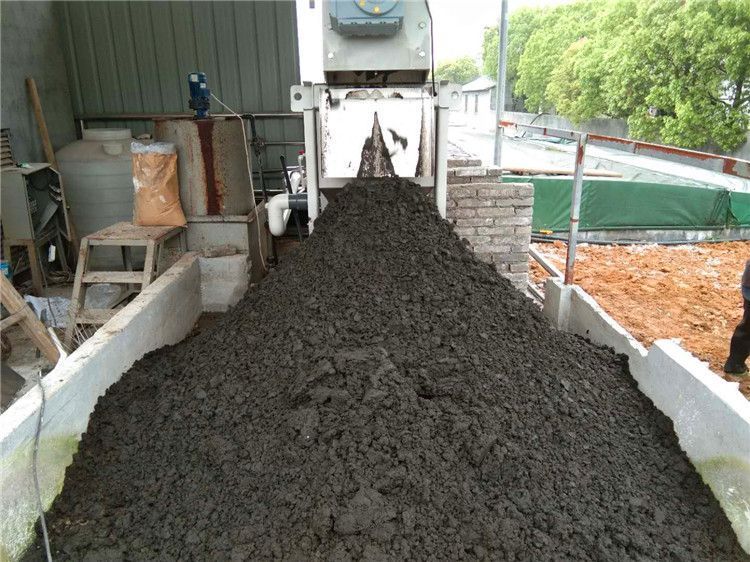
  • Chemical sludge
  • Heavy metal sludge
  • Used activated carbon
  • Contaminated containers
  • Laboratory chemicals
  • Waste catalysts


Proper identification is the first step towards legal compliance.


What Is an SW Code?

Classification. Identification. Compliance.


An SW Code is a classification assigned to scheduled waste under Malaysia's environmental regulations.


The code identifies:

  • The type of scheduled waste
  • Its source or characteristics
  • Applicable storage requirements
  • Recovery or disposal methods
  • Regulatory reporting requirements


Correct SW Code identification ensures waste is managed using the appropriate procedures throughout its lifecycle.


Common SW Codes Used by Industrial Facilities

The applicable SW Code depends on the waste generated.


Examples include:

SW Code

SW204

SW305

SW306

SW321

SW322

SW322

Chemical sludge containing heavy metals

Typical Waste Stream

Spent lubricating oil

Waste hydraulic oil

Polymer-containing waste

Contaminated absorbents and cleaning materials

Contaminated rags, filters and protective equipment


Who Is Responsible for Scheduled Waste?

The responsibility begins with the waste generator.


Manufacturers are responsible for:

  • Identifying scheduled waste correctly
  • Assigning the appropriate SW Code
  • Labelling waste containers
  • Maintaining proper storage areas
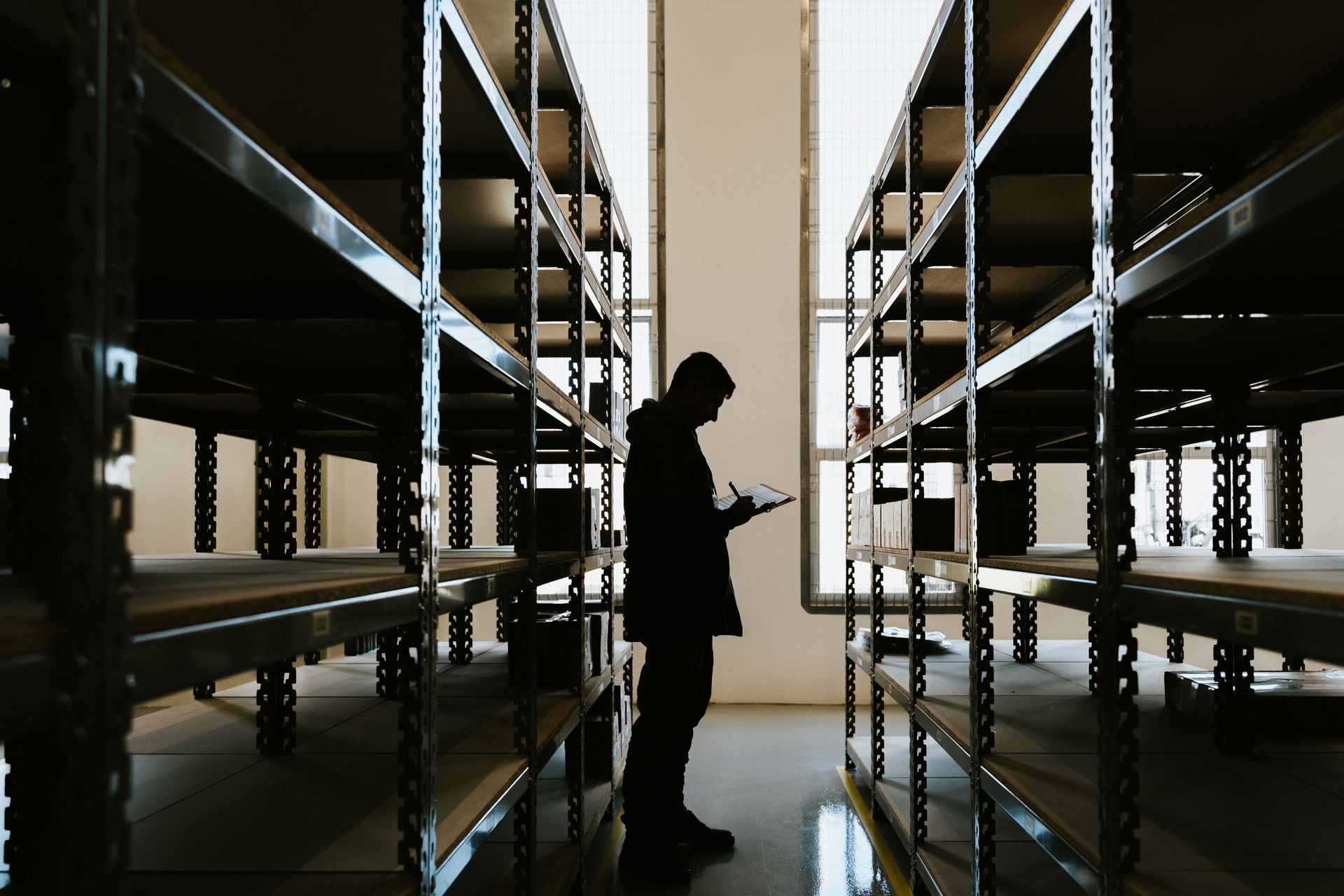
  • Keeping inventory records
  • Using licensed transporters and recovery or disposal facilities
  • Complying with record-keeping and reporting requirements


Scheduled waste responsibility cannot simply be transferred to a contractor once the waste leaves the factory.


Scheduled Waste Storage Requirements

Proper storage reduces environmental risk and improves workplace safety.


Good practices include:

  • Clearly labelled containers
  • Compatible storage for different chemicals
  • Secondary containment where appropriate
  • Covered storage areas
  • Spill response equipment
  • Restricted access
  • Regular inspections
  • Inventory tracking


Poor storage practices increase the risk of leaks, contamination, workplace incidents, and regulatory enforcement.


How Wastewater Treatment Plants Generate Scheduled Waste

Many manufacturers associate scheduled waste only with chemical production.


However, wastewater treatment plants are also common sources of scheduled waste.


Potential waste streams include:

  • Chemical sludge
  • Heavy metal sludge
  • Used filter media
  • Spent activated carbon
  • Used laboratory chemicals
  • Waste treatment chemicals
  • Contaminated filters
  • Oil recovered from wastewater treatment


Proper sludge classification is particularly important because not all wastewater treatment sludge is automatically classified as scheduled waste.


The classification depends on the sludge characteristics and applicable regulations.


Related Reading: Industrial Wastewater Treatment Systems.


Common Scheduled Waste Management Mistakes

Many compliance issues arise from operational oversights rather than intentional non-compliance.


Common mistakes include:

  • Incorrect SW Code selection
  • Mixing incompatible waste streams
  • Missing container labels
  • Poor storage housekeeping
  • Delayed disposal arrangements
  • Incomplete inventory records
  • Failure to review waste classification after process changes


Regular environmental audits help identify these issues before they become enforcement concerns.


Best Practices for Scheduled Waste Management

A systematic approach improves both compliance and operational efficiency.


Recommended practices include:

Maintain an Updated Waste Inventory


Know what waste is being generated and where.

Review SW Codes Regularly


Manufacturing changes may affect waste classification.

Train Employees


Ensure personnel understand handling, storage, labelling, and emergency procedures.

Conduct Routine Inspections


Identify leaking containers, damaged labels, or storage issues early.

Work with Licensed Waste Management Providers


Only use contractors authorised under Malaysian environmental regulations for transportation, recovery, and disposal activities.


Why Scheduled Waste Management Matters

Scheduled waste management is more than a legal requirement.


Effective management helps organisations:

  • Protect employees
  • Reduce environmental risks
  • Improve operational housekeeping
  • Support ISO 14001 initiatives
  • Strengthen ESG performance
  • Reduce regulatory risk
  • Improve corporate reputation


Good waste management also demonstrates a commitment to responsible environmental stewardship.


Final Thoughts

Proper scheduled waste management is not simply about complying with regulations and it is about protecting people, safeguarding the environment, and maintaining responsible industrial operations.


Factories that correctly classify waste, maintain organised storage areas, keep accurate records, and work with competent environmental service providers are better positioned to reduce compliance risks while improving operational efficiency.


Need Help Managing Scheduled Waste?

Although scheduled waste management is only one part of an environmental compliance programme, it often overlaps with wastewater treatment, sludge handling, and overall plant operations.


The Cheme Advance Technical Team supports manufacturers across Malaysia by helping improve environmental workflows through:

  • Industrial wastewater treatment optimisation
  • Sludge management strategies
  • Wastewater treatment plant audits
  • Compliance support
  • Operation & Maintenance (O&M)
  • Process optimisation
  • Environmental engineering consultancy


Contact Us

If your facility is reviewing its scheduled waste management workflow or looking to improve environmental compliance alongside wastewater treatment operations, our team can help assess your current practices and recommend practical engineering solutions.


Frequently Asked Questions

What is scheduled waste?

Scheduled waste is waste regulated under Malaysia's Environmental Quality (Scheduled Wastes) Regulations 2005 because of its hazardous characteristics or environmental risks.

What is an SW Code?

An SW Code is the official classification used to identify scheduled waste and determine the applicable handling, storage, transport, recovery, and disposal requirements.

Can wastewater treatment sludge be classified as scheduled waste?

Yes, depending on its characteristics and applicable regulatory requirements. Not all wastewater sludge automatically falls under the same classification.

Who can transport scheduled waste?

Scheduled waste should only be transported by parties authorised under the relevant Malaysian environmental regulations.

How often should scheduled waste storage areas be inspected?

Facilities should conduct routine inspections as part of their environmental management programme to ensure containers, labels, storage conditions, and inventories remain compliant


Disclaimer


This article is provided for informational and educational purposes only and should not be considered legal or regulatory advice. While Cheme Advance Services Sdn. Bhd. does not operate licensed scheduled waste recovery or disposal facilities directly, we assist manufacturers in coordinating compliant scheduled waste management workflows as part of broader environmental engineering and industrial wastewater treatment projects.


Contact us to learn how we can help integrate scheduled waste management into your overall environmental compliance programme.


About Author

Qing Tao Lim
Technical Sales & Development Engineer | Cheme Advance Services Sdn. Bhd.


Qing Tao Lim is a Technical Sales & Development Engineer at Cheme Advance Services Sdn. Bhd. He holds a Bachelor of Engineering (Chemical Engineering) from University College London (UCL) and has over three years of experience in industrial wastewater treatment, process engineering, and environmental solutions. Working closely with manufacturers across Malaysia, he supports the evaluation, design, optimisation, and implementation of wastewater treatment systems while helping clients improve operational performance and environmental compliance. His articles combine engineering principles, practical field experience, and insights from Cheme Advance's multidisciplinary technical team.


References

  1. Environmental Quality Act 1974 (Act 127), Laws of Malaysia.
  2. Environmental Quality (Scheduled Wastes) Regulations 2005.
  3. Department of Environment (DOE) Malaysia – Scheduled Waste Management Guidelines.
  4. Department of Environment Malaysia – eSWIS (Electronic Scheduled Waste Information System).
  5. Basel Convention on the Control of Transboundary Movements of Hazardous Wastes and Their Disposal.
  6. ISO 14001: Environmental Management Systems.
  7. Cheme Advance Technical Team – Engineering observations and practical experience in wastewater treatment, sludge management, and environmental compliance.

Recent Posts

by jones chee 23 July 2026
Learn about water pollution fines in Malaysia, penalties under the Environmental Quality Act 1974, industrial effluent licensing requirements, and how manufacturers can reduce compliance

Four engineers in hard hats review plans at an industrial facility.
by Jones Chee 22 July 2026
Discover what manufacturers should expect from a wastewater treatment partner beyond equipment supply. Learn how technical support, optimisation, and long-term expertise improve plant performance.
by Jones Chee 13 July 2026
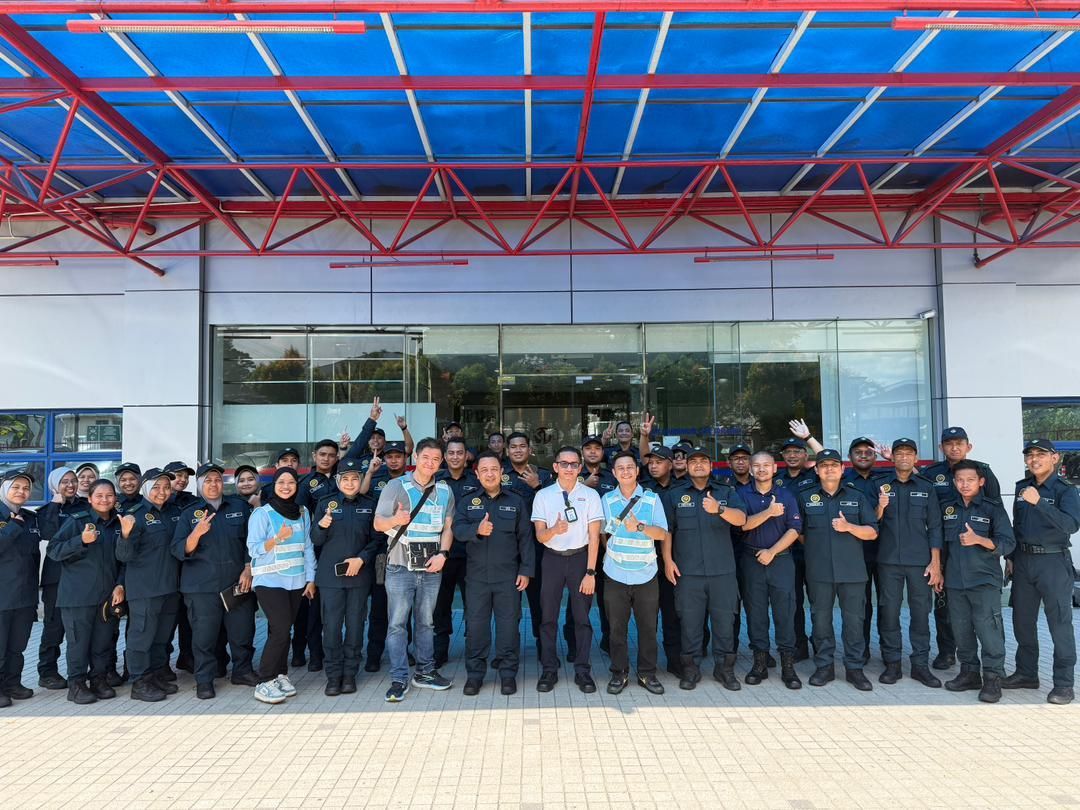
Discover the key characteristics of a healthy Industrial Effluent Treatment System (IETS) and the lessons shared during an EiMAS and DOE Malaysia technical visit at KJM Aluminium Can.
by jones chee 10 July 2026
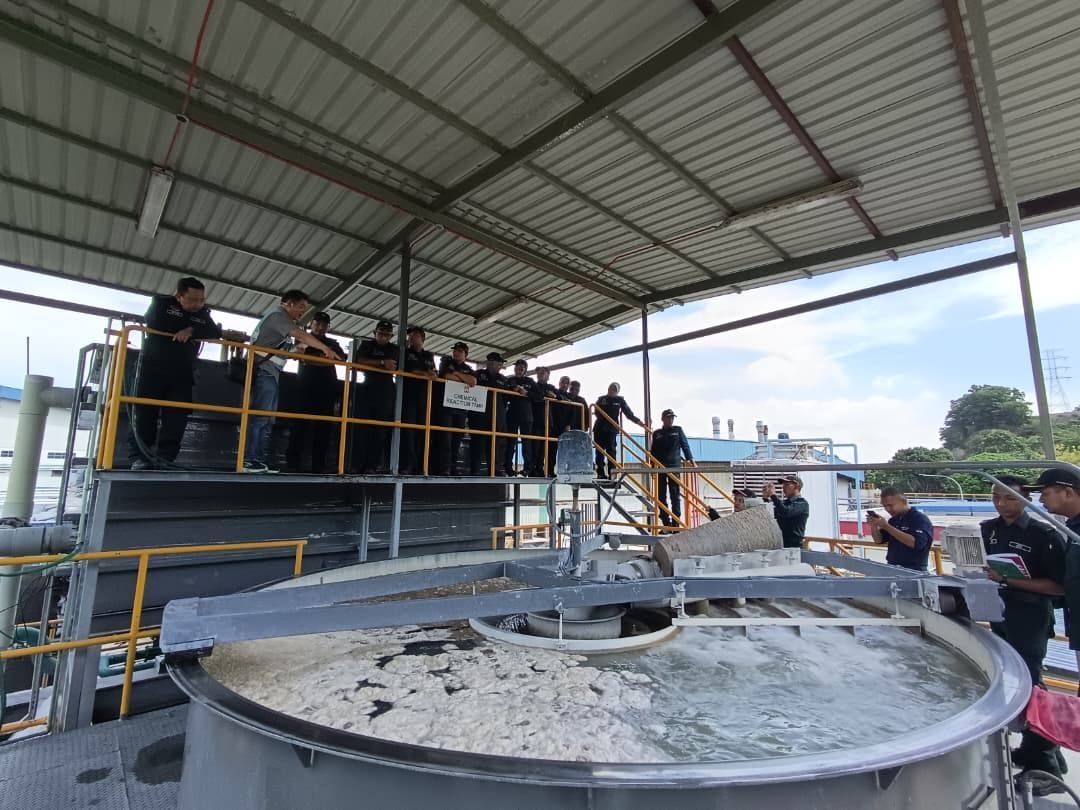
Learn how to prepare for DOE wastewater sampling in Malaysia and why consistent wastewater treatment operation is more effective than last-minute corrective actions.
by Jones Chee 9 July 2026
Learn why some wastewater treatment plants consistently achieve stable performance while others require frequent troubleshooting. Discover practical strategies for long-term optimisation.
by sales albeadvance 26 June 2026
Learn about the most important industrial wastewater treatment technologies including DAF, MBBR, MBR, Activated Sludge, UASB, EGSB, sludge dewatering, and water reuse systems.
by sales albeadvance 24 June 2026
Compliance failures don’t happen overnight. Spot early signs in your effluent treatment system before small issues turn into bigger problems.
by sales albeadvance 23 June 2026
Learn how industrial wastewater treatment works, including primary, secondary, and tertiary treatment stages, common technologies, and how industries achieve environmental compliance in Malaysia.
by sales albeadvance 17 June 2026
What Many Plants Misunderstand About MBR Systems
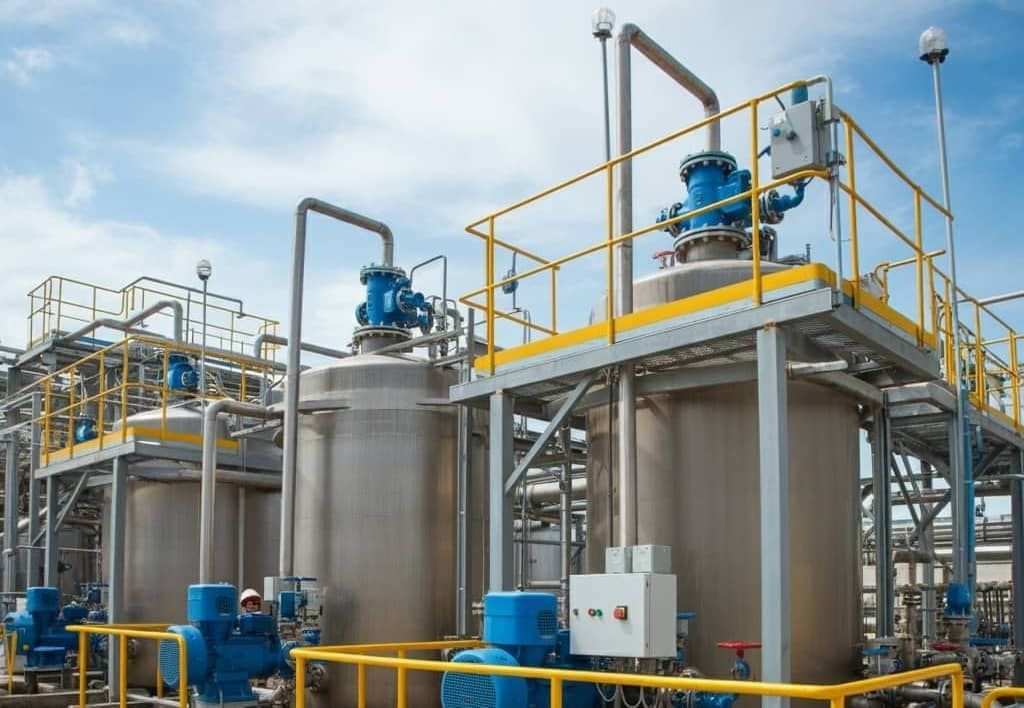
Industrial wastewater treatment system with large treatment tanks, piping, and access platforms for
by sales albeadvance 11 June 2026
Industrial water management is shifting from DOE compliance to stable treatment, resilience, and wastewater recycling for long-term sustainability.
Show More