What Is Scheduled Waste in Malaysia? Meaning, SW Codes and Factory Obligations

QT LIM • 10 August 2026

Share this article

What Is Scheduled Waste in Malaysia?

What Is Scheduled Waste?

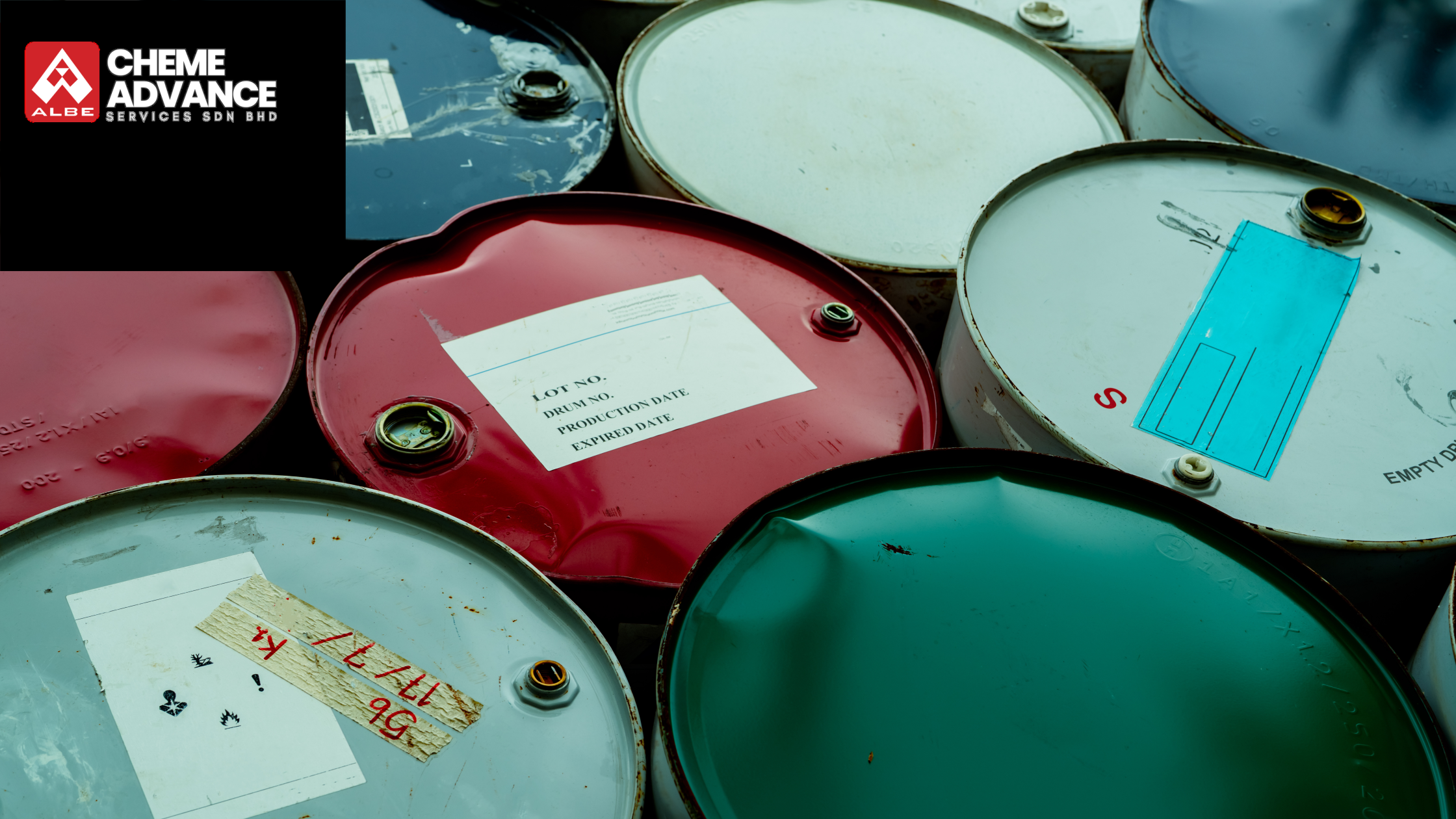
Scheduled waste in Malaysia is waste that is regulated under the Environmental Quality (Scheduled Wastes) Regulations 2005 because it contains hazardous substances or poses potential risks to human health and the environment. Every scheduled waste is assigned an official SW Code, which determines how it should be identified, stored, transported, recovered, and disposed of in accordance with Malaysian environmental regulations.


Factories that generate scheduled waste have legal responsibilities to classify their waste correctly, maintain proper records, and ensure it is managed through authorised channels.


What Does "Scheduled Waste" Mean?

Hazardous waste. Regulated waste. Controlled waste.


Unlike ordinary industrial waste, scheduled waste requires additional controls because of its chemical composition or environmental impact.

Examples include:

  • Chemical sludge
  • Heavy metal sludge
  • Used lubricating oil
  • Spent solvents
  • Acid and alkaline waste
  • Laboratory chemicals
  • Contaminated packaging
  • Used activated carbon
  • Waste catalysts

Scheduled waste is commonly generated by:


  • Industrial wastewater treatment plants
  • Electronics manufacturing
  • Metal finishing facilities
  • Chemical manufacturers
  • Pharmaceutical companies
  • Food processing plants
  • Automotive industries

What Is an SW Code?

An SW Code is the official classification assigned to scheduled waste under the Environmental Quality (Scheduled Wastes) Regulations 2005.


The SW Code determines:

  • How the waste should be identified
  • Storage requirements
  • Labelling requirements
  • Transport requirements
  • Recovery or disposal methods
  • Regulatory reporting obligations


Using the correct SW Code helps ensure scheduled waste is managed safely and in accordance with Malaysian environmental regulations.


Related Reading: Scheduled Waste Malaysia: A Complete Guide to SW Code Management for Factories.


Why Are SW Codes Important?

Correct SW Code classification helps factories:

  • comply with DOE regulations
  • prevent incorrect waste handling
  • improve workplace safety
  • reduce environmental risks
  • maintain accurate inventory records
  • support regulatory inspections


Incorrect classification can create unnecessary compliance risks and operational challenges.


Common Scheduled Waste Categories

Rather than memorising every SW Code, it is useful to understand the main categories of scheduled waste.


What Are a Factory's Responsibilities?

Factories generating scheduled waste are generally responsible for:

  • identifying scheduled waste correctly
  • assigning the correct SW Code
  • storing waste safely
  • maintaining inventories
  • labelling containers
  • keeping required documentation
  • engaging authorised transporters and recovery or disposal facilities


Environmental compliance is an ongoing process rather than a one-time activity.


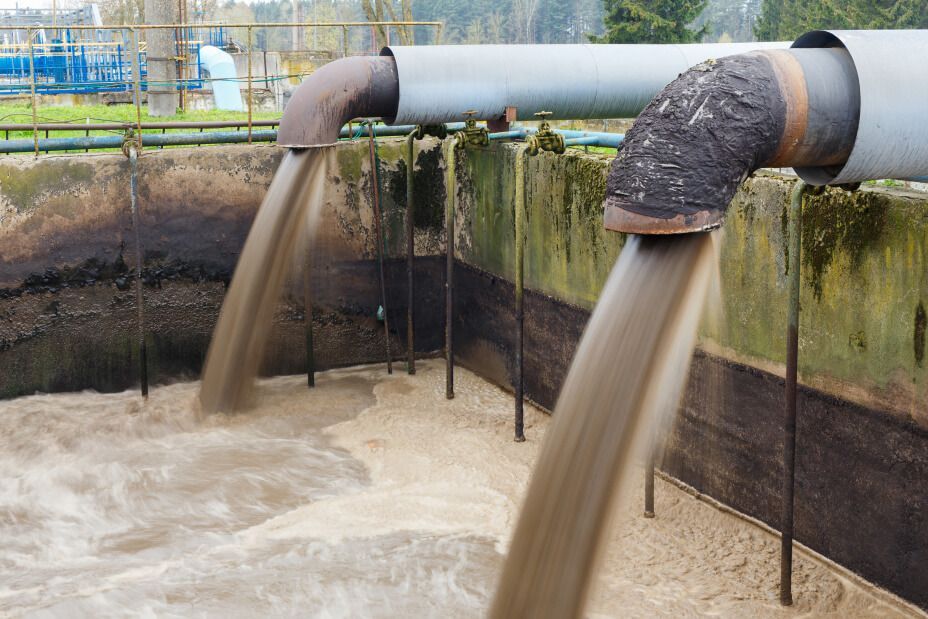
How Does Scheduled Waste Relate to Wastewater Treatment?

Many manufacturers are surprised to learn that their wastewater treatment plant may generate scheduled waste.


Examples include:

  • chemical sludge
  • heavy metal sludge
  • used activated carbon
  • spent filter media
  • contaminated filters


However, not all wastewater treatment sludge is classified as scheduled waste.


Classification depends on:

  • the source of the wastewater
  • contaminants present
  • laboratory analysis
  • applicable DOE regulations


This is why proper technical evaluation is important before arranging disposal.


Common Mistakes

The most common scheduled waste mistakes include:

  • using the wrong SW Code
  • poor labelling
  • mixing incompatible waste
  • poor storage conditions
  • delayed disposal arrangements
  • incomplete documentation
  • failing to review classifications after production changes


Many of these issues can be avoided through routine environmental audits.


Final Thoughts

Understanding what scheduled waste is and correctly identifying it is the foundation of environmental compliance for many Malaysian manufacturers.


By correctly classifying waste, assigning the appropriate SW Code, maintaining proper storage practices, and keeping accurate records, factories can reduce compliance risks while improving environmental performance.

Scheduled waste management should be viewed as part of a broader environmental management strategy that also includes industrial wastewater treatment, sludge management, and regulatory compliance.


Need Help Managing Scheduled Waste?

The Cheme Advance Technical Team works with manufacturers across Malaysia to improve environmental compliance through wastewater treatment optimisation, sludge management strategies, environmental engineering consultancy, and technical support.


Although Cheme Advance does not operate licensed scheduled waste recovery or disposal facilities, we help manufacturers integrate scheduled waste management into their overall environmental workflow and connect them with appropriate licensed service providers where required.

Contact Us


Whether you need guidance on sludge classification, wastewater treatment optimisation, or environmental compliance, our team can help you develop a practical and compliant workflow.


Frequently Asked Questions

What is scheduled waste?

Scheduled waste is hazardous or controlled waste regulated under Malaysia's Environmental Quality (Scheduled Wastes) Regulations 2005.

What is an SW Code?

An SW Code is the official code used to identify different categories of scheduled waste.

Does every factory produce scheduled waste?

No. It depends on the manufacturing process, chemicals used, and waste generated.

Is wastewater sludge always scheduled waste?

No. Some sludge is classified as scheduled waste, while other sludge is not. Classification depends on laboratory analysis and the applicable regulations.

Who regulates scheduled waste in Malaysia?

Scheduled waste is regulated by the Department of Environment (DOE) Malaysia under the Environmental Quality Act 1974 and the Environmental Quality (Scheduled Wastes) Regulations 2005.


Disclaimer


This article is provided for informational and educational purposes only and should not be considered legal or regulatory advice. While Cheme Advance Services Sdn. Bhd. does not operate licensed scheduled waste recovery or disposal facilities directly, we assist manufacturers in coordinating compliant scheduled waste management workflows as part of broader environmental engineering and industrial wastewater treatment projects.


Contact us to learn how we can help integrate scheduled waste management into your overall environmental compliance programme.


About Author


Qing Tao Lim
Technical Sales & Development Engineer | Cheme Advance Services Sdn. Bhd.


Qing Tao Lim is a Technical Sales & Development Engineer at Cheme Advance Services Sdn. Bhd. He holds a Bachelor of Engineering (Chemical Engineering) from University College London (UCL) and has over three years of experience in industrial wastewater treatment, process engineering, and environmental solutions. Working closely with manufacturers across Malaysia, he supports the evaluation, design, optimisation, and implementation of wastewater treatment systems while helping clients improve operational performance and environmental compliance. His articles combine engineering principles, practical field experience, and insights from Cheme Advance's multidisciplinary technical team.

Recent Posts

by QT LIM 7 August 2026
Learn how scheduled waste is classified in Malaysia, understand SW Codes, legal responsibilities, storage requirements, and how factories can maintain compliance under Malaysian environmental regulations.
by jones chee 23 July 2026
Learn about water pollution fines in Malaysia, penalties under the Environmental Quality Act 1974, industrial effluent licensing requirements, and how manufacturers can reduce compliance

Four engineers in hard hats review plans at an industrial facility.
by Jones Chee 22 July 2026
Discover what manufacturers should expect from a wastewater treatment partner beyond equipment supply. Learn how technical support, optimisation, and long-term expertise improve plant performance.
by Jones Chee 13 July 2026
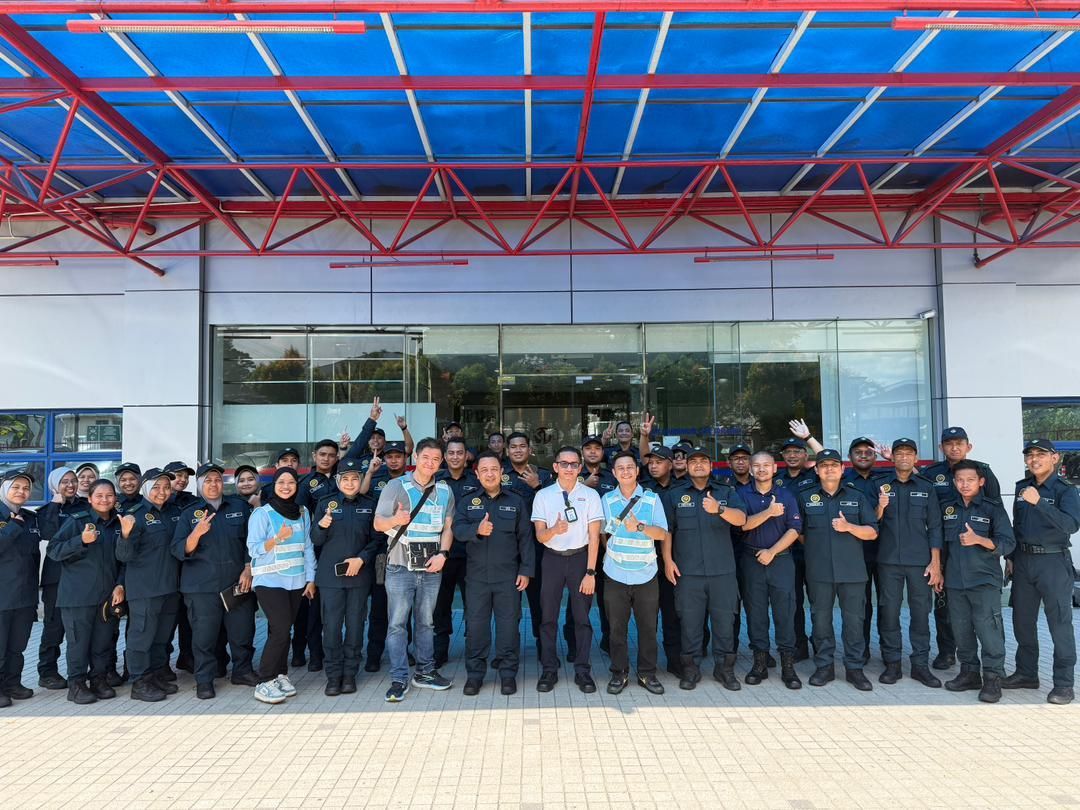
Discover the key characteristics of a healthy Industrial Effluent Treatment System (IETS) and the lessons shared during an EiMAS and DOE Malaysia technical visit at KJM Aluminium Can.
by jones chee 10 July 2026
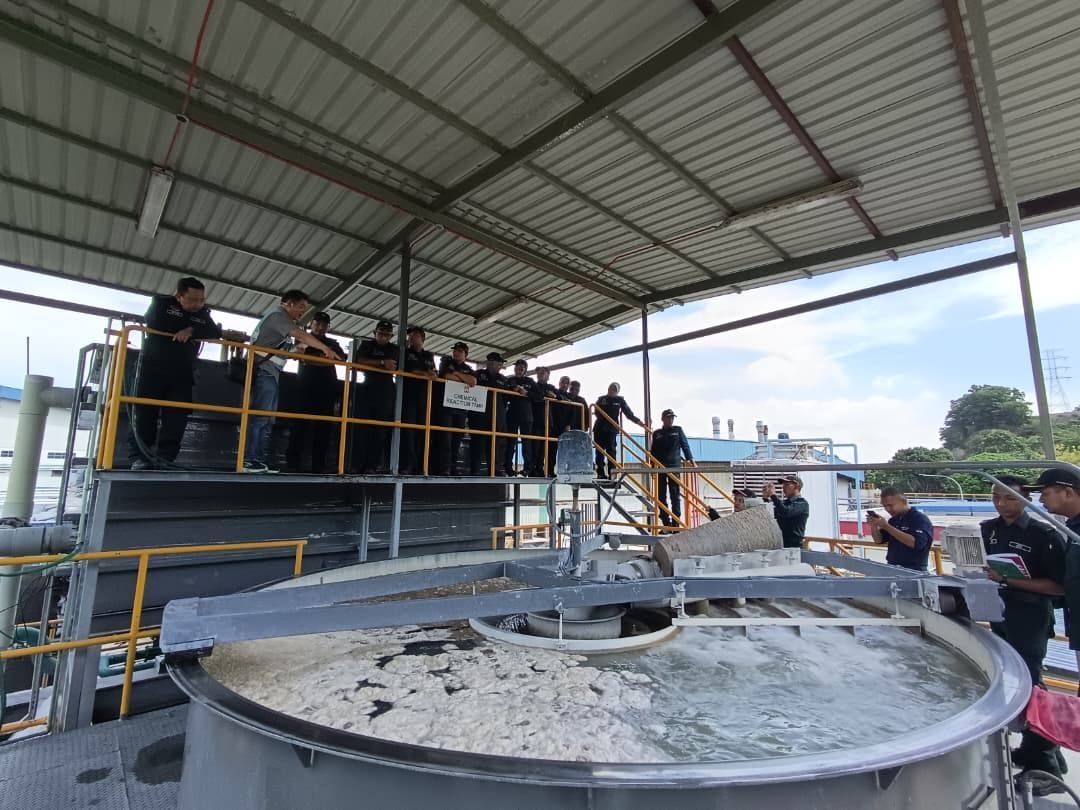
Learn how to prepare for DOE wastewater sampling in Malaysia and why consistent wastewater treatment operation is more effective than last-minute corrective actions.
by Jones Chee 9 July 2026
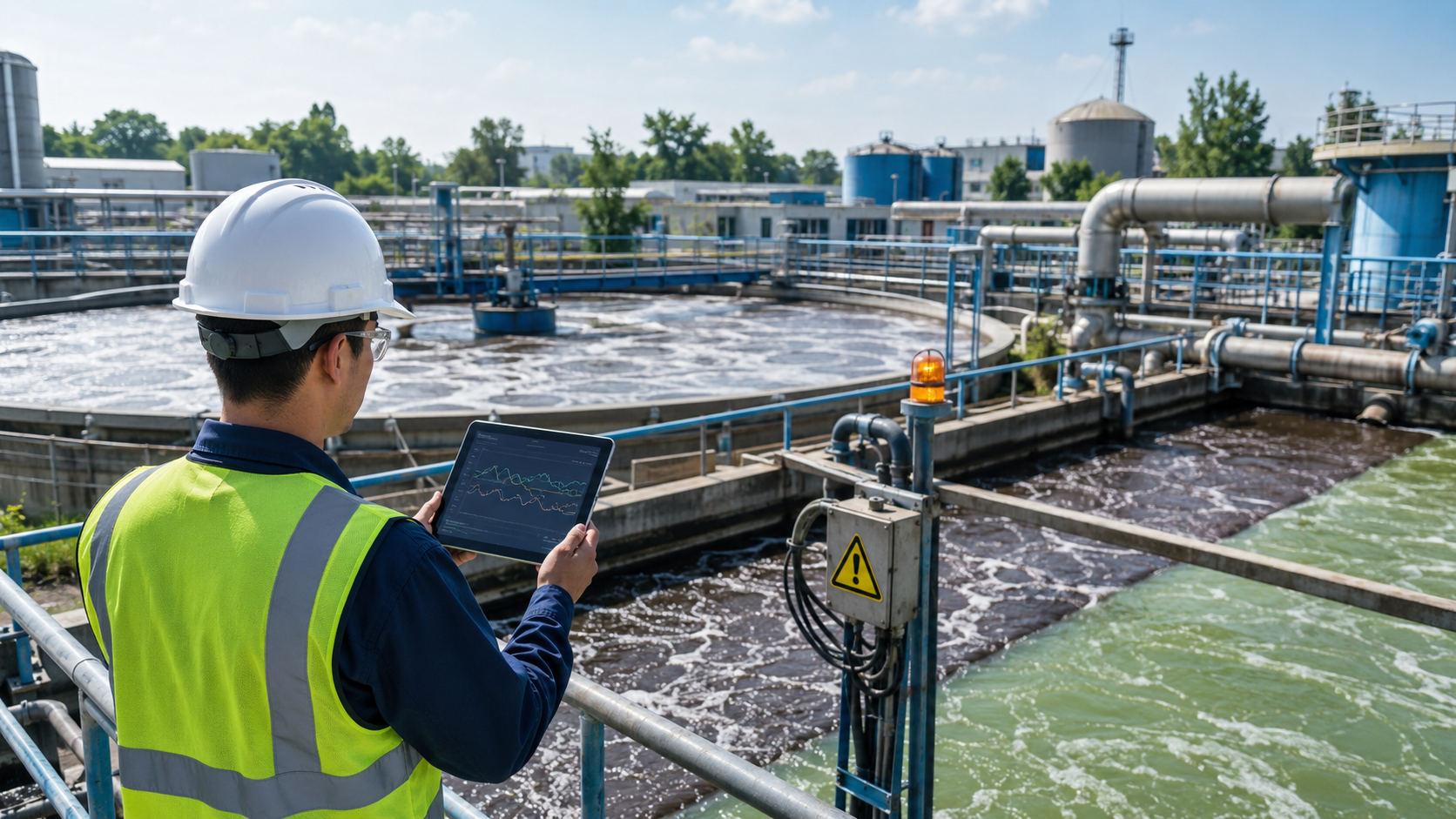
Learn why some wastewater treatment plants consistently achieve stable performance while others require frequent troubleshooting. Discover practical strategies for long-term optimisation.
by sales albeadvance 26 June 2026
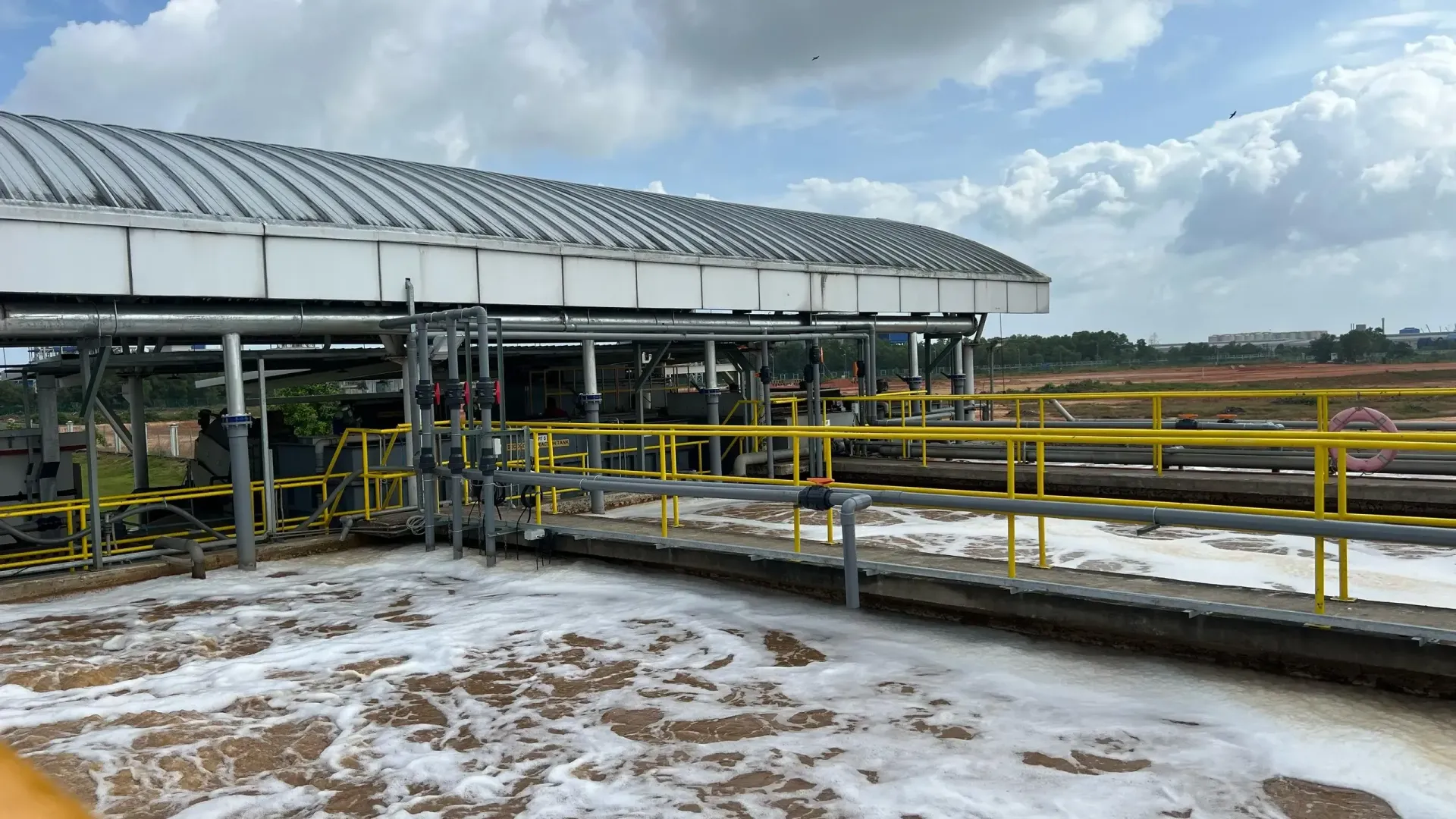
Learn about the most important industrial wastewater treatment technologies including DAF, MBBR, MBR, Activated Sludge, UASB, EGSB, sludge dewatering, and water reuse systems.
by sales albeadvance 24 June 2026
Compliance failures don’t happen overnight. Spot early signs in your effluent treatment system before small issues turn into bigger problems.
by sales albeadvance 23 June 2026
Learn how industrial wastewater treatment works, including primary, secondary, and tertiary treatment stages, common technologies, and how industries achieve environmental compliance in Malaysia.
by sales albeadvance 17 June 2026
What Many Plants Misunderstand About MBR Systems
Show More