
Most Compliance Failures Begin Weeks Earlier: Why Wastewater Systems Fail Compliance

sales albeadvance • 24 June 2026

Share this article

Most Compliance Failures Begin Weeks Earlier

When an effluent test result fails, it may seem like the problem happened suddenly.


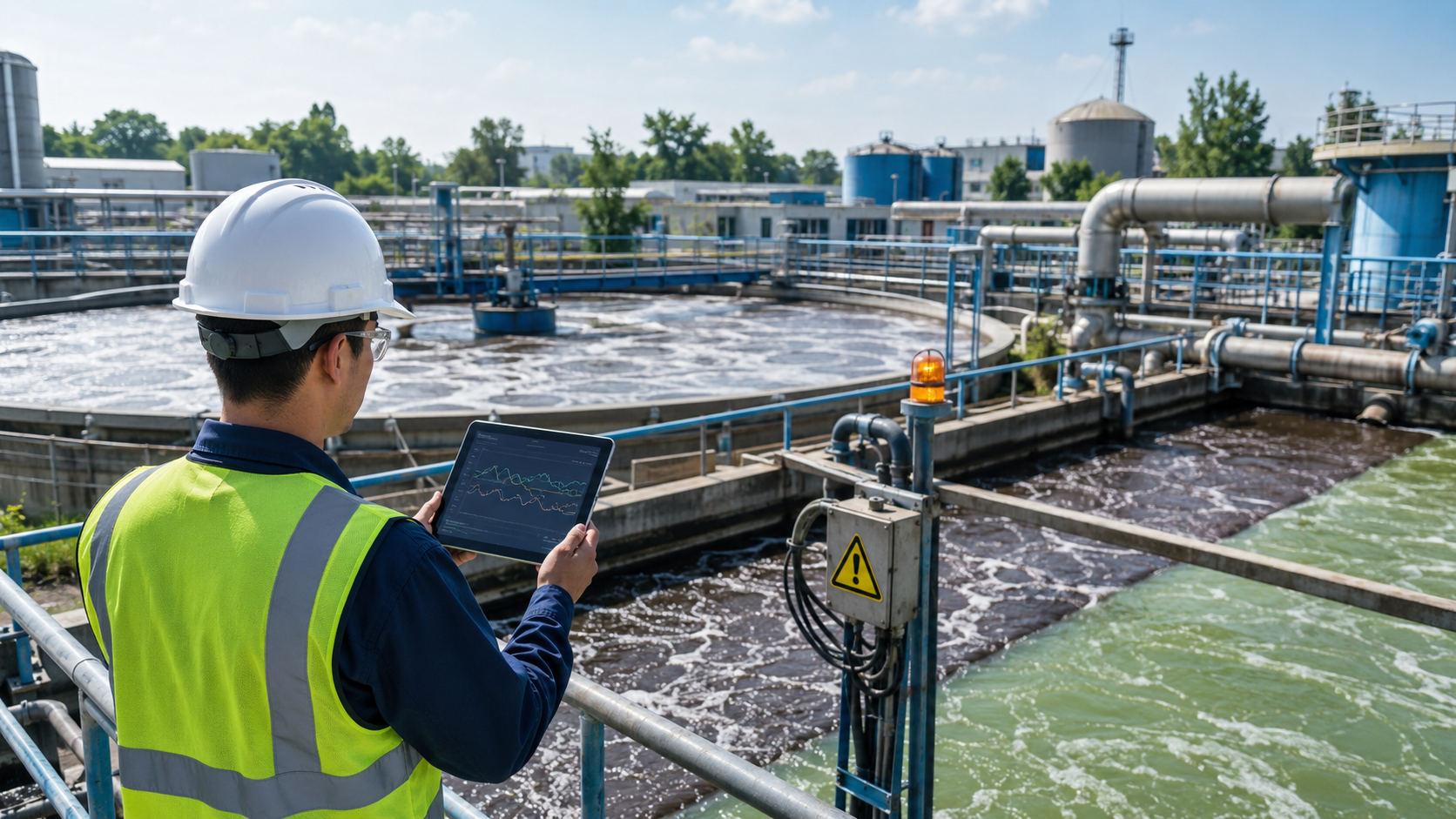
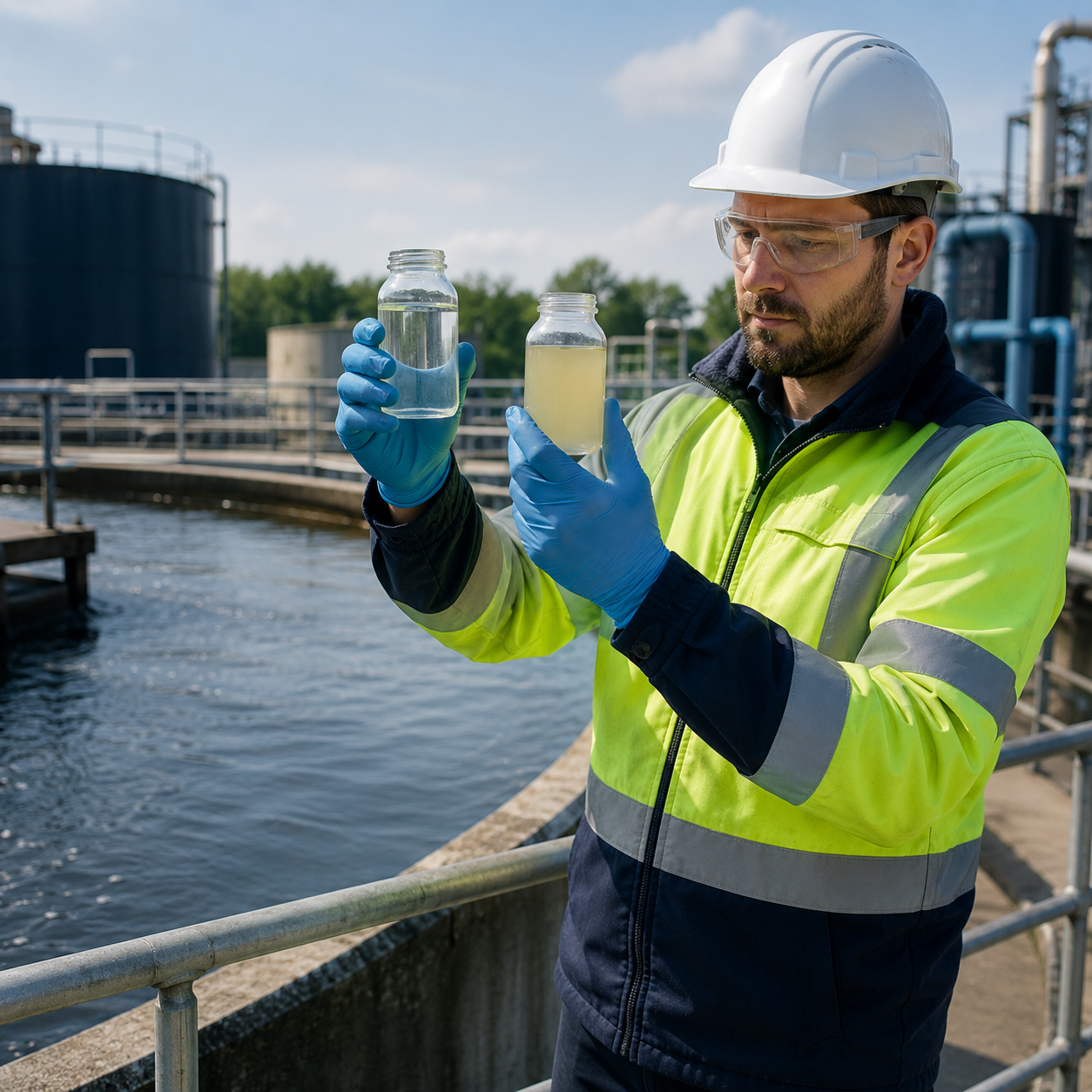
In reality, many compliance failures begin much earlier. Small warning signs often appear days or weeks before the final result shows non-compliance. These signs may include colour changes, odour, unstable pH or COD readings, sludge condition changes, minor alarms, or delayed maintenance.


The system may still be running, but small issues can grow when warning signs are ignored.


For industries in Malaysia, this is why stable wastewater management is important. Compliance is not only about passing one test result. It depends on consistent monitoring, proper operation, and timely action before the treatment system becomes unstable.


Why Wastewater Systems Fail Compliance

Wastewater systems usually fail compliance when treatment performance becomes unstable.


This instability can happen for several reasons, such as:

  • Changes in influent wastewater quality
  • Unsuitable chemical dosage
  • Poor sludge condition
  • Reduced equipment efficiency
  • Delayed maintenance


In industrial wastewater treatment, these changes are common because production activities can vary from day to day. When these changes are not monitored closely, the effluent treatment system may slowly lose stability.

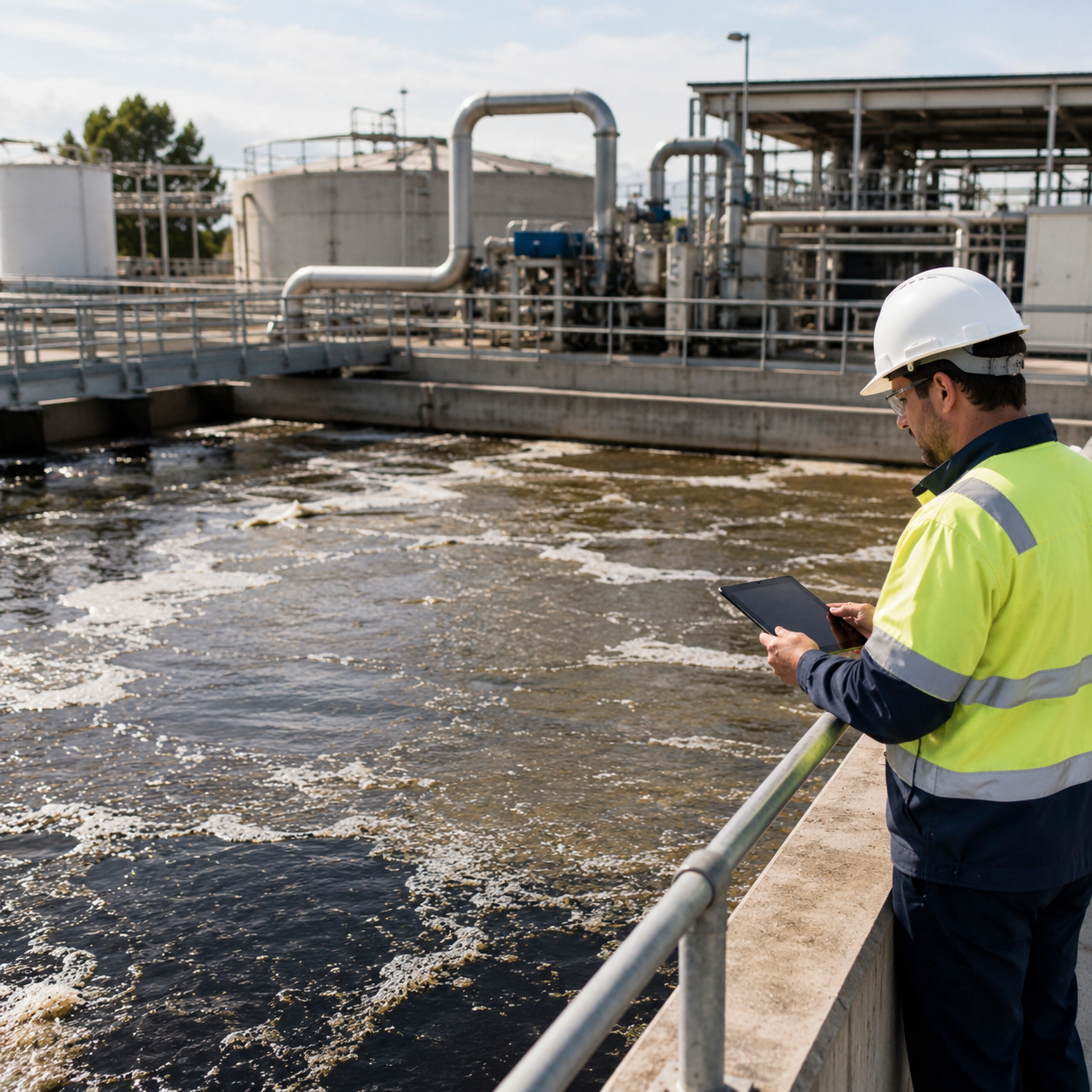
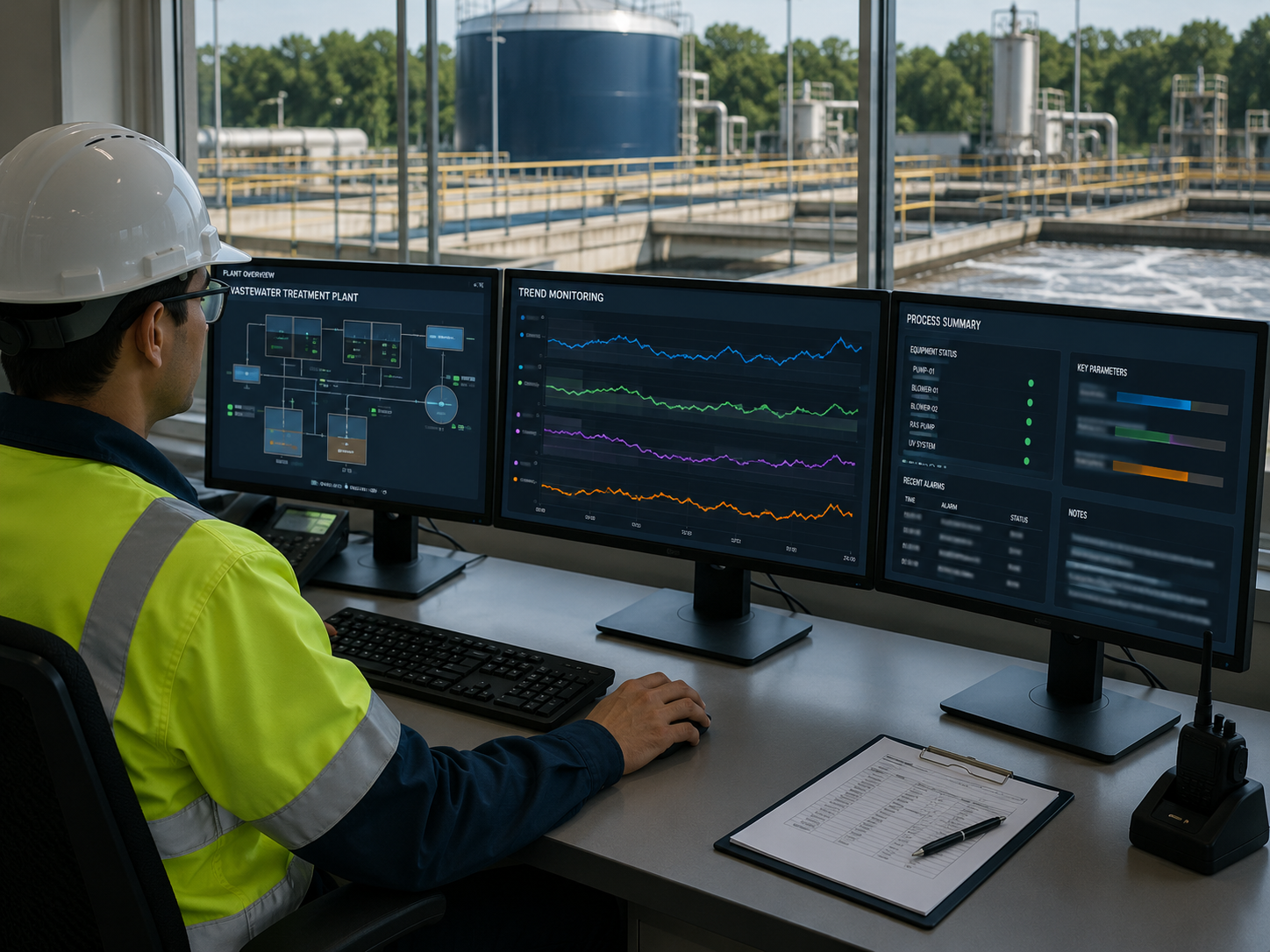
A common mistake is only checking the final discharge result. However, the final result usually shows the problem after it has already developed. To prevent compliance failure, operators need to look at trends, not only final readings.


Week 1: Early Warning Signs Appear

The first stage usually starts with small changes.


  • Effluent colour may change slightly.
  • Odour may start to develop.
  • pH or COD may begin to fluctuate.
  • Sludge condition may look different from normal.


At this stage, the system may not have failed yet. The treated effluent may still look acceptable, and the plant may continue operating as usual.

However, these small changes can be early signals that the wastewater treatment system is losing balance.


For example, a slight colour change may indicate changes in wastewater characteristics or treatment efficiency.


Odour may suggest biological imbalance, insufficient aeration, or sludge-related issues.


These signs should not be ignored just because the system is still running.

Week 2: Indicators Become Unstable

By the second stage, the indicators may become more unstable.


  • Parameter readings fluctuate more often.
  • Treatment performance becomes less consistent.
  • Chemical usage may increase.
  • Equipment efficiency may start to drop.


These changes may seem minor, but they can show that the system is working harder to maintain treatment performance.


If the issue continues, the plant may need more chemicals, more adjustments, or more troubleshooting to keep the system stable.

This is why regular monitoring is important. A single reading only shows one moment. A trend shows whether the system is improving, stable, or starting to decline.

Week 3: Warning Signs Are Ignored

The third stage is where the risk grows.


The system may still run, but ignored signs can grow into bigger risks. Data trends may not be reviewed carefully. Minor alarms may be overlooked. Routine maintenance may be delayed.


In many cases, operators only react after the final test result fails. By then, the issue may already be harder and more costly to correct.


Small issues should be handled before they affect the whole treatment process. Early action is usually more effective than last-minute correction.

Week 4: System Performance Declines

If early warning signs continue without action, system performance may start to decline.


  • Effluent quality may become inconsistent.
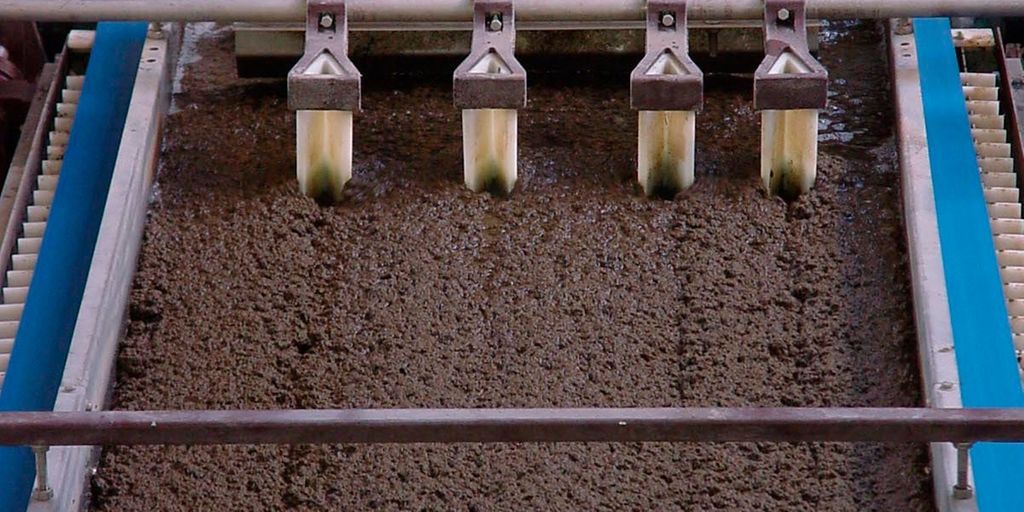
  • Sludge may swell, rise, or wash out.
  • Equipment breakdown risk may increase.
  • Treatment costs may also rise.


At this stage, the system may already be operating in an unstable condition. This can affect compliance, operation continuity, cost control, and company reputation.


For industries, non-compliance may lead to penalties, additional monitoring, downtime, or reputational damage. However, many of these risks can be reduced if warning signs are identified and managed early.


Prevention Insight: Early Action Protects Compliance

A stable wastewater treatment system depends on early action.


Plants should monitor key parameters regularly, review data trends, and respond before minor issues escalate. Operation and maintenance should also remain consistent.


Important prevention practices include:


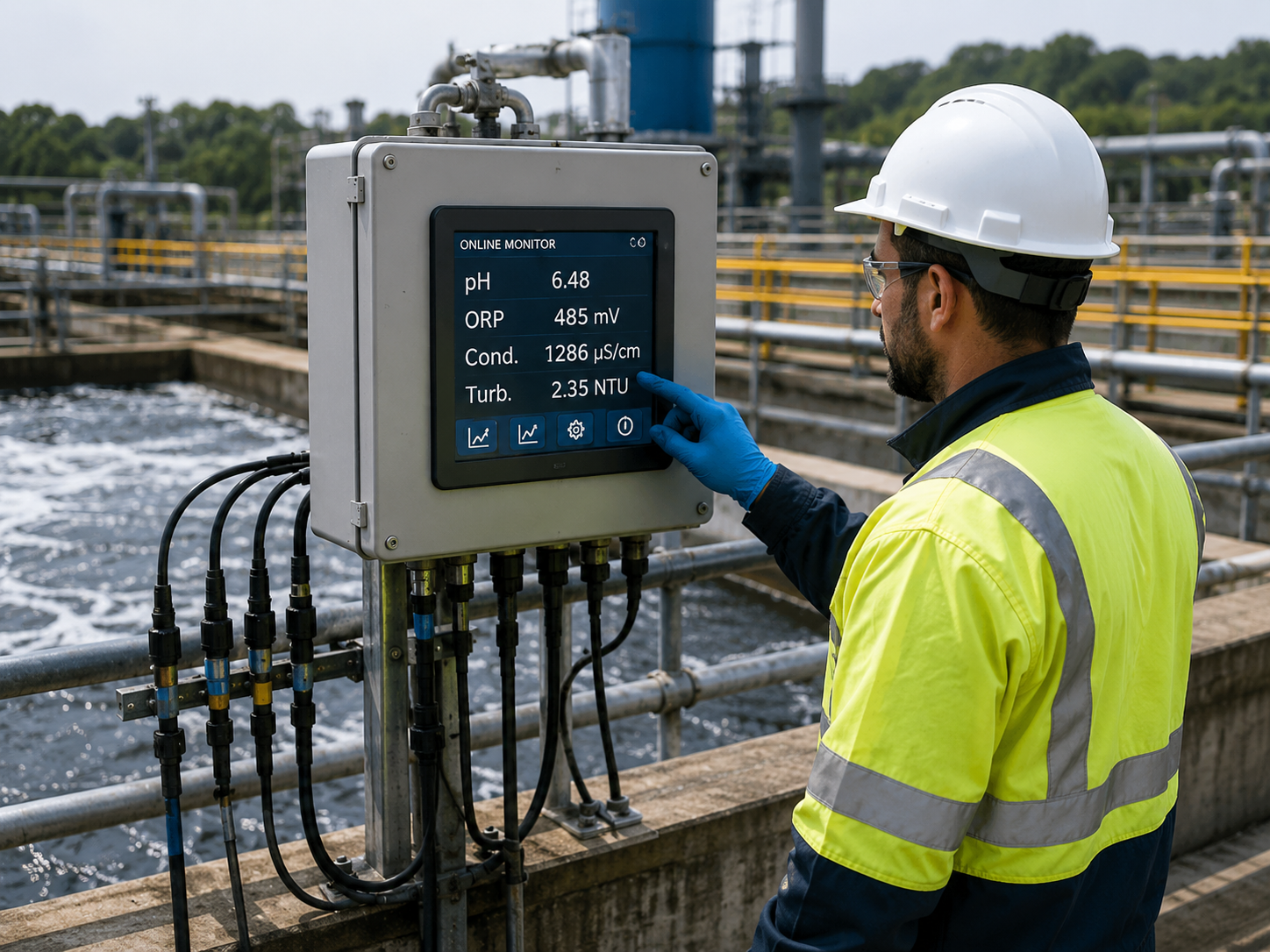
  • Monitoring pH, COD, BOD, TSS, sludge condition, and other key parameters
  • Reviewing trends instead of only checking final results
  • Responding quickly to colour, odour, sludge, or process changes
  • Maintaining equipment before breakdown happens
  • Keeping operation and maintenance consistent

Many wastewater management companies provide support beyond system installation. Long-term operation support, troubleshooting, maintenance planning, and process review are important to keep an effluent treatment system stable.


Choosing an experienced wastewater treatment company in Malaysia can help industries identify early warning signs, improve treatment reliability, and reduce compliance risks.

Conclusion

Most compliance failures do not happen suddenly.


They often begin with small warning signs that appear weeks before the final test result fails. Effluent colour changes, odour, unstable pH or COD readings, sludge condition changes, equipment issues, and delayed maintenance can all indicate that the system is losing stability.


The best approach is to monitor early, review trends, and act before small issues become major problems.


Early action helps keep treatment stable, compliant, and reliable.

If you are facing challenges in your wastewater treatment system or looking to improve compliance and operational efficiency, our team is ready to support.


Reach out to us for a technical discussion or system evaluation tailored to your plant conditions.

Recent Posts

by sales albeadvance 23 June 2026
Learn how industrial wastewater treatment works, including primary, secondary, and tertiary treatment stages, common technologies, and how industries achieve environmental compliance in Malaysia.
by sales albeadvance 17 June 2026
What Many Plants Misunderstand About MBR Systems
Industrial wastewater treatment system with large treatment tanks, piping, and access platforms for
by sales albeadvance 11 June 2026
Industrial water management is shifting from DOE compliance to stable treatment, resilience, and wastewater recycling for long-term sustainability.
Foaming aeration tank in an industrial wastewater treatment plant for biological treatment process
by sales albeadvance 10 June 2026
A food and beverage wastewater treatment case study on blower failure, aeration interruption, repair action, and standby planning for stable performance.
Wastewater Treatment
by sales albeadvance 9 June 2026
How industrial wastewater recycling can turn wastewater treatment from a compliance cost into a long-term water asset for businesses in Malaysia.
by sales albeadvance 3 June 2026
Learn why a stable effluent treatment system is more important than achieving one-time DOE compliance. Discover how operational stability, sludge management, and influent control improve long-term wastewater performance.
by sales albeadvance 29 May 2026
What Clients Really Need from Their IETS Partner After Project Handover
Cheme Advance team photo with DOE seminar participants in Melaka and Selangor
by sales albeadvance 28 May 2026
Cheme Advance joined DOE seminars in Melaka and Selangor to support IETS optimisation, environmental compliance and sustainable wastewater management.
Operator checking wastewater treatment system performance and IETS compliance
by sales albeadvance 26 May 2026
True IETS compliance goes beyond DOE limits. Learn how monitoring, sludge health, chemical dosing, and maintenance support wastewater treatment.
Engineer monitoring an industrial wastewater treatment system at a treatment plant.
by sales albeadvance 21 May 2026
After a shutdown, a wastewater treatment system may take time to stabilise. Proper monitoring helps reduce hidden costs, performance issues, and compliance risks.
Show More