Key Technologies Used in Industrial Wastewater Treatment | Complete Guide for Malaysian Industries
Key Technologies Used in Industrial Wastewater Treatment

Quick Answer: What Are the Main Technologies Used in Industrial Wastewater Treatment?
Industrial wastewater treatment relies on a combination of physical, chemical, and biological treatment technologies to remove contaminants before discharge or reuse. The most common technologies include screening systems, Equalisation (EQ) tanks, Dissolved Air Flotation (DAF), Activated Sludge Systems (CAS), Moving Bed Biofilm Reactors (MBBR), Membrane Bioreactors (MBR), anaerobic reactors such as UASB and EGSB, tertiary filtration systems, and sludge dewatering equipment.
The best technology depends on wastewater characteristics, discharge requirements, available footprint, operational resources, and long-term treatment objectives. No single technology is universally the best solution for every industrial wastewater treatment application.
Why Technology Selection Matters
Performance. Reliability. Lifecycle cost.
Selecting the right wastewater treatment technology is one of the most important decisions during the design or upgrading of an Industrial Effluent Treatment System (IETS).
A system that is oversized can result in unnecessary capital expenditure, while an undersized system may struggle to meet discharge requirements and incur higher operating costs over time.
Modern wastewater treatment plants typically combine multiple technologies working together to achieve stable compliance and operational efficiency.
1. Screening Systems

What Is Screening?
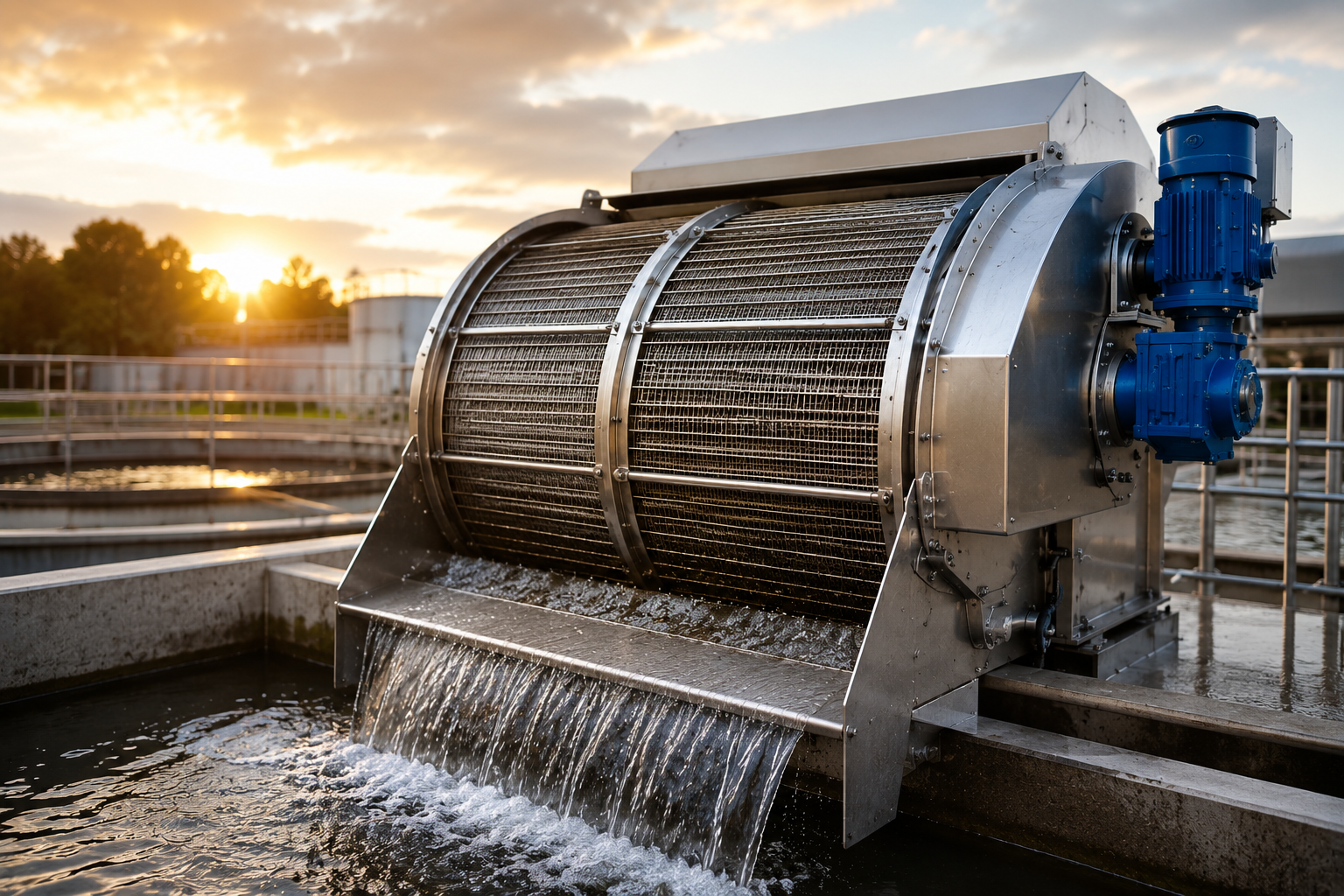
Screening removes large solids before they enter downstream treatment processes.
Common screening technologies include:
- Bar Screens
- Rotary Drum Screens
- Static Screens
- Fine Screens
Best For
- Food and beverage wastewater
- Poultry processing plants
- Palm oil processing
- Manufacturing facilities with high suspended solids
What We Like
Proper screening is often one of the most cost-effective investments because it reduces loading on downstream equipment and improves overall plant stability.
Common Mistake
Many facilities focus on biological treatment upgrades while overlooking inadequate screening systems that continuously introduce excessive solids into the treatment process.
2. Equalisation (EQ) Tanks
What Is an Equalisation Tank?
Flow balancing. Load balancing. Process stabilisation.
Equalisation tanks act as buffers that smooth out fluctuations in wastewater flowrate and pollutant concentrations.
Benefits include:
- Reduced shock loading
- Improved biological stability
- Better chemical dosing efficiency
- More consistent treatment performance
Pro Tip
In many industrial facilities, improving equalisation can solve operational issues without requiring major treatment upgrades.

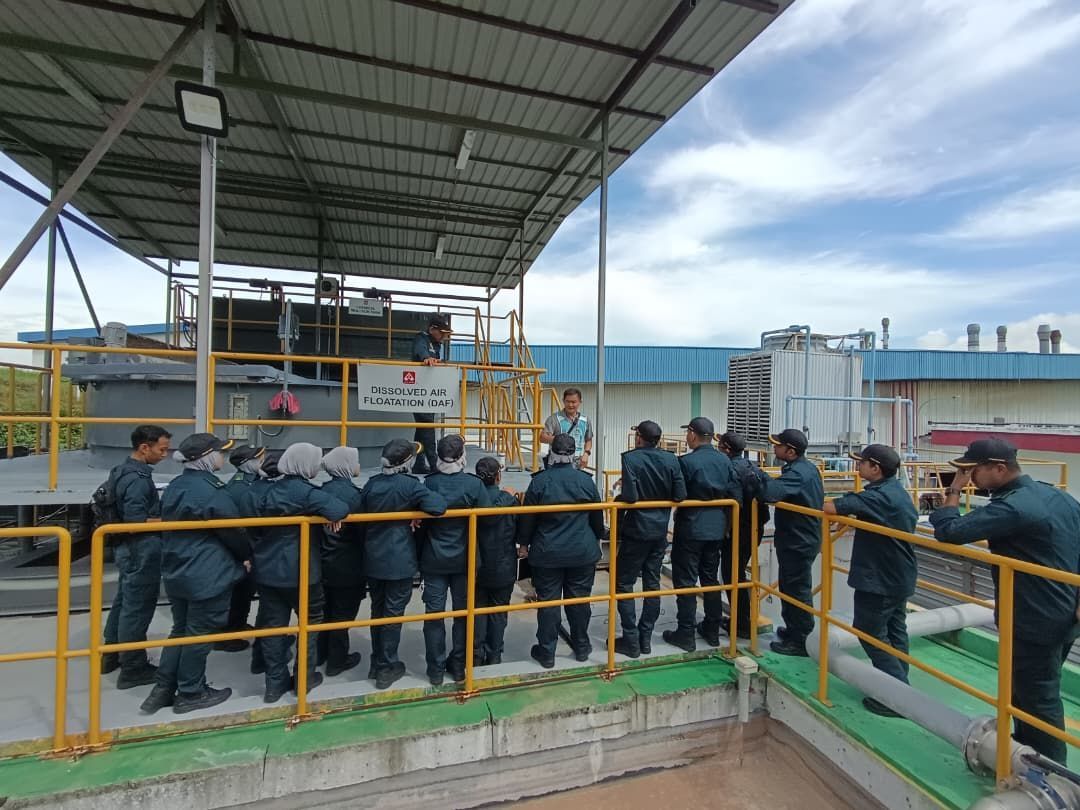
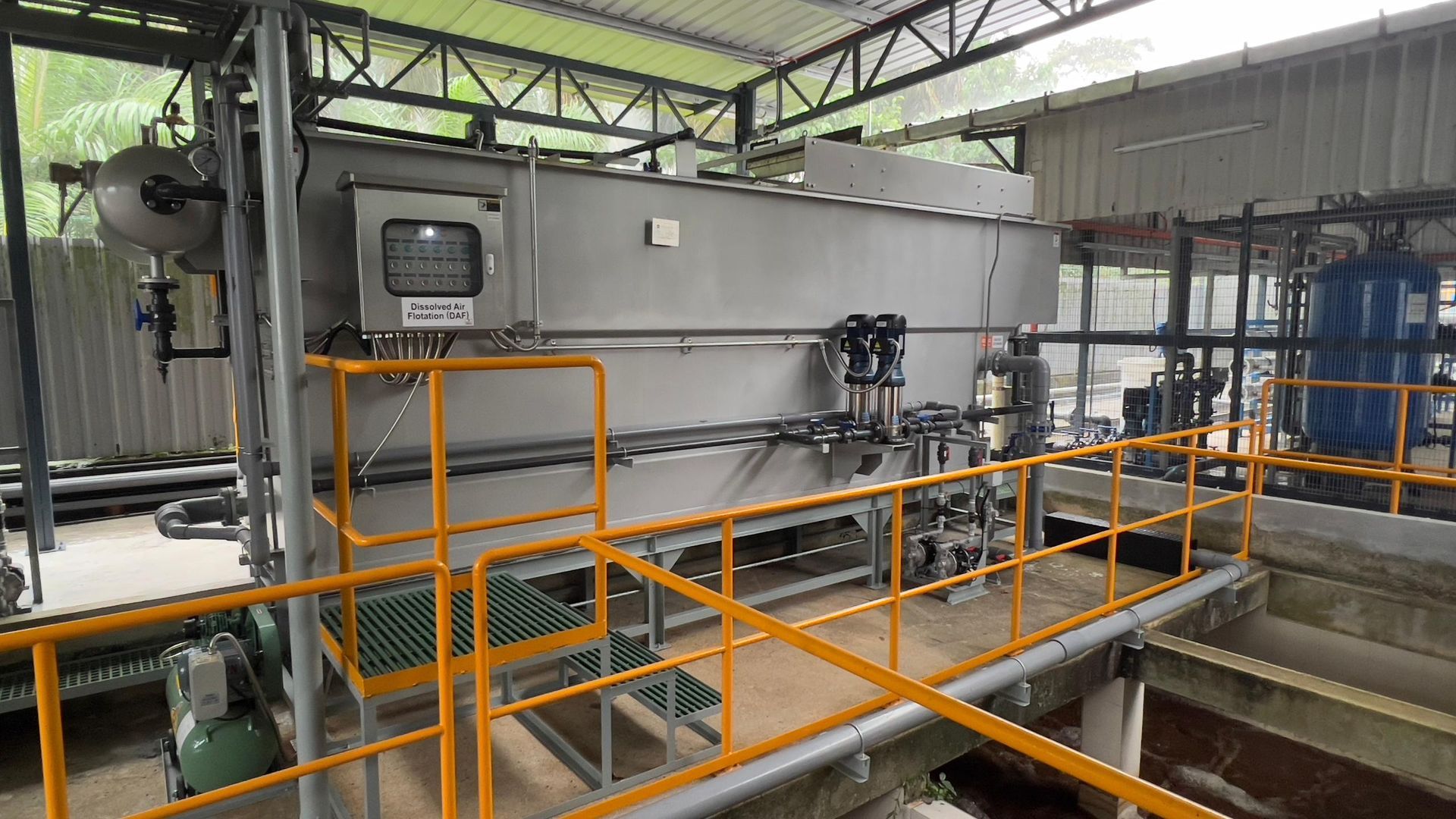
3. Dissolved Air Flotation (DAF)

What Is DAF?
DAF removes suspended solids, fats, oils, grease, and floatable contaminants using microscopic air bubbles.
The air bubbles attach to contaminants and carry them to the surface where they are removed as sludge.
Best For
- Food processing wastewater
- Poultry processing wastewater
- Palm oil wastewater
- Industrial wastewater with high oil and grease
Advantages
Protects downstream processes
Reduces biological loading
Handles varying loads
Compact footprint
High TSS Removal
Fast Treatment
Flexible Operation
Effective O&G Removal
Advantage
Benefit
Operational Insight
DAF performance depends heavily on chemical selection, reaction time, Air-to-Solids (A/S) ratio, and hydraulic loading. Even a well-designed DAF can underperform if operational conditions are not optimised.
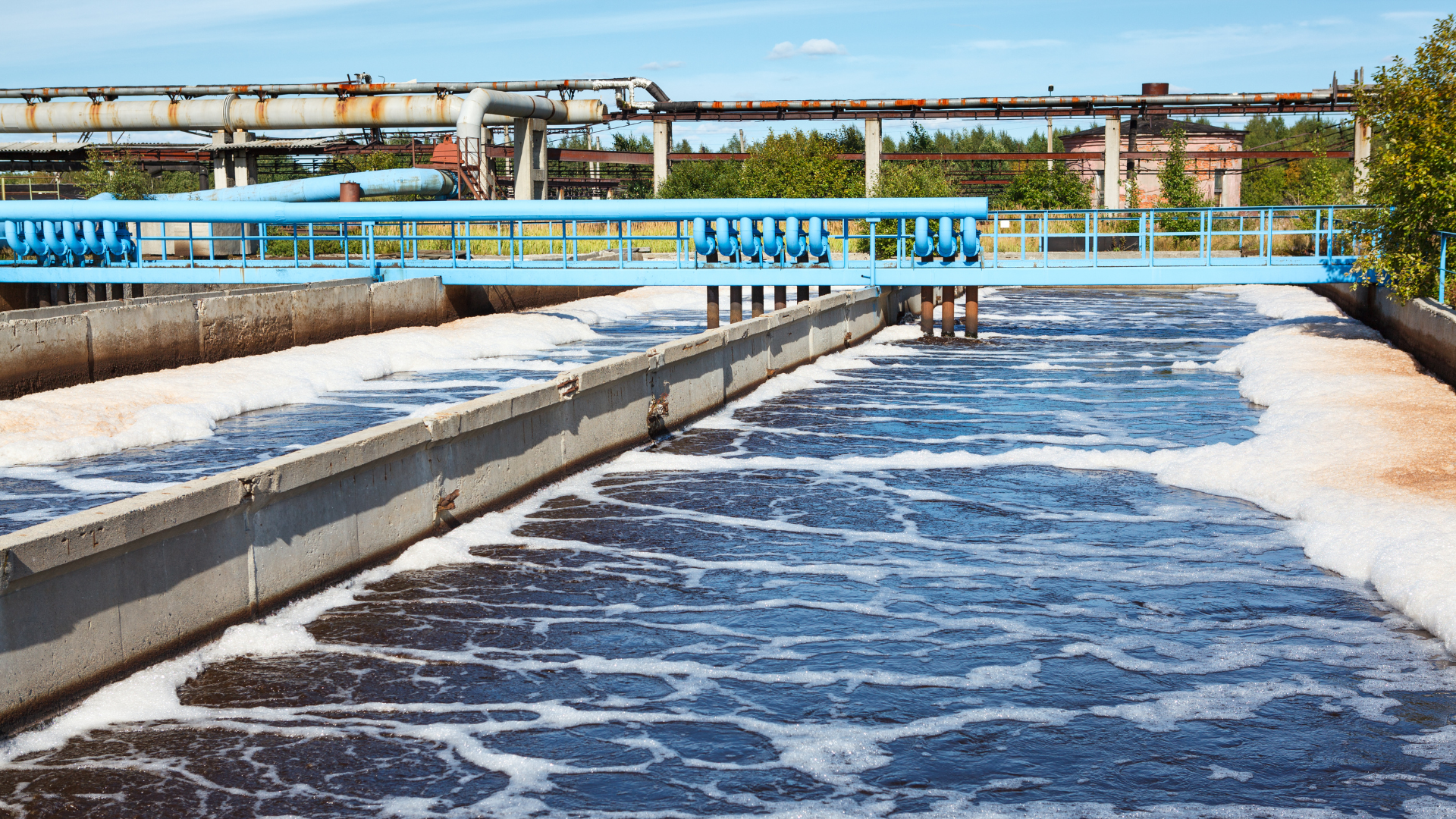
4. Conventional Activated Sludge (CAS)
What Is Activated Sludge?
Activated sludge uses suspended microorganisms to biologically degrade organic pollutants.
It remains one of the most widely used industrial wastewater treatment technologies globally.
Best For
- Moderate-strength wastewater
- Large treatment footprints
- Facilities with experienced operators
Advantages
- Proven technology
- Widely understood
- Lower membrane costs
- Flexible operation
Limitations
- Larger footprint requirements
- Clarifier dependence
- Sludge settling challenges
- Lower biomass concentration
Typical MLSS Range
2,500 – 5,000 mg/L

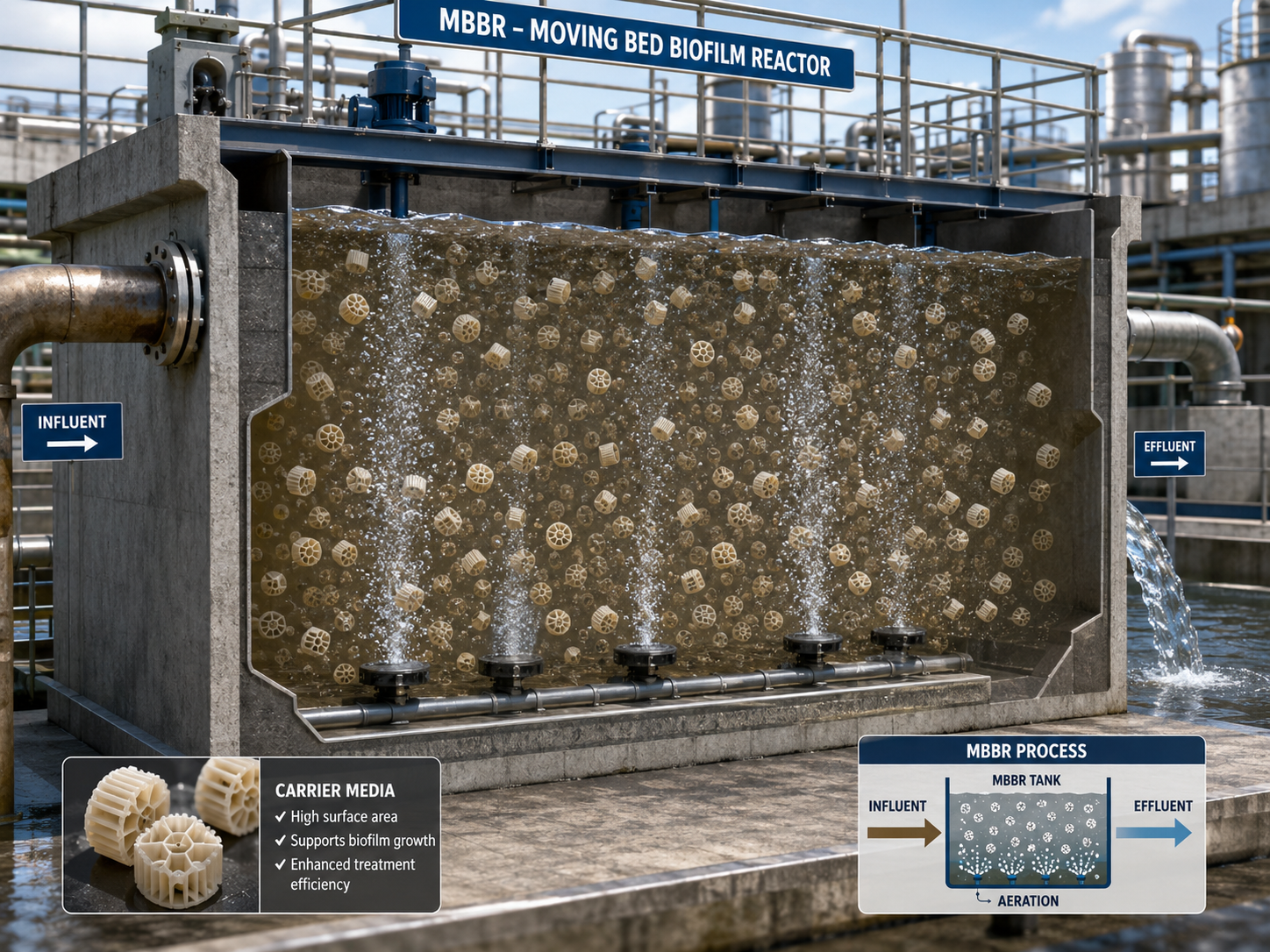
Moving Bed Biofilm Reactor (MBBR)

What Is MBBR?
MBBR uses specially designed plastic carriers that provide surface area for biofilm growth.
The microorganisms attach to the carriers rather than remaining entirely suspended in the water.
Advantages
- Increased biological capacity
- Improved shock-load resistance
- Stable treatment performance
- Easier upgrades for existing plants
Best For
- Capacity upgrades
- Facilities with loading fluctuations
- Plants facing footprint constraints
Suspended
Attached
Smaller
Higher
Excellent
Larger
Limited
Moderate
Biomass Growth
Shock Resistance
Upgrade Potential
Foorprint
Parameter
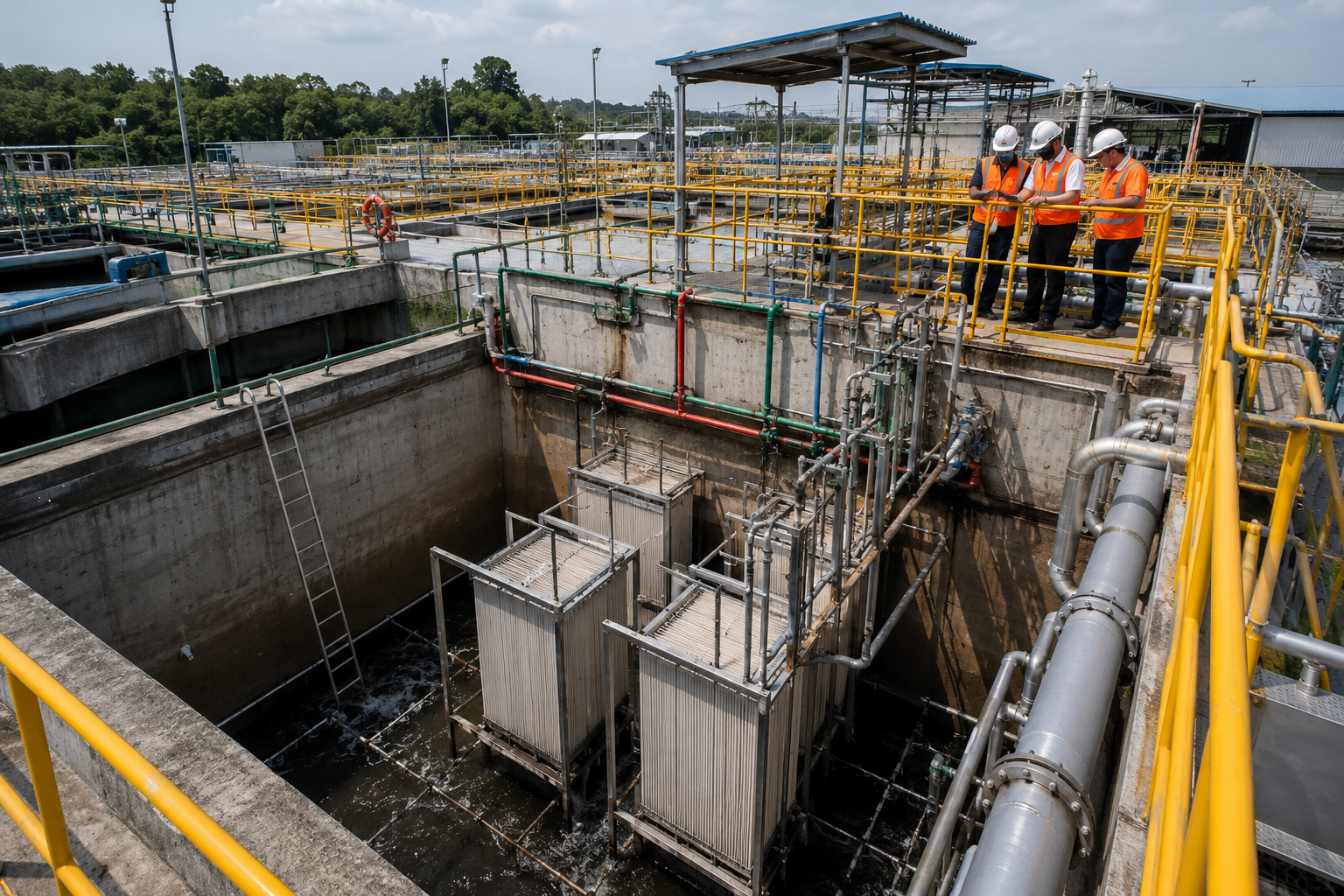
MBBR
Activated Sludge
Practical Observation
MBBR is frequently selected when existing treatment plants require capacity expansion without constructing additional large biological tanks.
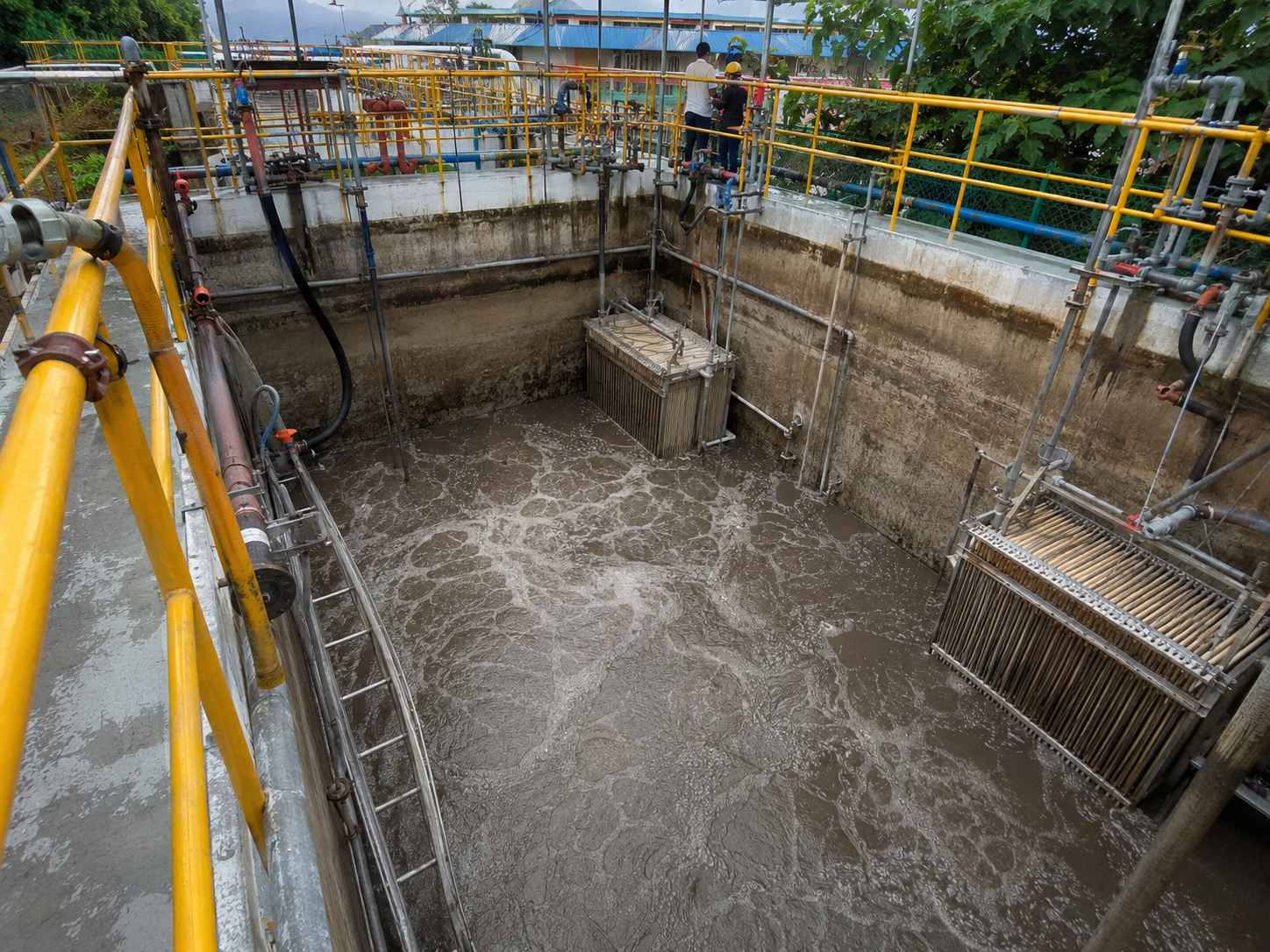
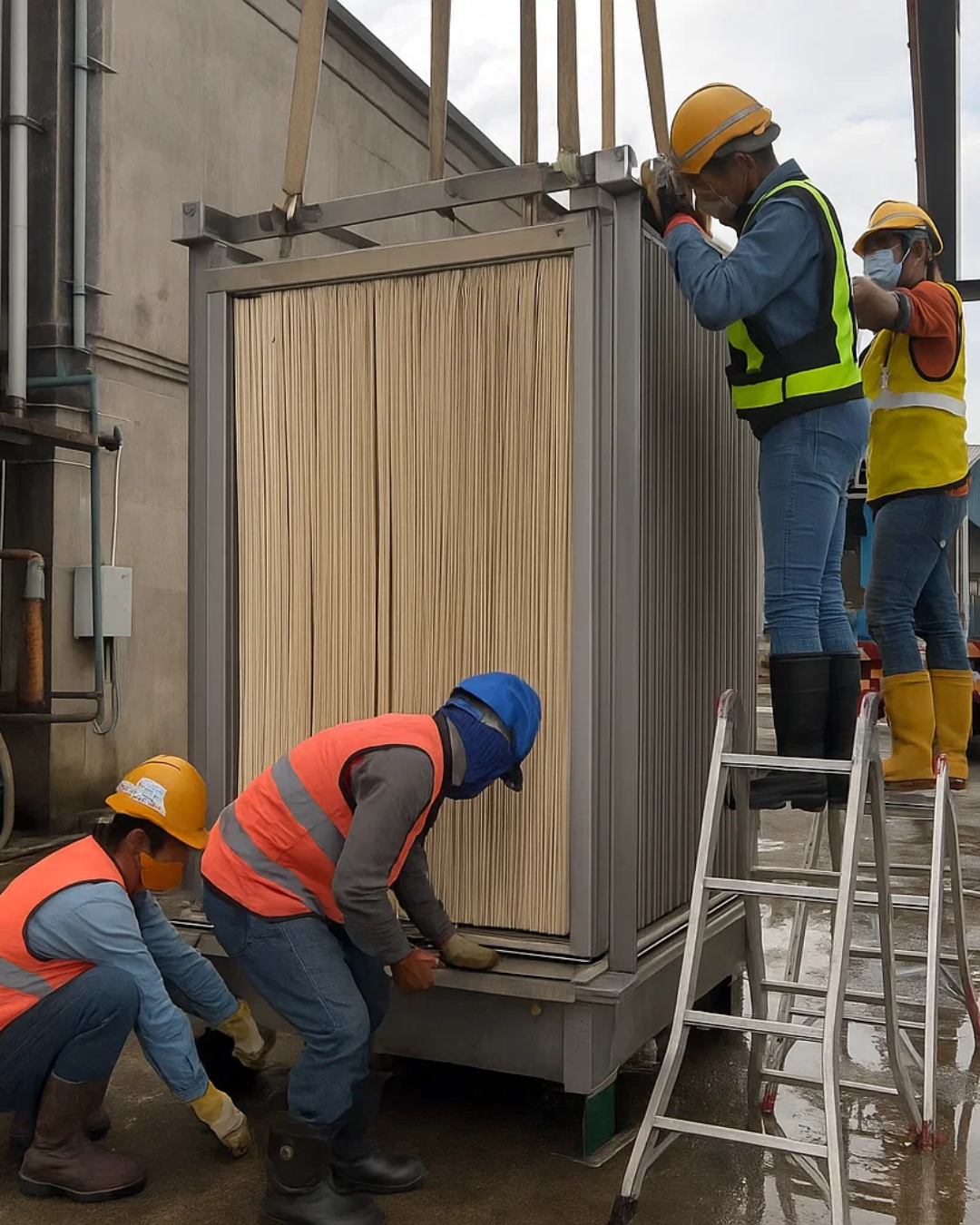
6. Membrane Bioreactor (MBR)
What Is MBR?
MBR combines biological treatment with membrane filtration.
Instead of relying on secondary clarifiers, membranes physically separate treated water from biomass.
Advantages
- Excellent effluent quality
- High MLSS operation
- Smaller footprint
- Water reuse capability
Typical MLSS Range
8,000 – 15,000 mg/L
Best For
- Water reuse projects
- Space-constrained facilities
- High-performance treatment requirements
Excellent
Good
Moderate
Moderate
Not Required
Small
Required
Higher
High
Effluent Quality
Water Reuse Potential
Membrane Maintenance
Capital Cost
Foorprint
Parameter
MBBR
MBR
Lower
Engineering Insight
While MBR offers superior effluent quality, it is not automatically the best solution. Facilities must evaluate energy consumption, membrane maintenance requirements, operational expertise, and reuse objectives before selecting MBR technology.

7. UASB and EGSB Anaerobic Systems

What Are UASB and EGSB Reactors?
Anaerobic treatment. Biogas generation. Energy recovery.
UASB (Upflow Anaerobic Sludge Blanket) and EGSB (Expanded Granular Sludge Bed) reactors treat high-strength wastewater without aeration.
Best For
- Food manufacturing
- Breweries
- Distilleries
- Palm oil industries
- High-COD wastewater
Advantages
- Low energy consumption
- Biogas production
- Lower sludge generation
- High-strength wastewater treatment
Typical Influent COD
Often exceeds:
- 5,000 mg/L
- 10,000 mg/L
- 20,000 mg/L
- 50,000 mg/L
Depending on application.
What We Like
Anaerobic treatment can significantly reduce aeration costs while creating opportunities for energy recovery through methane production.
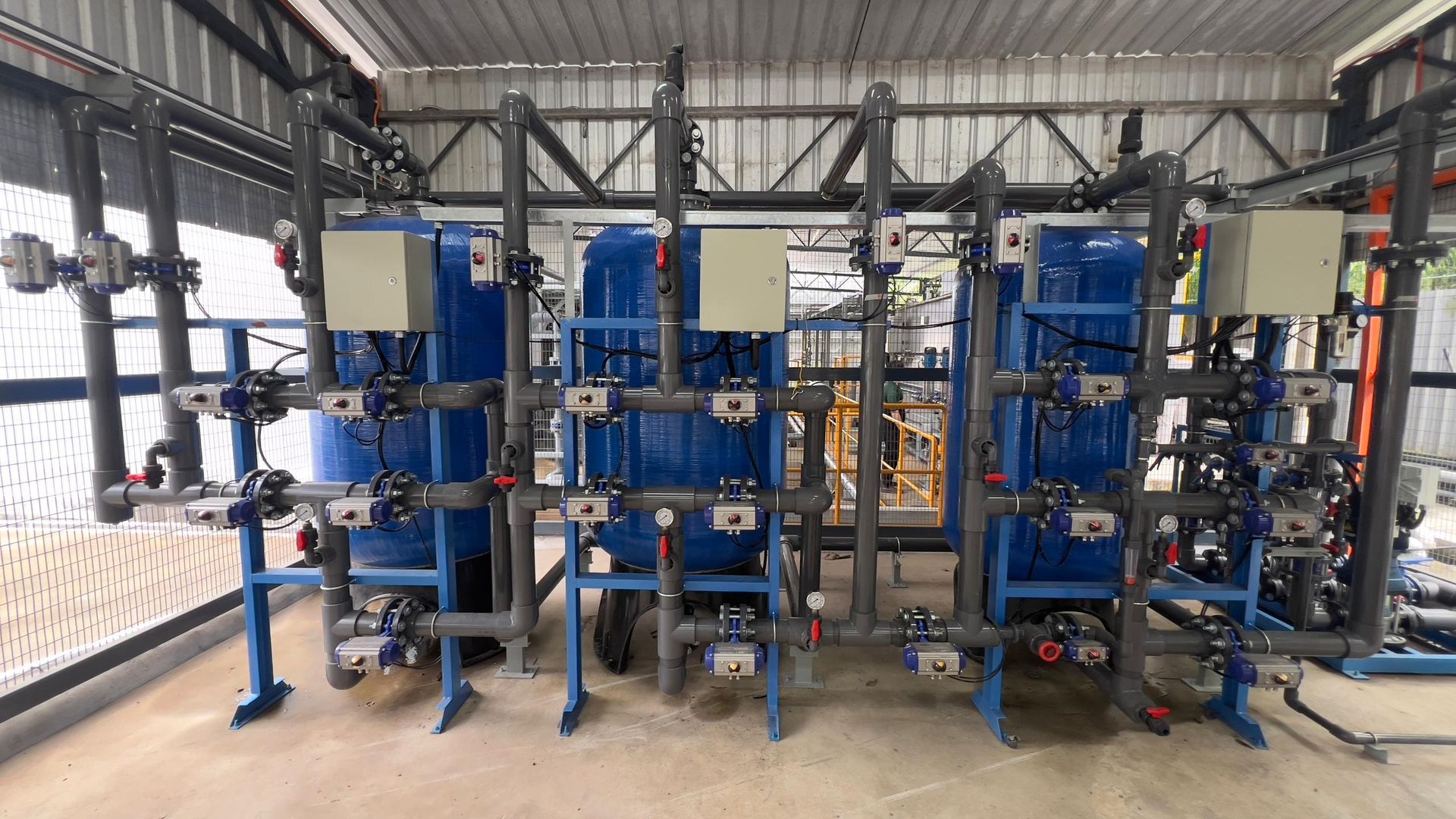
8. Tertiary Treatment Technologies
Why Is Tertiary Treatment Needed?
Polishing. Reuse. Compliance enhancement.
Tertiary systems improve effluent quality after biological treatment.

Technology
Function
Sand Filter
Activated Carbon Filter
Ultrafiltration(UF)
Reverse Osmosis(RO)
UV Disinfection
Ozonation
Fine solids removal
Colour and odour reduction
Suspended solids removal
High-purity water production
Pathogen control
Advanced oxidation
Best For
- Water reuse
- Boiler feed applications
- Cooling tower makeup
- Process water recovery
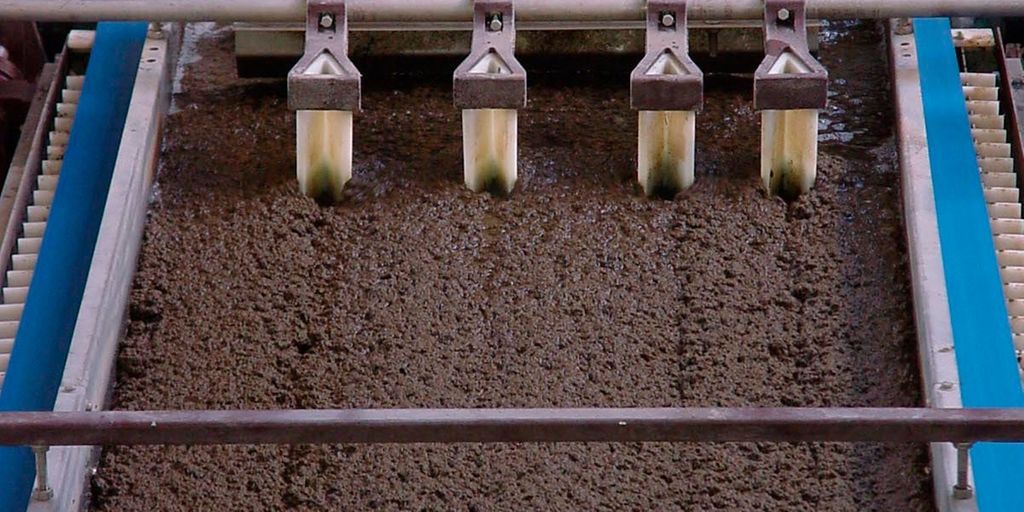
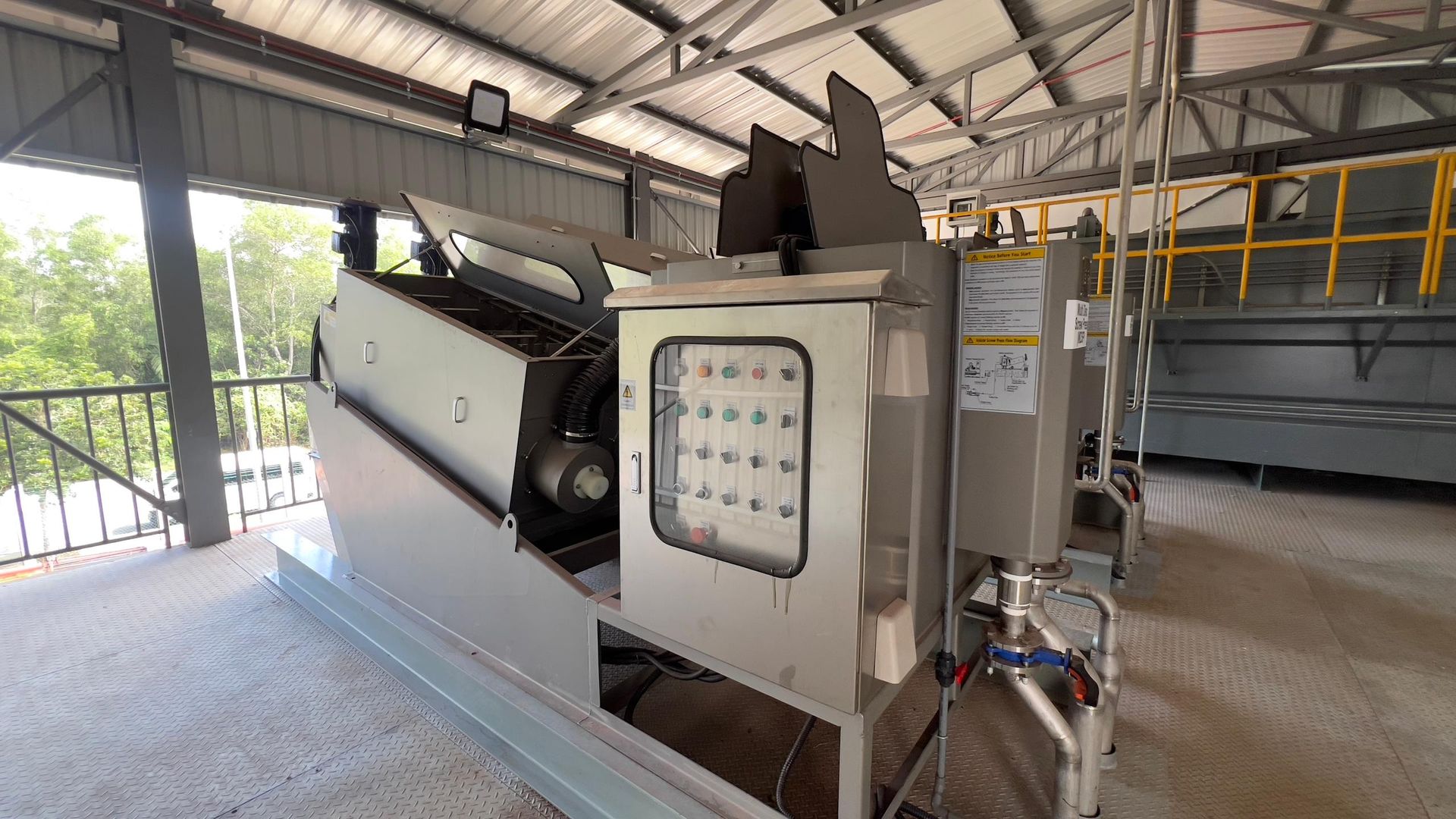
9. Sludge Dewatering and Sludge Drying
Why Is Sludge Management Important?
Cost reduction. Disposal optimisation. Sustainability.
Many facilities focus on wastewater treatment but overlook sludge handling costs.
Common sludge technologies include:
- Filter Press
- Screw Press
- Belt Press
- Centrifuge
- Low-Temperature Sludge Dryer
Benefits
- Reduced disposal volume
- Lower transportation costs
- Improved plant housekeeping
- Better overall treatment economics
Industry Observation
In many industrial facilities, sludge disposal represents one of the highest recurring operating costs. Improving sludge dryness often generates faster financial returns than upgrading the biological treatment process itself.

Choosing the Right Wastewater Treatment Technology
The best wastewater treatment technology depends on:
- Wastewater characteristics
- Flowrate
- Available footprint
- Discharge standards
- Water reuse goals
- Operating budget
- Future expansion plans
The strongest treatment plants rarely rely on a single technology. Instead, they combine complementary processes to achieve stable and cost-effective performance.
Final Thoughts

Industrial wastewater treatment technologies continue to evolve as industries seek higher treatment efficiency, lower operating costs, reduced environmental impact, and greater water reuse opportunities.
Understanding the strengths, limitations, and applications of technologies such as DAF, MBBR, MBR, Activated Sludge, UASB, EGSB, and advanced filtration systems allows facility owners to make informed investment decisions and achieve long-term treatment stability.
The most successful Industrial Effluent Treatment Systems are not necessarily the most complex. They are the systems that apply the right technologies in the right combination based on real operating conditions.
Looking for the Right Wastewater Treatment Technology?
Selecting the wrong technology can lead to years of operational challenges, excessive chemical consumption, high energy costs, and recurring compliance issues.
The technical team at Cheme Advance Services Sdn Bhd has more than 20 years of experience helping manufacturers across Malaysia evaluate, design, optimise, and upgrade industrial wastewater treatment systems.
Our expertise includes:
- Industrial Wastewater Treatment Systems (IETS)
- MBR and MBBR technologies
- Activated Sludge optimisation
- UASB and EGSB anaerobic systems
- DAF design and optimisation
- Sludge dewatering and sludge drying
- Water reuse and recycling solutions
- Wastewater plant audits and troubleshooting
Book a Wastewater System Audit
If your facility is experiencing treatment performance issues, planning a plant upgrade, evaluating new technologies, or seeking opportunities to reduce operating costs, contact Cheme Advance Services for a professional wastewater system audit.
A comprehensive technical assessment can identify bottlenecks, uncover optimisation opportunities, and provide a clear roadmap toward stable, cost-effective, and compliant wastewater treatment performance.