Meeting DOE Limits Is Not Enough: What True IETS Compliance Means

sales albeadvance • 26 May 2026

Share this article

Many industrial plants are able to meet the required discharge limits.


They pass inspection, submit reports on time, and keep their final discharge within the Department of Environment requirements. On paper, everything may look fine.


However, in industrial wastewater treatment, there is a difference between meeting the requirement and being truly compliant.


Meeting the requirement usually means the plant has passed the basic checklist. True compliance means the whole wastewater treatment system is stable, monitored, optimized, and ready for daily operation.


For an Industrial Effluent Treatment System, or IETS, compliance should not only happen during inspection. It should be part of everyday plant operation.


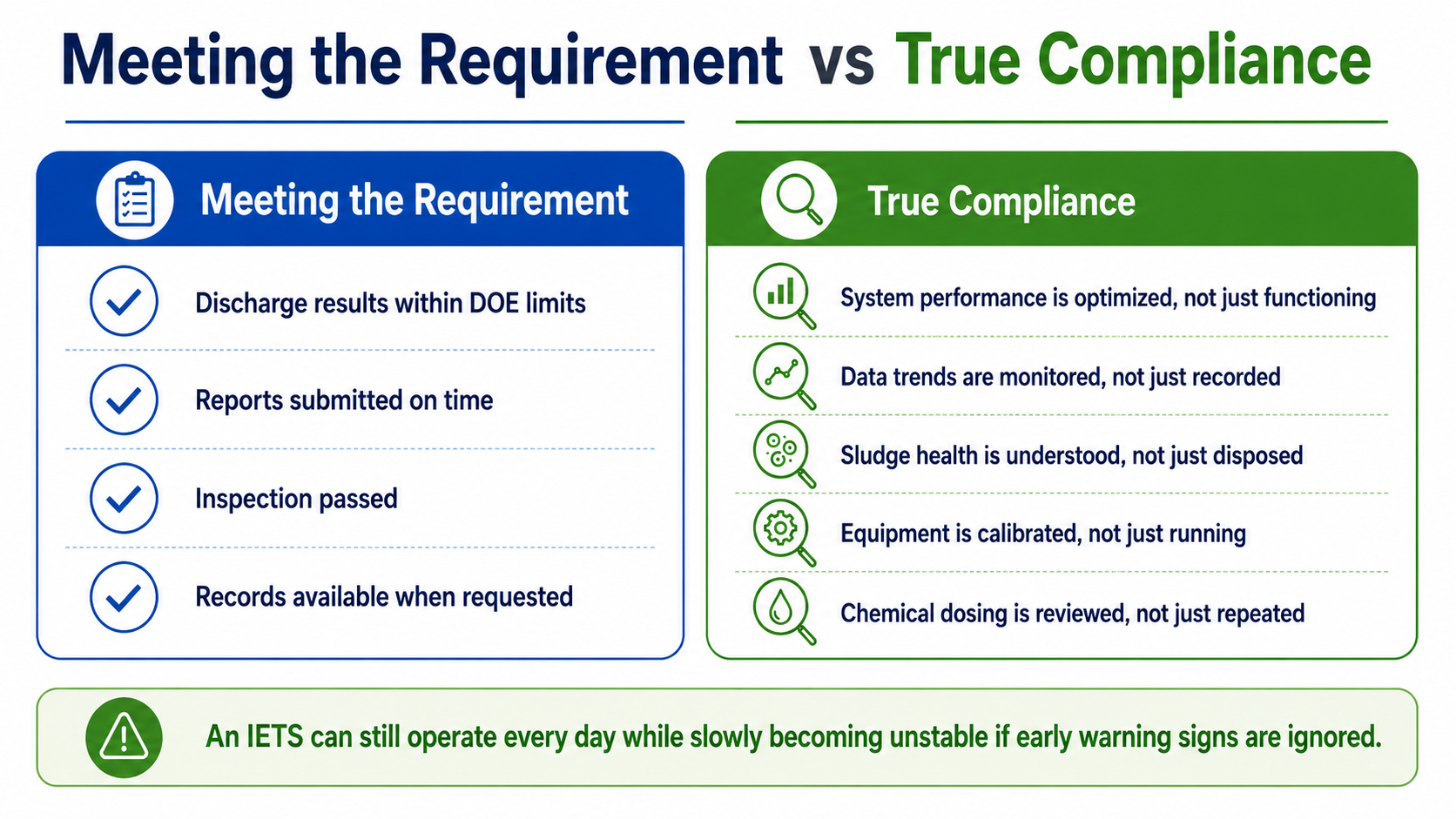
Meeting the Requirement vs True Compliance

In industrial wastewater treatment, meeting the requirement and being truly compliant are not always the same. Meeting the requirement usually shows that the plant has passed the basic checklist, while true compliance shows that the whole treatment process is properly understood, controlled, and maintained.

These are all important, but true compliance goes deeper than passing one inspection or meeting one discharge result. A running IETS is not always a stable IETS. Early warning signs must be monitored before they affect discharge quality.


Compliance Is a Daily Discipline

In industrial effluent treatment systems, compliance is not a once-a-year activity.


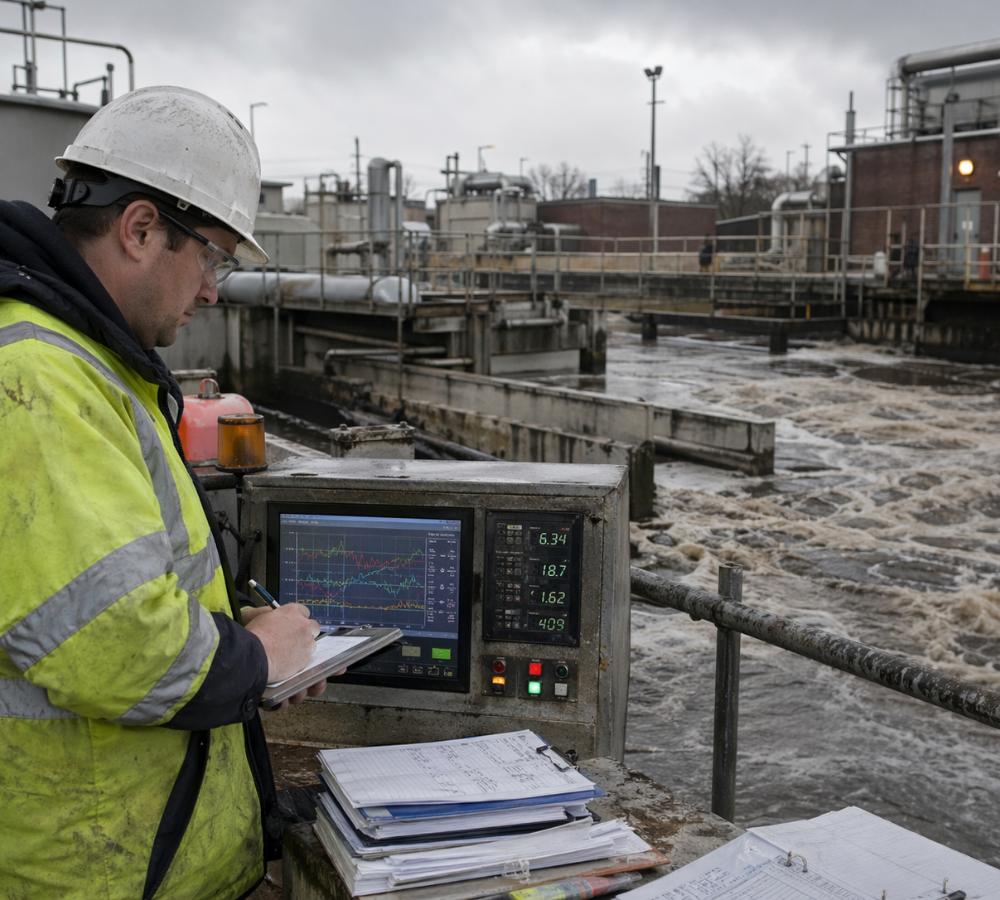
It requires daily monitoring, regular testing, proper maintenance, and clear operator responsibility. Wastewater conditions can change depending on production volume, cleaning activities, raw material usage, and process changes.


This is why plants should not only record readings such as pH, COD, BOD, TSS, MLSS, DO, SV30, or sludge condition. The team should also understand what the data is showing.


For example:


  • Is the COD trend increasing?
  • Is the sludge settling slower than usual?
  • Is chemical usage becoming higher?
  • Is the biomass becoming weak?
  • Is the equipment still giving accurate readings?


Data recording is important, but trend analysis is what helps operators detect early warning signs and respond in time.


Why Sludge Health and Chemical Optimization Matter

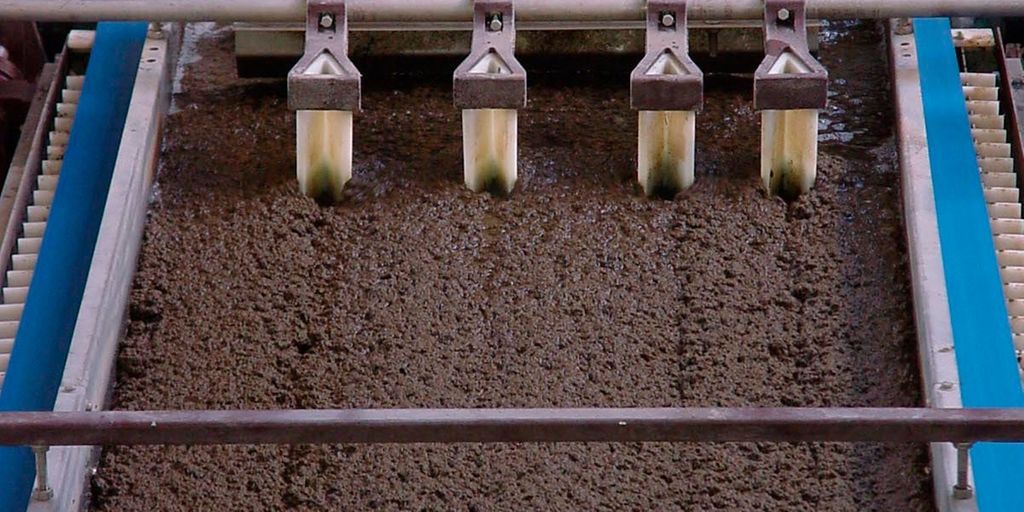
Sludge condition is one of the key indicators of IETS performance, especially in biological treatment systems.


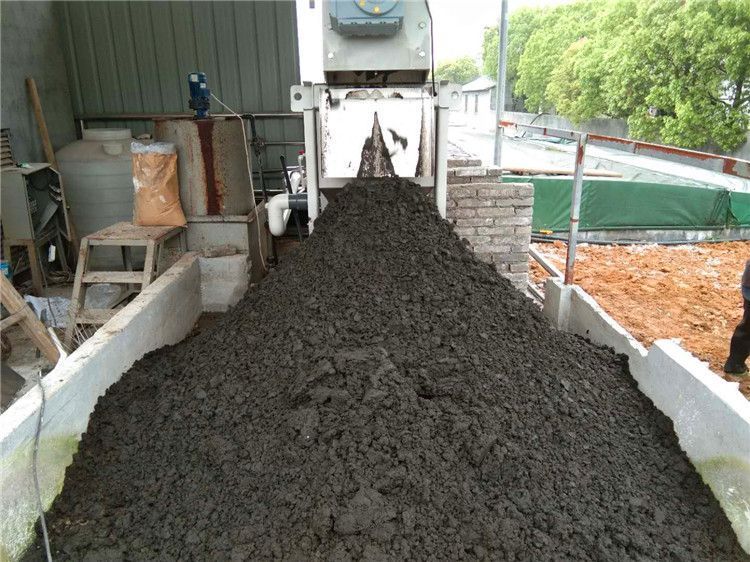
Sometimes, sludge is treated only as waste to be removed. In reality, sludge can tell a lot about the health of the treatment process.


Poor sludge condition may lead to poor settling, unstable biomass, higher suspended solids, odour issues, and inconsistent treatment performance. This is why sludge health should be monitored through practical checks such as sludge settling observation, MLSS review, sludge volume monitoring, and microscopic analysis where needed.


Chemical dosing is another important part of true compliance.

Some plants increase chemical dosing whenever the system becomes unstable. This may solve the issue temporarily, but it can also increase operating cost and create more sludge.


Chemical optimization means using the right chemical at the right dosage based on the actual wastewater condition. This helps improve treatment stability, reduce unnecessary chemical consumption, and support better sludge handling.


For industrial waste water treatment, there is no one fixed method that works for every plant. Different industries such as palm oil, food and beverage, semiconductor, pharmaceutical, and metal manufacturing may have different wastewater characteristics and treatment challenges.

Maintenance and the Cost of Reactive Compliance

From our experience in industrial wastewater treatment, many IETS problems do not happen suddenly. They often start from small issues that are not detected early, such as inaccurate readings, unstable dosing, weak aeration, or equipment that is slowly losing efficiency.


A wastewater treatment plant depends heavily on equipment performance. In an industrial effluent treatment system, pumps, blowers, mixers, dosing systems, sensors, meters, aeration systems, and control panels all affect daily operation. If these equipment are not maintained or calibrated properly, the treatment result can become unreliable.


For example, an uncalibrated pH meter may give readings that do not reflect the actual wastewater condition. A dosing pump that is not performing well may cause underdosing or overdosing. A blower issue may reduce dissolved oxygen levels and affect the biological treatment process.


Based on actual plant operation, preventive maintenance is usually more effective than waiting for a breakdown. Regular checking, calibration, and servicing help operators identify issues earlier before they affect treatment performance or final discharge quality.


Some plants only take action when there is a failed result, complaint, emergency, or inspection concern. This is reactive compliance, and it often leads to higher operating costs. When the system is not properly monitored or maintained, the plant may face higher chemical consumption, unstable biomass, more sludge disposal cost, more emergency troubleshooting, higher maintenance needs, and a higher risk of production interruption.


A stable IETS does not only support regulatory compliance. It also helps improve cost control, daily operation, and overall wastewater management. This is why true compliance should be built through daily monitoring and maintenance, not only last-minute action before inspection.

Building Confidence Before Inspection

At Cheme Advance Sdn. Bhd., our experience in wastewater treatment shows that long-term compliance depends on daily control, not last-minute preparation.


A good wastewater treatment company in Malaysia should not only look at the final discharge number. It should also look at the process behind the number.


The real questions are:


  • Is the system stable?
  • Is the sludge healthy?
  • Is chemical usage reasonable?
  • Is the equipment reliable?
  • Are operators able to detect early warning signs?
  • Are records being used for decision-making?


The question is not only whether the plant passed last month.

The real question is:


If DOE walked in tomorrow unannounced, would your plant be confident?

Recent Posts

Engineer monitoring an industrial wastewater treatment system at a treatment plant.
by sales albeadvance 21 May 2026
After a shutdown, a wastewater treatment system may take time to stabilise. Proper monitoring helps reduce hidden costs, performance issues, and compliance risks.
Wastewater sample collection for treatment analysis.
by sales albeadvance 20 May 2026
Choosing the right sludge dewatering system depends on sludge characteristics, plant operation, manpower, and downstream handling needs.
Group photo of Cheme Advance team with visitors at ASIAWATER 2026
by sales albeadvance 19 May 2026
Cheme Advance joined ASIAWATER 2026 to connect with industry partners and share practical wastewater treatment solutions for compliance, optimisation, and long-term plant performance.
Group photo at the Cheme Advance booth during the DOE Johor Seminar
by sales albeadvance 18 May 2026
Cheme Advance attended the DOE Johor Seminar on 12–13 May 2026, focusing on the Environmental Quality Act and industry environmental compliance.
Group photo of the Cheme Advance team at IE Expo Shanghai 2026
by sales albeadvance 15 May 2026
Cheme Advance’s visit to IE Expo Shanghai 2026 was a valuable learning experience on environmental solutions and wastewater treatment trends.
Sludge dryer
by sales albeadvance 14 May 2026
Sludge drying helps reduce sludge weight, disposal cost, storage needs, and risks, supporting compliance and long-term cost control for plants in Malaysia.
Industrial wastewater flowing into a wastewater treatment plant tank
by sales albeadvance 13 May 2026
Learn how sludge volume affects wastewater treatment cost, process stability, disposal fees, and long-term plant performance.
Cheme Advance at Environmental Management & Compliance 2025 in Kedah
by sales albeadvance 12 May 2026
Cheme Advance joined Environmental Management & Compliance 2025 in Kedah to share practical insights on wastewater treatment and environmental compliance.
by sales albeadvance 6 May 2026
Discover the hidden costs in Industrial wastewater treatment systems. Learn how to reduce chemical, energy, and sludge costs while improving plant efficiency
by sales albeadvance 5 May 2026
A behind-the-scenes look at our training session with DOE Kulim, sharing real-world industrial wastewater challenges, technologies, and the role of enforcement in protecting water resources.
Show More