
2026 Industrial Water Management: From DOE Compliance to Water Reuse and Circularity

sales albeadvance • 11 June 2026

Share this article

2026 Industrial Water Management: From DOE Compliance to Water Reuse and Circularity

For many years, industrial water treatment was mainly seen as a compliance requirement. The main question was simple: Can the factory meet DOE discharge limits?


While compliance is still important, industrial water management in 2026 is moving beyond that basic question. More organisations are now asking whether their water treatment system is stable, optimised, resilient, and ready to support future operational needs.


This shift is important because wastewater treatment is no longer only about passing limits at one point in time. A proper industrial wastewater treatment system should also support daily operation, reduce risk, improve consistency, and help the business manage resources more responsibly.


From Compliance to Long-Term Stability

Meeting DOE limits is an important part of wastewater management. However, compliance alone does not always mean the system is performing well in the long term.


In real plant conditions, wastewater characteristics can change due to production activity, cleaning schedules, chemical usage, raw materials, and operating hours. If the effluent treatment system is not designed or managed properly, these changes may affect treatment stability.


This is why industries should look beyond short-term compliance. A stable wastewater treatment system should be able to handle variation, support consistent effluent quality, and reduce the need for repeated emergency adjustments.


Instead of only asking, “Are we compliant today?”, companies should also ask, “Can our system remain stable when operating conditions change?”

From Treatment to Water Reuse

Traditionally, many wastewater treatment systems were designed mainly to treat wastewater before discharge. Once the wastewater was treated, it was released from the site according to regulatory requirements.


Today, the conversation is becoming wider.


Industrial wastewater recycling is becoming more important as businesses look for ways to reduce water dependency, improve resource efficiency, and support sustainability goals. However, this does not mean every treated wastewater stream can be reused directly. The reuse potential depends on the wastewater source, treatment process, required water quality, and intended reuse application.


For example, some facilities may consider treated water reuse for cleaning, cooling, process support, or other non-potable applications, depending on the system design and quality requirements.

This is why water reuse should not be added only after the system is completed. It should be considered during the design stage so that the wastewater treatment system can support both compliance and practical reuse opportunities.

From Reactive Action to Operational Resilience

A reactive approach usually means action is taken only after a problem appears. In wastewater treatment, this can lead to unstable performance, higher chemical usage, equipment stress, sludge handling issues, or compliance risk. A more resilient approach focuses on prevention, monitoring, and proper operation.


For industrial effluent treatment systems, resilience may include better process control, suitable equipment selection, clear maintenance planning, operator guidance, and regular review of treatment performance.


When the system is easier to manage, the operation team can respond more confidently when site conditions change. This helps reduce downtime, improve consistency, and support long-term wastewater management.

Water as a Strategic Asset

In 2026, water should not be treated only as an environmental checkbox. For many industries, water has a direct impact on cost, production continuity, operational stability, and sustainability performance.


A well-planned wastewater treatment system can help a company manage environmental responsibility while also supporting business operation. This is especially important for industries with high water usage, strict discharge requirements, or production processes that generate complex wastewater.


The transition from compliance to optimisation and reuse is not about making the system more complicated. It is about designing smarter and more practical systems that are suitable for real site conditions.


A reliable wastewater treatment company in Malaysia should understand that every site is different. Wastewater from food processing, manufacturing, chemical-related processes, plastic recycling, or other industries may require different treatment approaches.


For Cheme Advance, this direction reflects the need for practical, reliable, and future-ready wastewater management solutions. As industries continue to face higher expectations in compliance, sustainability, and operational efficiency, smarter water system design will become an important part of business resilience.


Industrial water treatment is no longer only a back-of-house responsibility. It is becoming a leadership conversation that connects compliance, cost, continuity, and sustainability.

Recent Posts

Foaming aeration tank in an industrial wastewater treatment plant for biological treatment process
by sales albeadvance 10 June 2026
A food and beverage wastewater treatment case study on blower failure, aeration interruption, repair action, and standby planning for stable performance.
Wastewater Treatment
by sales albeadvance 9 June 2026
How industrial wastewater recycling can turn wastewater treatment from a compliance cost into a long-term water asset for businesses in Malaysia.
by sales albeadvance 3 June 2026
Learn why a stable effluent treatment system is more important than achieving one-time DOE compliance. Discover how operational stability, sludge management, and influent control improve long-term wastewater performance.
by sales albeadvance 29 May 2026
What Clients Really Need from Their IETS Partner After Project Handover
Cheme Advance team photo with DOE seminar participants in Melaka and Selangor
by sales albeadvance 28 May 2026
Cheme Advance joined DOE seminars in Melaka and Selangor to support IETS optimisation, environmental compliance and sustainable wastewater management.
Operator checking wastewater treatment system performance and IETS compliance
by sales albeadvance 26 May 2026
True IETS compliance goes beyond DOE limits. Learn how monitoring, sludge health, chemical dosing, and maintenance support wastewater treatment.
Engineer monitoring an industrial wastewater treatment system at a treatment plant.
by sales albeadvance 21 May 2026
After a shutdown, a wastewater treatment system may take time to stabilise. Proper monitoring helps reduce hidden costs, performance issues, and compliance risks.
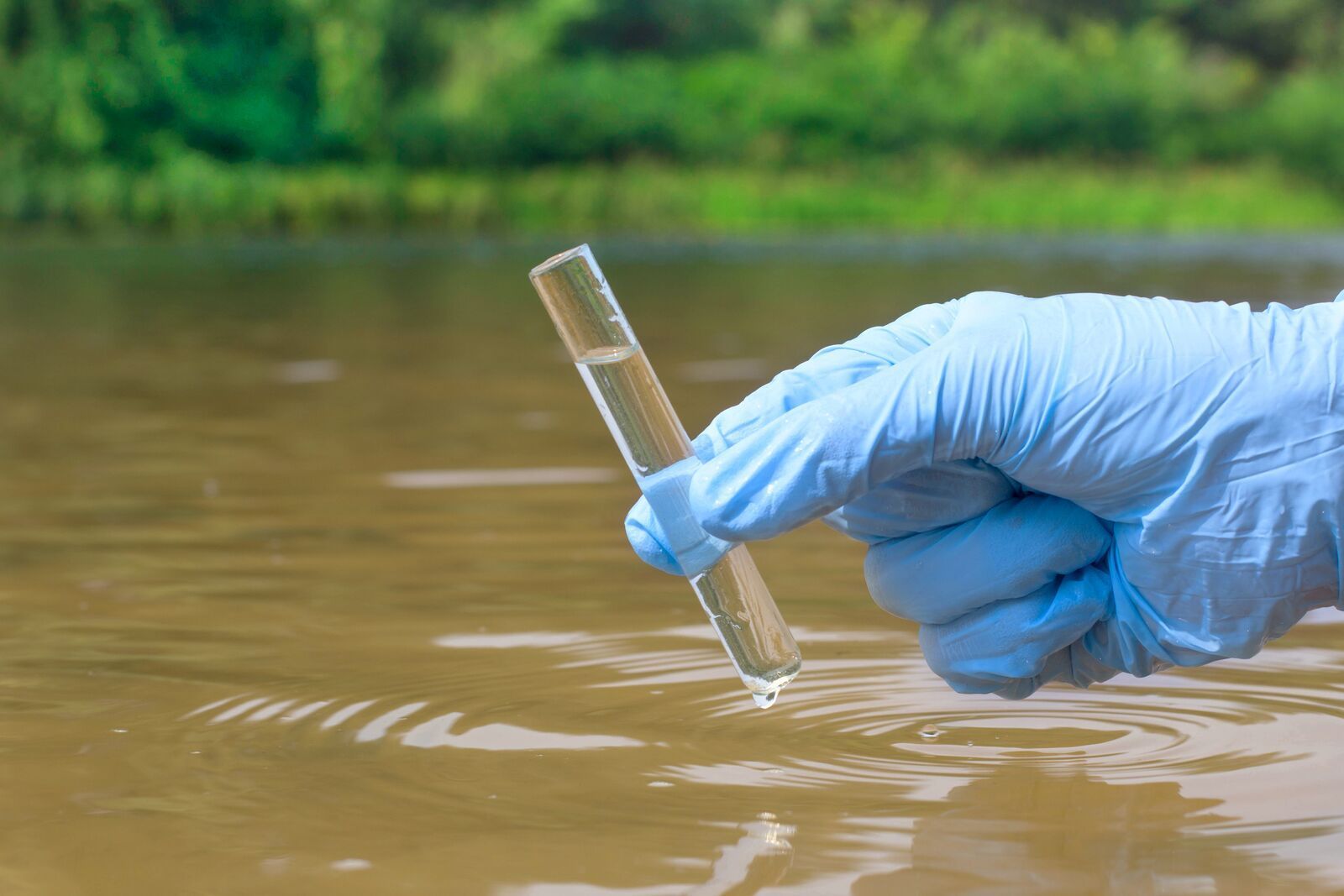
Wastewater sample collection for treatment analysis.
by sales albeadvance 20 May 2026
Choosing the right sludge dewatering system depends on sludge characteristics, plant operation, manpower, and downstream handling needs.
Group photo of Cheme Advance team with visitors at ASIAWATER 2026
by sales albeadvance 19 May 2026
Cheme Advance joined ASIAWATER 2026 to connect with industry partners and share practical wastewater treatment solutions for compliance, optimisation, and long-term plant performance.
Group photo at the Cheme Advance booth during the DOE Johor Seminar
by sales albeadvance 18 May 2026
Cheme Advance attended the DOE Johor Seminar on 12–13 May 2026, focusing on the Environmental Quality Act and industry environmental compliance.
Show More