

When Blower Failure Affects Treatment: A Food & Beverage Wastewater Treatment Case Study
Background
In a wastewater treatment plant, the stability of the overall treatment process depends on the reliable performance of each critical component.
For the food and beverage industry, wastewater commonly contains organic matter, cleaning residues, suspended solids, and other process-related contaminants. As a result, the biological treatment stage requires proper operation and maintenance to support consistent effluent quality and stable treatment performance.
The aeration tank is a key component in the biological treatment process. It requires a continuous and stable air supply to provide sufficient oxygen for microorganisms. These microorganisms play an important role in breaking down organic pollutants in the wastewater. When the air supply is stable, the biological treatment process can operate more effectively and consistently.

If the air supply is interrupted, the treatment process may become
unstable, which can
affect overall system performance. Therefore, wastewater treatment plant contractors should not only focus on system installation, but also consider maintenance planning, standby equipment, and long-term operational reliability.
Case Study Overview (F&B)


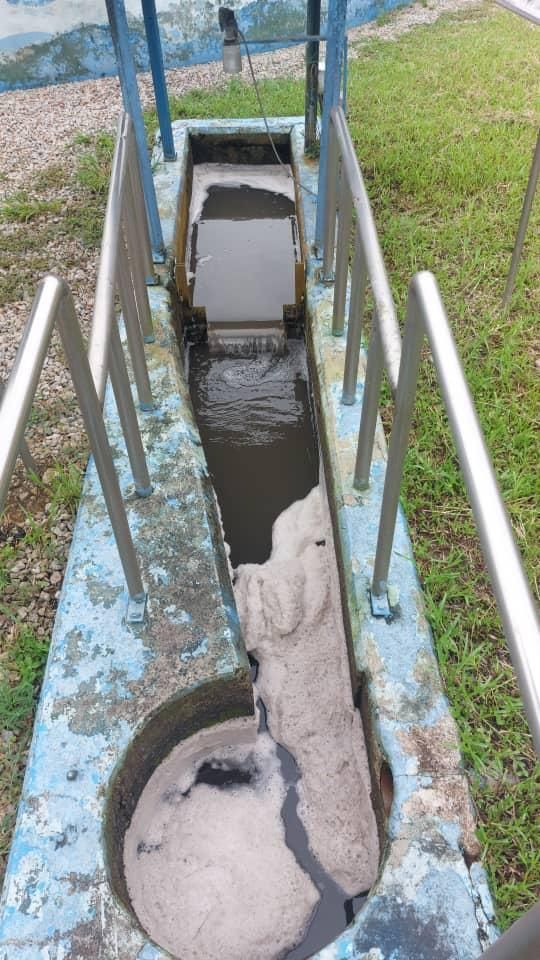
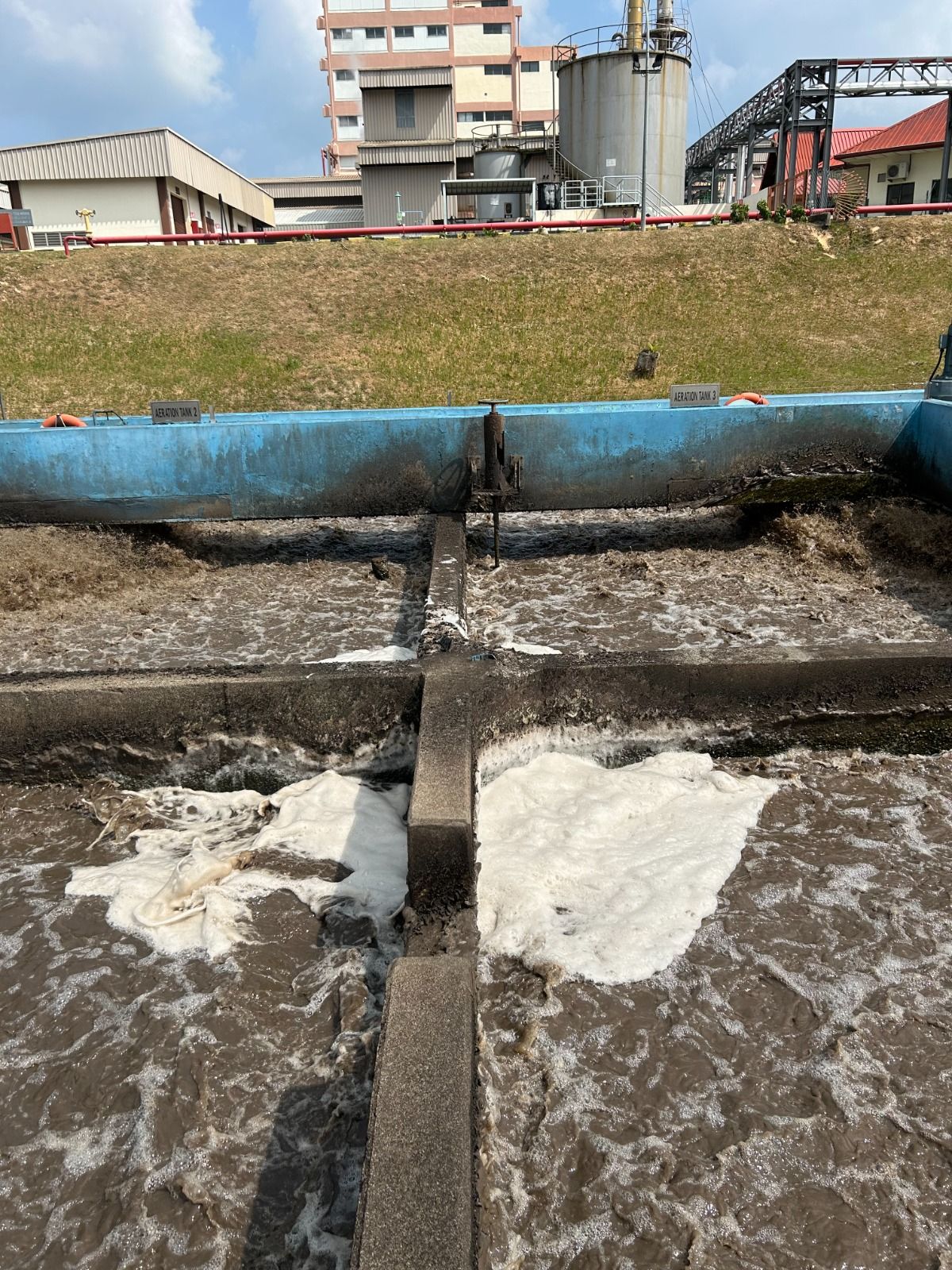
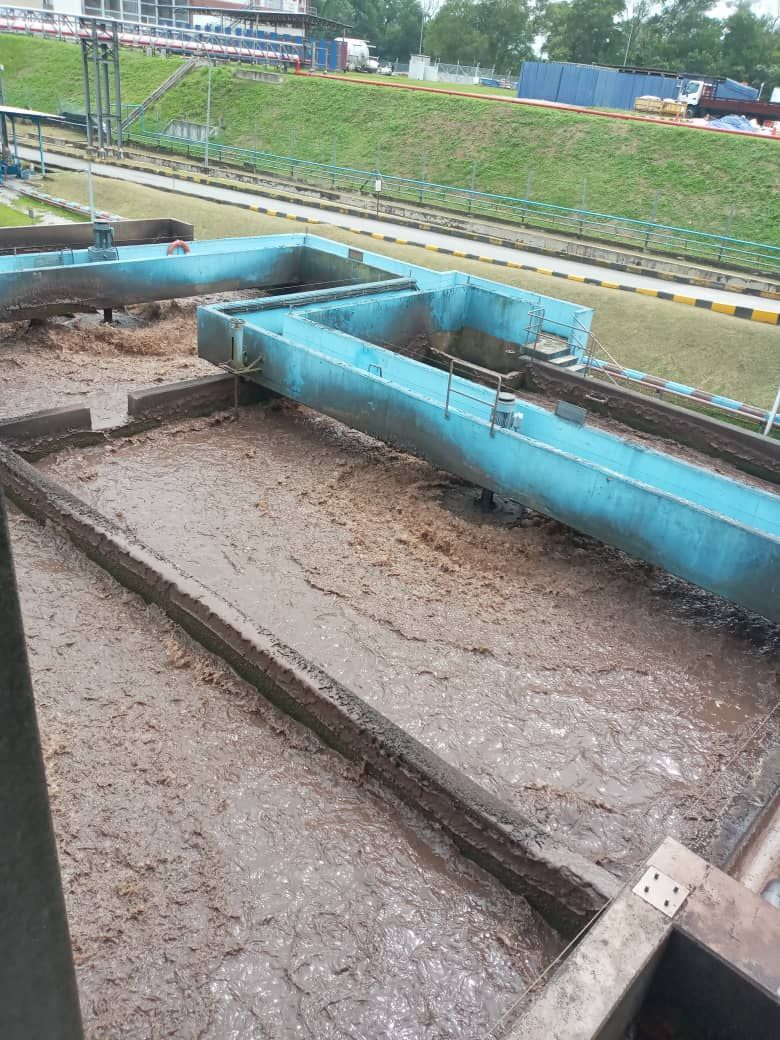
This case study focuses on a food and beverage industrial wastewater treatment system, where the aeration tank was found to have no air supply.
The issue was related to the blower supplying air to the aeration tank. Since the blower plays an important role in supporting the aeration process, the interruption affected the stability of the treatment system and required immediate attention.
Challenge

The main observation was that there was no air supply into the aeration tank. This is a serious issue because the aeration tank depends on oxygen to support the biological treatment process.
Without sufficient oxygen, the microorganisms inside the aeration tank may not be able to work effectively. This can affect the breakdown of organic pollutants and may lead to unstable treatment performance. In some cases, poor aeration can also contribute to odour issues, poor sludge condition, and reduced treatment efficiency.
After checking the system, the root cause was identified: the blower supplying air to the aeration tank was broken.
The blower is one of the key mechanical components in an effluent treatment system. Its function is to supply air into the aeration tank through the air distribution system. When the blower fails, the aeration process can be interrupted, and the overall wastewater treatment plant performance may be affected.
For food and beverage wastewater treatment, this type of interruption should be handled quickly because wastewater characteristics can change depending on production activity, cleaning process, and daily flow. If the treatment process is not stable, the effluent quality may also become inconsistent.

Solution
The immediate action taken was to send the broken blower to the supplier for repair. Since there was no spare blower unit available on standby, the air supply to the aeration tank could not be restored immediately. As a result, the aeration process was interrupted while waiting for the blower to be repaired.
During the repair period, the treatment process had to be monitored closely to minimize any possible impact on effluent quality. This is important because even a short interruption in aeration can affect the biological treatment process.
However, repair alone should not be treated as a complete long-term solution. A more practical preventive approach is to prepare one spare blower unit on standby. This allows the operation team to switch to a backup unit more quickly if the main blower fails again in the future. For wastewater treatment plant contractors, this is an important design and operation consideration. A treatment system should not only be designed to work under normal conditions. It should also be prepared for practical site conditions, including equipment breakdown, maintenance needs, and operation interruption.
A standby blower can help reduce downtime, prevent long interruptions to the aeration process, and support smoother operation of the effluent treatment system.
Results
Following the action taken, the broken blower was sent to the supplier for repair to restore the air supply system for the aeration tank. During the repair period, the treatment process continued to require close monitoring to minimize any possible impact on effluent quality.
This case shows that stable wastewater treatment does not depend only on the repair of faulty equipment. It also depends on how well the system is prepared for unexpected interruptions.
With a standby spare blower unit, future aeration interruption can be reduced. The operation team can respond faster, downtime can be minimized, and the wastewater treatment plant can operate more consistently.
For
industrial wastewater treatment, this is especially important because treatment performance must
remain stable even when equipment issues occur. When critical equipment such as blowers are supported with standby units, the system becomes more reliable and easier to manage in daily operation.
Conclusion
This food and beverage case study shows how a broken blower can interrupt the air supply to the aeration tank and affect the biological treatment process. Since there was no spare blower available at the time, the air supply could not be restored immediately, and the system needed to be monitored closely during the repair period.
The immediate action was to send the blower for repair. However, the key improvement is to prepare one spare blower unit on standby to reduce future interruptions.
In industrial wastewater treatment, stable performance does not happen by chance. It comes from proper system design, equipment planning, operation monitoring, and preventive maintenance. For any effluent treatment system, especially in the food and beverage industry, standby equipment plays an important role in reducing downtime and maintaining consistent treatment performance.
Stable wastewater treatment starts with reliable equipment planning.