
What Many Plants Misunderstand About MBR Wastewater Treatment Systems

sales albeadvance • 17 June 2026

Share this article

What Many Plants Misunderstand About MBR Systems

When selecting a wastewater treatment system, many industrial plants focus mainly on technology. One common assumption is that a more advanced system will automatically solve treatment problems, reduce maintenance, and deliver better results with less effort.


However, in real wastewater treatment operations, technology alone is not enough.

For industries handling variable wastewater characteristics, such as food and beverage, manufacturing, recycling, or chemical-related processes, the performance of a treatment system depends on more than the equipment itself. It also depends on influent stability, pretreatment quality, operator capability, maintenance discipline, and long-term operation planning.


This is especially important when comparing a conventional wastewater treatment system with a membrane bioreactor MBR system.


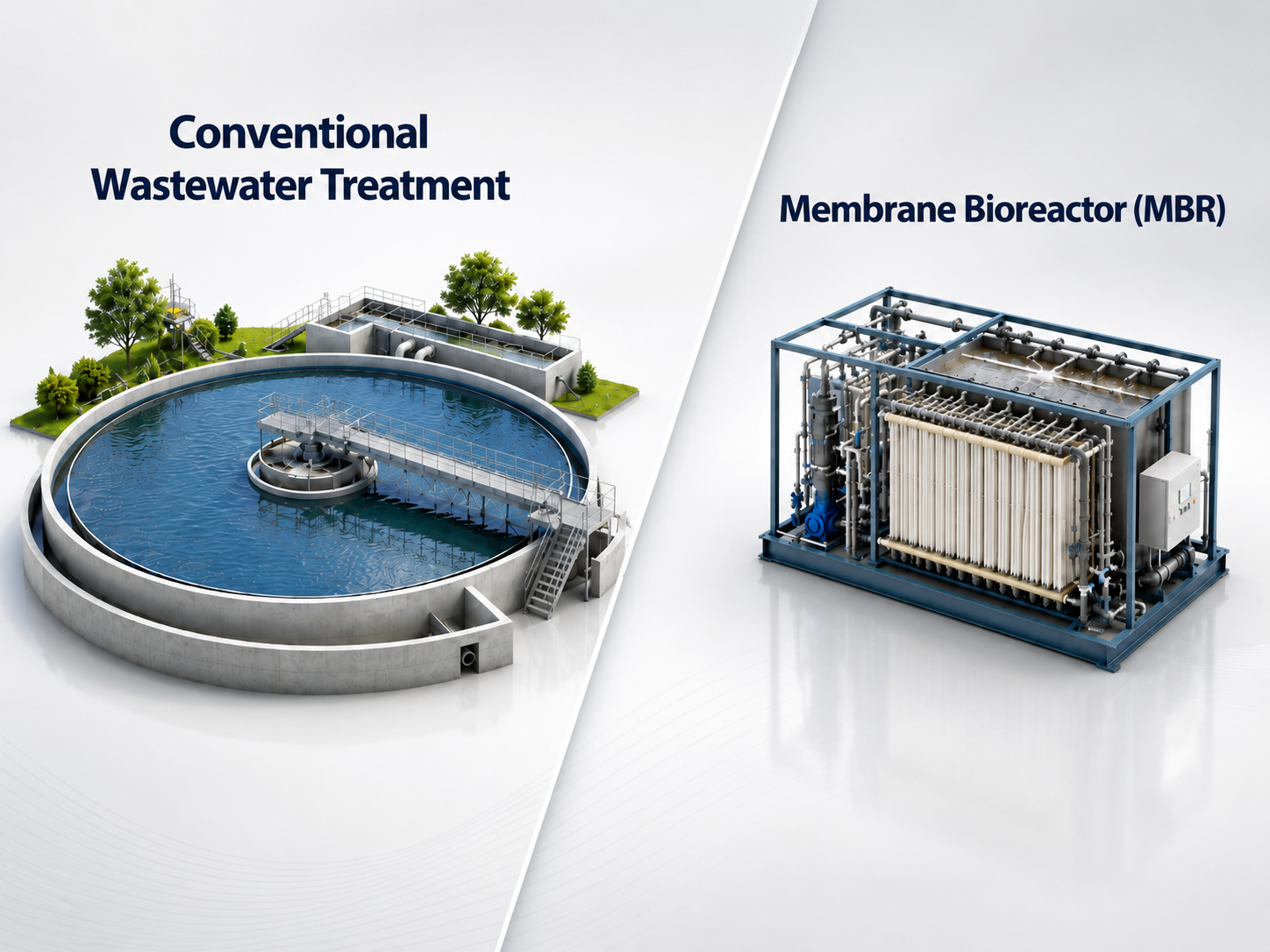
Conventional Wastewater Treatment

Membrane Bioreactor MBR

A conventional wastewater treatment system is generally simpler to operate and often more familiar to plant operation teams. It usually requires a larger footprint because the biological treatment and clarification process need more tank space. While it may be suitable for many industrial wastewater treatment applications, it may have lower treatment precision compared to MBR, especially when higher effluent quality is required.


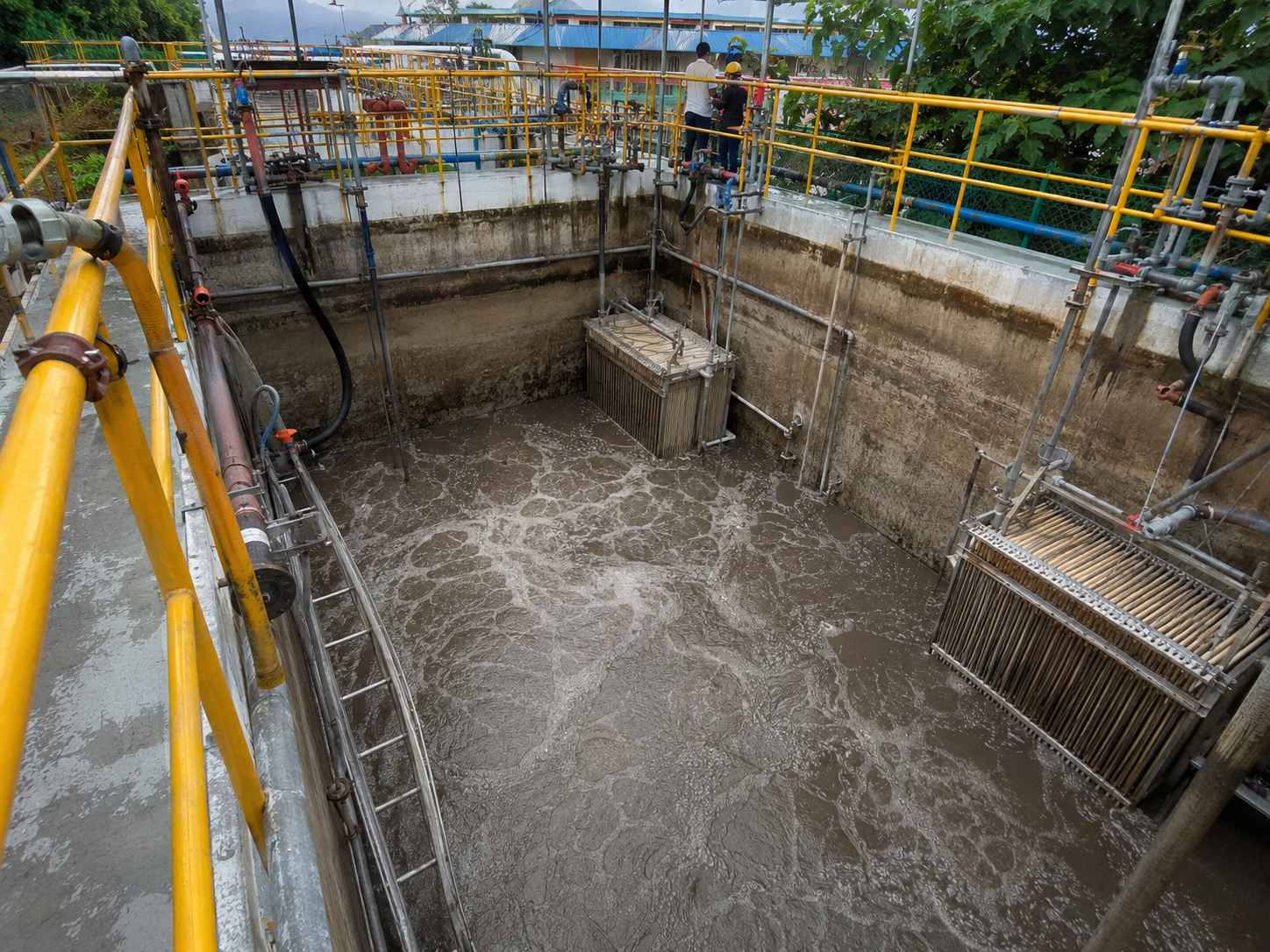
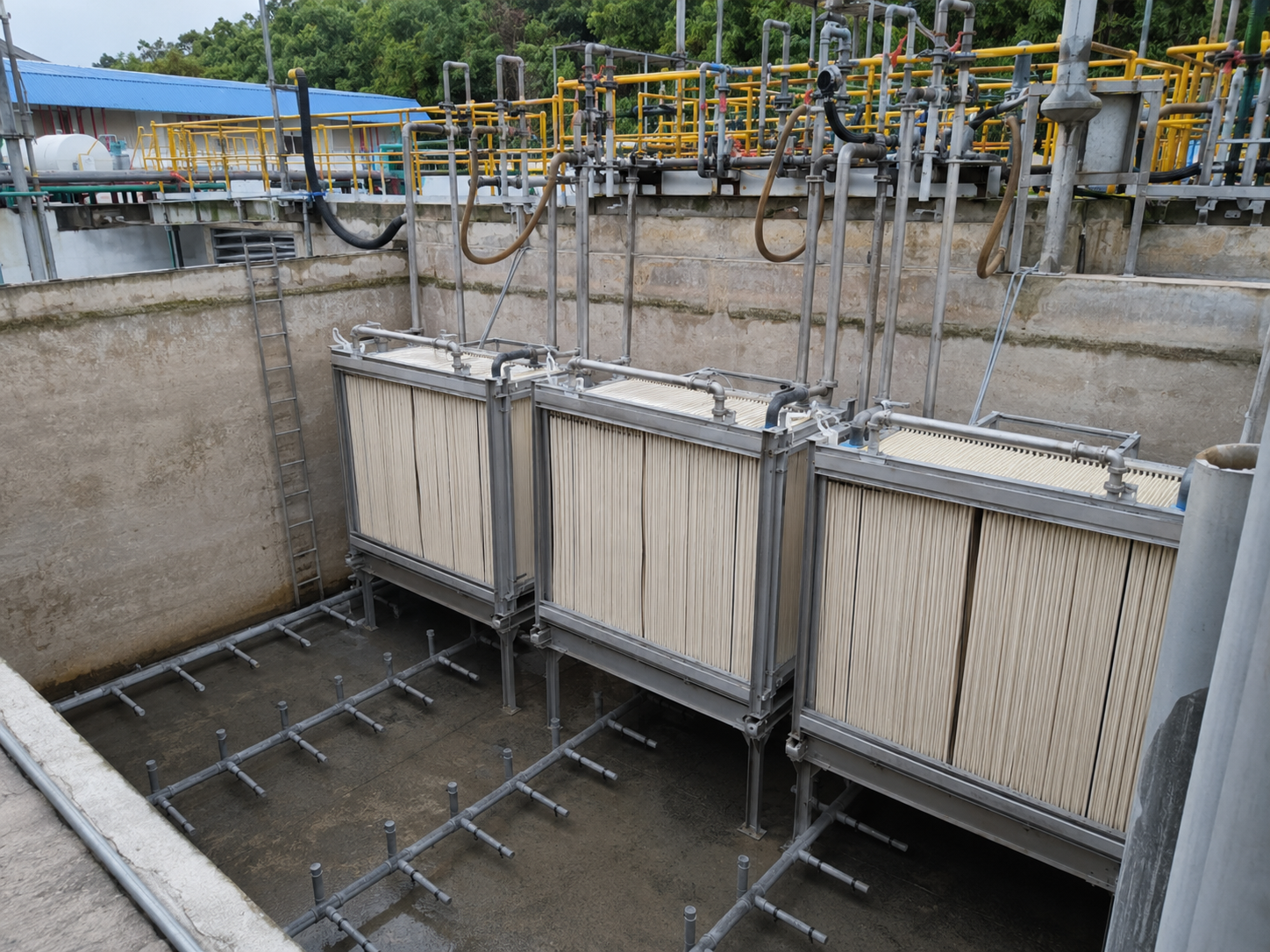
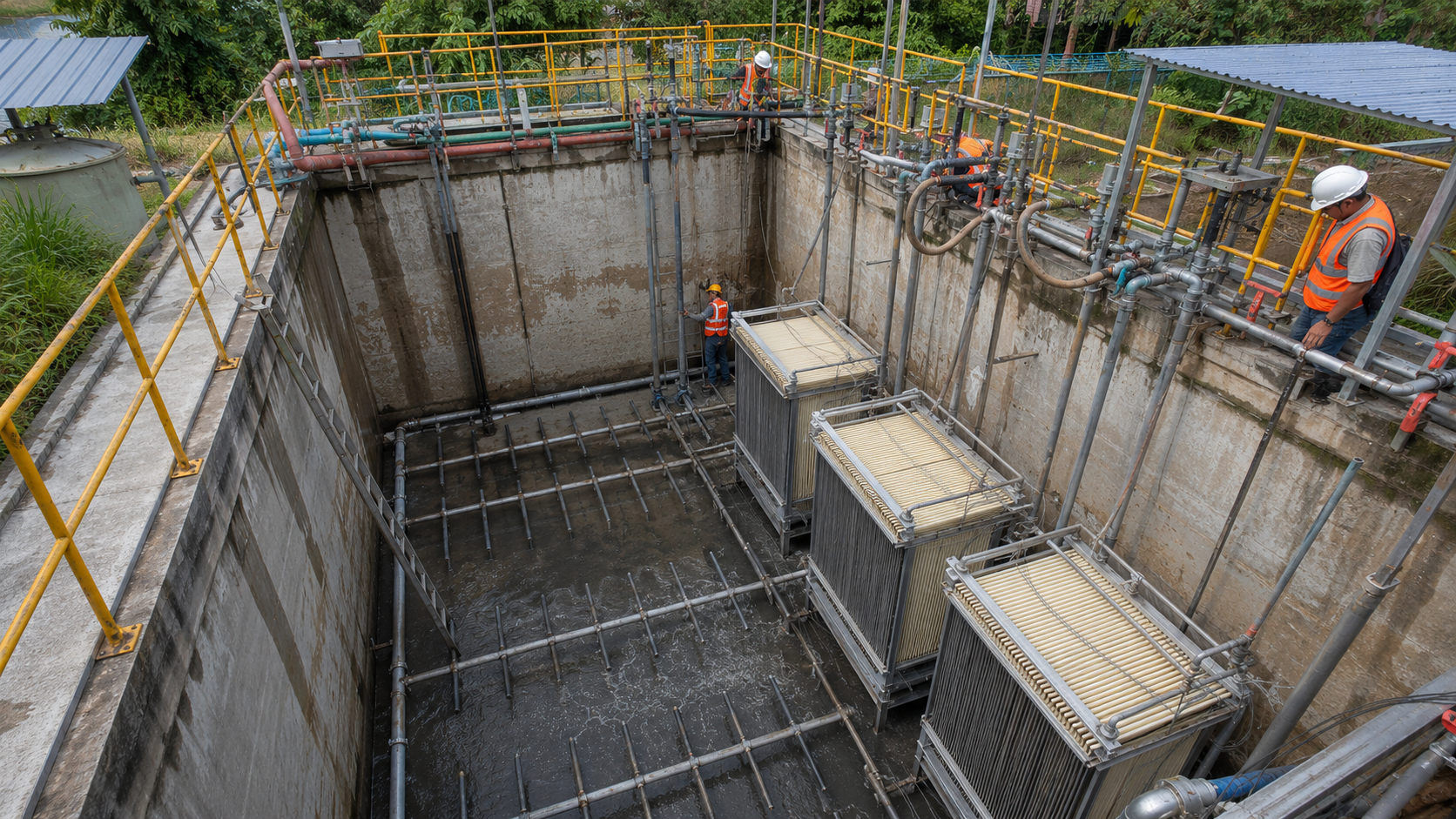
A membrane bioreactor MBR system combines biological treatment with membrane filtration. This allows the system to produce better effluent quality within a more compact design. For plants with limited space or water reuse goals, MBR can be a strong option.

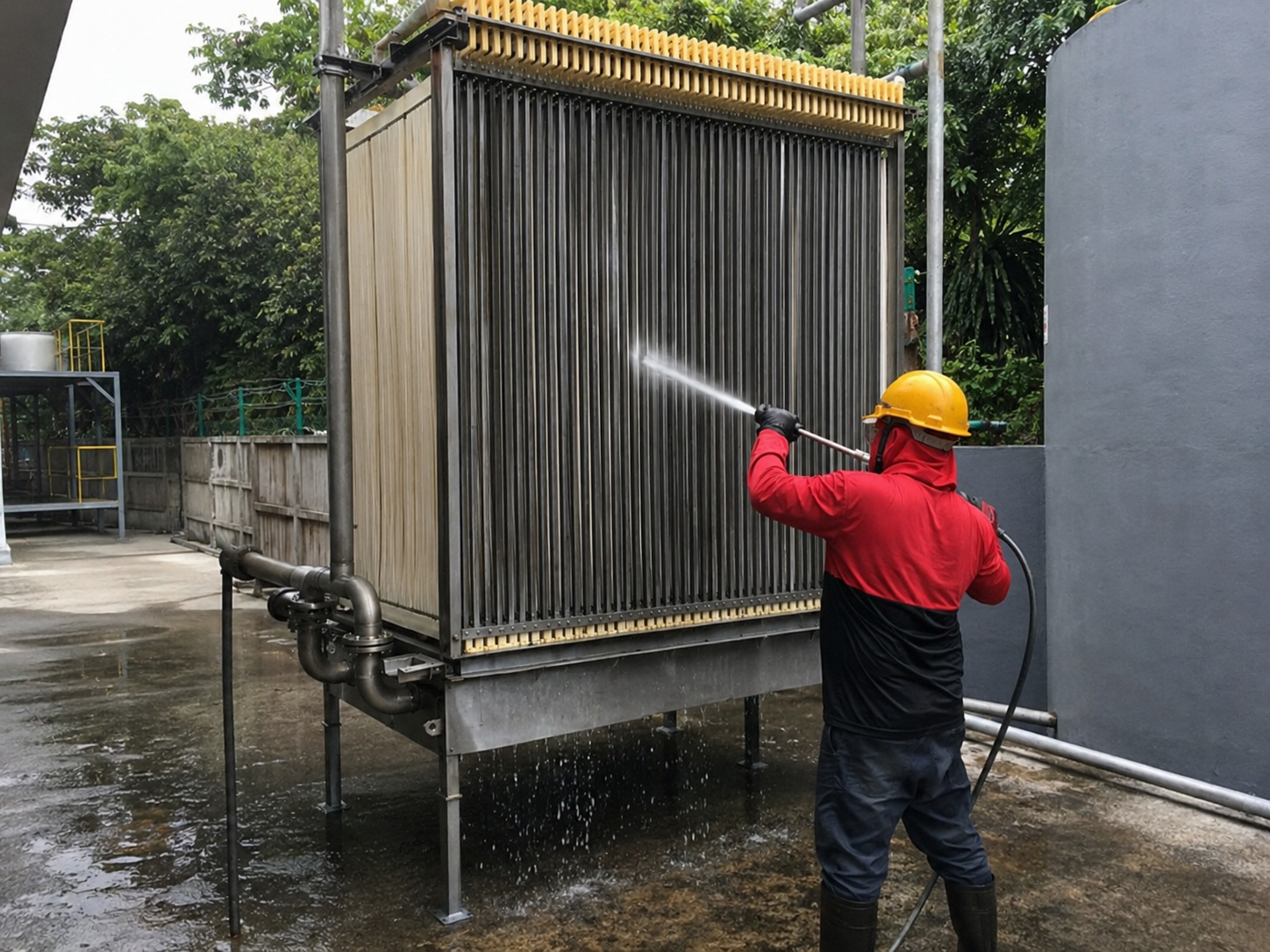
However, MBR also requires higher operational discipline. The membrane system must be properly monitored, cleaned, and protected from poor pretreatment conditions. Without good operation and maintenance practices, MBR may face issues such as membrane fouling, reduced performance, and higher maintenance demand.


Conceptions About MBR Systems

One misunderstanding is that MBR can automatically solve all treatment problems. In reality, if the incoming wastewater is unstable or contains high oil, grease, solids, or unsuitable chemical loads, the system may still struggle.

Another misconception is that higher technology means lower maintenance. MBR is more advanced, but it does not mean the plant can reduce operator attention. In fact, membrane systems often require more consistent monitoring and cleaning discipline compared to simpler conventional systems.


Some plants may also assume that every wastewater treatment system should be upgraded to MBR. This is not always true. The best system should match the wastewater characteristics, land availability, discharge or reuse requirement, operator capability, and budget.

Where MBR Excels

MBR performs well when the plant requires higher effluent quality. Because membrane filtration can separate solids more effectively, the treated water quality is usually more stable compared to many conventional treatment systems.


MBR also has a compact footprint. This means it requires less space, which is useful for industrial plants with limited land area or facilities that cannot easily expand their treatment plant.


Another advantage is its suitability for reuse-focused systems. If a plant is planning for water reuse or needs better treated water quality for further polishing, MBR can be part of a practical long-term solution.

Where MBR Struggles

Although MBR has strong advantages, it also has limitations. Membrane fouling is one of the main concerns. Fouling happens when solids, organic matter, oil, or other substances build up on the membrane surface and reduce filtration efficiency.

MBR also requires strong operation and cleaning discipline. If cleaning is delayed or operating conditions are not controlled properly, the system performance may decline.


Poor pretreatment can also cause performance issues. For example, if large solids, oil and grease, or shock loading enter the MBR system, the membrane may be affected. This is why pretreatment design is important in industrial wastewater treatment.

Practical  Selection Logic for Wastewater Treatment Systems

Before selecting MBR, influent stability should be evaluated carefully. If wastewater quality varies significantly from day to day, the system design must be able to handle these variations.


The plant should also review space and reuse goals. If space is limited or the treated water needs to meet higher reuse standards, MBR may be more suitable.


Finally, the system must match the operator capability and budget. A high-performance wastewater treatment system still needs trained operators, proper maintenance planning, and realistic long-term operating costs.


The Best System Is the One That Fits

The best wastewater treatment system is NOT always the most advanced one. It is the system that fits the wastewater characteristics, plant operation, compliance requirement, available space, and long-term treatment goals.

For some plants, a conventional system may be practical and cost-effective. For others, a membrane bioreactor MBR system may provide better effluent quality and space-saving benefits.


The key is not simply choosing the newest technology, but selecting a treatment approach that can operate reliably under real plant conditions.


In industrial wastewater treatment, stable performance comes from the right combination of design, technology, operation, maintenance, and process understanding.

Recent Posts

by sales albeadvance 24 June 2026
Compliance failures don’t happen overnight. Spot early signs in your effluent treatment system before small issues turn into bigger problems.
by sales albeadvance 23 June 2026
Learn how industrial wastewater treatment works, including primary, secondary, and tertiary treatment stages, common technologies, and how industries achieve environmental compliance in Malaysia.
Industrial wastewater treatment system with large treatment tanks, piping, and access platforms for
by sales albeadvance 11 June 2026
Industrial water management is shifting from DOE compliance to stable treatment, resilience, and wastewater recycling for long-term sustainability.
Foaming aeration tank in an industrial wastewater treatment plant for biological treatment process
by sales albeadvance 10 June 2026
A food and beverage wastewater treatment case study on blower failure, aeration interruption, repair action, and standby planning for stable performance.
Wastewater Treatment
by sales albeadvance 9 June 2026
How industrial wastewater recycling can turn wastewater treatment from a compliance cost into a long-term water asset for businesses in Malaysia.
by sales albeadvance 3 June 2026
Learn why a stable effluent treatment system is more important than achieving one-time DOE compliance. Discover how operational stability, sludge management, and influent control improve long-term wastewater performance.
by sales albeadvance 29 May 2026
What Clients Really Need from Their IETS Partner After Project Handover
Cheme Advance team photo with DOE seminar participants in Melaka and Selangor
by sales albeadvance 28 May 2026
Cheme Advance joined DOE seminars in Melaka and Selangor to support IETS optimisation, environmental compliance and sustainable wastewater management.
Operator checking wastewater treatment system performance and IETS compliance
by sales albeadvance 26 May 2026
True IETS compliance goes beyond DOE limits. Learn how monitoring, sludge health, chemical dosing, and maintenance support wastewater treatment.
Engineer monitoring an industrial wastewater treatment system at a treatment plant.
by sales albeadvance 21 May 2026
After a shutdown, a wastewater treatment system may take time to stabilise. Proper monitoring helps reduce hidden costs, performance issues, and compliance risks.
Show More