



What Clients Really Need from Their IETS Partner After Project Handover

For many industrial facilities, completing an Industrial Effluent Treatment System project may feel like the final stage. The system has been installed, commissioned, tested, and handed over.
Based on Cheme Advance’s experience in industrial wastewater treatment, project handover is not where the responsibility ends. It is where long-term operational support becomes more important. Once the system begins operating under actual site conditions, the client’s priorities often shift. The focus moves from installation completion to daily system stability, compliance performance, and reliable technical support.
At the beginning, the question may be:
Can the system work?
After handover, the question becomes:
Can the system continue to perform consistently every day?
This is where the real value of an IETS partner becomes clear.
An effluent treatment system is not only about equipment, tanks, pumps, blowers, dosing systems, or control panels. It is also about how well the system is operated, monitored, maintained, and adjusted when site conditions change.
Based on our experience working with operators, EHS teams, and plant management, clients usually value three things most after project handover:
clarity, response time, and practical operational guidance.
1. Clients Need Clarity, Not Just Manuals

A proper IETS handover should include manuals, drawings, operating procedures, and technical documentation. These are necessary, but they are not always enough for daily operation.
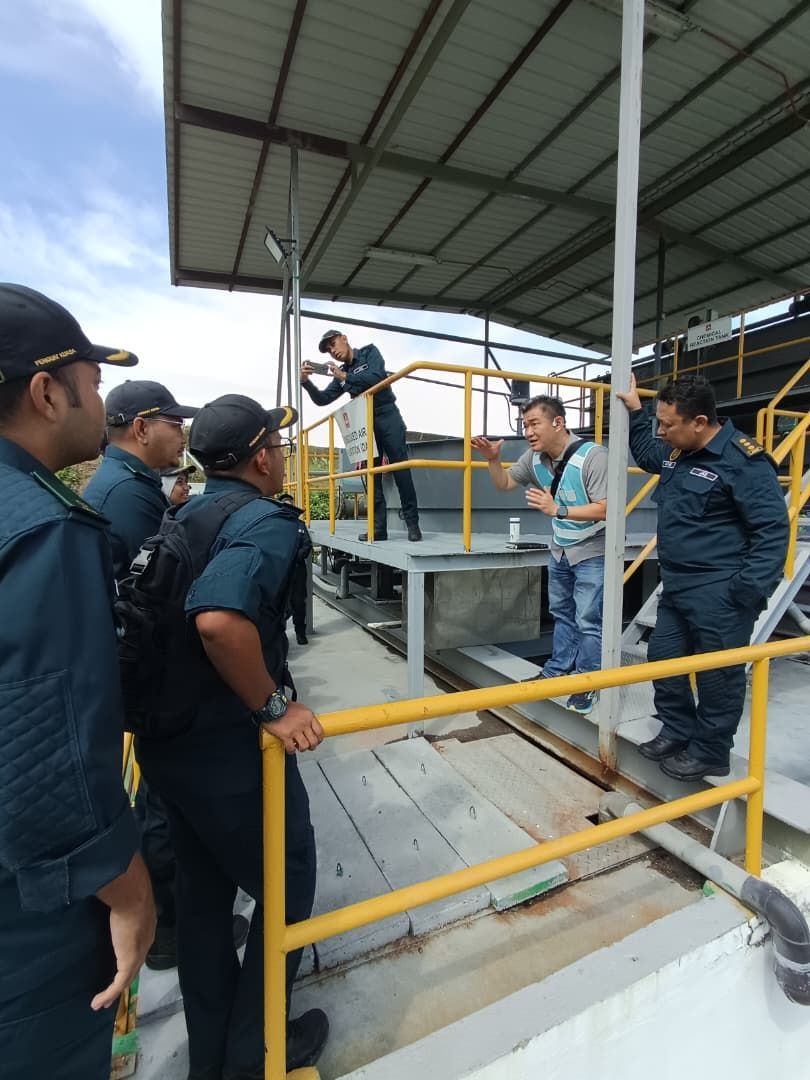
What clients really need is clarity. They need to know who is responsible for each part of the system. They need to understand the operating limits. They also need to know what action should be taken when something unusual happens.
For example:
- What should the operator do when the pH reading starts to fluctuate?
- What if the treated effluent colour changes?
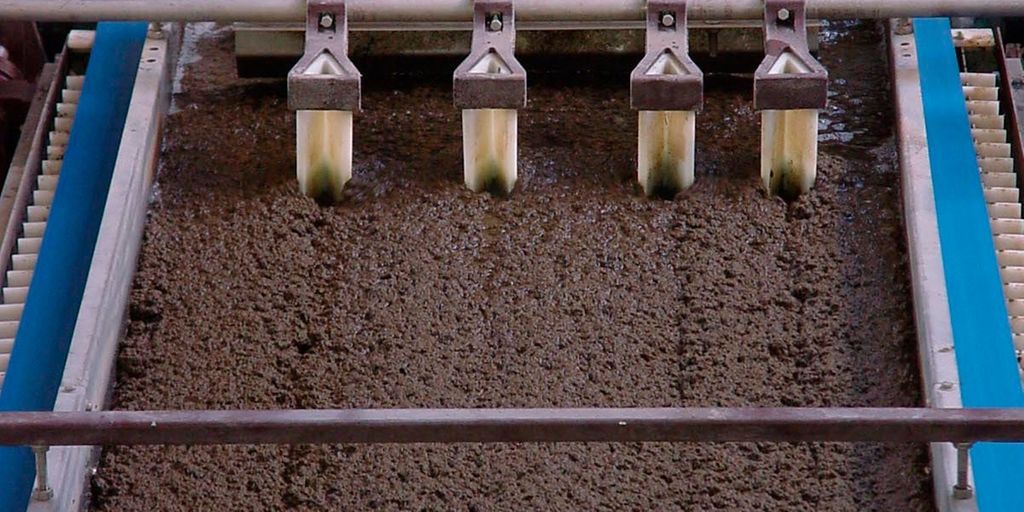
- What if the sludge condition becomes unstable?
- What if the final discharge result is getting close to the limit?
These situations are common in real industrial wastewater treatment operations. They may not always mean the system has failed, but they should not be ignored either.
From Cheme Advance’s point of view,
clear communication after handover helps the client reduce uncertainty. When the operation team understands the system better, they can respond earlier and avoid making rushed decisions. This is especially important for industrial facilities in Malaysia, where environmental compliance is not only about passing one test. It requires stable and
consistent wastewater management over time.
2. Clients Value Fast and Informed Response

When wastewater treatment performance becomes unstable, response time matters.
For clients, fast response is not only about convenience. It gives reassurance. If an Industrial Effluent Treatment System shows abnormal performance, the site team may feel pressure as the issue can affect compliance, production, operation schedule, and management reporting. In these moments, clients need an IETS partner who can respond quickly and understand the situation properly.
However, speed alone is not enough. The response must also be informed. A good wastewater treatment company in Malaysia should not only ask, “What is the problem?” It should also consider the possible causes behind the problem.
For example, unstable performance may be related to:
- sudden changes in wastewater characteristics
- chemical dosing imbalance
- sludge condition
- aeration issue
- pump or blower performance
- sensor or control system problem
- delayed maintenance
- changes in production activity
Based on Cheme Advance’s experience, many treatment issues are easier to manage when they are identified early. A small change in operation can sometimes prevent a larger problem later.
This is why wastewater treatment plant maintenance and wastewater treatment servicing should not be treated as a last-minute action only when something breaks down. Regular checking, proper troubleshooting, and timely support can help the system remain more stable.
3. Clients Need Operational Guidance, Not Only Equipment

One common misunderstanding in wastewater treatment is assuming that once the system is installed, it can continue operating with minimal attention.
In practice, every effluent treatment system requires proper operation, regular monitoring, planned maintenance, and timely process adjustment. Even a well-designed system can be affected by changes in production activity, wastewater characteristics, cleaning processes, discharge volume, chemical usage, and other site conditions.
This is why Cheme Advance believes that an IETS partner should provide more than equipment supply. A reliable partner should also support clients with practical operational guidance after the system is handed over.
Depending on the site condition, clients may require support in areas such as:
- chemical dosing adjustment
- sludge handling improvement
- aeration control
- troubleshooting abnormal readings
- equipment servicing planning
- process optimisation
- compliance preparation
- operator guidance
These areas may seem routine, but they directly influence the stability and performance of the treatment system.
From Cheme Advance’s experience, many wastewater treatment issues do not occur suddenly. They often begin with small operational changes, such as unstable dosing, poor sludge condition, delayed equipment maintenance, or abnormal readings that are not addressed early.
Over time, these issues may affect treatment performance, increase operating costs, and create potential compliance risks.
This is why clients often need wastewater treatment plant consultants who understand not only the technical design of the system, but also the actual operation challenges at site.
4. Real Site Conditions Can Change After Handover

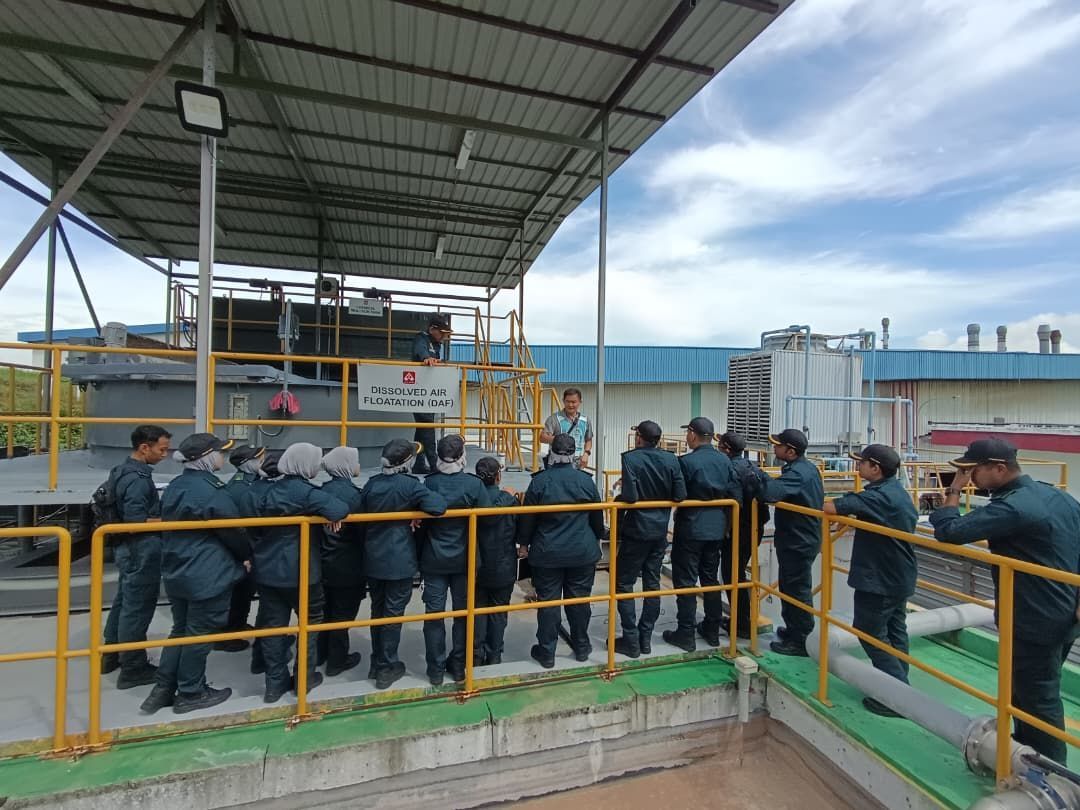
After handover, the system begins operating under actual site conditions. This is where real operational challenges may appear, because daily wastewater conditions are not always the same as the initial design assumptions.
Production volume may increase, wastewater strength may fluctuate, cleaning activities may affect the influent, and equipment performance may change over time. Operator shifts, maintenance schedules, and process control practices can also influence the stability of the treatment system.
This is why after-handover support is important. It helps the client respond to changes earlier, make proper adjustments, and maintain consistent treatment performance.
From Cheme Advance’s experience, long-term wastewater management requires continuous understanding of the plant condition, not only a completed installation. A reliable
IETS
partner should be able to support the client when real site conditions change, so the system can continue operating efficiently and remain compliant.
5. Cheme Advance’s Approach to Long-Term IETS Partnership
At Cheme Advance, we see IETS projects as long-term responsibilities, not one-time equipment supply.
Our role is to help clients better understand, operate, and maintain their industrial wastewater treatment system. This includes providing technical support, practical advice, and clear communication when the client needs guidance.
We believe clients do not need exaggerated promises. They need a partner who understands the system, responds responsibly, and gives practical recommendations based on real site conditions.
In industrial wastewater treatment, every site can be different. A solution that works for one factory may not be suitable for another if the wastewater characteristics, operation pattern, or compliance requirements are different.
That is why experience matters.
A reliable
IETS
partner should be able to look beyond the equipment and understand how the system performs in daily operation.

Conclusion
After an IETS project is handed over, the real measure of success is not only whether the system has been installed properly. More importantly, it is whether the system can continue to support the client’s daily operation, compliance requirements, and long-term wastewater management needs.
Based on Cheme Advance’s experience, clients usually value three key areas after handover:
- Clarity, because the operation team needs to understand what actions to take when site conditions change.
- Fast response, because wastewater treatment issues can affect both compliance performance and production continuity.
- Operational guidance, because an effluent treatment system requires daily monitoring, adjustment, and maintenance, not only equipment installation.
For Cheme Advance, a long-term IETS partnership is built on practical support, clear communication, technical understanding, and a commitment to helping clients maintain a wastewater treatment system that is stable, efficient, and compliant.
If you are facing challenges in your wastewater treatment system or looking to improve compliance and operational efficiency, our team is ready to support.
Reach out to us for a technical discussion or system evaluation tailored to your plant conditions.