
A Stable Effluent Treatment System Does More Than Just Pass DOE Limits

sales albeadvance • 3 June 2026

Share this article

Compliance Alone Is Not the Goal

Many facilities approach industrial wastewater treatment with one primary objective:


“As long as we pass DOE limits, the system is good enough.”


On paper, that sounds reasonable.


But in reality, passing a single discharge test does not necessarily mean the system is healthy, sustainable, or stable.


A treatment plant that only performs under ideal conditions will eventually struggle when faced with production changes, shock loading, manpower gaps, or fluctuating wastewater characteristics.


This is where many industrial facilities in Malaysia face problems.


The real goal of an effluent treatment system should not simply be to pass once. It should be supported by proper system design, operation, maintenance, and continuous optimisation throughout the treatment lifecycle.


It should be designed and operated to remain stable over the long term.

The Compliance Misconception

One of the most common misconceptions in wastewater treatment is treating compliance as a short-term target instead of an operational culture.

Some systems are only adjusted when sampling dates are approaching:

  • Chemicals are overdosed temporarily
  • Sludge is removed reactively
  • Aeration settings are changed aggressively
  • Operators focus only on final discharge numbers

While this may occasionally achieve a passing result, it creates instability within the biological and treatment process.

Eventually, the hidden operational issues begin to surface:

  • Rising operating costs
  • Increased sludge generation
  • Unstable MLSS conditions
  • Frequent odour complaints
  • Equipment stress and breakdowns
  • Inconsistent final discharge quality

A stable plant should consistently perform — not only during inspections.

Designing for Stability, Not Just Compliance

A stable treatment system begins with proper process selection. Depending on the wastewater characteristics, industries may require conventional activated sludge systems, anaerobic treatment, Dissolved Air Flotation (DAF), or advanced membrane technologies to achieve consistent performance.


Production schedules change. Raw material quality varies. Cleaning cycles fluctuate. Unexpected spills happen.


A system designed only for “average conditions” may struggle the moment variability increases.


That is why long-term stability must be part of the design philosophy.


This includes:


  • Proper equalisation capacity
  • Buffering against shock loading
  • Flexible biological treatment processes
  • Reliable sludge management systems
  • Sufficient redundancy and operational control


In many cases, the difference between a struggling plant and a stable one is not just equipment.


It is how the system was planned to handle instability.

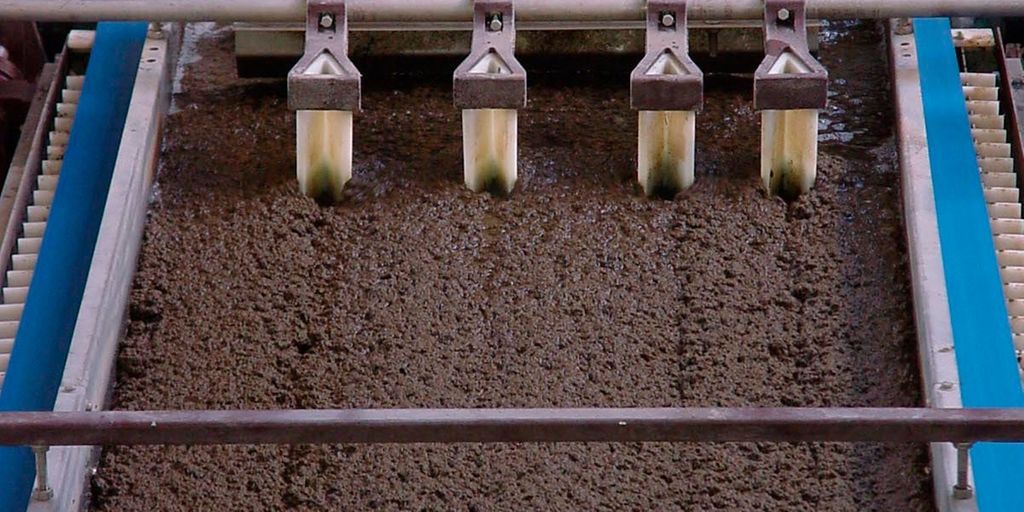
Sludge Strategy Is Often Overlooked

Many wastewater systems focus heavily on water quality but underestimate sludge management.


However, sludge is one of the biggest operational and cost drivers in industrial wastewater treatment.


Poor sludge management can lead to:


  • Reduced treatment efficiency
  • Bulking and sludge carryover
  • Odour generation
  • Increased disposal costs
  • System instability
  • Higher manpower requirements


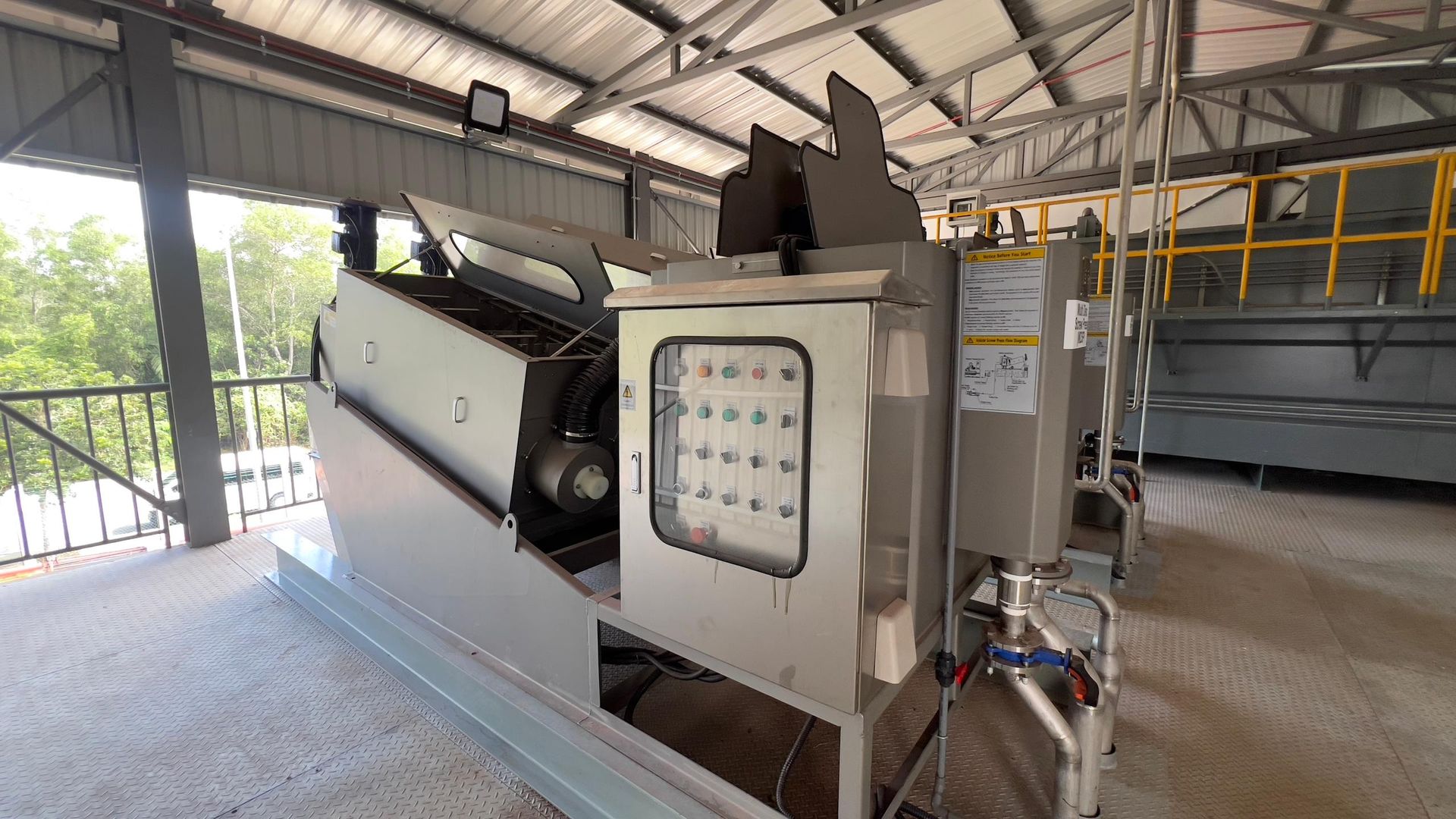
A good treatment system should include a long-term sludge handling strategy from the beginning.


This may involve:


The objective is not just disposal.

It is maintaining a healthy biological process while controlling operational costs.

Operational Flexibility Matters

A treatment system should not depend entirely on ideal conditions or a single experienced operator.


Facilities evolve over time.


Production increases. Processes change.


Wastewater characteristics shift.


Systems with low operational flexibility often become difficult to maintain as business requirements change.


This is why modern industrial effluent treatment system design increasingly focuses on:


  • Ease of operation
  • Monitoring visibility
  • Automation and controls
  • Expandability
  • Process adaptability
  • Maintenance accessibility


Operational flexibility reduces the risk of long-term failure.


It also allows facilities to respond faster when unexpected issues occur.

Passing Once vs Remaining Stable

Passing a Test Once

and

Operating Reliably for Years

A stable system:


  • Handles fluctuations better
  • Produces more consistent discharge quality
  • Reduces emergency troubleshooting
  • Lowers long-term operating costs
  • Minimises compliance risk
  • Protects equipment lifespan
  • Improves operator confidence


In the long run, operational stability is what truly protects both the environment and the business.

Final Thoughts

Meeting DOE discharge requirements is important.


But true wastewater management goes beyond passing a compliance test.


The most effective effluent treatment systems are designed for stability, adaptability, and long-term operational performance.


When facilities focus only on short-term compliance, they often create larger operational problems later.


But when systems are designed with stability in mind, considering influent variability, sludge strategy, and operational flexibility, compliance becomes more sustainable and far less stressful.

If your facility is struggling with inconsistent discharge quality, rising sludge costs, or unstable treatment performance, our team can help evaluate your current system and identify practical improvements.


Whether you are upgrading an existing plant or planning a new effluent treatment system in Malaysia, stability should always be part of the design strategy.

Recent Posts

by sales albeadvance 29 May 2026
What Clients Really Need from Their IETS Partner After Project Handover
Cheme Advance team photo with DOE seminar participants in Melaka and Selangor
by sales albeadvance 28 May 2026
Cheme Advance joined DOE seminars in Melaka and Selangor to support IETS optimisation, environmental compliance and sustainable wastewater management.
Operator checking wastewater treatment system performance and IETS compliance
by sales albeadvance 26 May 2026
True IETS compliance goes beyond DOE limits. Learn how monitoring, sludge health, chemical dosing, and maintenance support wastewater treatment.
Engineer monitoring an industrial wastewater treatment system at a treatment plant.
by sales albeadvance 21 May 2026
After a shutdown, a wastewater treatment system may take time to stabilise. Proper monitoring helps reduce hidden costs, performance issues, and compliance risks.
Wastewater sample collection for treatment analysis.
by sales albeadvance 20 May 2026
Choosing the right sludge dewatering system depends on sludge characteristics, plant operation, manpower, and downstream handling needs.
Group photo of Cheme Advance team with visitors at ASIAWATER 2026
by sales albeadvance 19 May 2026
Cheme Advance joined ASIAWATER 2026 to connect with industry partners and share practical wastewater treatment solutions for compliance, optimisation, and long-term plant performance.
Group photo at the Cheme Advance booth during the DOE Johor Seminar
by sales albeadvance 18 May 2026
Cheme Advance attended the DOE Johor Seminar on 12–13 May 2026, focusing on the Environmental Quality Act and industry environmental compliance.
Group photo of the Cheme Advance team at IE Expo Shanghai 2026
by sales albeadvance 15 May 2026
Cheme Advance’s visit to IE Expo Shanghai 2026 was a valuable learning experience on environmental solutions and wastewater treatment trends.
Sludge dryer
by sales albeadvance 14 May 2026
Sludge drying helps reduce sludge weight, disposal cost, storage needs, and risks, supporting compliance and long-term cost control for plants in Malaysia.
Industrial wastewater flowing into a wastewater treatment plant tank
by sales albeadvance 13 May 2026
Learn how sludge volume affects wastewater treatment cost, process stability, disposal fees, and long-term plant performance.
Show More