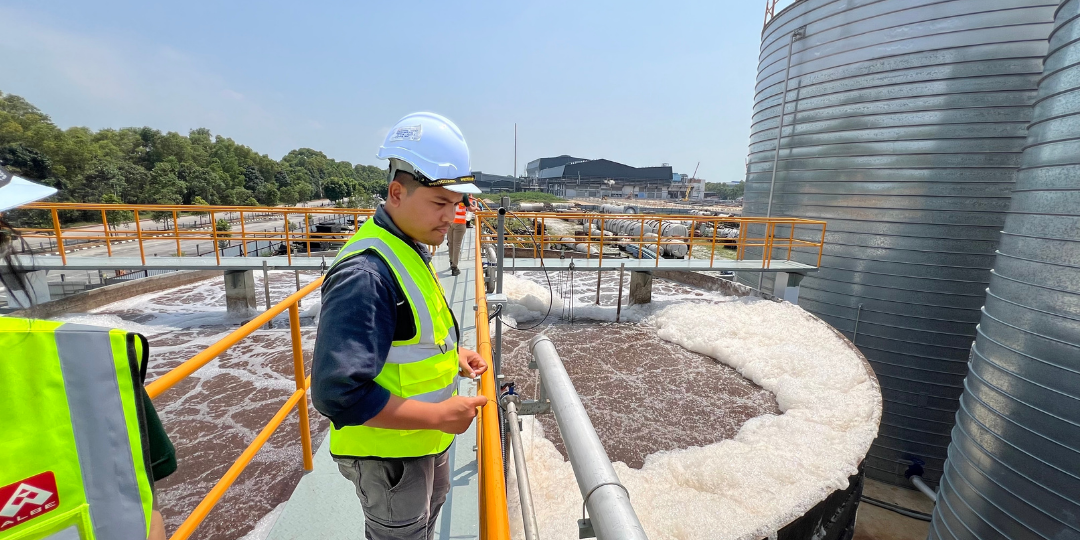
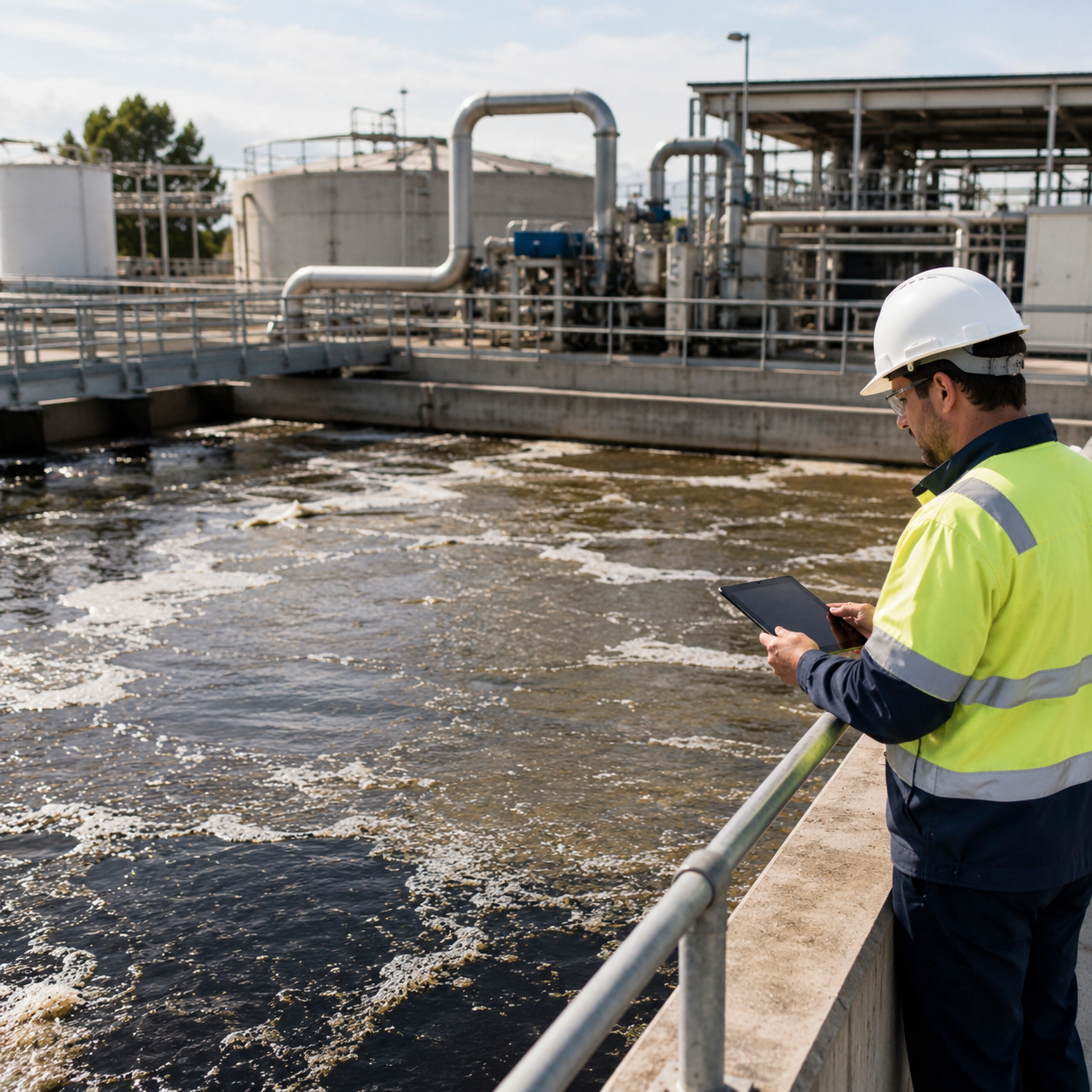
From Wastewater to Water Asset: Why Industrial Water Reuse Matters

From Wastewater to Water Asset: Why Industrial Water Reuse Matters
Industrial water is facing growing pressure. This pressure does not only come from regulations or sustainability slogans. In many cases, it comes from daily operating realities such as rising water demand, limited supply, higher utility costs, and increasing expectations from customers, regulators, and stakeholders.
For many industrial facilities, wastewater has traditionally been seen as something that must be treated before discharge. As long as the final effluent meets the required discharge limits, the system is considered successful.
However, this way of thinking is starting to change.
Today, wastewater should not only be viewed as a waste stream. With the right wastewater treatment system and proper planning, it can become a reusable water source that supports plant operation, improves resilience, and reduces long-term business risk.
Why Wastewater Recycling Is Becoming More Important
In Malaysia, many industries depend heavily on a stable water supply for production, cleaning, cooling, processing, and daily plant operation. When water supply becomes unstable or costs increase, it can directly affect productivity and operating expenses.
At the same time, industries are also facing stronger ESG expectations. Water management is no longer only discussed inside the plant room. It is increasingly part of business planning, sustainability reporting, and long-term operational strategy.
This is where industrial wastewater recycling becomes more valuable.

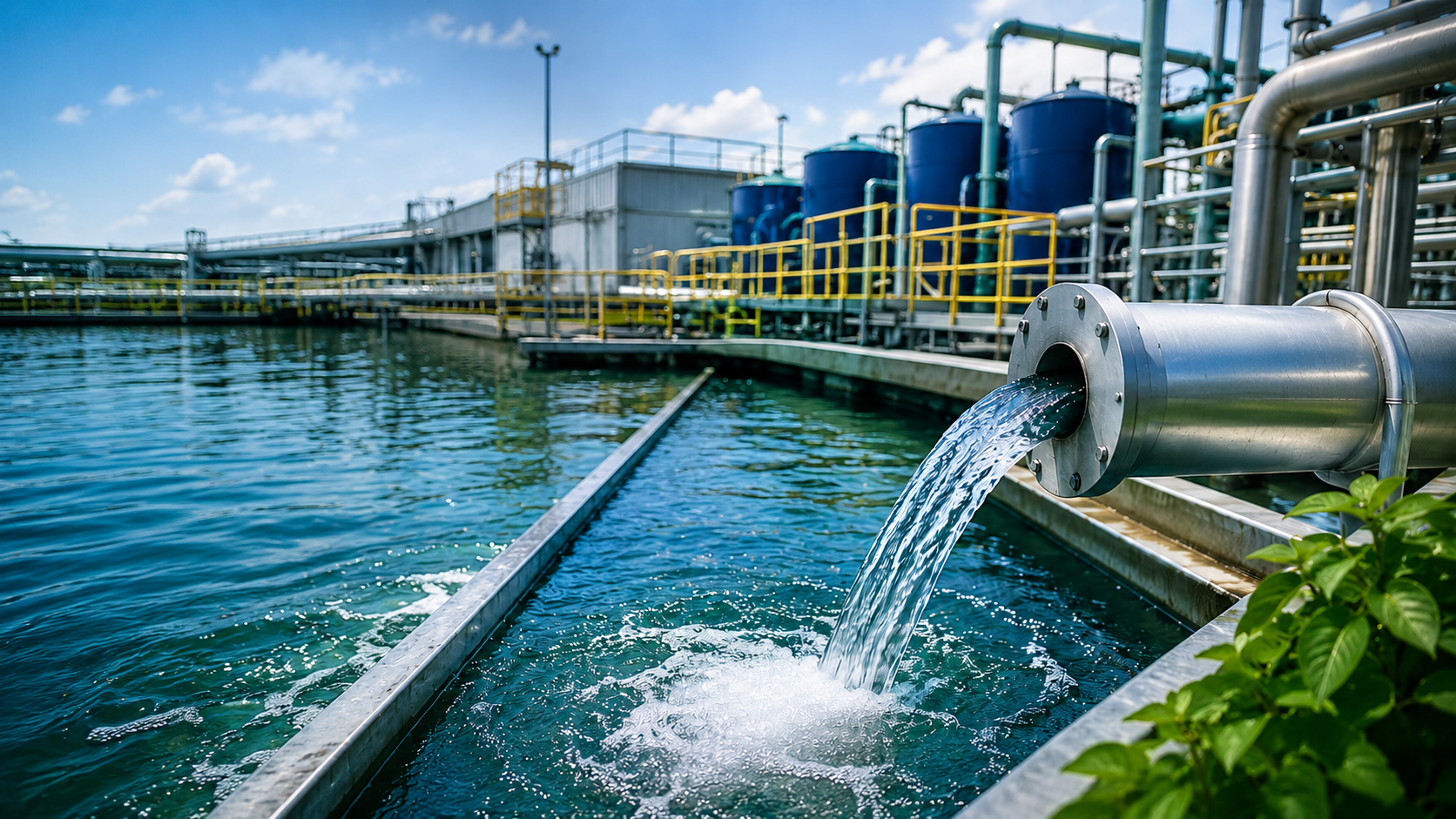
Instead of treating wastewater only for discharge, a well-designed reuse system allows part of the treated water to be recovered and reused within the facility. Depending on the wastewater characteristics and site requirements, the recycled water may be used for suitable non-potable purposes such as washing, flushing, cooling support, or process-related applications.
Based on our experience in industrial waste water treatment, the key is not simply to install a recycling system. The system must be designed according to the actual wastewater condition, required treated water quality, reuse purpose, space availability, operation pattern, and maintenance capability.
From Compliance Cost to Operational Value

A wastewater treatment plant is often seen as a compliance requirement. It is something the factory must have to meet environmental regulations.
But when wastewater recycling is included in the planning, the value of the system becomes wider.
A proper reuse loop can help businesses reduce dependence on incoming water supply. It can also reduce the amount of treated water discharged from the site, depending on the system design and reuse volume.
This means the treatment plant is no longer only supporting compliance. It is also supporting cost control, production stability, and resource efficiency.
In simple terms, the question is no longer only:
“Can we meet discharge limits?”
The better question is:
“How much usable water are we allowing to flow out of the plant?”
What Makes a Water Reuse System Practical?
A good wastewater recycling system should be realistic, manageable, and suitable for real plant conditions.

1. Understand the Wastewater Source
A practical reuse system must start by understanding where the wastewater comes from. Different industries, such as food processing, manufacturing, chemical processes, or cleaning activities, may produce wastewater with different characteristics. Because of this, the treatment approach should be planned based on the actual wastewater condition.
2. Identify the Required Reuse Quality
Not every reuse purpose needs the same water quality. Some applications may require clearer and more stable treated water, while others may only need a lower reuse standard. The system should be designed based on how the recycled water will be used in the plant.
3. Ensure Easy Daily Operation
A reuse system must be practical for the operation team to manage. If the system is too complicated, difficult to maintain, or not suitable for daily operation, it may not perform consistently over time. A good solution should work under real plant conditions, not only look good on paper.
The Role of Wastewater Management in Business Resilience
Water reuse can also help companies build operational resilience.
When water supply is affected, production may slow down or stop. When water cost increases, operating expenses become harder to control. When ESG requirements become stricter, companies need stronger evidence that they are managing resources responsibly.
A well-planned wastewater management strategy can help reduce these risks.
For businesses, this is similar to having a form of operational insurance. The value may not always be visible every day, but it becomes important when conditions change. This is why wastewater recycling should be seen as a
long-term asset instead of a one-time treatment upgrade.
Choosing the Right Wastewater Treatment Partner

Not every wastewater treatment company in Malaysia will recommend the same solution because every site has different needs. A responsible approach should begin with understanding the wastewater condition, discharge requirements, reuse target, and operational limitations.
At Cheme Advance, we believe that wastewater treatment should be practical, reliable, and suitable for actual site conditions.
Industrial wastewater recycling is not only about adding more equipment. It is about creating a treatment strategy that supports compliance, operation, and long-term water efficiency.
When planned properly, wastewater can become more than something to manage. It can become a resource that supports the business.

Conclusion
Industrial wastewater recycling is becoming an important part of modern water treatment and wastewater management. As water demand increases and operating pressures grow, companies need to look beyond basic discharge compliance.
The real value of a wastewater treatment system is not only in meeting limits. It is also in helping the business reduce risk, improve resource efficiency, and build stronger operational resilience.
Wastewater should not only be treated as waste. It should be reconsidered as a water asset.
If you are facing challenges in your wastewater treatment system or looking to improve compliance and operational efficiency, our team is ready to support.
Reach out to us for a technical discussion or system evaluation tailored to your plant conditions.