Turning Sludge Into Strategy: How Sludge Drying Helps Industries Reduce Wastewater Treatment Costs in Malaysia
In many industrial facilities, wastewater treatment is often viewed mainly from the compliance side. As long as the water treatment plant is running, discharge limits are met, and the system passes inspection, the process may seem under control.
But in real operation, one of the biggest cost drivers often comes after the treatment process.
That cost is sludge.
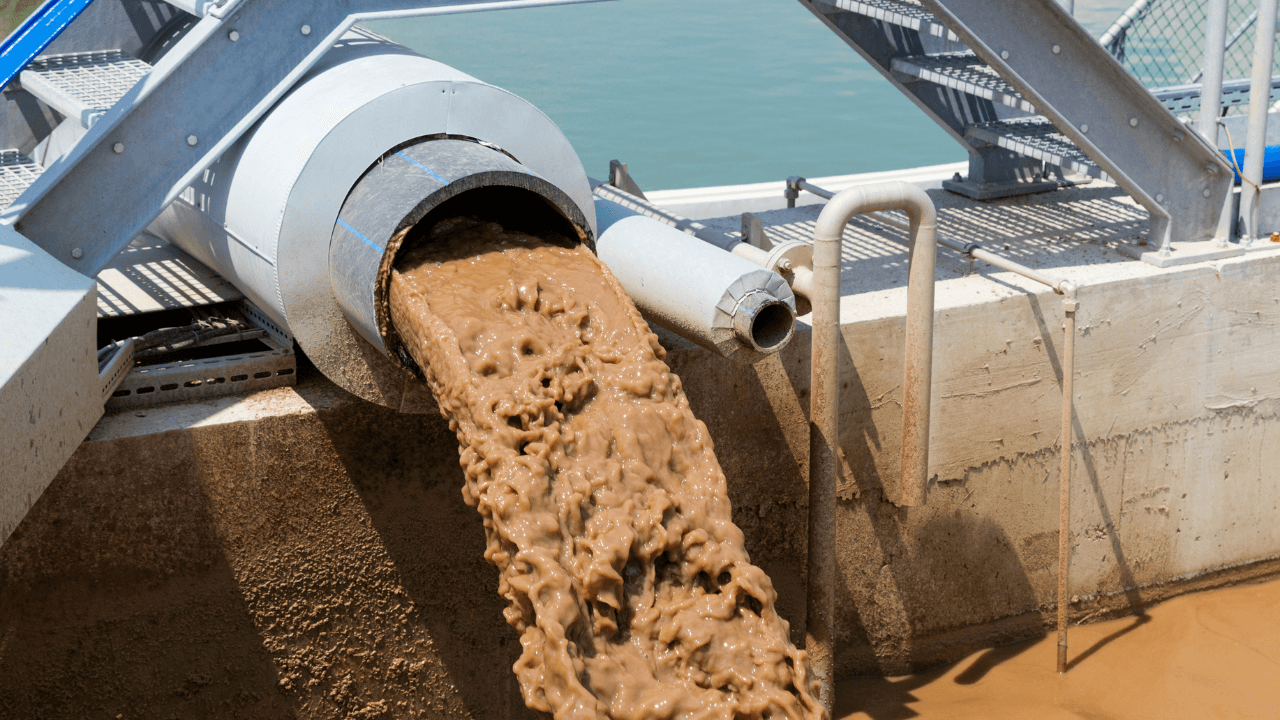
Sludge handling, storage, transportation, and disposal can become a heavy long-term expense for many industries. This is why sludge should not only be seen as waste. It should also be seen as a cost signal from the wastewater treatment system.
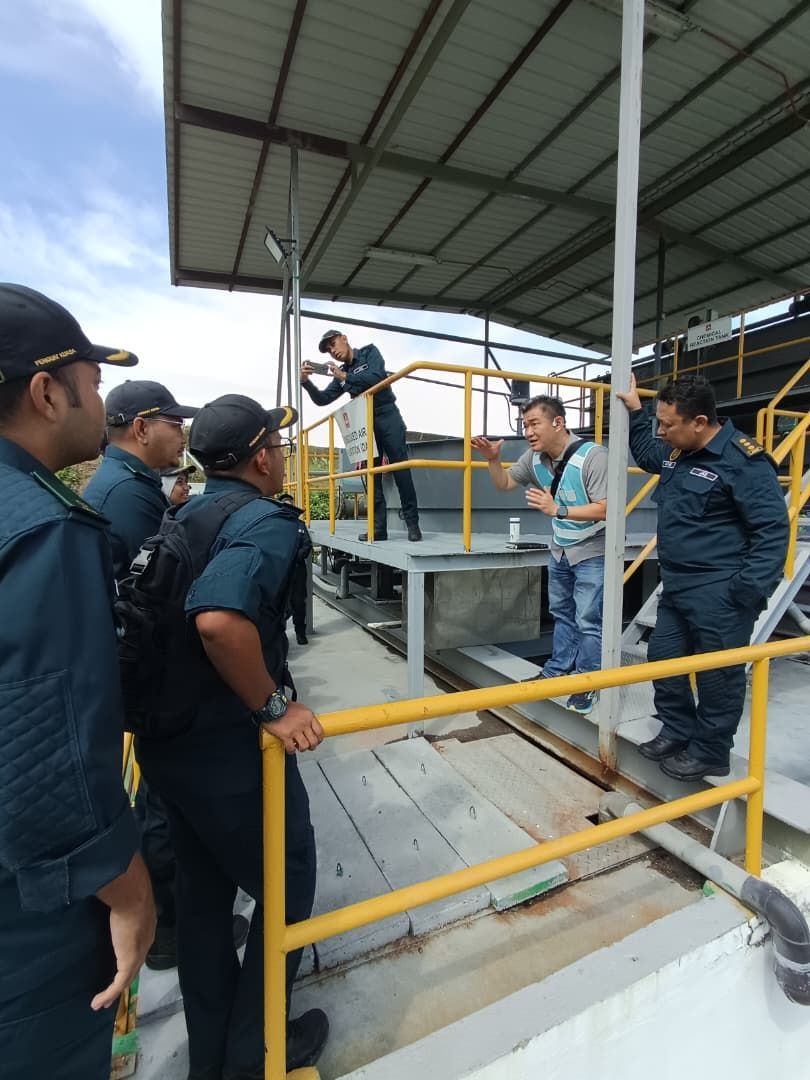
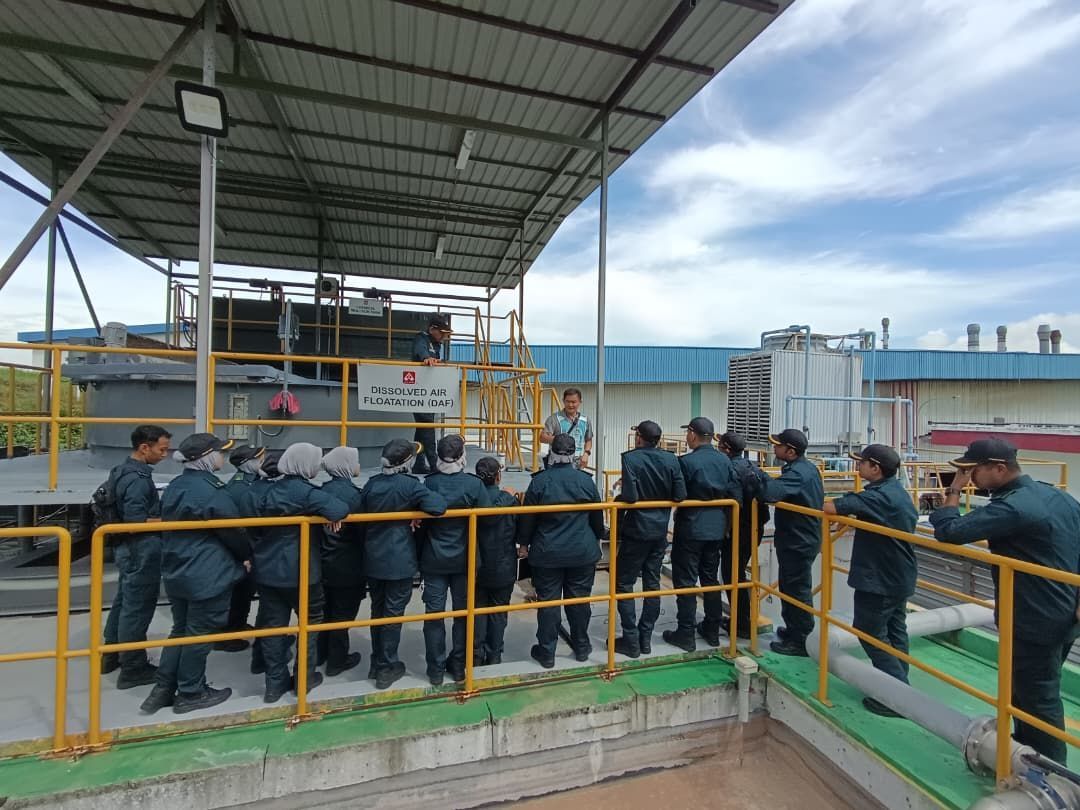
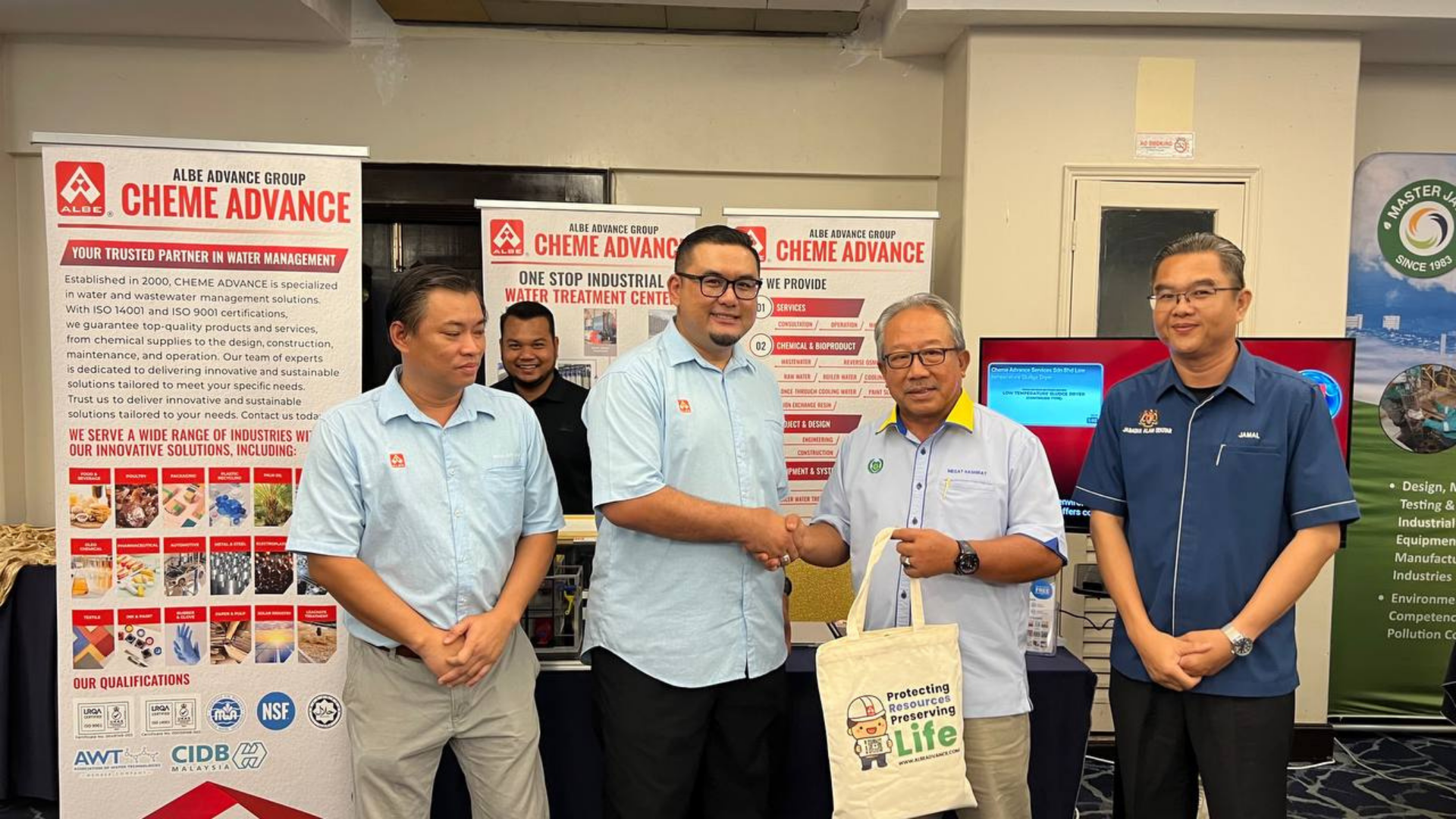
On 28 April, our team joined the DOE seminar in Kangar, Perlis, where we discussed sludge management with industry PICs, regulators, and visitors. One topic that received strong interest was sludge management, especially how sludge drying can help reduce disposal burden and support better operational planning.
As a wastewater treatment company in Malaysia, we believe these conversations are important because they reflect real challenges faced by plants on the ground, not just theoretical design concerns.

Why Sludge Management Matters in Industrial Wastewater Treatment

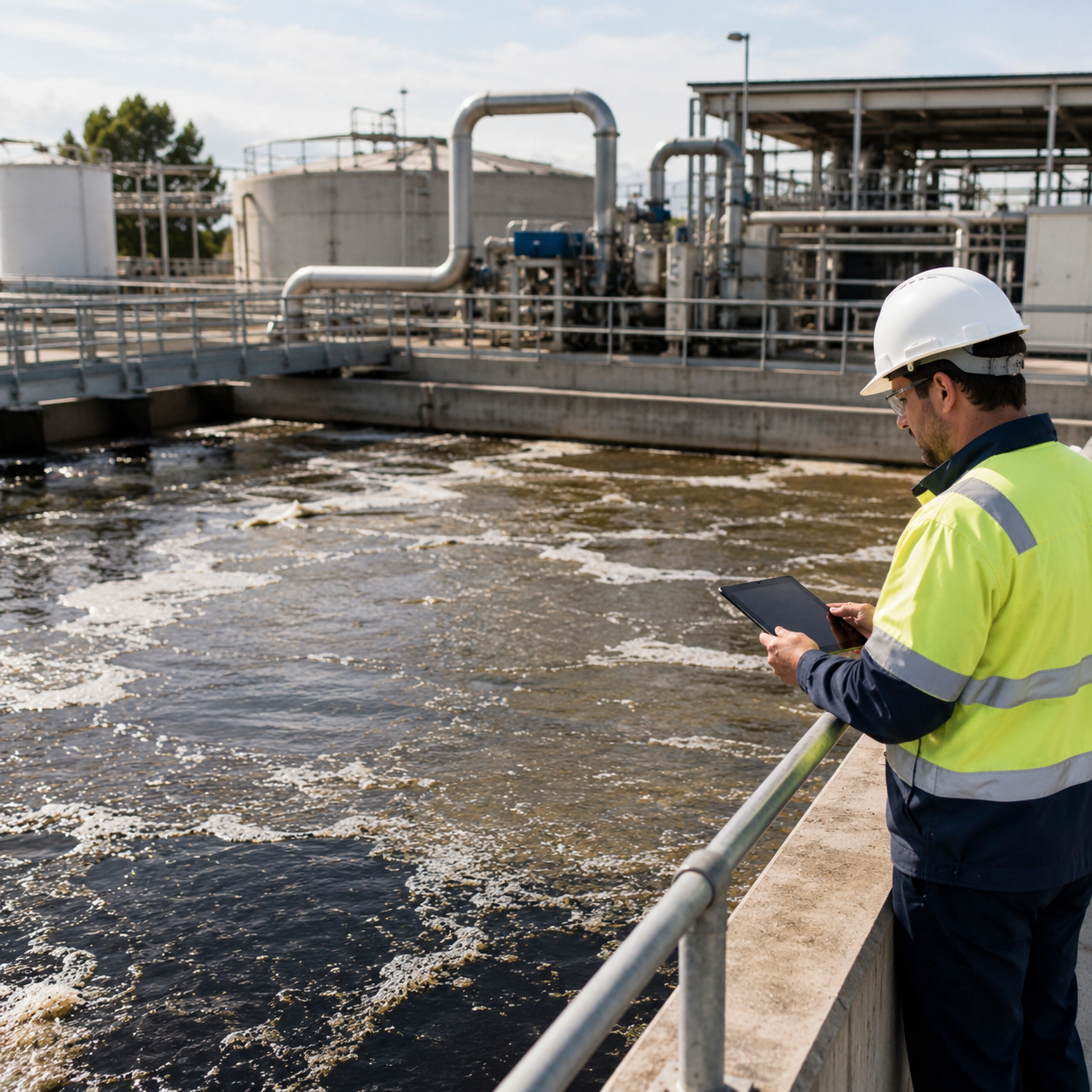
In an industrial waste water treatment system, sludge is produced as part of the treatment process. Its volume and condition depend on many factors, including wastewater characteristics, chemical dosing, biological stability, process control, and dewatering performance.
When sludge volume is high, it does not only affect disposal cost. It can also increase storage needs, handling manpower, odour issues, leakage risk, and overall plant operating cost.
This is why sludge management should be part of the overall water treatment plant strategy. A system that only focuses on meeting discharge limits may still create high downstream costs if sludge handling is not properly controlled.
This is where sludge drying becomes useful.
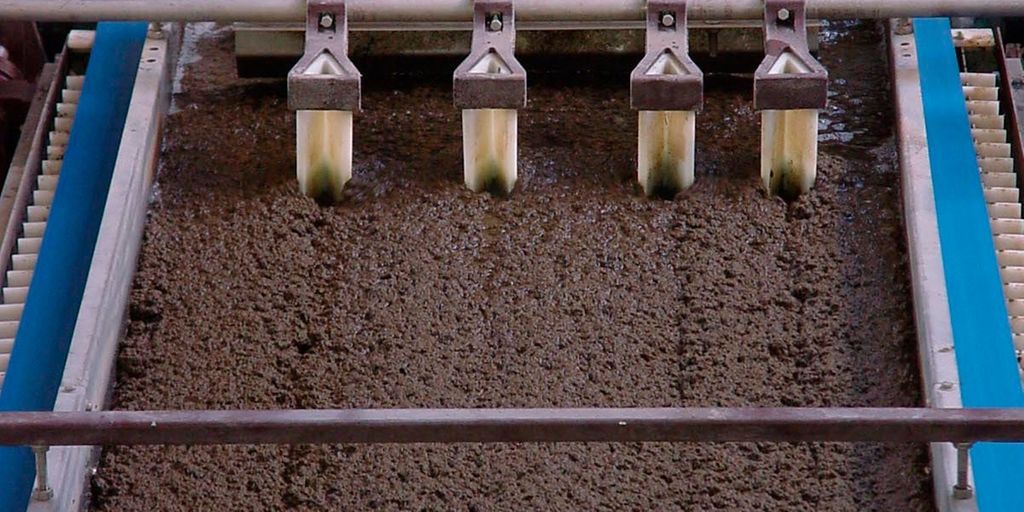
Sludge drying helps reduce moisture content in sludge, making it lighter and easier to handle. Based on our case study and test results, sludge drying can typically achieve around 50% to 70%+ sludge weight reduction, with some results reaching up to approximately 75%. The actual reduction will depend on the sludge condition and site operation.
When sludge weight is reduced, disposal cost usually follows as it is linked to sludge weight, volume, transportation, and handling frequency. In selected cases, the estimated return on investment can be around 1.0 to 1.2 years, depending on sludge characteristics, disposal cost, electricity tariff, and operating conditions.

However, sludge drying should not be treated as a one-size-fits-all solution. A proper evaluation is needed before deciding whether it is suitable for a specific water treatment plant.
A good evaluation should consider:
- Current sludge volume
- Existing dewatering method
- Sludge moisture content
- Disposal cost per tonne
- Available space
- Electricity cost
- Operating manpower
- Safety and odour concerns
- Long-term plant operation needs
This is why working with an experienced waste water treatment company in Malaysia is important. The right solution should be based on actual site conditions, not just general equipment benefits.
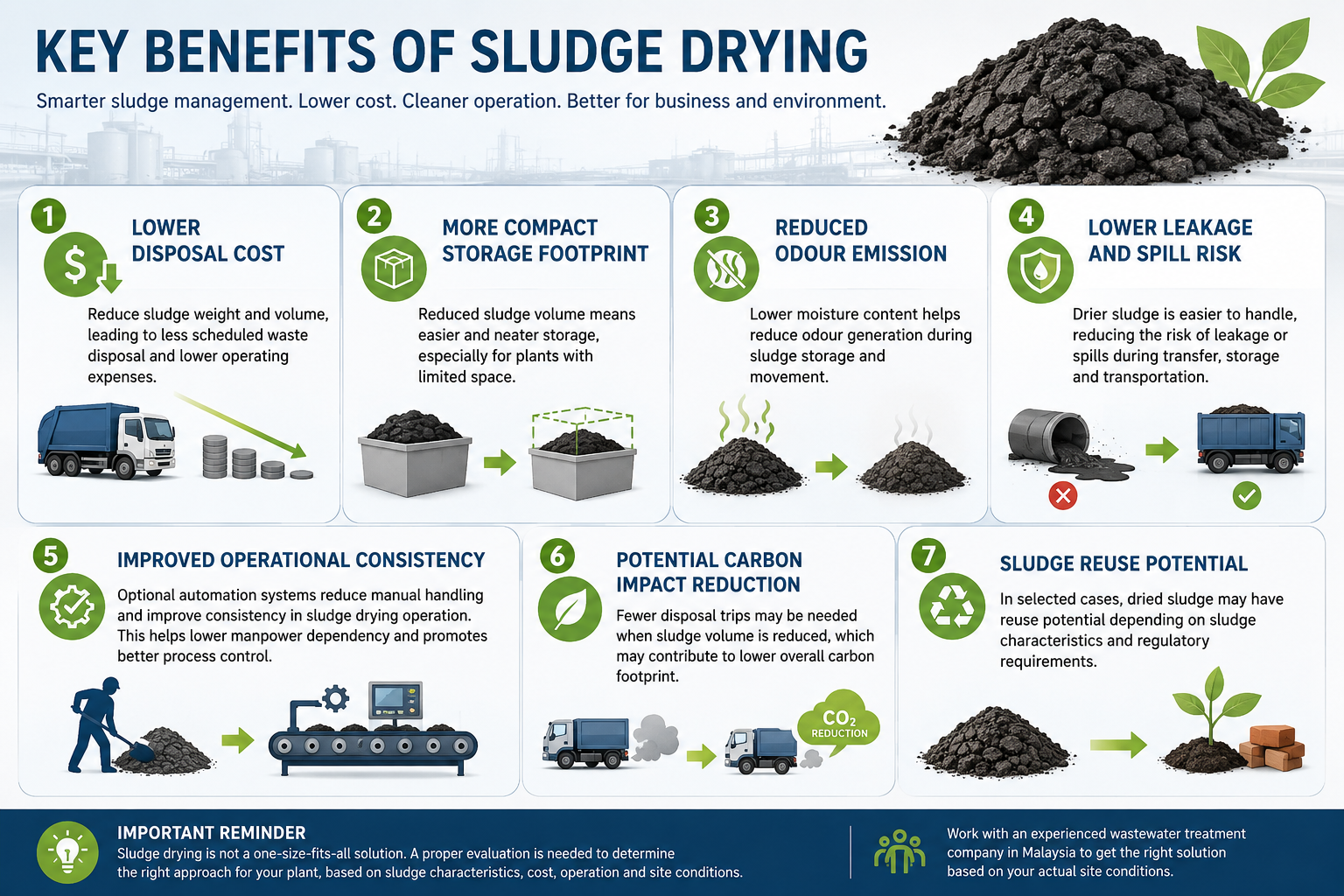
Key Benefits of Sludge Drying

Sludge drying offers more than just weight reduction. When sludge becomes drier and lighter, it can help industries reduce disposal cost, save storage space, improve site cleanliness, and lower handling risks.
For plants with high sludge generation, these benefits can support smoother daily operation and better long-term cost control. In selected cases, dried sludge may also have reuse potential, depending on sludge characteristics and regulatory requirements.
This ensures sludge drying a practical option for industries that want to improve sludge management beyond basic wastewater treatment compliance.
From Compliance to Cost Optimisation
In Malaysia, compliance with environmental requirements is expected. Industries must operate their wastewater treatment system responsibly and meet the necessary discharge standards.
However, compliance alone is no longer enough. Many plants are also looking at how to reduce operating cost, improve manpower efficiency, reduce waste, and support sustainability targets.
This is where smarter sludge management becomes valuable. A well-planned sludge drying system can help industries move from basic compliance toward better long-term cost control.
For companies comparing wastewater treatment solutions, the focus should not only be on the treatment process itself. The full cost of sludge handling and disposal should also be included in the decision-making process.
Conclusion
Sludge is often treated as the final waste from a wastewater treatment plant, but it can also reveal hidden cost and operational inefficiency.
When sludge volume is reduced, industries may benefit from lower disposal cost, smaller storage footprint, reduced odour, lower spill risk, and better operational consistency.
However, actual savings will vary depending on sludge condition, disposal cost, electricity tariff, and site operation. Therefore, a proper sludge dryer evaluation is essential before making any investment decision.
As a water treatment company in Malaysia, Cheme Advance supports practical industrial wastewater treatment solutions that help industries improve compliance and achieve better long-term cost control.
For industries looking to understand their sludge reduction potential, a sludge dryer evaluation can be a useful first step.
If you are facing challenges in your wastewater treatment system or looking to improve compliance and operational efficiency, our team is ready to support.
Reach out to us for a technical discussion or system evaluation tailored to your plant conditions.