Cheme Advance at DOE Seminars: Supporting Environmental Compliance and Sustainable Wastewater Management

sales albeadvance • 28 May 2026

Share this article

Environmental compliance is an important responsibility for every industrial plant. It is not only about meeting discharge limits, but also about understanding how the treatment system performs in daily operation.


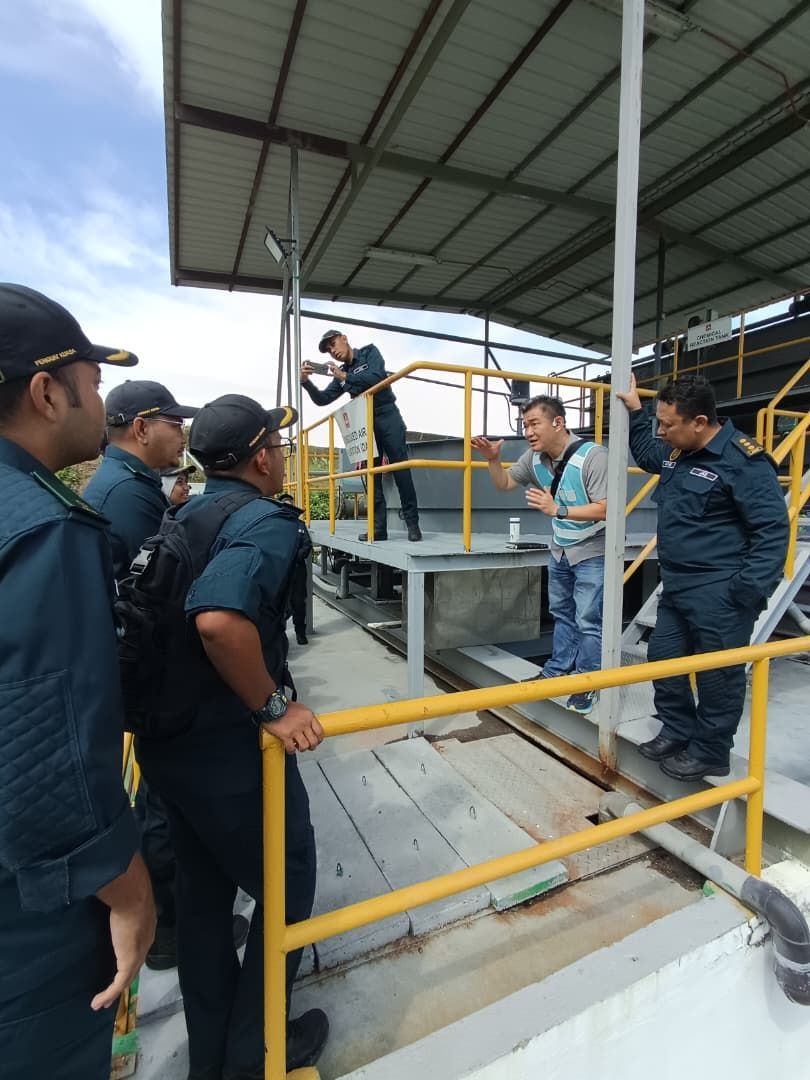
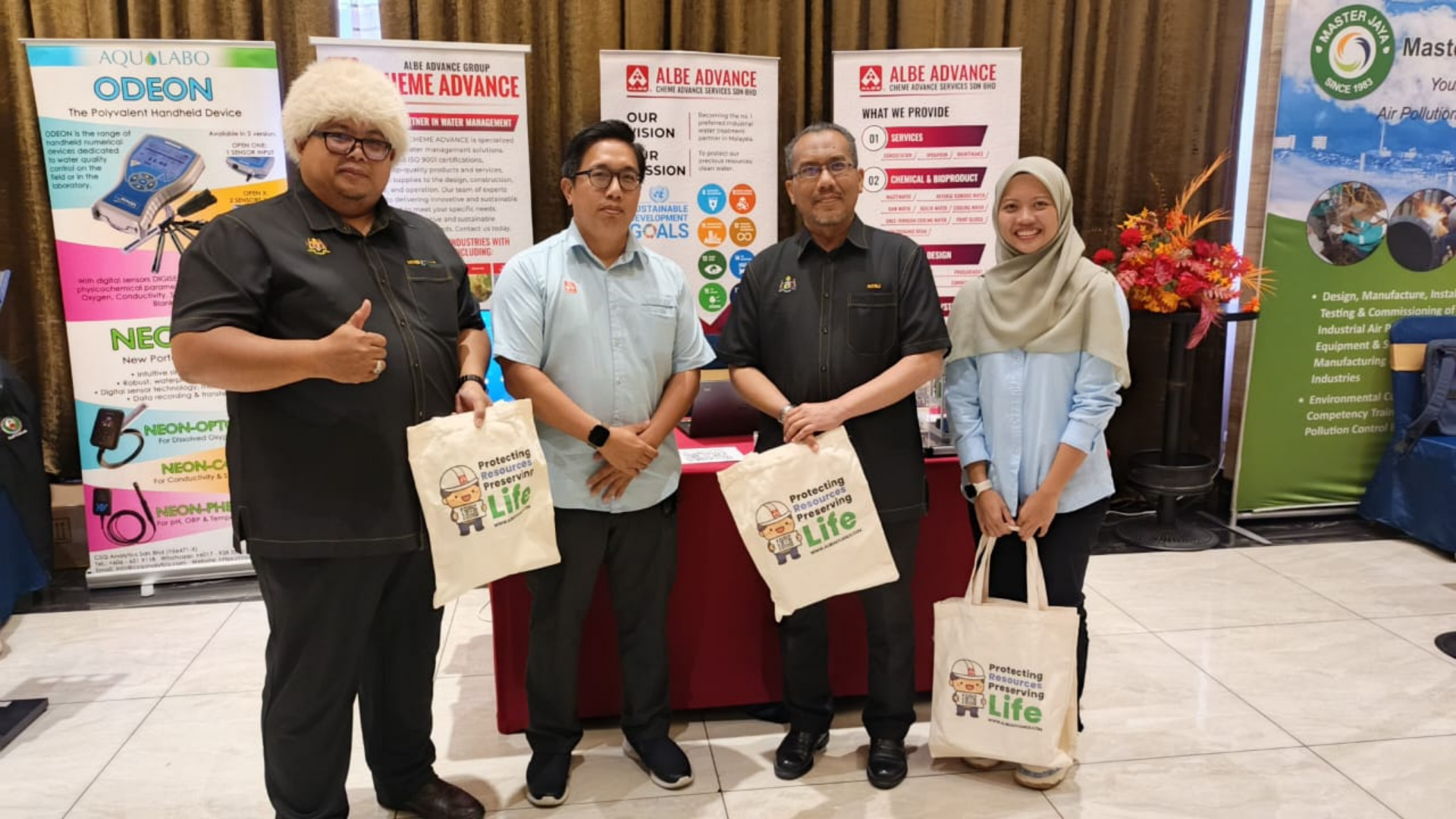
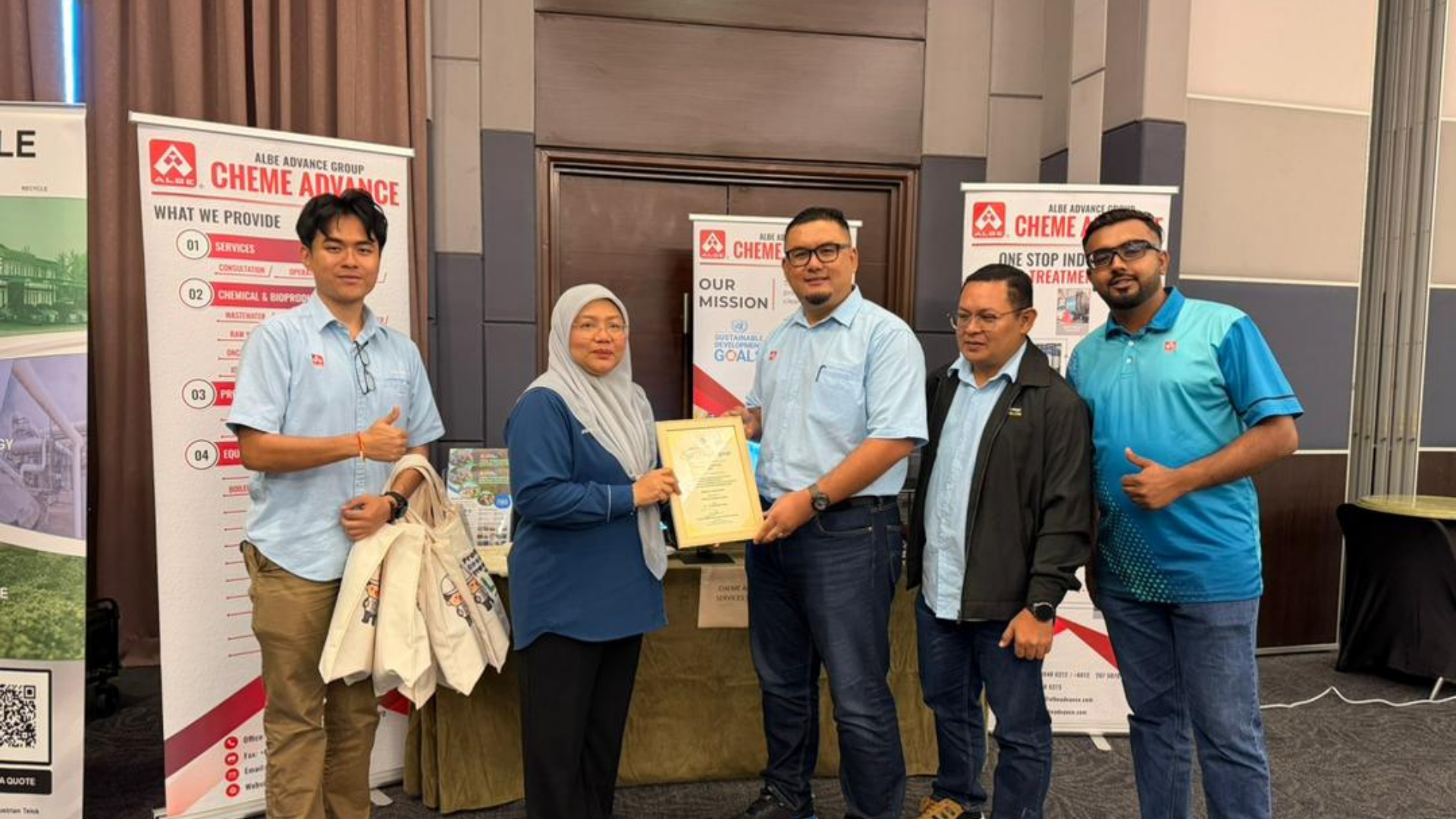
On 10 and 11 February, the Cheme Advance Sdn. Bhd. team participated in two DOE-related seminars in Melaka and Selangor. These events allowed Cheme Advance to connect with industry players, regulators, plant operators, and environmental professionals who are focused on improving compliance and wastewater management practices. 


The two events were:


  • DOE E-SWISS Seminar
    Melaka | Hotel Ames
  • DOE Environmental Seminar
    Selangor | Espira Kinrara


For Cheme Advance, these seminars were more than exhibition opportunities. They were also valuable platforms to connect with industries, understand current operational concerns, and share practical solutions related to industrial effluent treatment system performance.


Practical IETS Optimisation in Real Operation

One of the key messages shared by Cheme Advance during the DOE seminars was the importance of practical IETS optimisation.

In industrial waste water treatment, optimisation is not only about improving the system on paper. It is about looking at the actual site condition and understanding what the plant really needs.


This may include checking:

  • Wastewater characteristics
  • Chemical dosing performance
  • Sludge condition
  • Biological treatment stability
  • Equipment performance
  • Final discharge trend
  • Operator challenges
  • Long-term maintenance needs


From our experience, many treatment problems are not caused by one major failure. They often start from small changes that are not detected early. For example, chemical dosing may no longer match the wastewater condition, sludge may begin to settle poorly, or equipment may slowly lose efficiency.


When these issues are not addressed, the plant may face higher chemical consumption, unstable treatment performance, more sludge handling problems, and higher risk of non-compliance.


Practical IETS optimisation helps industries move beyond simply operating the system. It helps them understand the process, improve control, and make better operational decisions.


The Role of Lab-Backed Analysis

Lab-backed analysis is another important part of sustainable wastewater management.


In some plants, treatment issues are solved through trial and error. Operators may increase chemical dosing or make adjustments based on past experience. While this may provide temporary improvement, it may not solve the actual root cause.


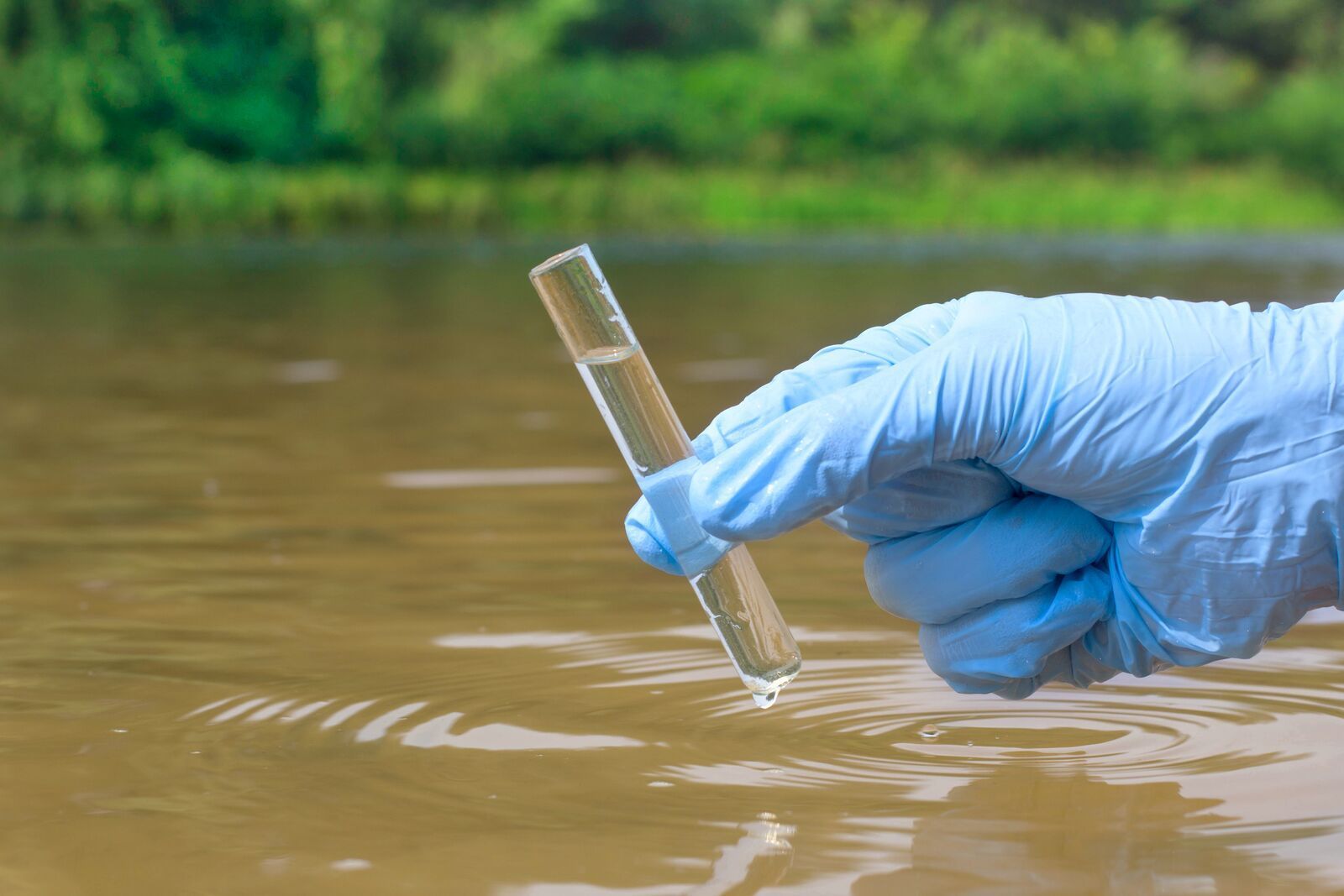
Proper analysis helps the plant understand what is really happening in the wastewater treatment process.


For example, lab testing and process review can help identify whether the issue is related to wastewater loading, chemical selection, biological activity, sludge condition, or equipment performance. This allows the plant to take more accurate corrective action instead of relying only on guesswork.


For an industrial effluent treatment system, this is especially important because different industries produce different wastewater conditions. Palm oil, food and beverage, semiconductor, pharmaceutical, metal, and manufacturing plants may all require different treatment strategies.


There is no single method that works for every plant. A good wastewater treatment approach must be based on the actual site condition.


Supporting Compliance Beyond System Installation

A wastewater treatment company in Malaysia should not only focus on installing systems. Long-term compliance also depends on how the system is operated, monitored, and maintained after installation.


At Cheme Advance, our approach includes supporting industries through practical and end-to-end environmental solutions. This may involve IETS compliance support, sludge treatment strategies, chemical and biological treatment review, DOE liaison, and long-term operational support.


This kind of support is important because compliance is not a one-time activity. It requires continuous attention.


A plant needs to know:


  • Is the treatment system stable?
  • Is the sludge condition healthy?
  • Is chemical usage reasonable?
  • Is the equipment working properly?
  • Are data trends being reviewed?
  • Are early warning signs being detected?


When these areas are managed properly, the plant can operate with more confidence. It can also reduce unnecessary cost, avoid repeated emergency troubleshooting, and support better wastewater management performance.


Conclusion

The DOE seminars in Melaka and Selangor provided an important opportunity to connect with industry players, regulators, and plant operators who are serious about environmental compliance and sustainable wastewater management.


For industrial plants, compliance should not only be about passing inspection. It should be supported by proper IETS optimisation, lab-backed analysis, sludge and chemical treatment strategies, equipment maintenance, and long-term operational support.


As a water treatment company in Malaysia, Cheme Advance continues to support industries in building practical, reliable, and sustainable wastewater treatment solutions.


Because protecting clean water is not just a mission.


It is a responsibility we share.

Recent Posts

by sales albeadvance 29 May 2026
What Clients Really Need from Their IETS Partner After Project Handover
Operator checking wastewater treatment system performance and IETS compliance
by sales albeadvance 26 May 2026
True IETS compliance goes beyond DOE limits. Learn how monitoring, sludge health, chemical dosing, and maintenance support wastewater treatment.
Engineer monitoring an industrial wastewater treatment system at a treatment plant.
by sales albeadvance 21 May 2026
After a shutdown, a wastewater treatment system may take time to stabilise. Proper monitoring helps reduce hidden costs, performance issues, and compliance risks.
Wastewater sample collection for treatment analysis.
by sales albeadvance 20 May 2026
Choosing the right sludge dewatering system depends on sludge characteristics, plant operation, manpower, and downstream handling needs.
Group photo of Cheme Advance team with visitors at ASIAWATER 2026
by sales albeadvance 19 May 2026
Cheme Advance joined ASIAWATER 2026 to connect with industry partners and share practical wastewater treatment solutions for compliance, optimisation, and long-term plant performance.
Group photo at the Cheme Advance booth during the DOE Johor Seminar
by sales albeadvance 18 May 2026
Cheme Advance attended the DOE Johor Seminar on 12–13 May 2026, focusing on the Environmental Quality Act and industry environmental compliance.
Group photo of the Cheme Advance team at IE Expo Shanghai 2026
by sales albeadvance 15 May 2026
Cheme Advance’s visit to IE Expo Shanghai 2026 was a valuable learning experience on environmental solutions and wastewater treatment trends.
Sludge dryer
by sales albeadvance 14 May 2026
Sludge drying helps reduce sludge weight, disposal cost, storage needs, and risks, supporting compliance and long-term cost control for plants in Malaysia.
Industrial wastewater flowing into a wastewater treatment plant tank
by sales albeadvance 13 May 2026
Learn how sludge volume affects wastewater treatment cost, process stability, disposal fees, and long-term plant performance.
Cheme Advance at Environmental Management & Compliance 2025 in Kedah
by sales albeadvance 12 May 2026
Cheme Advance joined Environmental Management & Compliance 2025 in Kedah to share practical insights on wastewater treatment and environmental compliance.
Show More